
Natural · Risk index 2/9 (Quebec) · 6/9 (France)
Drought
Drought creeps in slowly, then everything speeds up: watering bans, dry wells, tanker trucks, wildfires, cracking houses. Long seen as a southern problem, it now affects Quebec too.
Quebec / Canada
France
If you only do three things
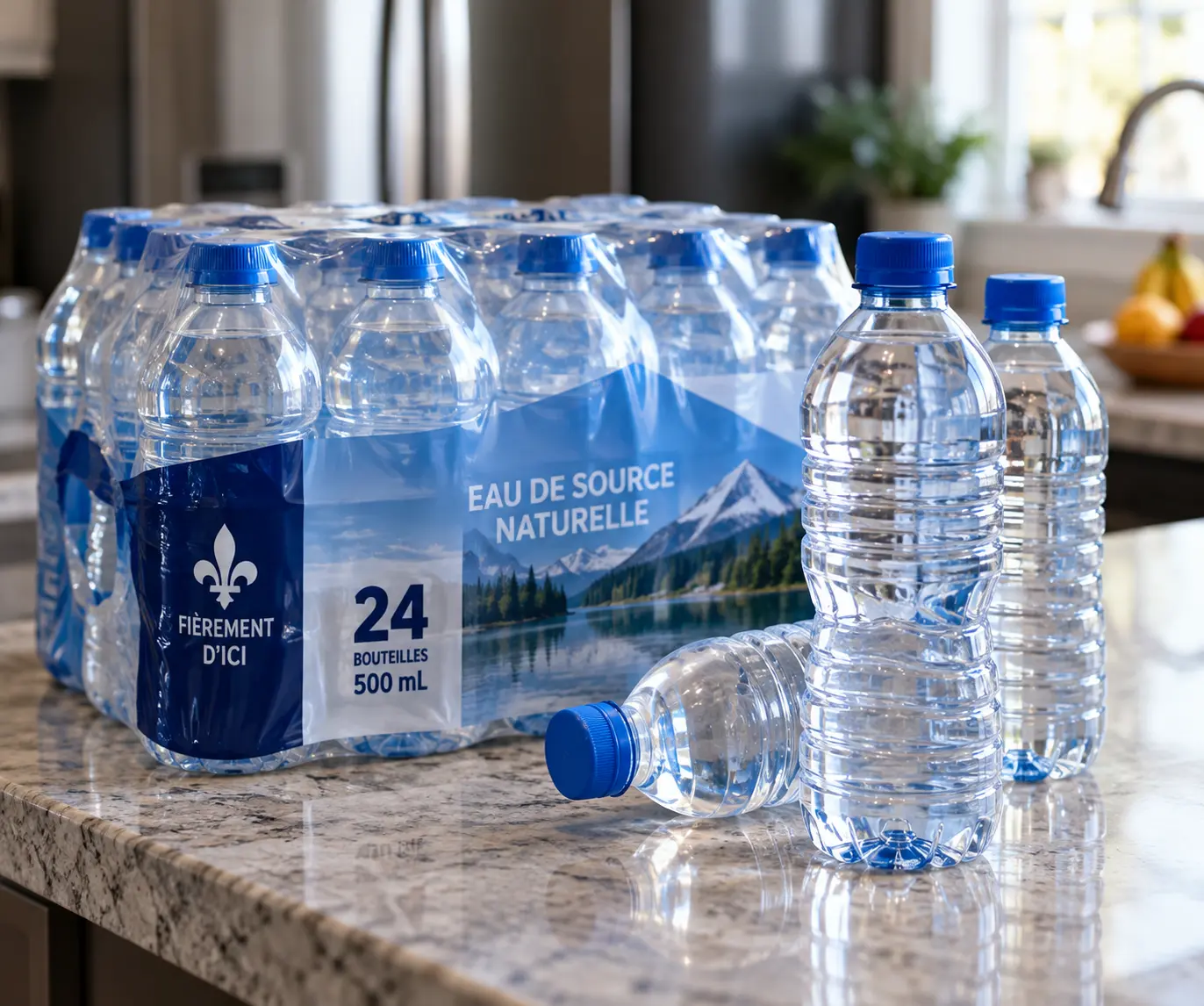
- 1Keep at least 72 hours of drinking water
- 2Follow restrictions and cut use at the first notices
- 3If you have a well, watch its level and have a plan B
Lasting collapse?
Key figures
When the water runs short.
Understanding the risk
A slow, silent crisis.
Drought starts with a lack of rain, then affects soils, rivers and finally groundwater. In July 2022, France had its second-driest month on record, with a rainfall deficit of about 84%. The government activated an interministerial crisis cell.
In Quebec, summer and fall 2025 were very dry in the south: in September, several cities got less than half their normal precipitation, and the St. Lawrence hit its lowest level since 2012. Towns had to buy water by truck and residents saw their wells run dry.
Severity
For a household, the most direct effects are water restrictions, a dry private well and, in France, cracks caused by shrinking clay, which account for 36% of natural disaster compensation costs.
Drought also worsens other risks: wildfires, heat waves, lower crop yields and higher prices, and strain on power generation and shipping.
In detail
Alert levels and what they change.
| Level (France) | What’s restricted | In Quebec |
|---|---|---|
| Vigilance | Call for restraint | Municipal notice |
| Alert | Watering and washing limited to certain hours | Watering and pool-filling bans |
| Heightened alert | Stricter restrictions, reduced withdrawals | Tighter restrictions, rationing |
| Crisis | Use limited to essentials (health, safety, drinking water) | Water trucked in, possible boil-water notices |
Assess your exposure
Are you more exposed than average?
Tick what applies to your situation.
Get prepared
Your preparedness checklist
Tick items as you go: your progress is saved on this device.
Suggested kits and plans
Before, during, after
The right actions, before, during and after.
Before
- Water stored
- Leaks fixed
- Rain barrel
- Well known
- Insurance checked
During
- Follow restrictions
- Prioritize water for drinking, cooking and hygiene
- No outdoor fires
- Watch the well and water quality
- Check on vulnerable people
After
- Have well water tested
- Note cracks and report them to your insurer
- Restock your water
- Adapt your garden to drought
- Review your water use
In Quebec, Canada and France
What changes depending on where you live.
Quebec / Canada
In Quebec, municipalities set water restrictions. Private well owners are responsible for their water quality; the government monitors groundwater through a network of about 260 observation wells.
- Restrictions
- Your municipality
- Health
- Info-Santé 811
- Fires
- SOPFEU
- Emergency
- 911
France
In France, prefects issue restriction orders at four levels. The VigiEau website shows the restrictions that apply at your address.
- Restrictions
- VigiEau
- Orders
- Prefecture
- Cracks
- Natural disaster decree
- Emergency
- 112 or 18
Domino effect
This risk often triggers others
Frequently asked questions
Frequently asked questions
How long does bottled water keep?
Follow the date on the label and store bottles cool and out of light. For stored tap water, replace it every six months.
What if my well runs dry?
Shut off the pump, contact a well driller and your municipality, and use your stored drinking water. Have the water tested once the well refills.
Are cracks in my house covered?
In France, clay shrinkage damage is covered if the town gets a natural disaster decree. In Canada, it depends on your policy. Check with your insurer.
Can I drink rainwater?
Not without treatment: it can carry contaminants from the roof and air. Use it for the garden and toilets instead.
Sources
Sources
Data checked on November 18, 2026. Figures come from the organizations cited; consult them for updates.
- RTBF (AFP), Historic drought in France: a hundred towns without drinking water (French)
- Noovo Info (The Canadian Press), Several towns must import water (French)
- MétéoMédia, A thirsty Quebec: are we flying blind? (French)
- SDES, New clay shrink-swell exposure zoning (French)
This page provides general preparedness information. It does not replace instructions from the authorities: in an emergency, call 911 in Canada or 112 in France.
Start with the basics.
Our free “Be Prepared” guide: 72-hour kit, family plan and your own risk assessment.
Drought
Index Quebec/Canada 2/9 · France 6/9
If you only do three things
- Keep at least 72 hours of drinking water
- Follow restrictions and cut use at the first notices
- If you have a well, watch its level and have a plan B
During
- Follow restrictions
- Prioritize water for drinking, cooking and hygiene
- No outdoor fires
- Watch the well and water quality
- Check on vulnerable people
After
- Have well water tested
- Note cracks and report them to your insurer
- Restock your water
- Adapt your garden to drought
- Review your water use
Emergency numbers: 911 (Canada) · 112 (France)
prepacivile.com/en/risks/drought/