
31 steps · Daily actions
31 days to prepare better
One action at a time to organize essentials, prepare people and test solutions adapted to your home.
Move at your own pace.Discover the course
Site pages and tools are available in English. Articles marked “French” open the original French version; English articles will follow.
PrépaCivile · learning and acting
Choose a guided path to prepare your home, strengthen your resources and understand resilience.
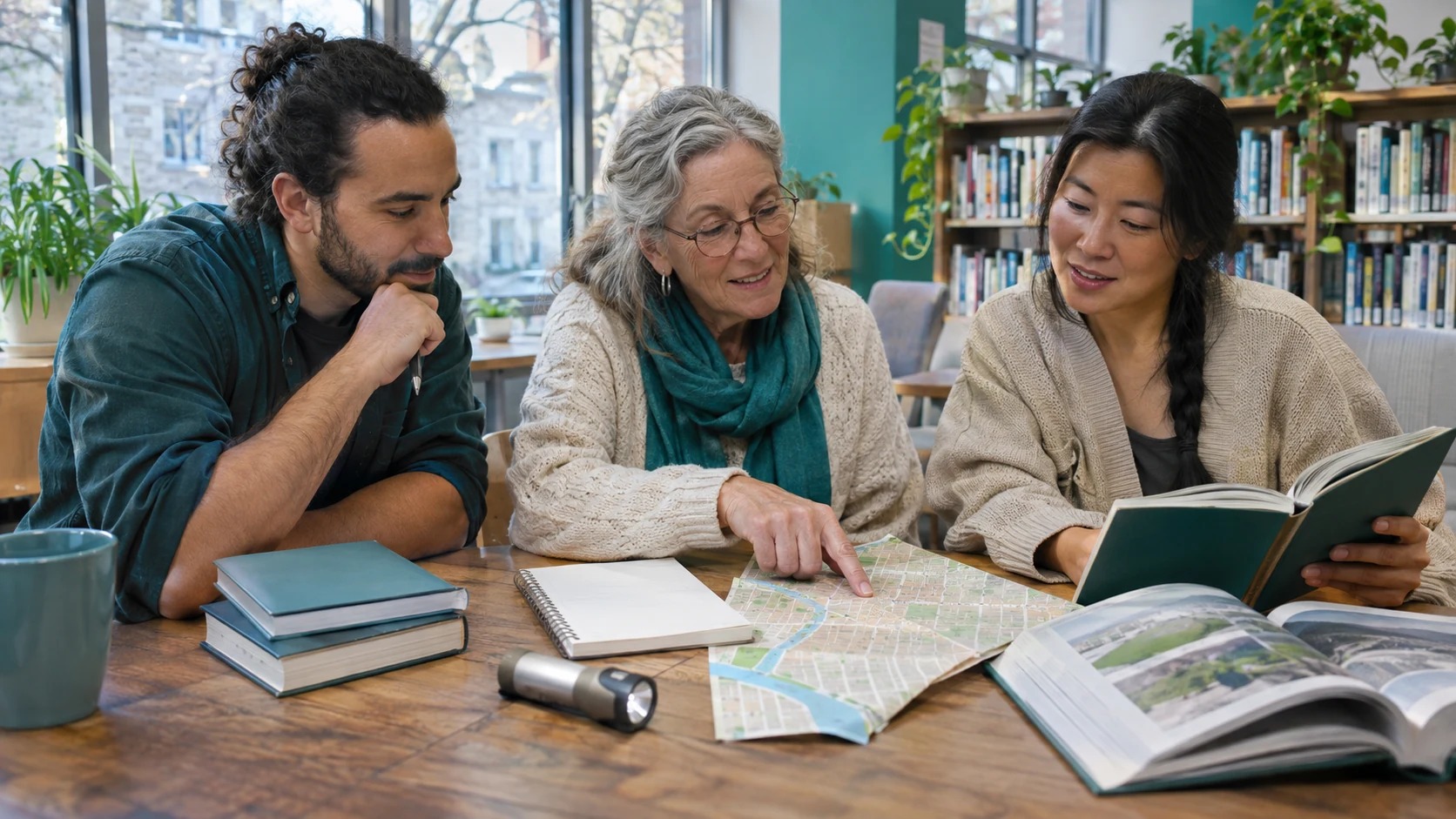
Start with a short action, advance on the year or deepen the notions of resilience. The courses are free, usable without account and adaptable at your own pace. No purchase is necessary to validate a step.
31 steps · Daily actions
One action at a time to organize essentials, prepare people and test solutions adapted to your home.
Move at your own pace.Discover the course
52 steps · Weekly actions
A weekly project to consolidate resources, practice useful skills and install sustainable preparation.
Move at your own pace.Discover the course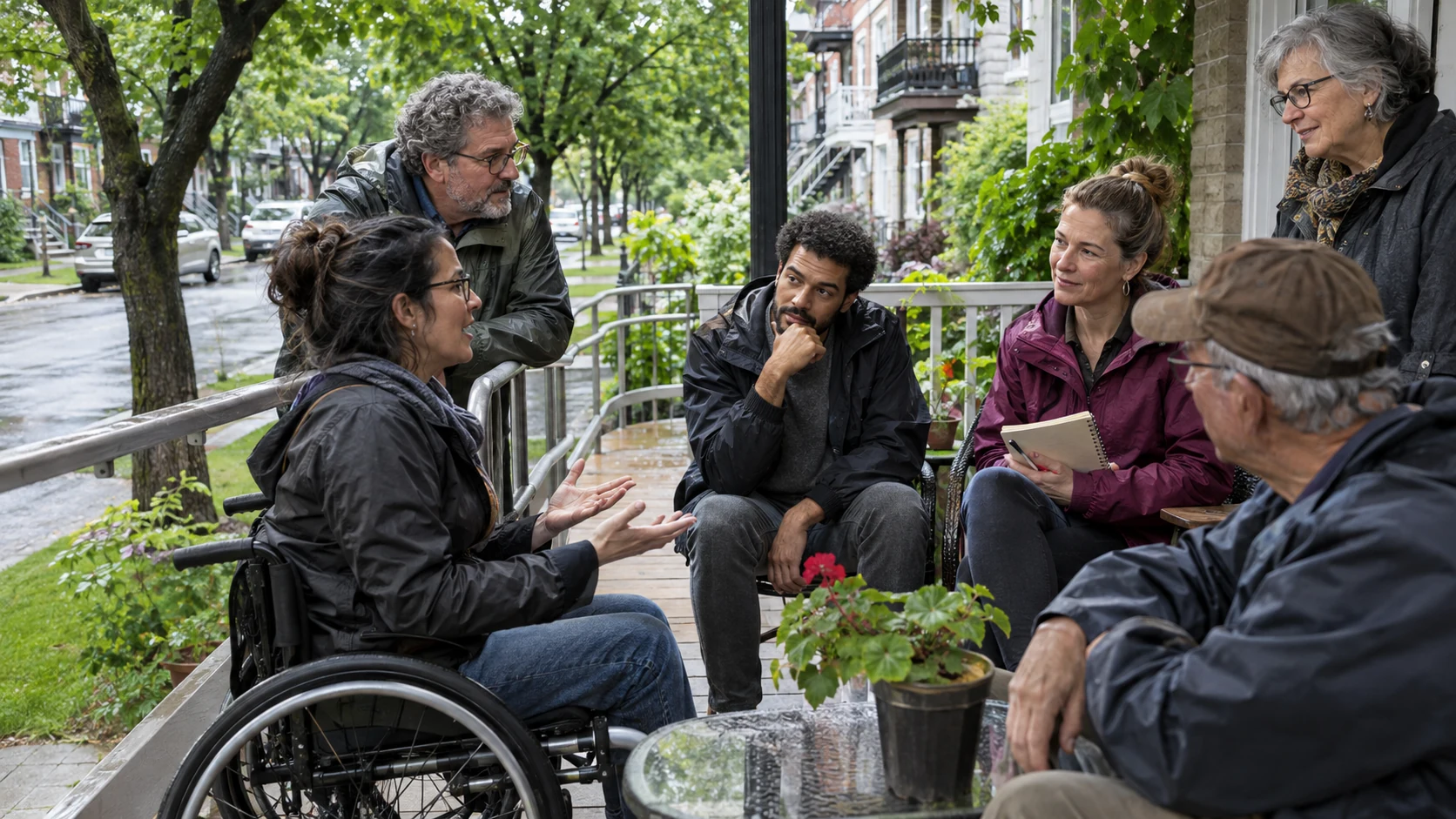
8 steps · Reading and putting into practice
Eight readings and eight practical exercises to connect people, the organization of the home and community resources.
Move at your own pace.Discover the courseThe 31 days provide a first basis. The 52 weeks allow you to consolidate and return to needs at another time. Understanding resilience provides benchmarks for individual and collective decisions. You can start directly with the program that suits you.
The same reading can shed light on several steps: the action requested and the follow-up remain specific to each course. Reading alone does not automatically validate a skill.
Your progress remains on this device, without account or automatic synchronization.