
Site pages and tools are available in English. Articles marked “French” open the original French version; English articles will follow.
PrépaCivile route · 31 stages
31 days to get better prepared
One action at a time to organize essentials, prepare people and test solutions adapted to your home.
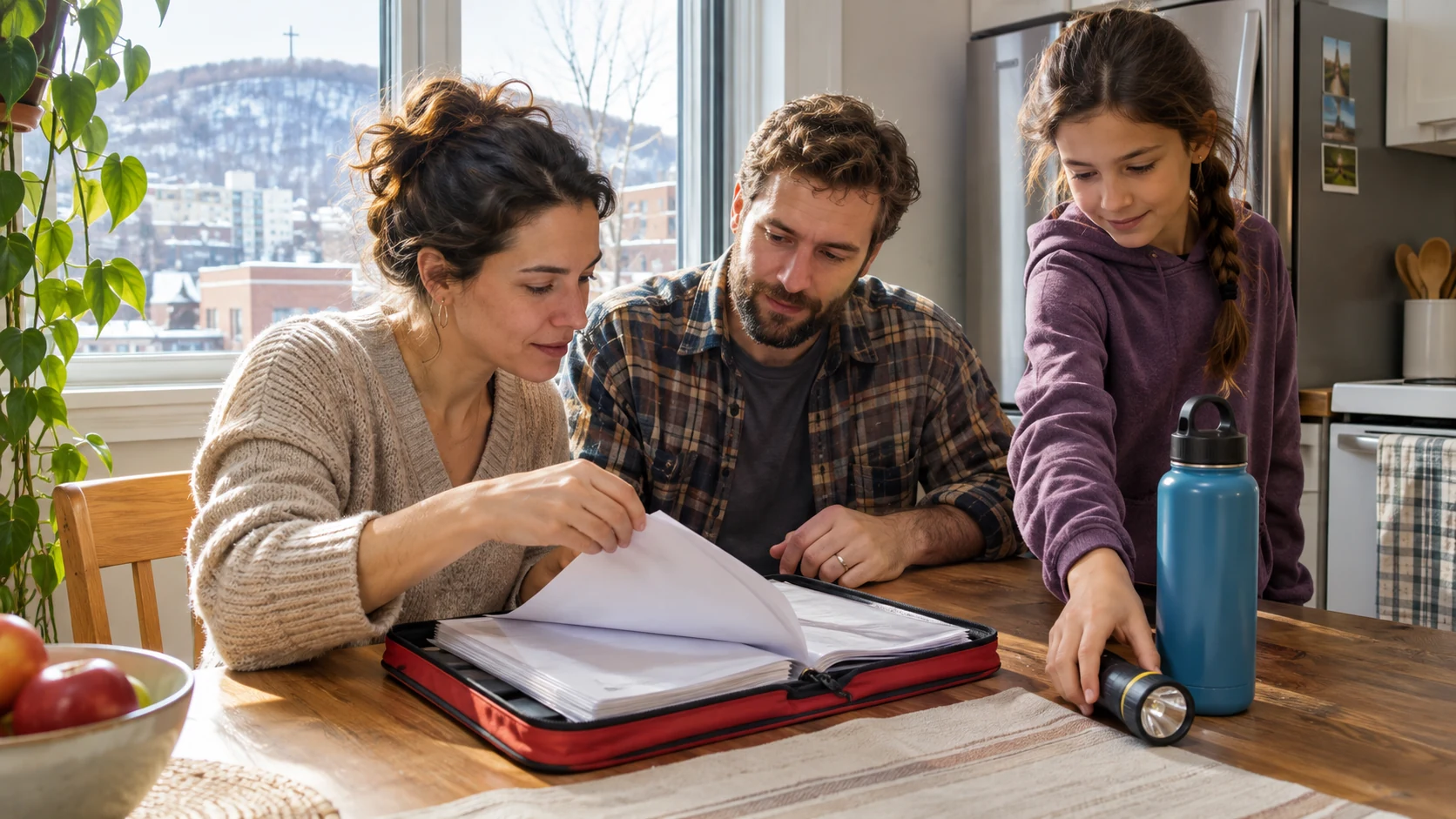
Your Progress
0 stage completed · 0 not applicable · 31 to be done
The tracking remains in this browser, on this device.
Start this learning pathHow to use this route
Each day proposes concrete action and its associated article. Go ahead in order or take a step that corresponds to a priority need.
The pace is a proposal, not a deadline. Some steps require an appointment, training or outside help. Adapt the steps to people, housing and budget. "Not applicable" means that you have checked that the step does not concern your situation.
Day 1 to 7
Laying the Bases
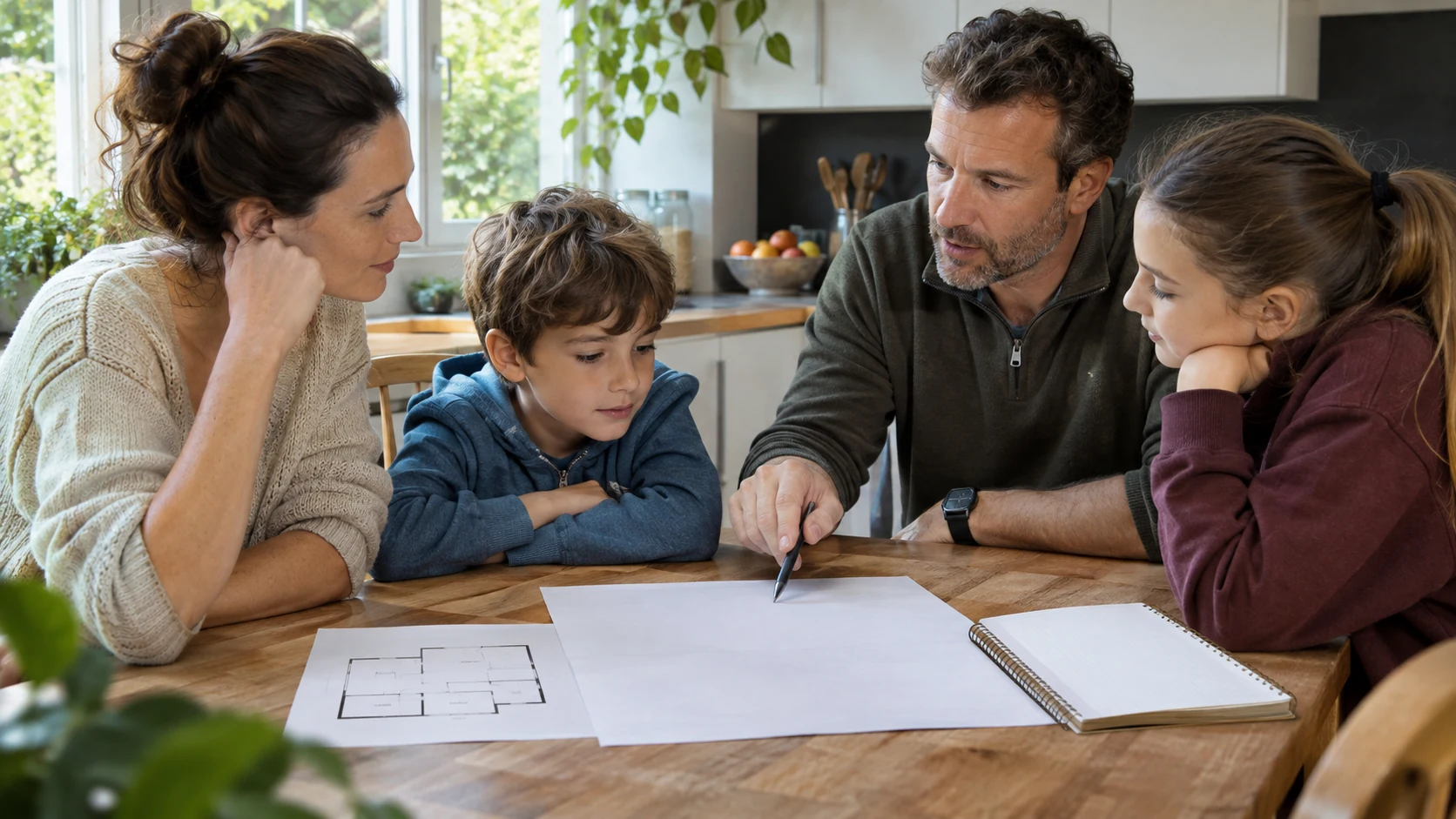
Day 1 To do
Laying the foundations of the family plan
Your action
Gather the people of the home and note the priority hazards, an outside contact and two regrouping locations.
To complete this step
The contact is reachable; each person knows where to find the plan.
Read article: Day 1: Start a realistic family emergency plan
Day 2 To do
Clearing a Financial Margin
Your action
Take stock of essential expenses and choose a small realistic amount to set aside, without debt to buy equipment.
To complete this step
The amount is within your budget; an alternative means of payment is provided.
Read article: Day 2: Preparing a financial margin and means of payment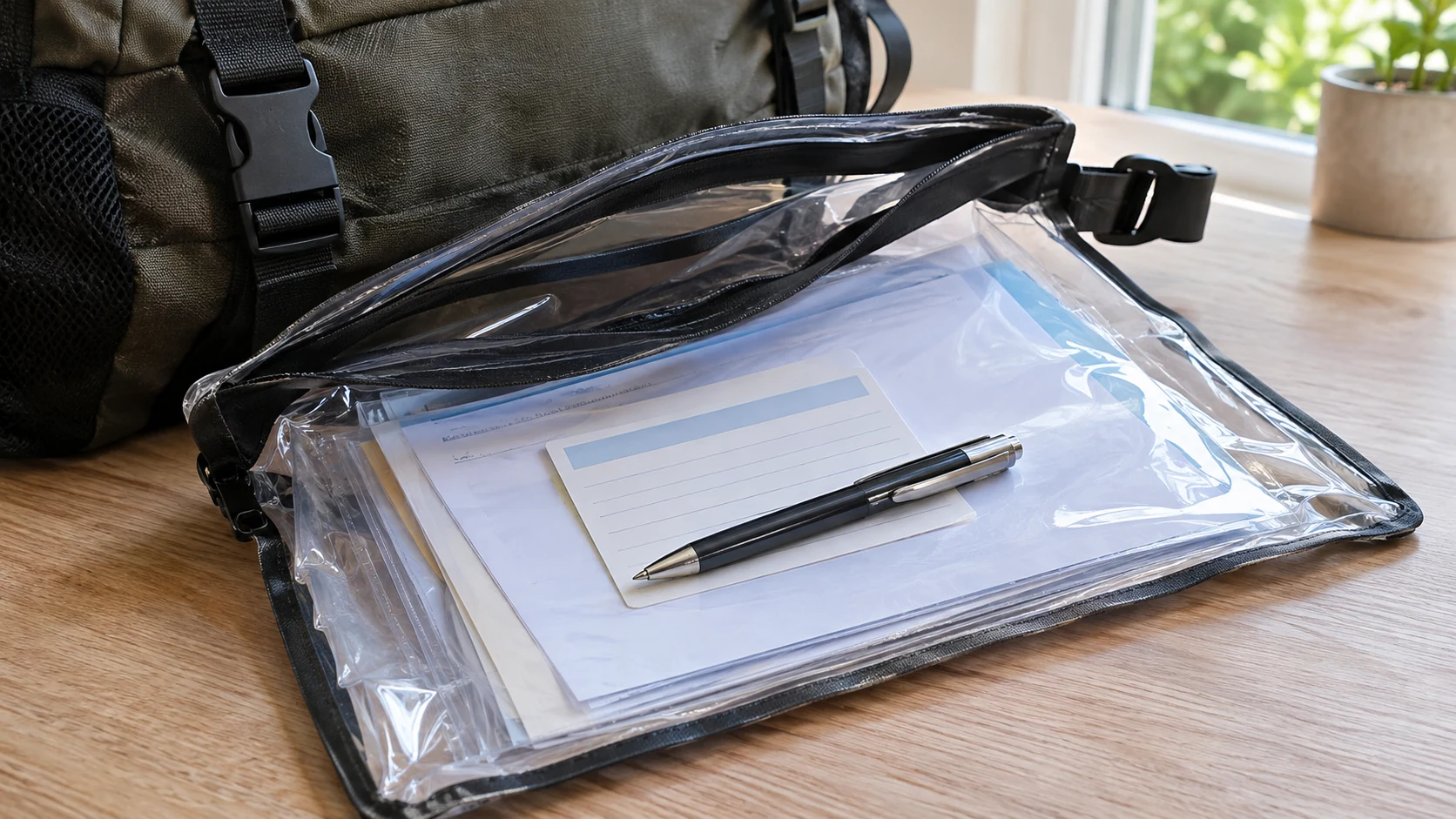
Day 3 To do
Gathering relevant documents
Your action
Collect priority contacts and copies, then choose an initially accessible storage and a separate backup.
To complete this step
Authorized persons know how to find them; sensitive data remains protected.
Read the article: Day 3: Bringing together urgent documents and contacts
Day 4 To do
Install a simple habit
Your action
Choose a regular time to check a useful resource and assign a feasible first task.
To complete this step
The reminder is fixed; a person responsible and a relay are designated.
Read the article: Day 4: Installing Daily Preparation Habits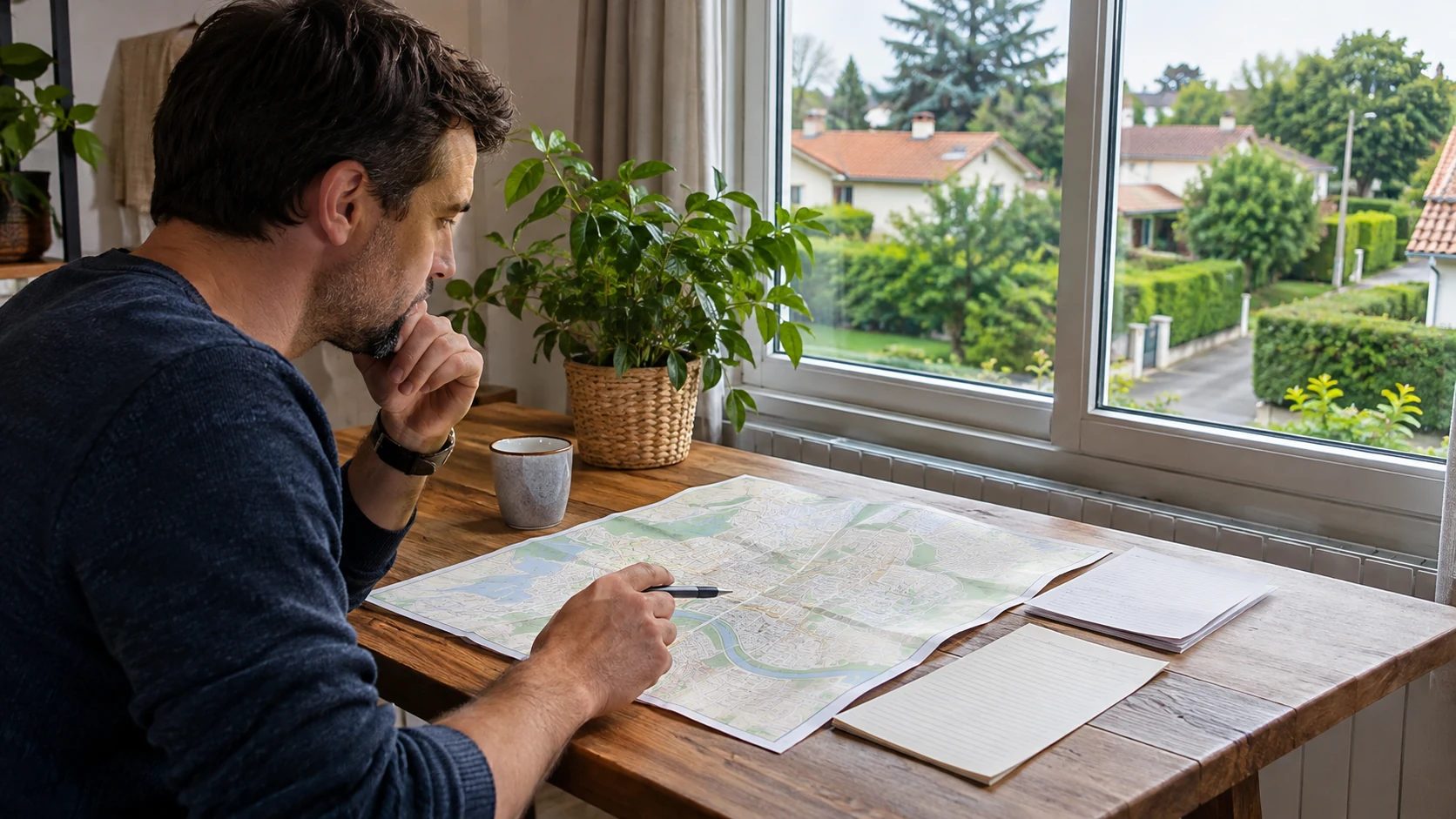
Day 5 To do
Prioritizing the risks of the home
Your action
Remember three plausible situations for your home and neighbourhood, and then associate with each one a useful first step.
To complete this step
The choices are based on your actual exposure; an official source is identified.
Read the article: Day 5: Assessing the risks specific to your home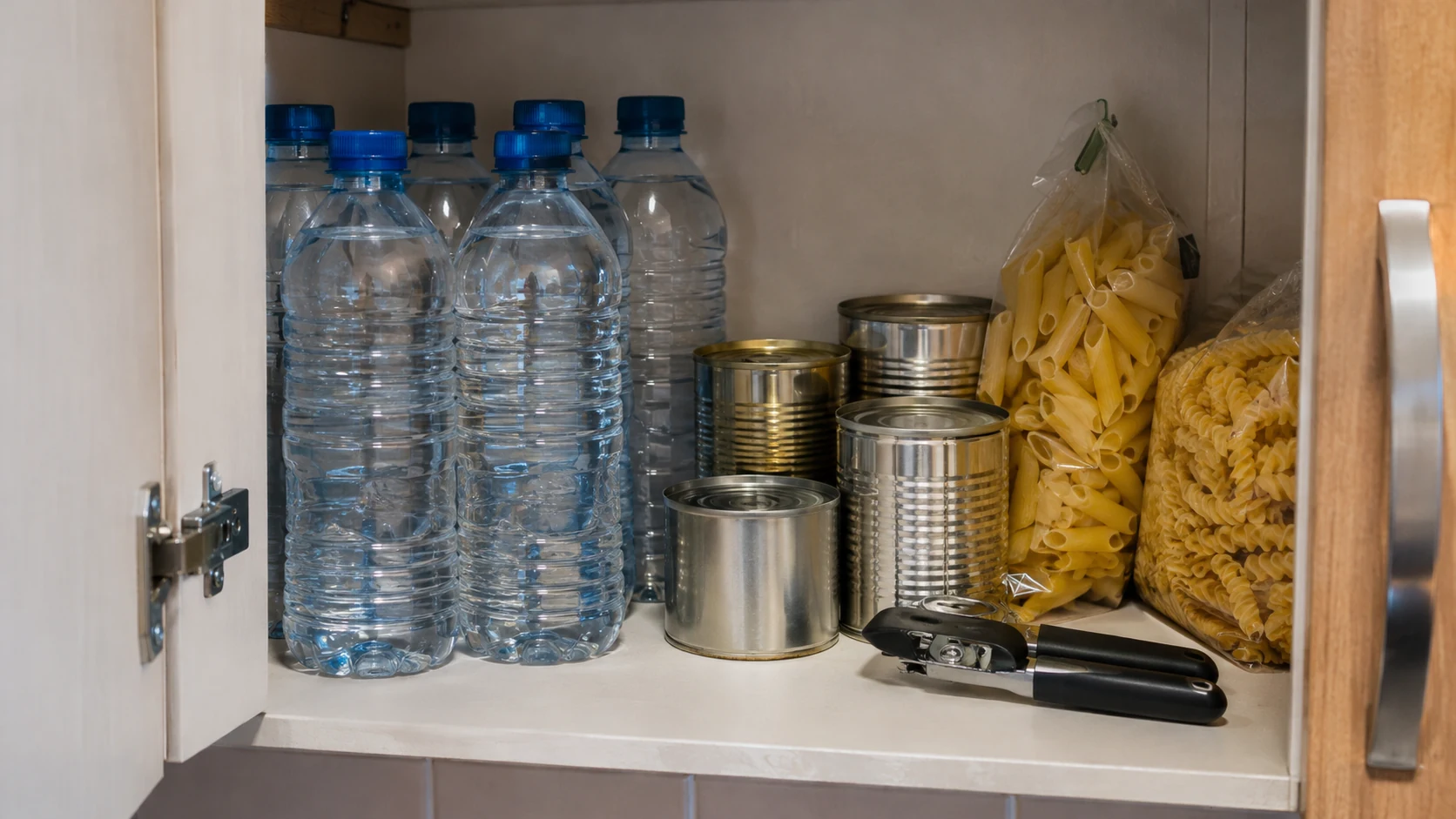
Day 6 To do
Start usable reserves
Your action
Invent water and food already available and plan regular meals that remain feasible during an interruption.
To complete this step
The quantities are adapted to the household; dates and special needs are noted.
Read article: Day 6: Start a water and food supply for use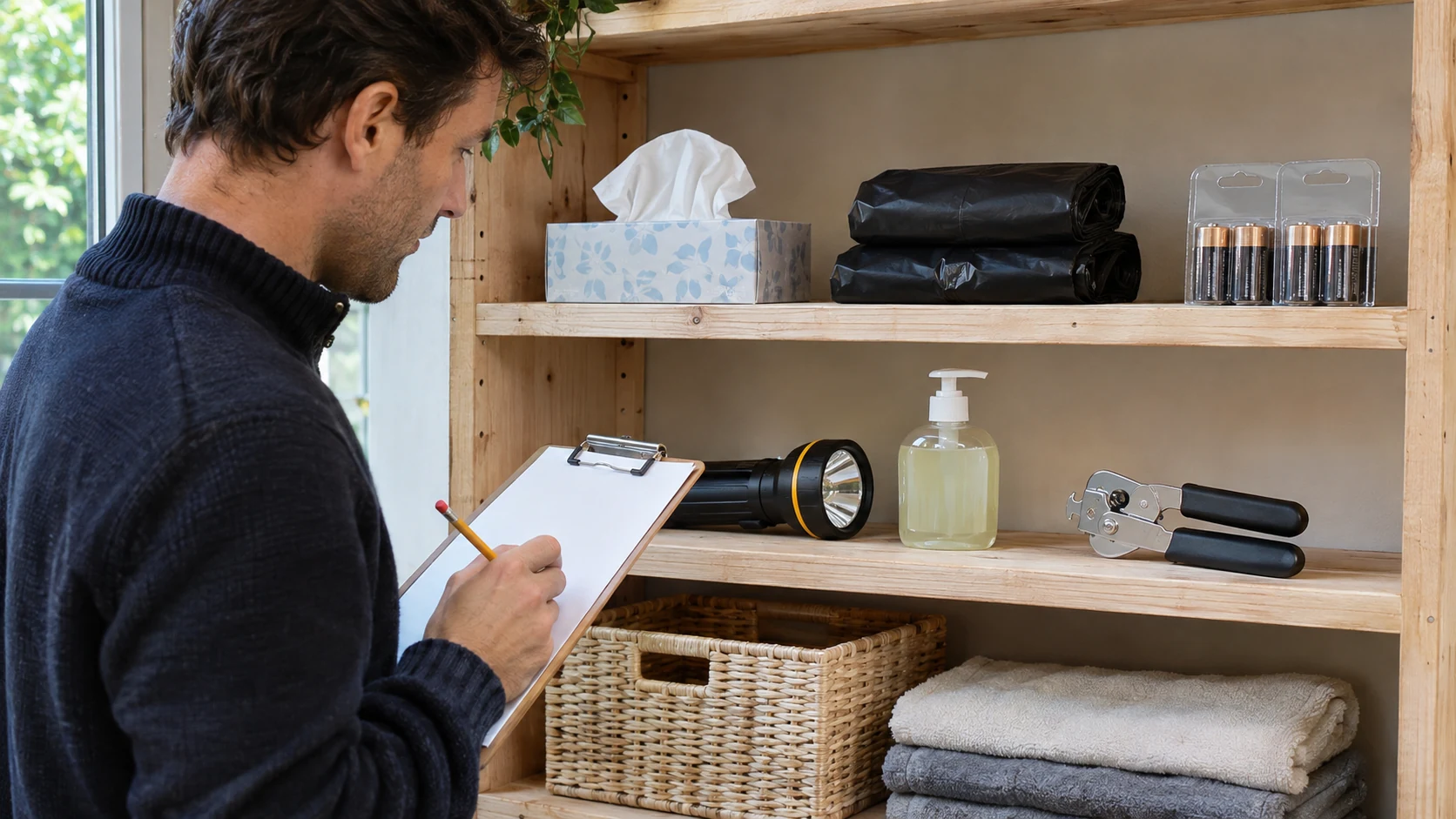
Day 7 To do
Identify small gaps
Your action
Check the objects that make your reserves usable: box openers, lighting, suitable batteries and utensils.
To complete this step
Each object responds to a task; unnecessary duplicates are discarded.
Read article: Day 7: Checking Small Items Missing Reserves
Day 8-14
Organize and anticipate

Day 8 To do
Compile practical references
Your action
Select some reliable instructions and keep a hard copy or offline of the essential information.
To complete this step
The date and organization are identifiable; a copy remains searchable without a network.
Read the article: Day 8: Building a Practical Preparation Library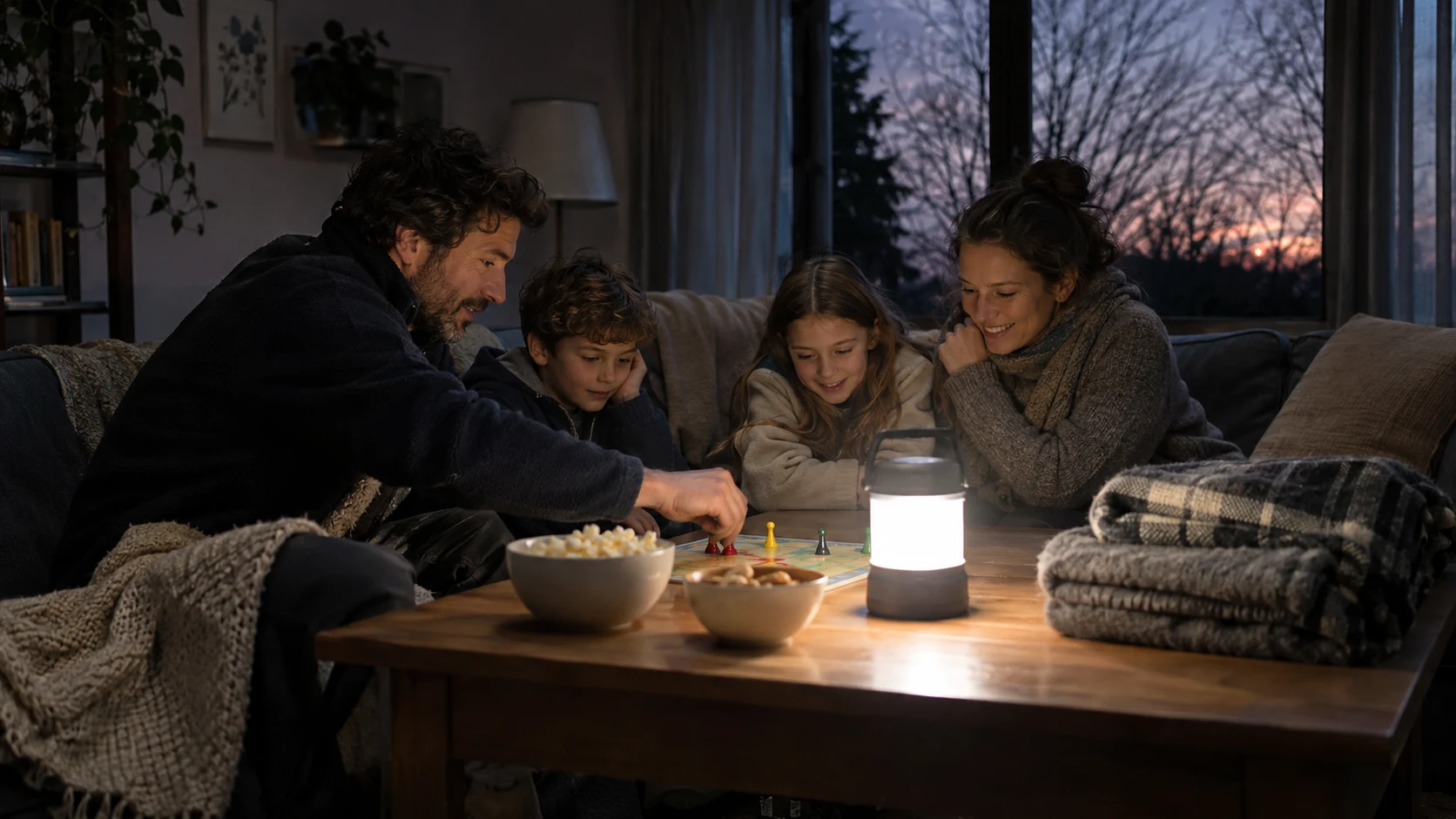
Day 9 To do
Preparing a power outage
Your action
Imagine an evening without electricity and check lighting, communications, meals and the possibility to reach a heated or cool place.
To complete this step
External solutions remain outside; a reception solution is provided if the housing becomes dangerous.
Read article: Day 9: preparing the home for a power outage
Day 10 To do
Choose safe storage
Your action
Find the most sensitive foods on your reserve and choose a conservation method suitable for each.
To complete this step
Sanitary instructions are accessible; no improvised procedures are used.
Read article: Day 10: Choosing a Safe Food Conservation Method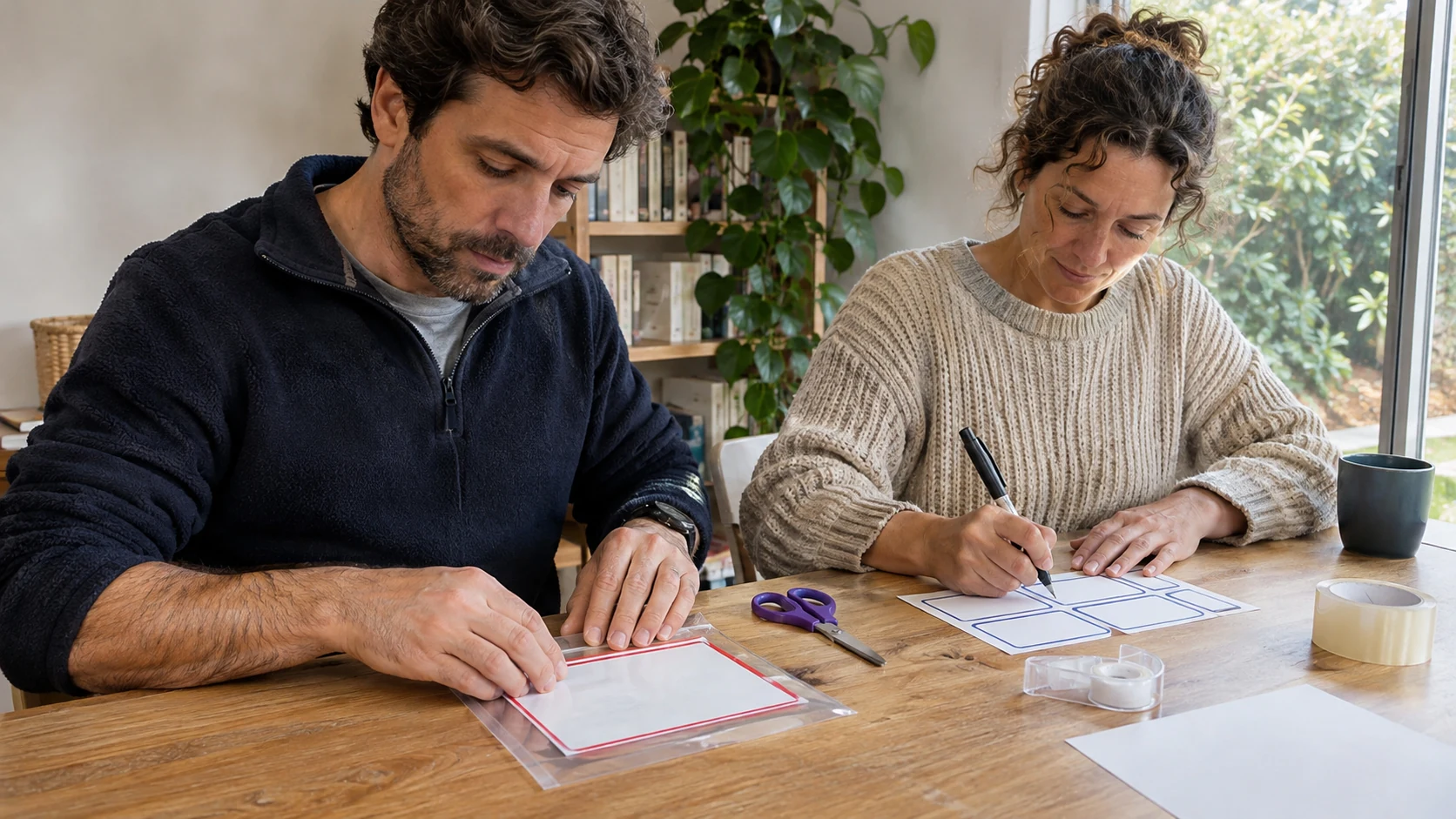
Day 11 To do
Improve storage
Your action
Make a small storage or labelling that simplifies an action: contacts, documents, batteries or inventory.
To complete this step
Storage remains accessible; no technical outlet or installation is changed.
Read the article: Day 11: DIY useful for organizing its preparation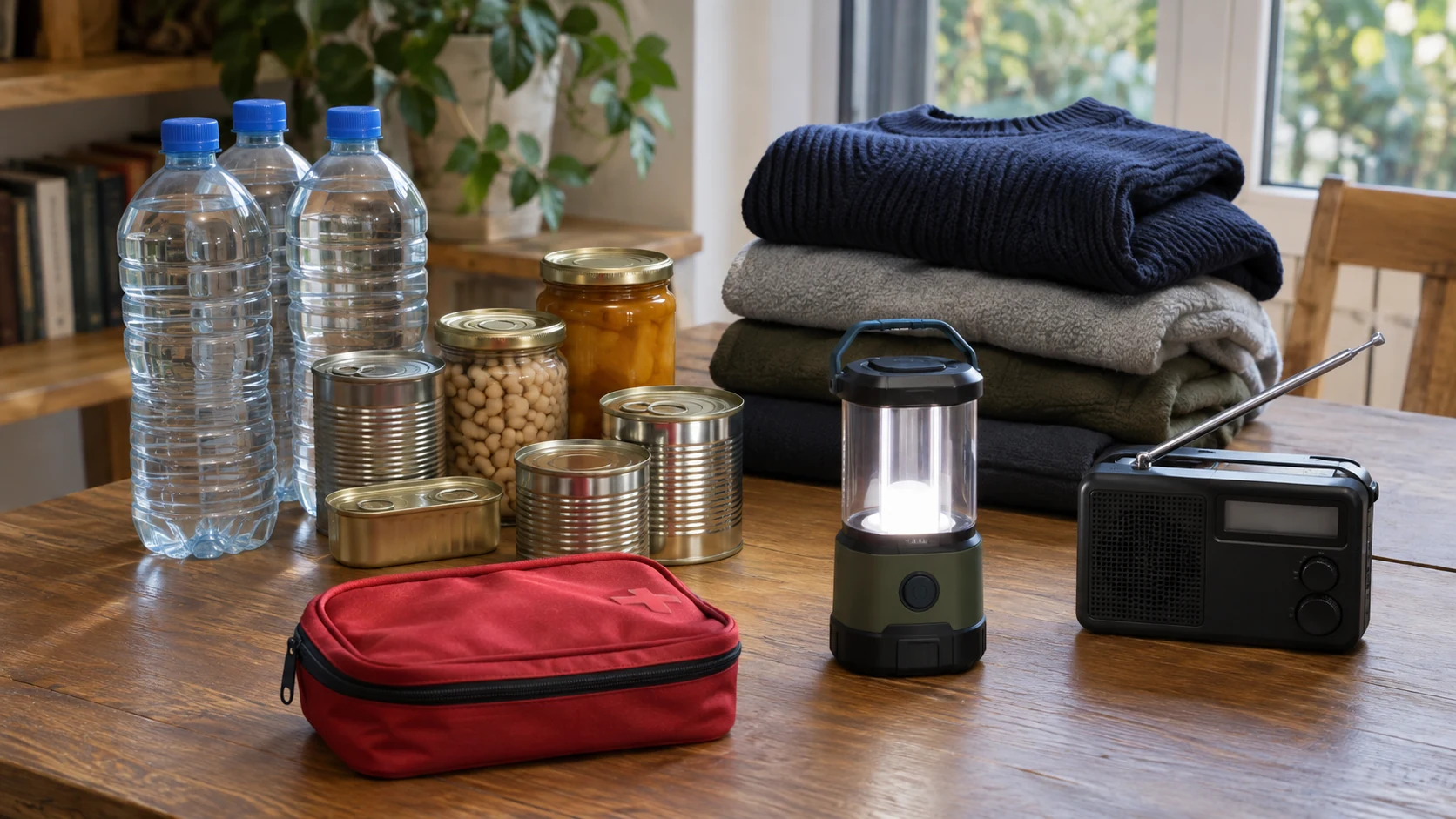
Day 12 To do
Linking needs and solutions
Your action
For water, food, health, shelter and information, note your main resource and an alternative.
To complete this step
Dependencies on services are identified; needs without solutions are high priority.
Read article: Day 12: Linking Essential Needs to Available Resources
Day 13 To do
Acting in the face of concern
Your action
Choose a specific concern, distinguish facts and assumptions, and then note a reasonable action and support person.
To complete this step
The action is feasible today; the search for information does not take full place.
Read the article: Day 13: Recognising fear and preparing simple actions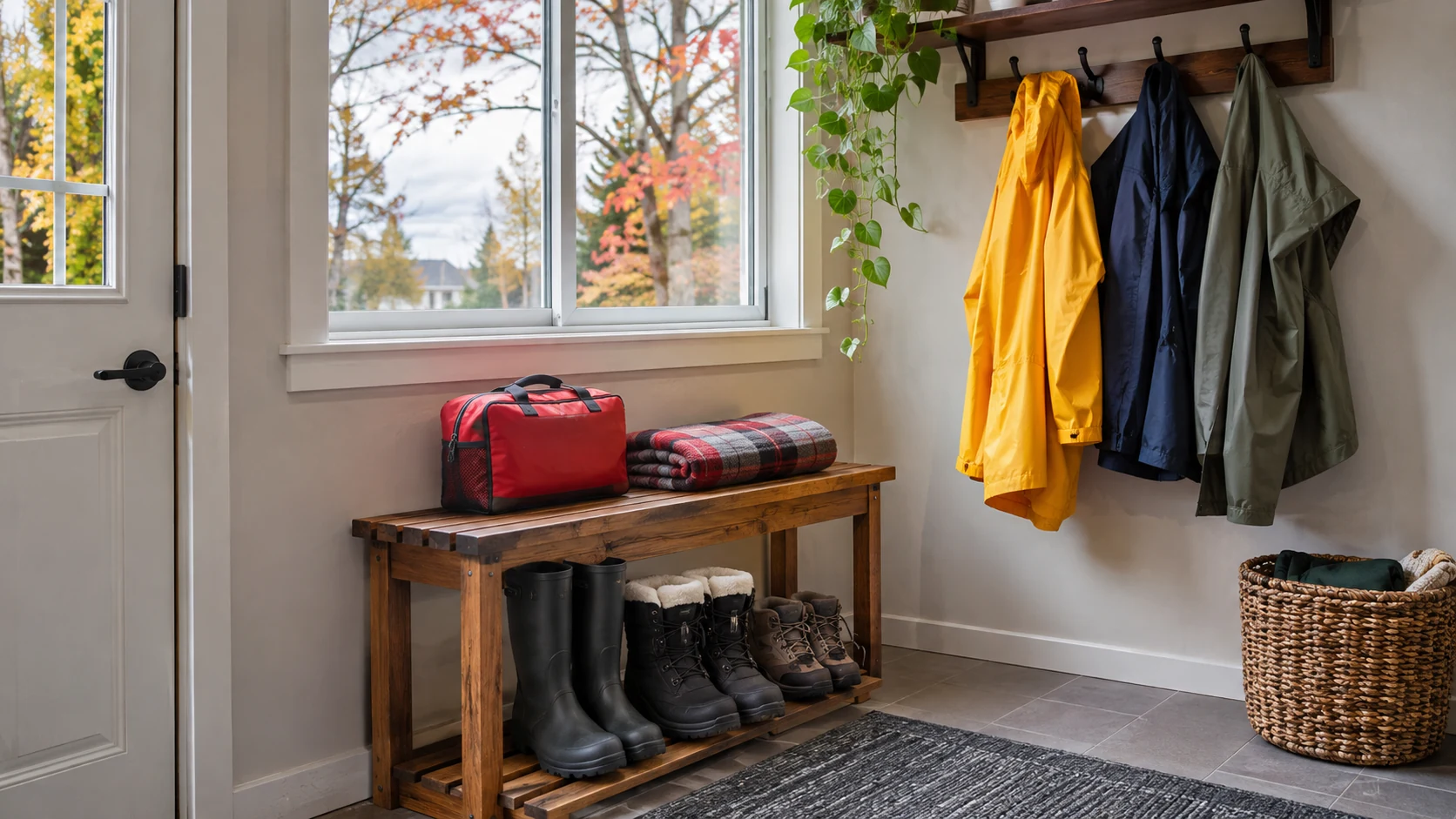
Day 14 To do
Review by season
Your action
Check clothing, travels, lighting and welcome solutions for the coming season.
To complete this step
Resources are climate-friendly; local instructions are up to date.
Read article: Day 14: Reviewing its preparation for the change of season
Day 15 to 21
Adapt to everyday life
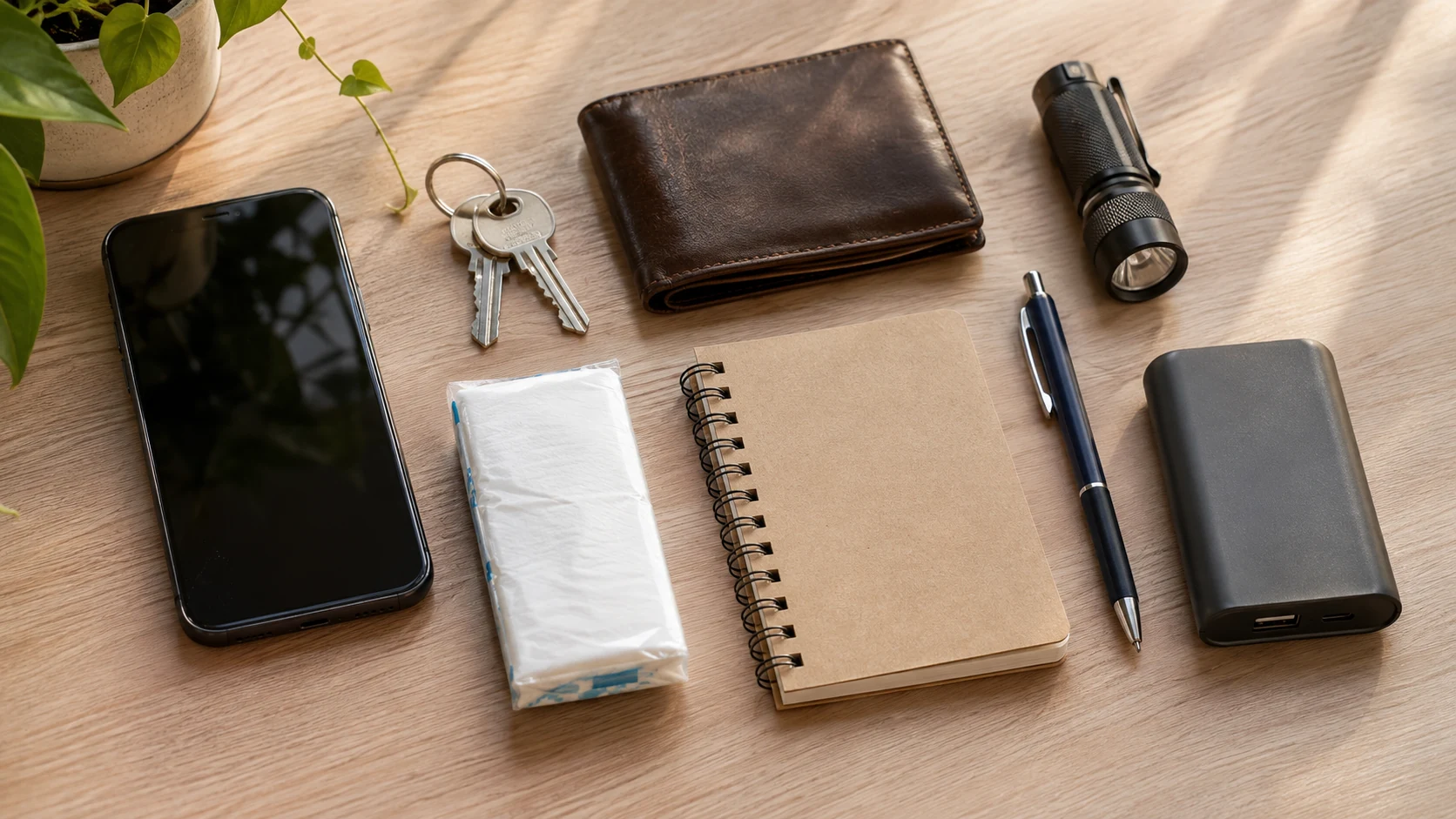
Day 15 To do
Adapt your daily equipment
Your action
Make an ordinary journey with the objects you carry and remove what is useless, forbidden or too heavy.
To complete this step
Useful objects remain accessible; the rules of the places frequented are respected.
Read the article : Day 15 : choose a daily equipment adapted to its journeys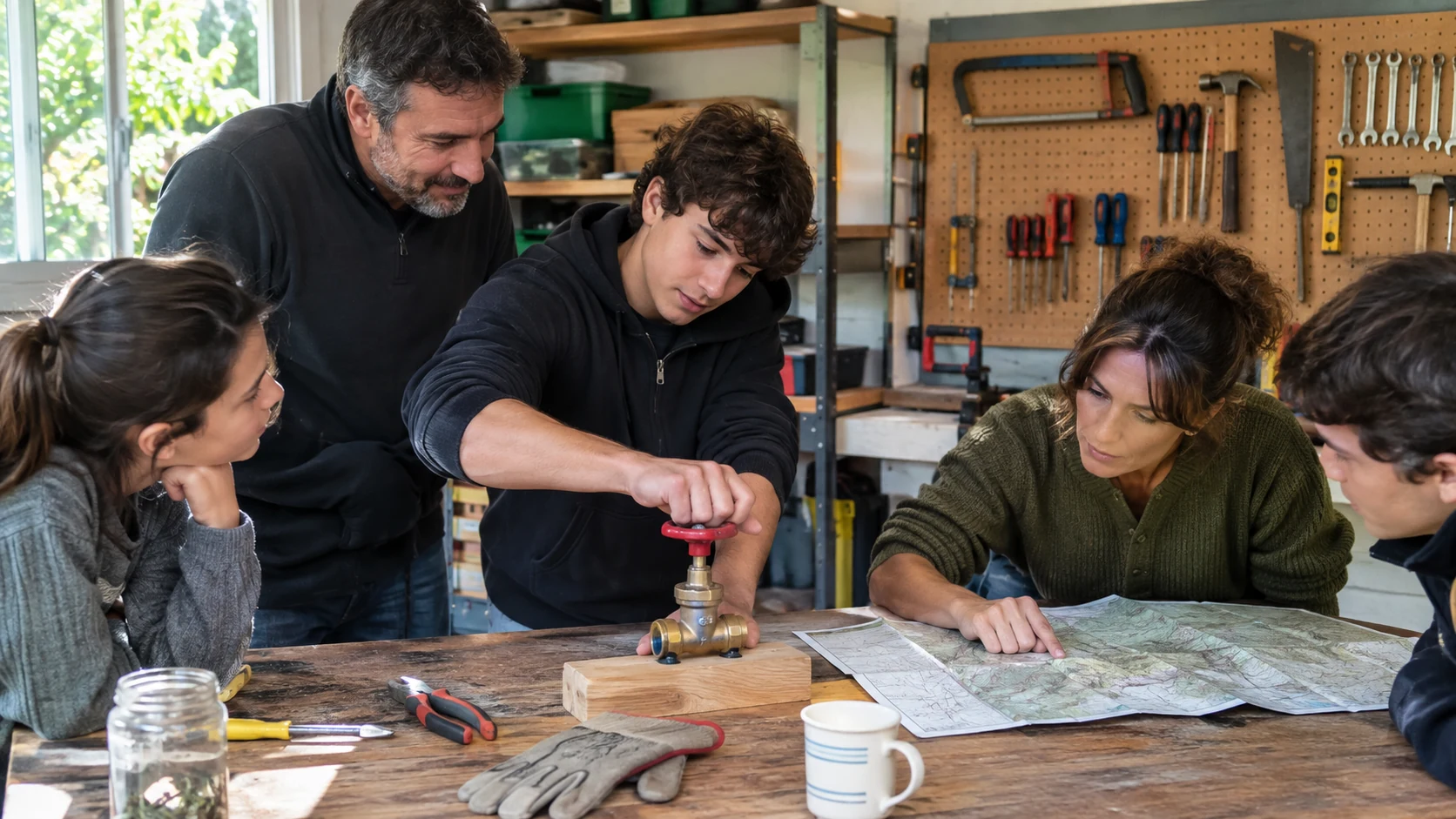
Day 16 To do
Practice a competency
Your action
Choose a useful and safe skill, such as sending a specific address, reading a card or organizing a help call.
To complete this step
You can reproduce it; gestures that require training remain framed.
Read the article: Day 16: ten useful skills to practice without putting yourself in danger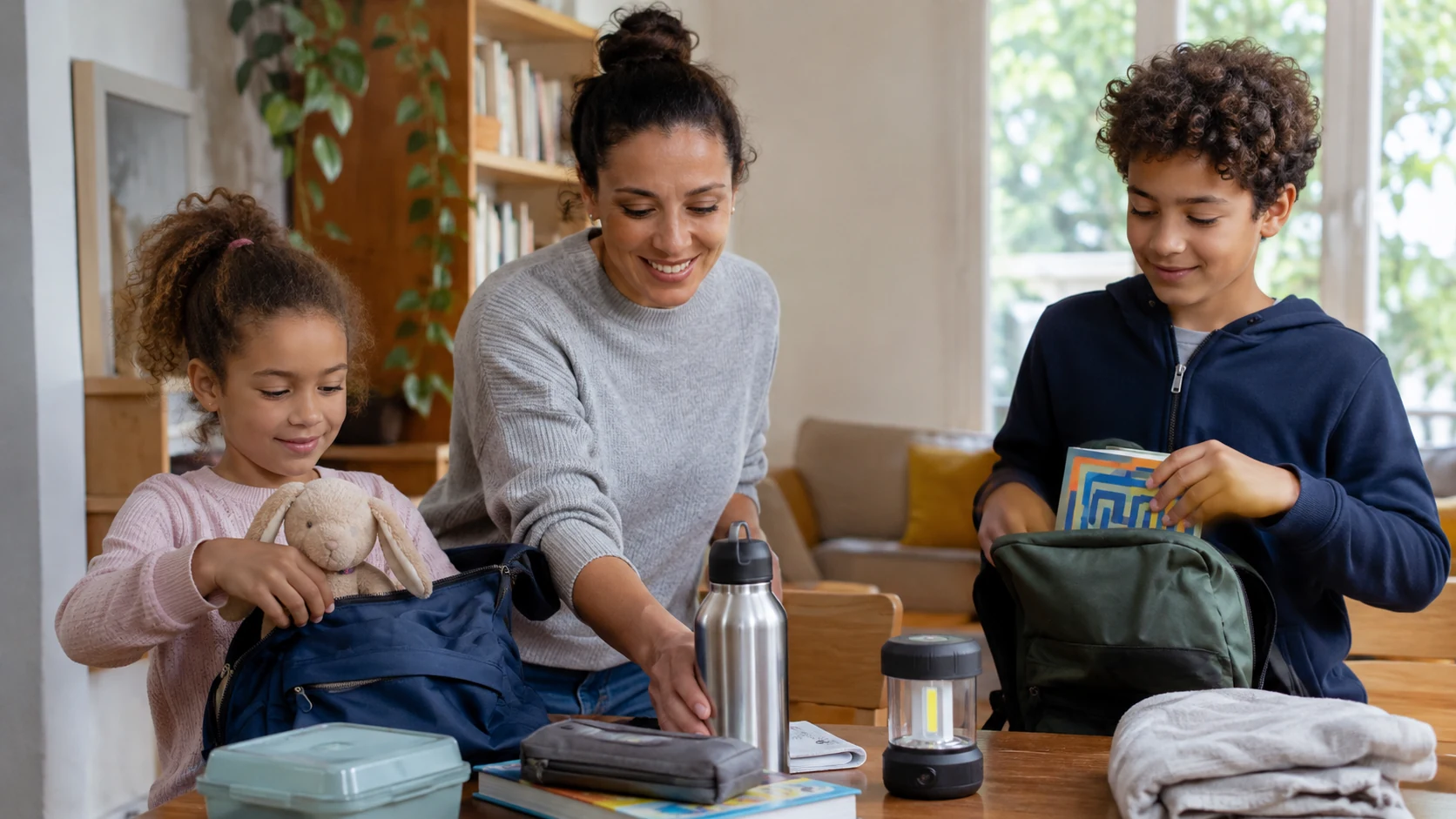
Day 17 To do
Preparing children for them
Your action
Explain a simple scenario with child-friendly words and quietly repeat a clustering point or contact.
To complete this step
The child knows which adult to turn to; the essential responsibilities remain those of adults.
Read article: Day 17: preparing children with adapted activities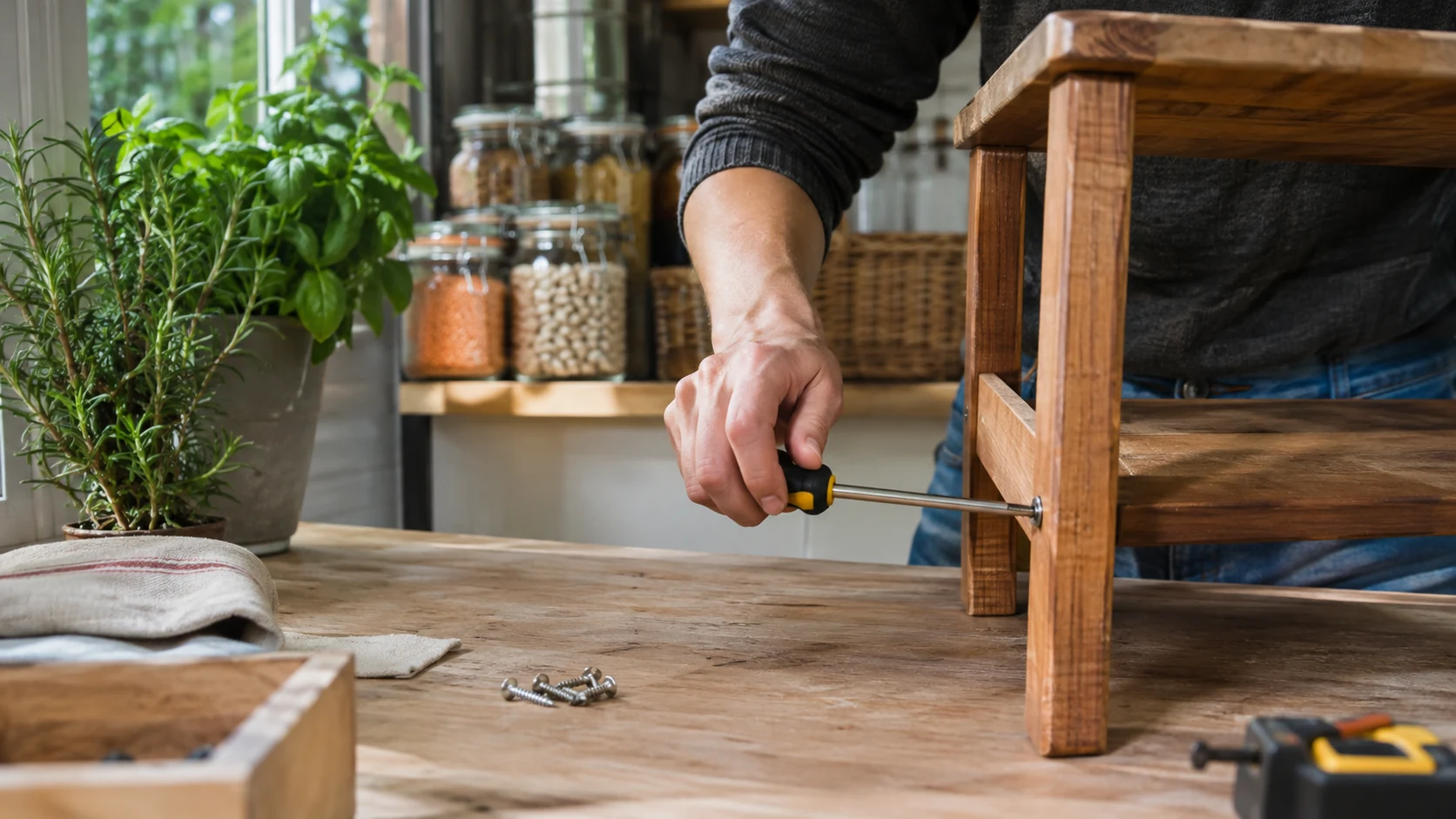
Day 18 To do
Reducing dependency
Your action
Choose a service-dependent task and prepare a realistic alternative: paper, recharge, meal or welcome.
To complete this step
The solution has been tried; its cost and limitations are known.
Read the article : Day 18 : developing progressive and secure autonomy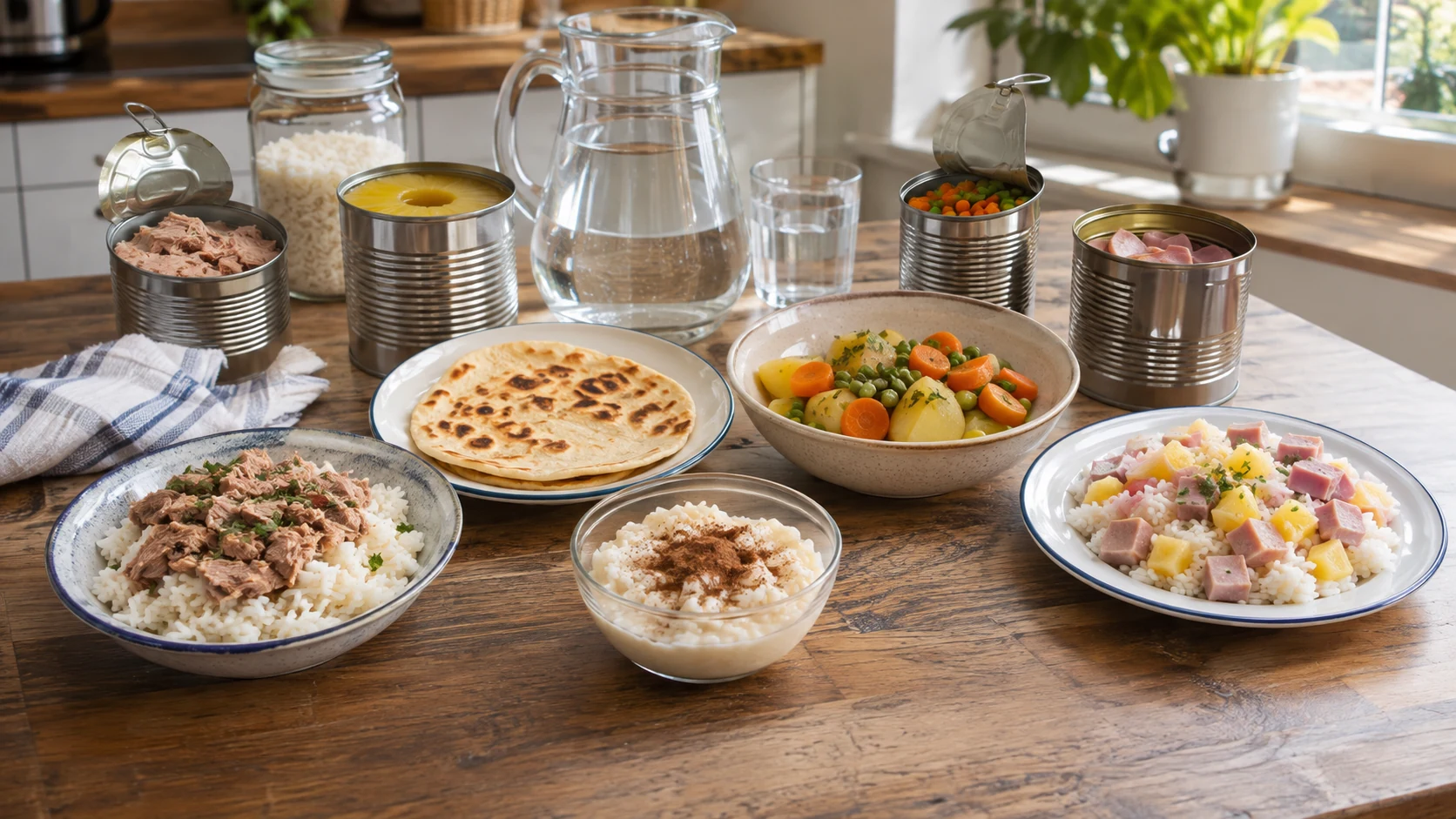
Day 19 To do
Prepare five reserve meals
Your action
Compose five meals adapted to the home from usual foods, then test one with the means actually available.
To complete this step
The necessary ingredients and water are provided; allergens and storage are checked.
Read article: Day 19: five meals to prepare with the household reserves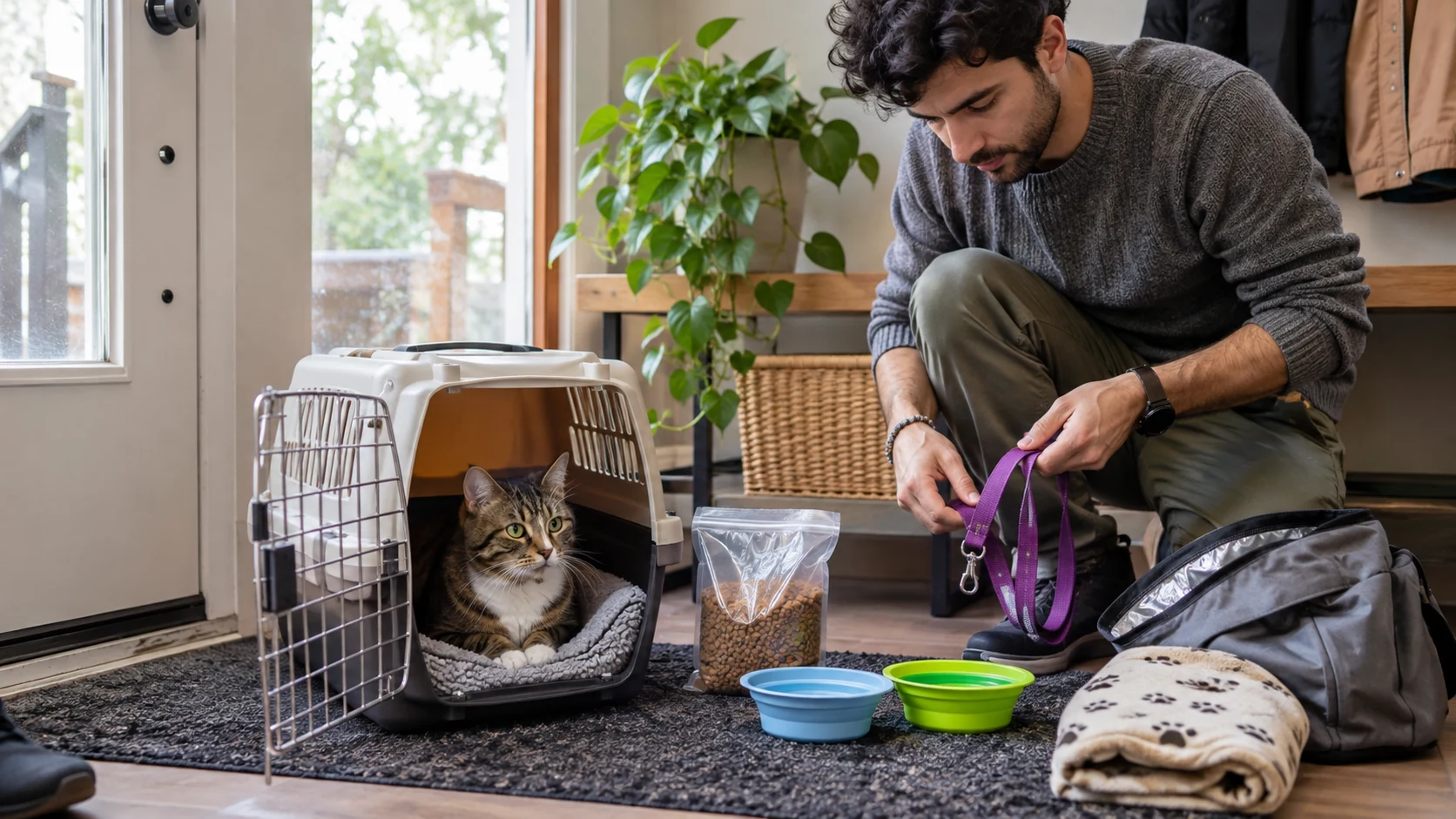
Day 20 To do
Preparing animals
Your action
Check feeding, prescribed treatments, identification, transport and reception of each animal.
To complete this step
The equipment is suitable for animals; the veterinary contact details are accessible.
Read article: Day 20: preparing pets for evacuation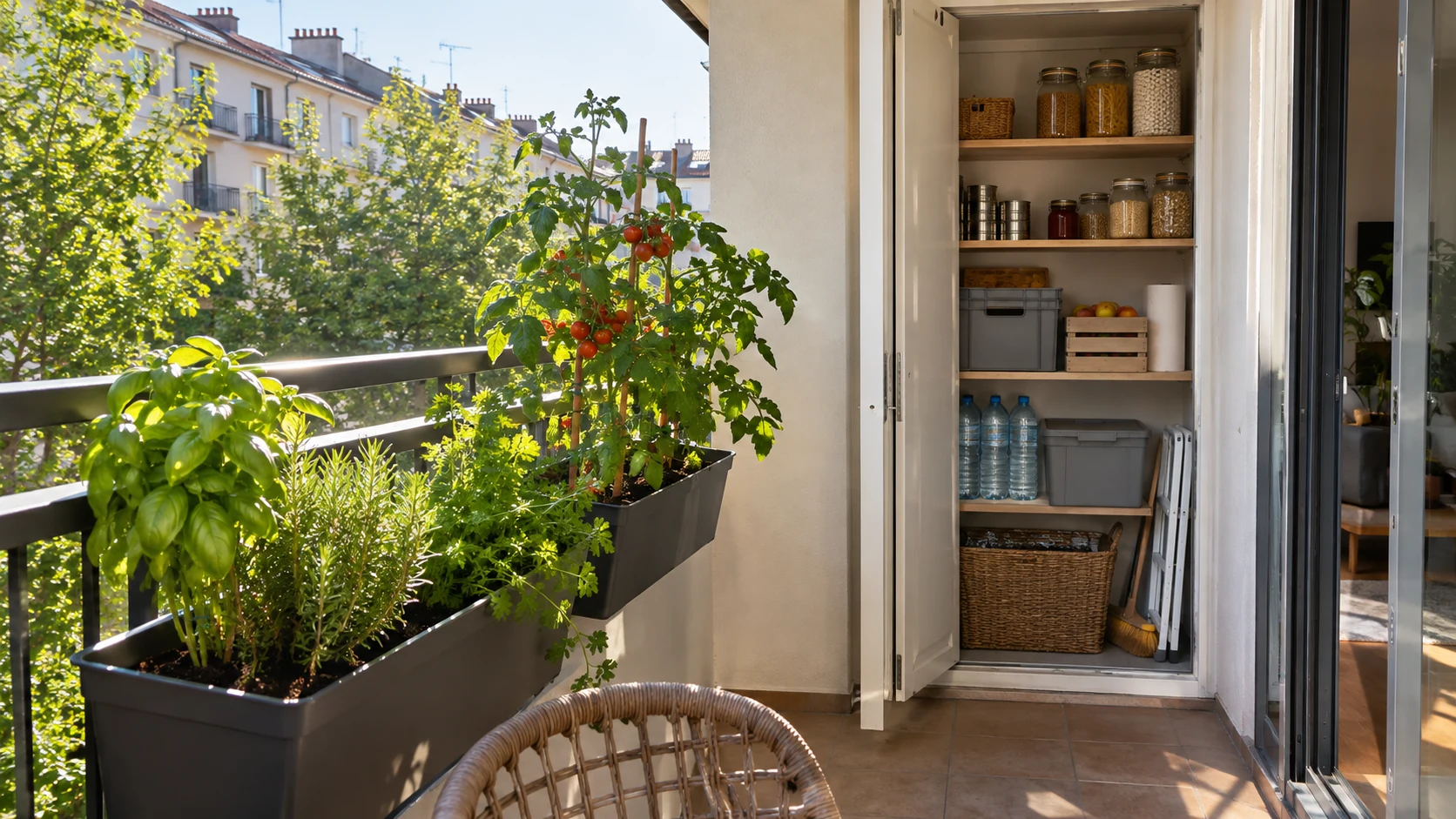
Day 21 To do
Arrange a small dwelling
Your action
Identify a reasonable storage space, allocate loads and make useful resources accessible.
To complete this step
The passages remain clear; the storage respects the constraints of the accommodation.
Read the article : Day 21 : getting ready in a small dwelling
Day 22-28
Prepare and practice
Day 22 To do
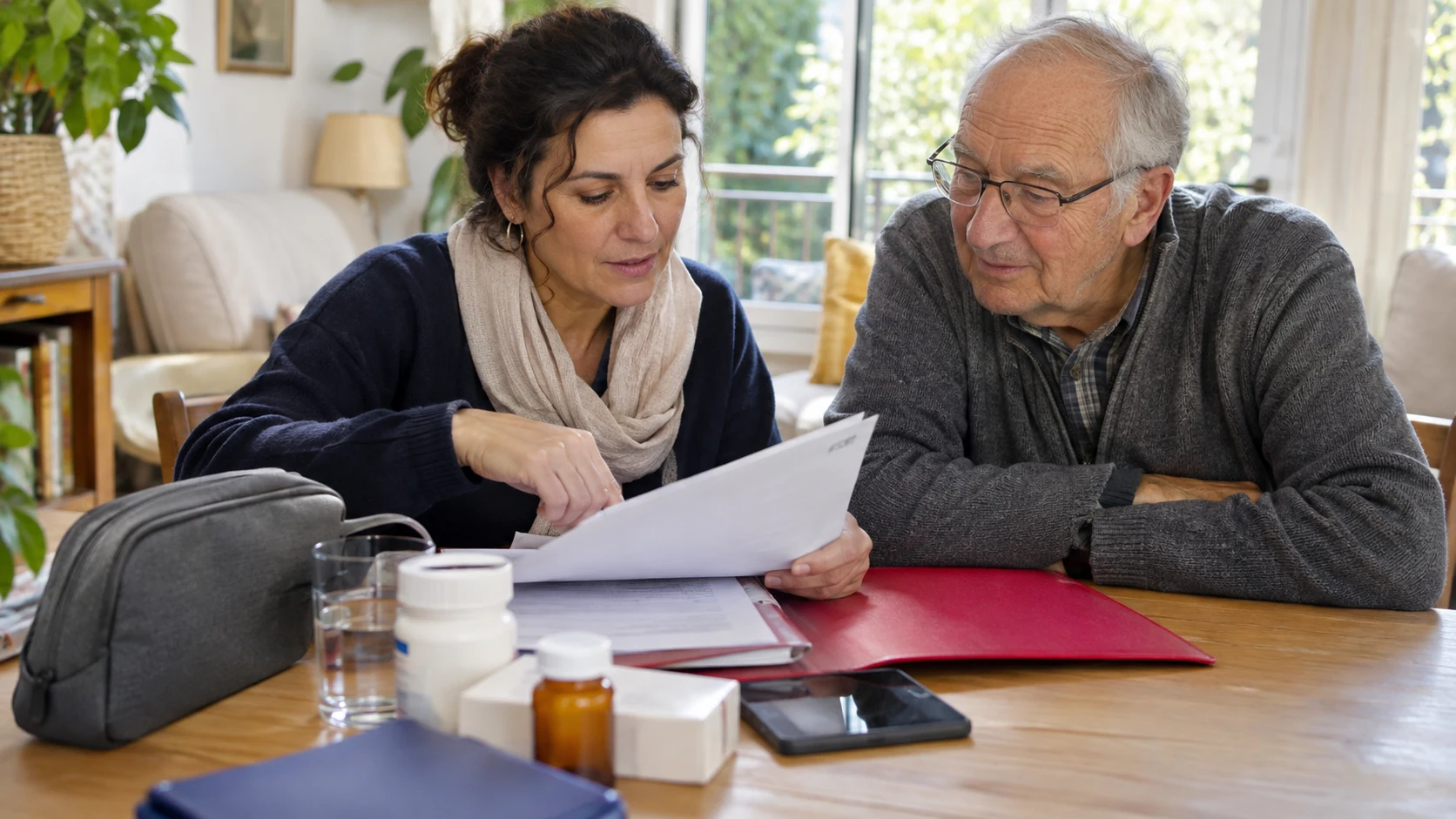
Preparing for continuity of care
Your action
With the pharmacist or professional concerned, clarify access to treatments and storage or power requirements.
To complete this step
Personal contact information and instructions are noted; an ordinary battery is not presumed to be compatible with a medical device.
Read the article: Day 22: Preparing for continuity of care and treatment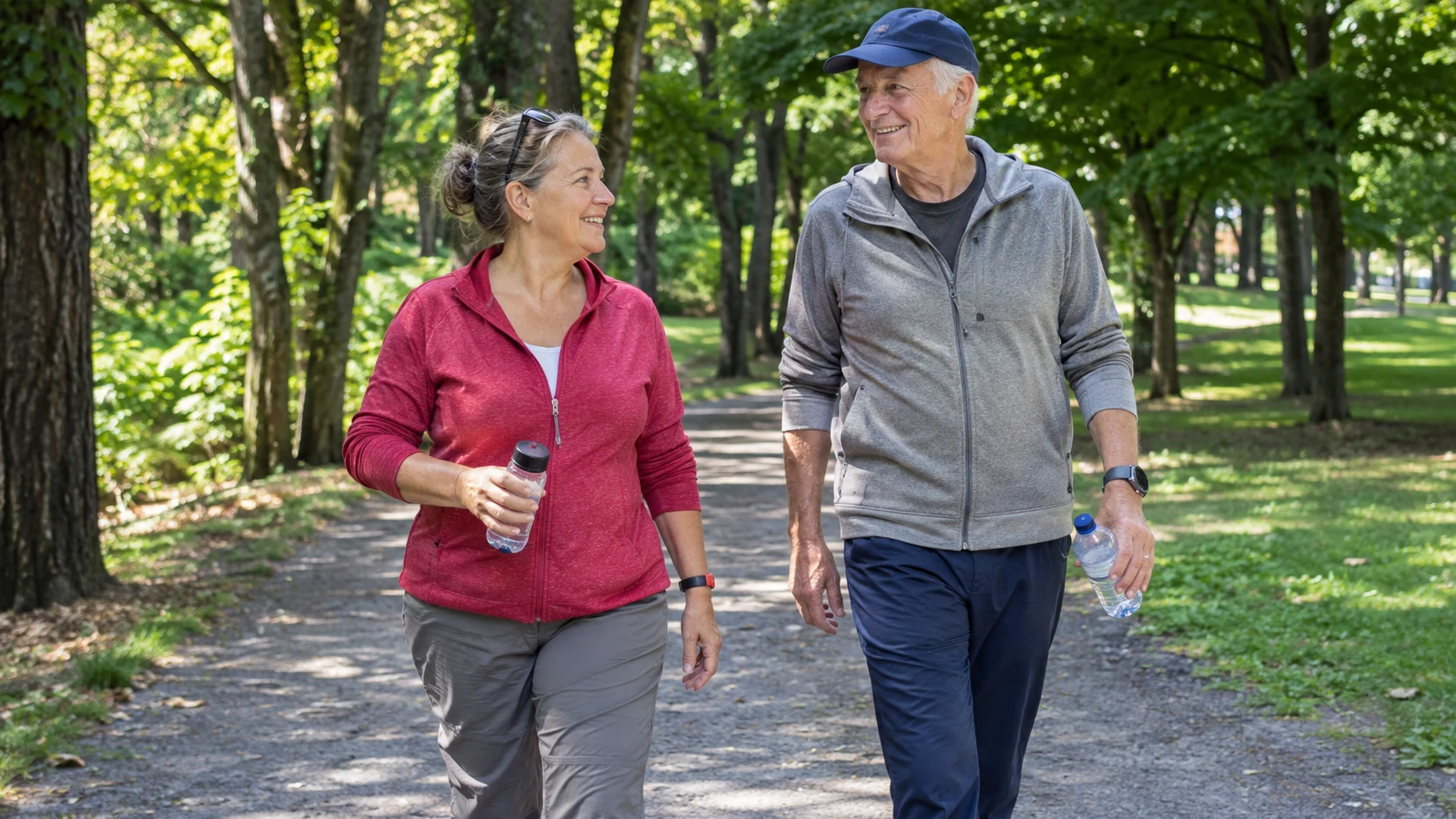
Day 23 To do
Adapting effort to capabilities
Your action
Evaluate an ordinary ride or port and adapt your plan to the real mobility and endurance of each.
To complete this step
Breaks and aids are planned; no risky physical tests are organised.
Read the article : Day 23 : adapting your preparation to your physical abilities
Day 24 To do
Preventing confrontations
Your action
Find places to ask for help and choose a way to leave a tense situation without making it worse.
To complete this step
Help contacts are accessible; no one is responsible for confronting an unknown person.
Read article: Day 24: Preventing confrontations and asking for help
Day 25 To do
Check the home
Your action
Take a preventive visit: exits, alarms, storage and access to resources. Confer technical problems to a qualified person.
To complete this step
Outputs are free; anomalies are recorded with a follow-up action.
Read article: Day 25: Checking Home Security and Resources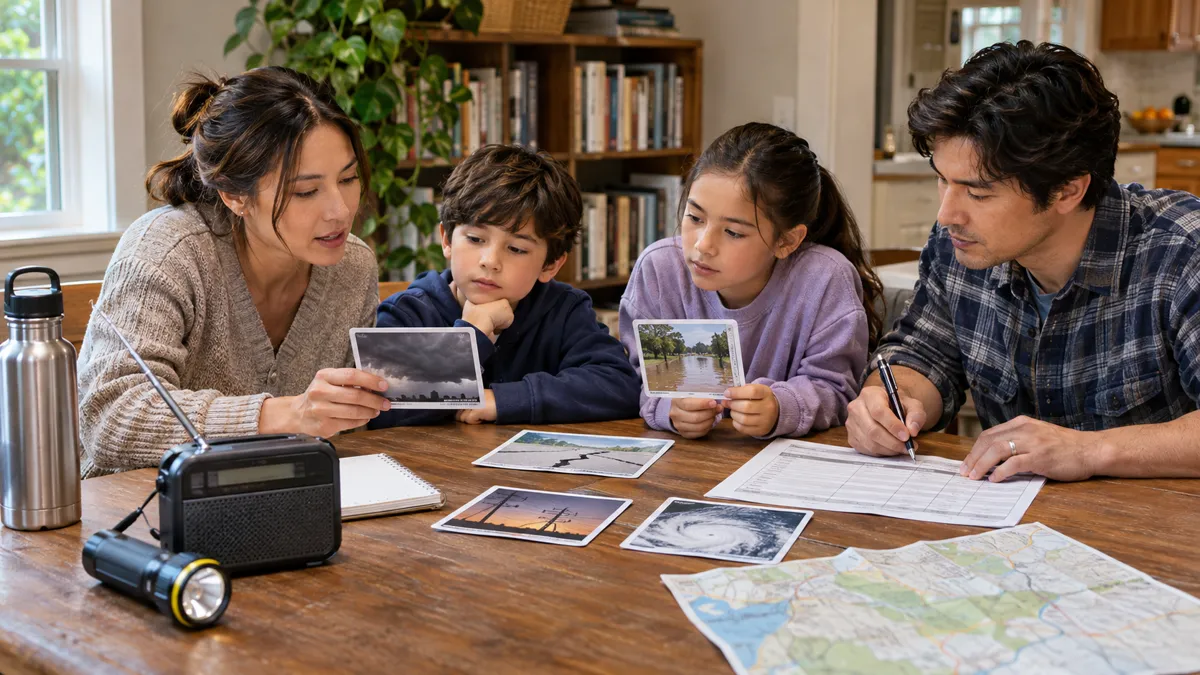
Day 26 To do
Do a simple exercise
Your action
Choose a small advertised exercise, without jeopardizing, and observe a difficulty to correct.
To complete this step
The objective is clear; a concrete improvement is noted after the exercise.
Read article: Day 26: Practice in emergencies with simple goals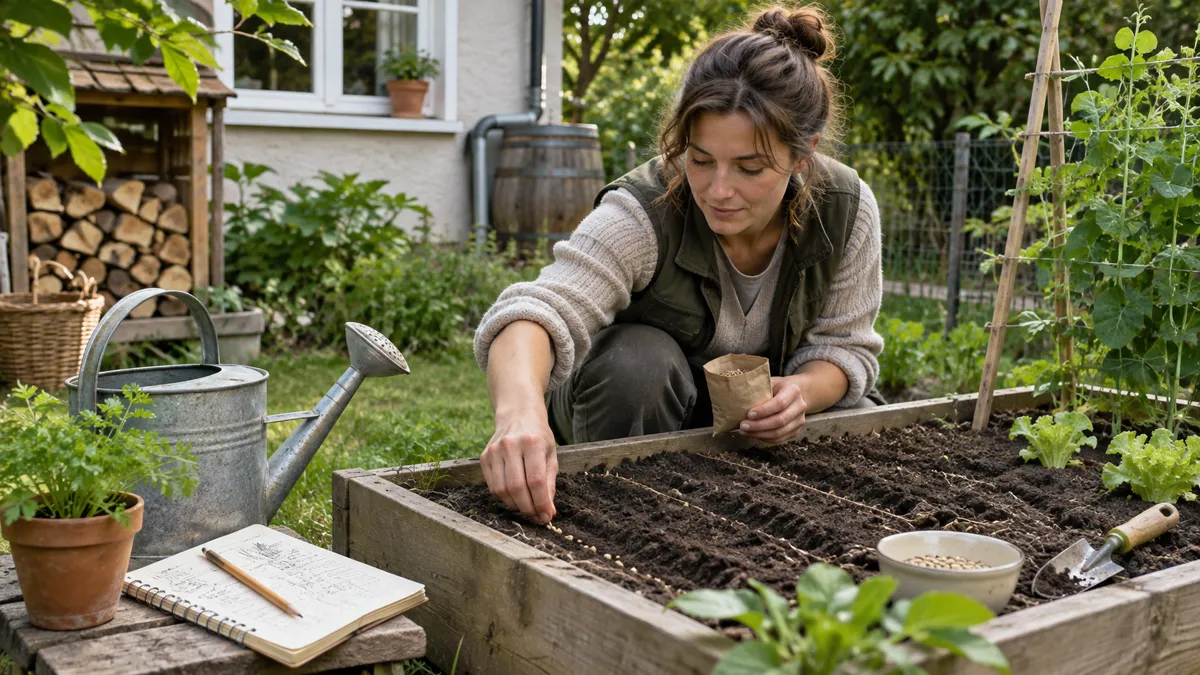
Day 27 To do
Start a realistic garden
Your action
Evaluate the light, space, time and rules of the place before choosing a suitable small crop.
To complete this step
Maintenance is possible; the garden completes the feeding without replacing the reserves.
Read the article : Day 27 : start a garden to its measure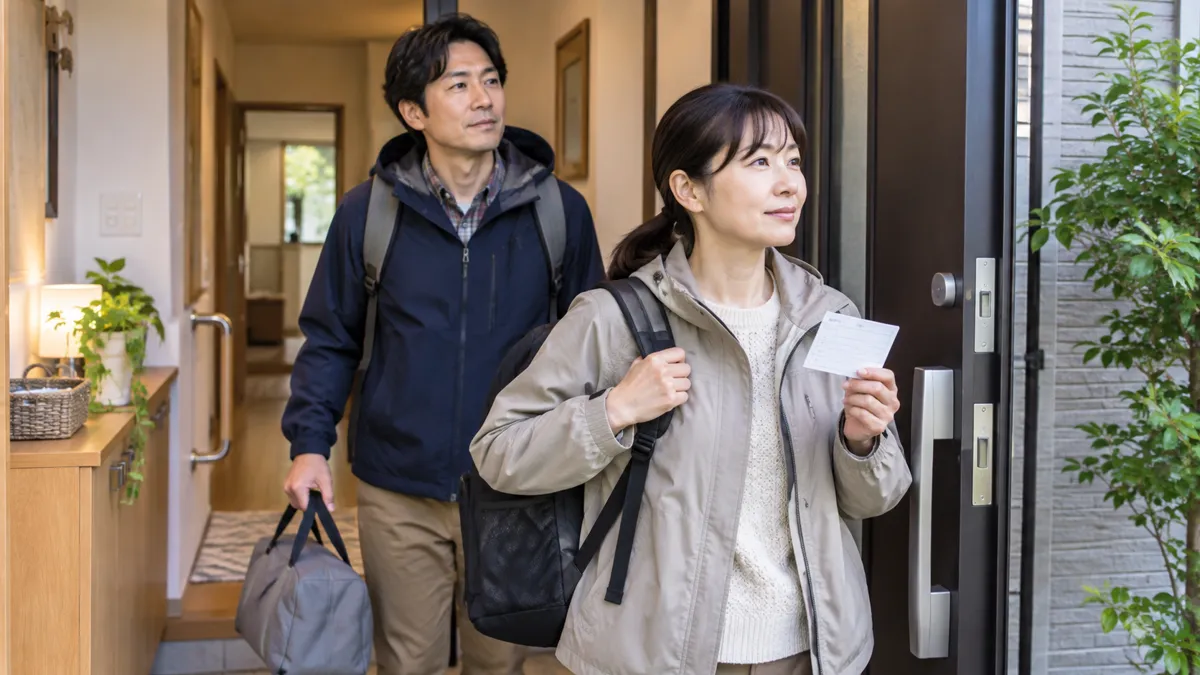
Day 28 To do
Repeat departure
Your action
Quietly travel your departure to an authorized place of reception, with the documents, aids and resources actually transportable.
To complete this step
The journey and reception are checked; no one leaves a safe place for a dangerous exercise.
Read article: Day 28: Preparing and Repeating an Evacuation Departure
Day 29 to 31
Maintaining the acquis

Day 29 To do
Organisation of hygiene
Your action
Prepare hand hygiene, sanitary needs and cleaning with suitable products and instructions.
To complete this step
Products are not mixed; menstrual needs and incontinence are taken into account if necessary.
Read article : Day 29: hygiene and cleaning, choosing safe methods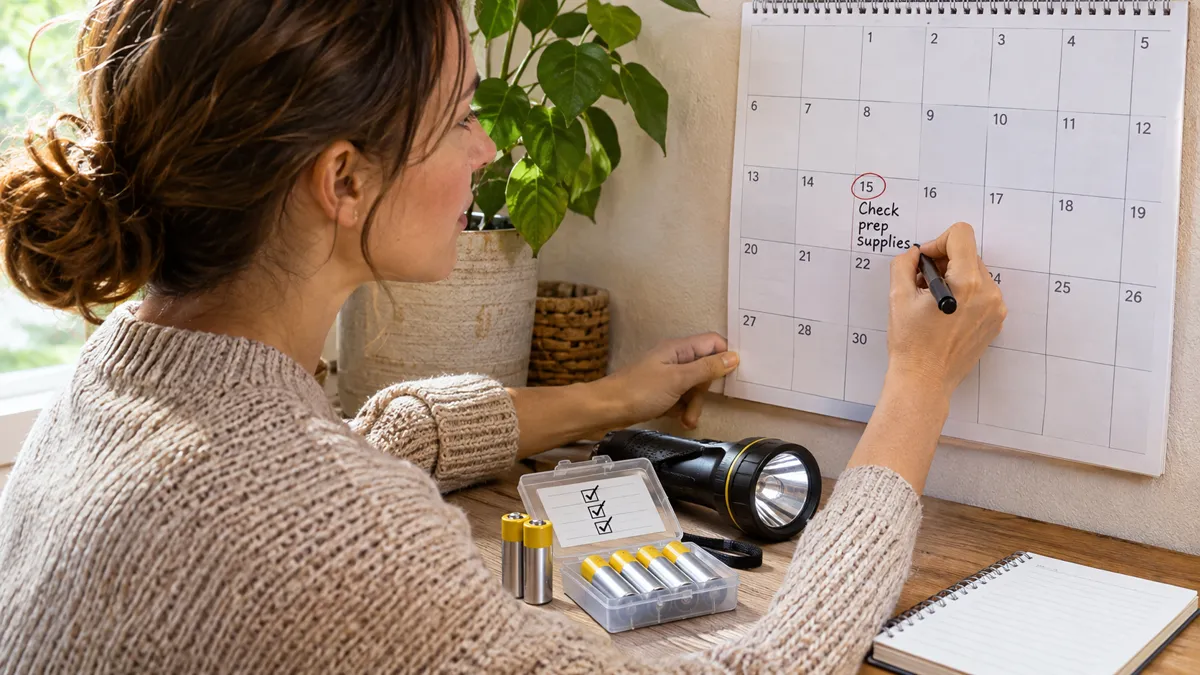
Day 30 To do
Set future audits
Your action
Choose recalls for water, food, batteries, contacts and situation changes.
To complete this step
The schedule is simple; the tasks have a manager and a relay.
Read article: Day 30: Installing Preparation Habits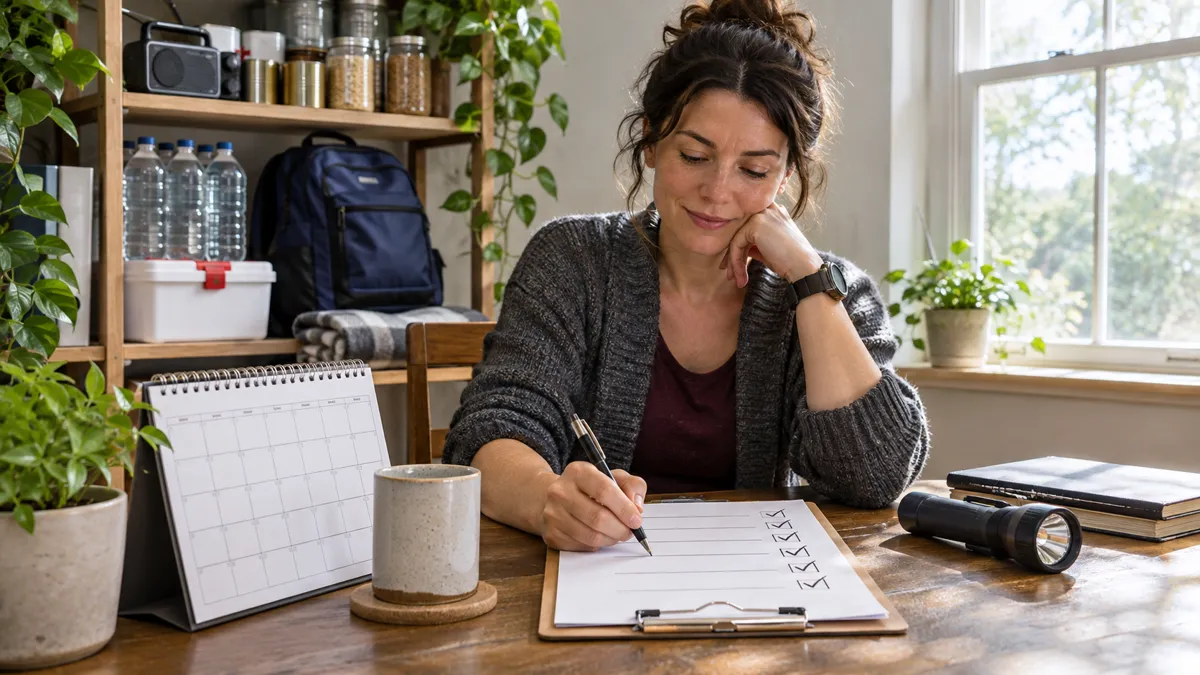
Day 31 To do
Gathering the gains
Your action
Reread the plan with the focus, identify what works and choose three priority improvements for the suite.
To complete this step
The plan is accessible; limits remain visible; a next revision is set.
Read article: Day 31: Linking the acquis in a usable plan
Take stock and prepare for the next round
To complete this course does not mean being ready for any situation. Take note of the useful actions, the still fragile points and the steps that require support. Set up a next review after a change of season, housing or situation.
Practical issues
Do I have to buy equipment at every stage?
No. Start with what you have. Associated resources can offer equipment with reported affiliate links; no purchase is required to follow this program.
Can I take another camera again?
The tracking remains in the browser used. It does not synchronize automatically. You can keep a paper list to change device.
What if one step doesn't concern my home?
Check the question and then use "Not applicable to my home". This answer is counted separately from the actions performed and can be cancelled.
What to do in a real emergency?
Interrupt the route and follow the local authorities. In case of immediate danger, contact the emergency services of your territory. These steps are used to prepare, not delay a request for assistance.