
Health · Risk index 6/9 (Quebec) · 6/9 (France)
Pandemic
A pandemic doesn’t last three days: it stretches over months, with waves, shortages, school closures and sick relatives. COVID-19 showed that household preparedness makes a real difference.
Quebec / Canada
France
If you only do three things
- 1Keep 2 weeks of supplies and your medication ahead
- 2Plan who looks after the kids and who helps vulnerable relatives
- 3Keep vaccines up to date and isolate if you are sick
Lasting collapse?
Key figures
What COVID-19 cost us.
Understanding the risk
A long crisis that comes in waves.
A pandemic is an epidemic that spreads across several continents. It can be caused by a new respiratory virus, like the 1918 flu or COVID-19, to which the population has no immunity. Authorities constantly monitor flu viruses of animal origin, such as bird flu.
Unlike a storm, a pandemic lasts months or even years. It comes in waves, with closures, absenteeism, hospital strain and occasional shortages of some products.
Severity
Severity depends on the virus: how contagious and how deadly it is, and who it affects. Older people, people in residences or care facilities and those with chronic illnesses are usually most at risk.
Indirect effects matter too: delayed care, isolation, mental health, lost income. In France, 27,000 of the 116,000 deaths counted up to September 2021 occurred in care facilities, mostly nursing homes.
In detail
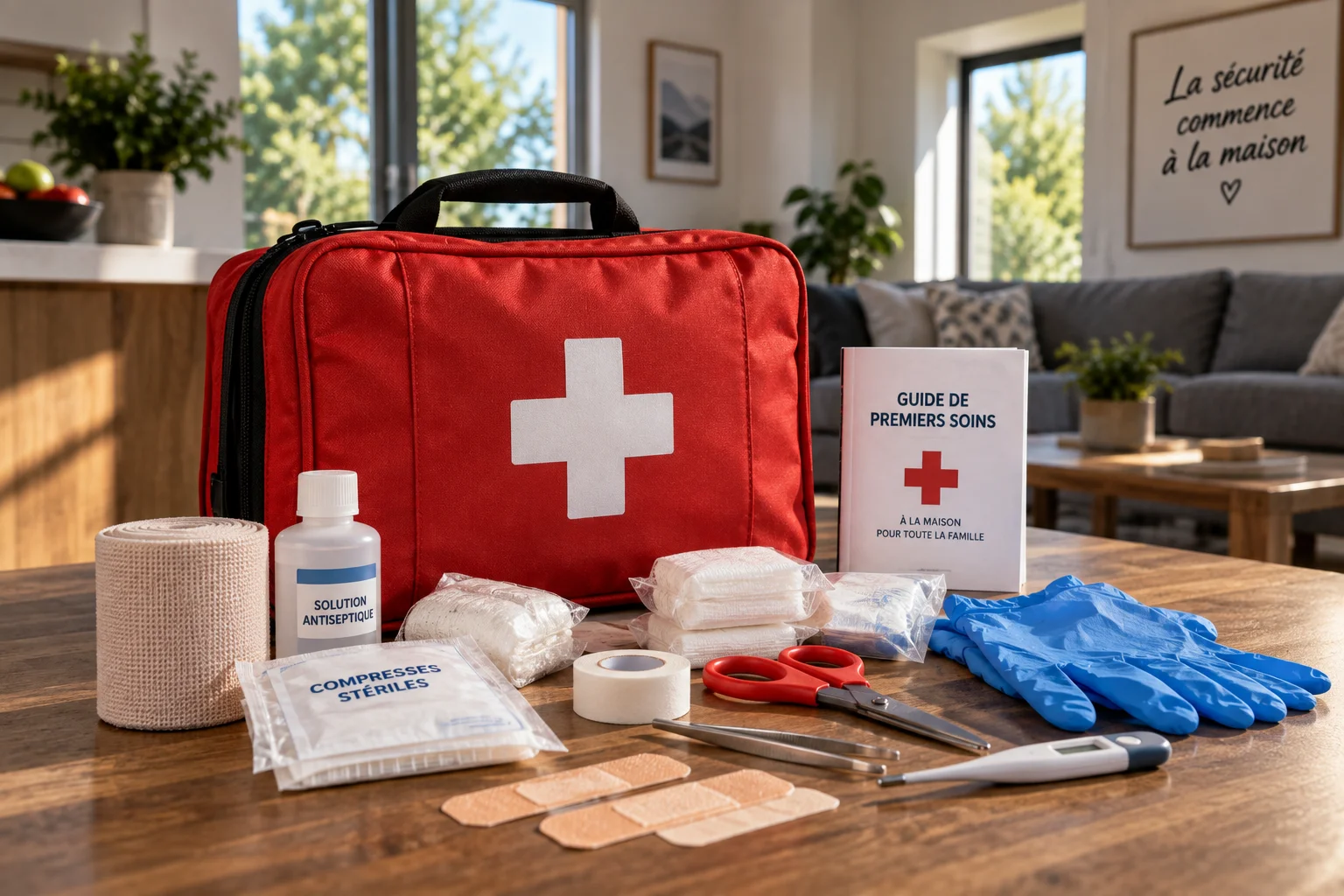
Useful supplies for 2 weeks of isolation.
| Category | Examples | Why |
|---|---|---|
| Food | Canned goods, pasta, rice, cereal, shelf-stable milk | Avoid going out if sick or isolating |
| Medication | Renewed prescriptions, fever reducers, oral rehydration solution | Pharmacies may be overwhelmed |
| Hygiene | Soap, tissues, toilet paper, cleaning products | Limit spread within the home |
| Protection | Masks, thermometer, disposable gloves | Care for a sick relative without getting infected |
| Morale and school | Books, games, school supplies | Hold out over time with kids |
Assess your exposure
Are you more exposed than average?
Tick what applies to your situation.
Get prepared
Your preparedness checklist
Tick items as you go: your progress is saved on this device.
Suggested kits and plans
Before, during, after
The right actions, before, during and after.
Before
- 2 weeks of supplies
- Medication ahead
- Vaccines up to date
- Childcare plan
- Financial cushion
During
- Follow public health guidance
- Wash hands often and ventilate
- Stay home if you are sick
- Isolate the sick person in one room
- Call before going to the ER, unless life-threatening
After
- Restock supplies
- Review what was missing
- Catch up on delayed care
- Look after your mental health
- Watch for new waves
In Quebec, Canada and France
What changes depending on where you live.
Quebec / Canada
In Quebec, Info-Santé 811 answers health questions 24/7. Guidance comes from the Ministry of Health and Social Services and INSPQ; federally, from the Public Health Agency of Canada.
- Emergency
- 911
- Health advice
- Info-Santé 811
- Psychosocial support
- Info-Social 811, option 2
- Information
- Québec.ca
France
In France, Santé publique France handles surveillance and the Ministry of Health issues guidance. 15 (SAMU) is for life-threatening emergencies.
- Life-threatening emergency
- 15 or 112
- On-call doctor
- 116 117
- Surveillance
- Santé publique France
- Information
- sante.gouv.fr
Domino effect
This risk often triggers others
Frequently asked questions
Frequently asked questions
How much should I stock?
Two weeks is a good target: the typical length of home isolation. Build it up gradually, not when the crisis hits.
Are masks useful?
For respiratory viruses, a well-fitted mask reduces transmission, especially when caring for a sick relative. Follow current public health advice.
Should I stock up on medication?
Keep a small lead on your usual medication, agreed with your doctor or pharmacist. Don’t hoard beyond that: it causes shortages.
When should I go to hospital?
Call 911 or 15 for trouble breathing, chest pain or confusion. Otherwise, call Info-Santé 811 or your doctor first.
Sources
Sources
Data checked on November 18, 2026. Figures come from the organizations cited; consult them for updates.
- INSPQ, COVID-19 caused significant excess mortality in 2020 (French)
- CTV News Montreal, About one in 750 Quebecers has died from COVID-19
- Insee (Drees), In four waves, COVID-19 caused 116,000 deaths (French)
- Allodocteurs, France passes 160,000 COVID deaths (French)
This page provides general preparedness information. It does not replace instructions from the authorities: in an emergency, call 911 in Canada or 112 in France. This fiche does not replace medical advice. For any question about your health, vaccines or medication, consult a health professional.
Start with the basics.
Our free “Be Prepared” guide: 72-hour kit, family plan and your own risk assessment.
Pandemic
Index Quebec/Canada 6/9 · France 6/9
If you only do three things
- Keep 2 weeks of supplies and your medication ahead
- Plan who looks after the kids and who helps vulnerable relatives
- Keep vaccines up to date and isolate if you are sick
During
- Follow public health guidance
- Wash hands often and ventilate
- Stay home if you are sick
- Isolate the sick person in one room
- Call before going to the ER, unless life-threatening
After
- Restock supplies
- Review what was missing
- Catch up on delayed care
- Look after your mental health
- Watch for new waves
Emergency numbers: 911 (Canada) · 112 (France)
prepacivile.com/en/risks/pandemic/