
In this article
Coffee is not a nutritional necessity, but in a long crisis many households would rather not do without it, and forced withdrawal does not help anyone keep a clear head. Good news: coffee is fairly easy to store. Here is how long each form of coffee keeps its qualities, and six ways to store it for a long-term supply.
At a glance
- Coffee rarely spoils, but it quickly loses its aroma: the main enemy is oxygen, followed by moisture, heat and light.
- For the long term: green beans or instant coffee, in an airtight container, ideally oxygen-free.
- Opened ground coffee keeps the least well: buy small packages and rotate.
Storage benchmark: the long shelf lives given for some dry foods are planning estimates, not safety guarantees for home packaging. The product must be suitable, dry enough and properly packed. Oxygen absorbers do not dry food and do not kill all bacteria; mouldy, damp or suspect food should be thrown out. Rotate your supplies and follow the manufacturer's instructions.
Does coffee go bad?
Yes, but slowly. Like other seeds, coffee contains natural oils that oxidize in air and eventually turn rancid. Even without oxygen, some compounds produced during roasting keep changing.
It generally takes a very long time for coffee to go rancid; that is why coffee past its date can usually be drunk safely. But well before it turns rancid, it loses its taste and aroma: after roasting, the beans release gases ("degassing"), and the aromas go with them. This stale coffee is still drinkable, just less enjoyable. Damp or mouldy coffee, however, must be thrown out.
How long each form of coffee keeps
Some forms of coffee naturally keep much longer than others. In every case, go first by the roaster's or manufacturer's date and instructions.
| Form | Stability | Weak point | For your supply |
|---|---|---|---|
| Ground coffee | Lowest | Large surface exposed to air | Small packages, quick rotation |
| Whole roasted beans | Better than ground | Oils degrade after roasting | Rotation over a few months |
| Instant coffee | Very good if kept dry | Absorbs moisture once opened | Excellent choice, airtight packaging |
| Green (unroasted) beans | Best | Need home roasting | Ideal for very long-term storage |
Ground coffee
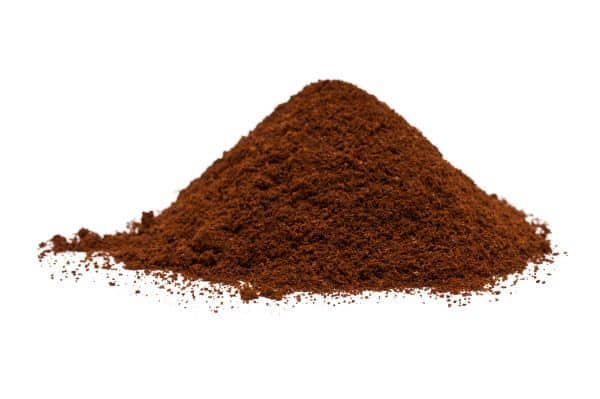
Grinding multiplies the surface of coffee exposed to air: degassing and oxidation happen much faster. An opened package loses most of its aroma within a few weeks to a few months. Ground coffee usually remains drinkable long after its date, but with little flavour. For a supply, choose sizes you will finish quickly once opened.
Whole roasted beans
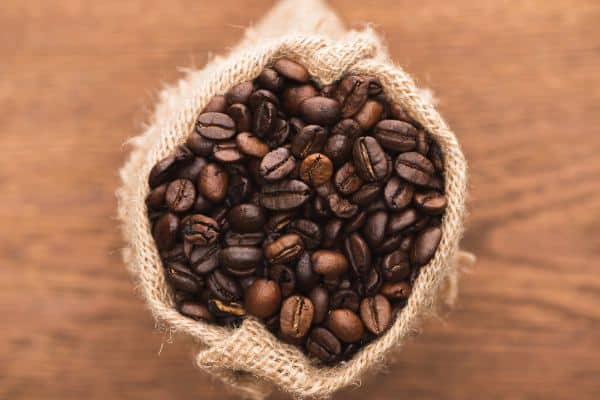
Whole beans keep much longer than ground coffee, especially in their original sealed bag. But roasting, through heat, triggers reactions that eventually break down the natural oils: like ground coffee, roasted beans eventually go stale. Grind them just before use, with a manual grinder if you are planning for a power outage.
Instant coffee
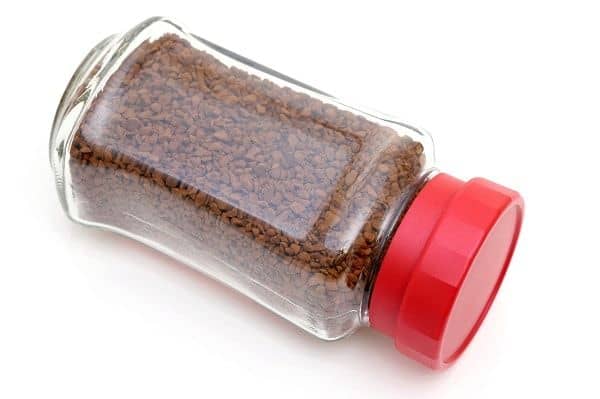
Instant coffee is made by freeze-drying or spray-drying. The process removes almost all moisture and produces a very stable product: unopened, it can keep for years. Once opened, its main risk is moisture: it absorbs humidity from the air, clumps and can spoil, especially during a Quebec summer. Keep it in its original packaging, tightly closed, or transfer it to an airtight container, ideally on a dry day.
Green coffee beans
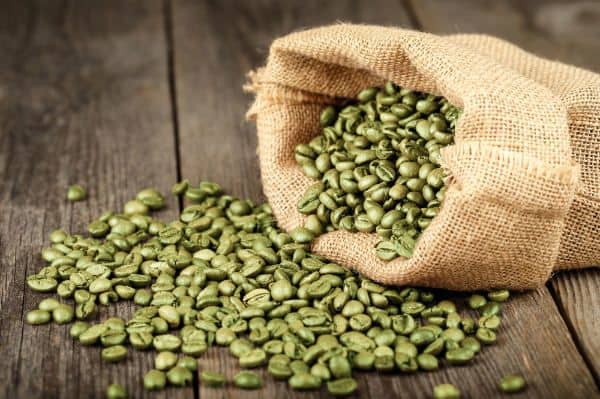
Green beans have not been roasted: their oils are much more stable, making them the best option for very long storage. You will, however, have to roast them yourself (pan, oven or small roaster) before grinding. Store them like dry beans: in a food-grade container, ideally oxygen-free, away from heat and light.
Six ways to store coffee for the long term
To keep coffee a long time, protect it from oxygen, light, moisture and heat.
Option 1: the freezer
Coffee contains very little water and keeps well in the freezer. Its real flaw: it absorbs odours. Next to leftover steak, your coffee may pick up the taste. Use gas-tight bags, such as the metallized bags some coffee is sold in, which can go straight into the freezer. Take out only the portion you need and let it come to room temperature before opening the bag, or condensation will dampen it. And as with anything in the freezer, a prolonged outage puts the supply at risk.
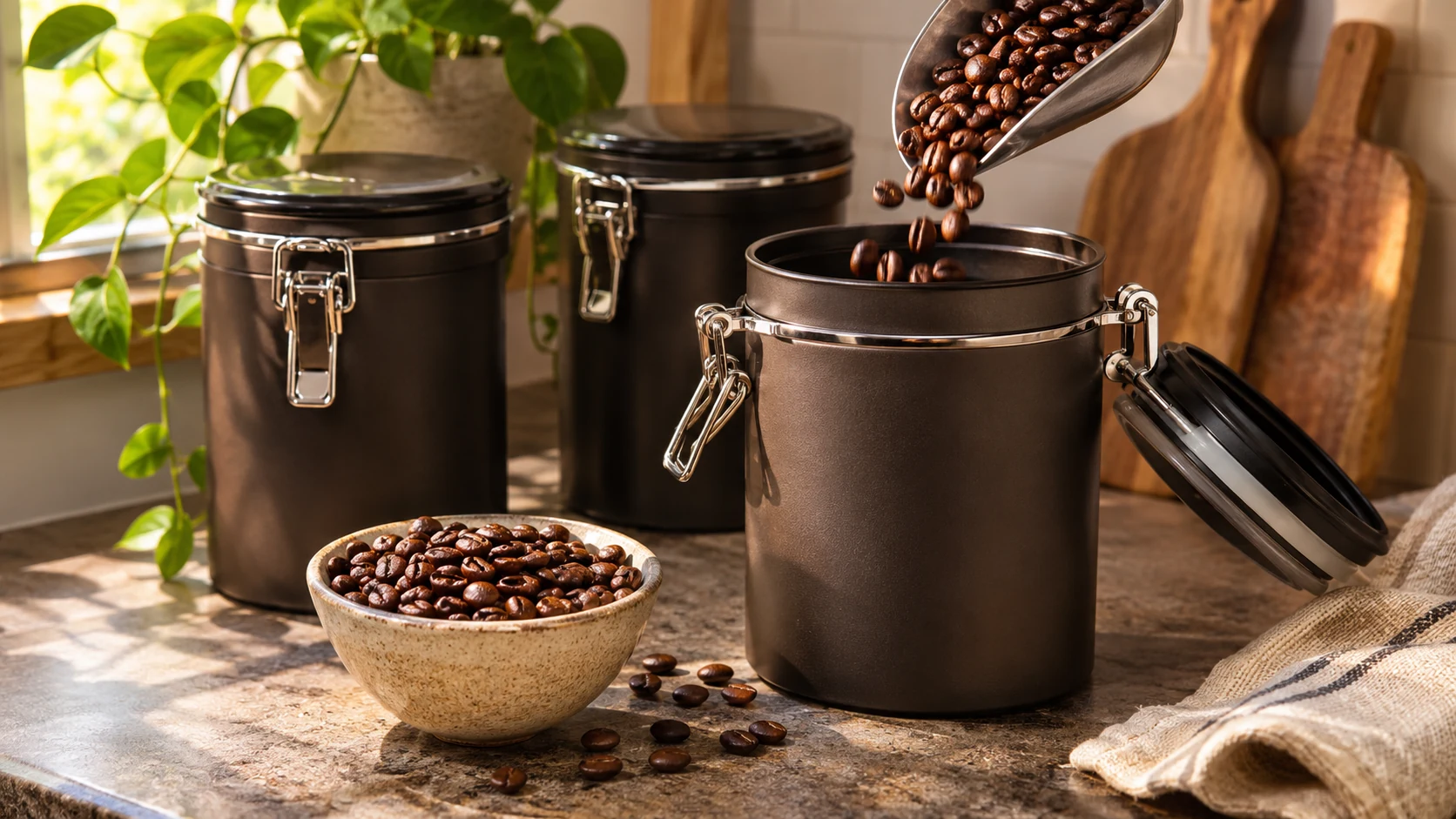
Option 2: airtight containers
Once a bag is opened, transfer the coffee to an airtight, opaque container. It is not ideal, since there is still oxygen in the container, but it clearly slows oxidation and degassing. For large quantities of beans, food-grade buckets with airtight screw-on lids (Gamma Seal type) are practical.
Option 3: vacuum sealing
Many quality coffees are sold vacuum-packed. At home, you can also vacuum-seal loose beans or an opened package. A vacuum only removes the air around the beans, not the air inside them, and household bags are slightly permeable: the aromas eventually escape. It is better than an open bag, but the coffee will be stale after a few years.
Option 4: nitrogen-flushed coffee
Some roasters replace the oxygen in the bag with nitrogen right after roasting, when the coffee is freshest. Because the beans keep releasing carbon dioxide, these bags have a one-way valve that lets gas out without letting air in. Vacuum-packed coffee, by contrast, is generally packed after degassing: no valve, but slightly less fresh coffee to start with. By choosing nitrogen-flushed coffee (look for the little valve on the bag), you start with a fresher product that keeps longer.
Option 5: oxygen absorbers
Oxygen absorbers are small packets of iron powder that capture oxygen. Placed in an airtight container with the coffee, they remove almost all the oxygen and slow oxidation. The coffee must be thoroughly dry. See our guide to oxygen absorbers.
Option 6: Mylar bags with oxygen absorbers
This is the most protective solution for the long term: a heat-sealed metallized bag with an absorber blocks oxygen, light and moisture. It is best suited to green beans and instant coffee. No home packaging is guaranteed to last several decades: use small portions that you open one at a time, and inspect them. See the guide to Mylar bags.
| Method | Protection | Best for | Limitation |
|---|---|---|---|
| Freezer | Good | Beans, ground in sealed bags | Odours, condensation, power outage |
| Airtight container | Medium | Opened packages | Oxygen remains |
| Vacuum sealed | Good | Beans, ground | Bags slightly permeable |
| Nitrogen-flushed | Good at the start | Store-bought coffee | Lost once opened |
| Oxygen absorbers | Very good | All dry forms | Replace at each opening |
| Mylar bag + absorber | Best | Green beans, instant | Heat sealing, portions cannot be resealed |
Frequently asked questions
Can you drink coffee past its date?
Generally yes, if it is dry, with no mould or rancid smell: it will simply have lost some of its flavour. Coffee that is damp, clumped with spots or smells musty should be thrown out.
How do you make coffee without electricity?
Instant coffee only needs hot water. For beans, plan a manual grinder and a method that needs no electricity: French press, pour-over cone or stovetop espresso maker on a stove used outdoors or in a well-ventilated place. Include the water and fuel in your supply calculation.
Which form of coffee is best for an emergency kit?
Single-serve instant coffee packets: light, stable as long as they stay dry and simple to prepare. Keep beans and ground coffee for the home supply, in rotation.
To place coffee within your overall supply, see food stock rotation and foods that do not require refrigeration.
Sources and verification references
Local instructions and product instructions take precedence for your situation. References consulted for this update:
Equipment to compare for your needs
Some links below are affiliate links: we may receive a commission at no additional cost to you. Products are examples by function, to choose according to your needs; buying the entire selection is unnecessary.