
Long-term rice storage: methods, containers and common mistakes
White rice is one of the best staples for an emergency food supply: it is calorie-dense, inexpensive, versatile in cooking, and exceptionally stable over.
Read the article →
Topic guide
Compose an eatable, balanced and integrated reserve on a daily basis.
Preparing with method
A good food reserve consists of foods that the home already consumes. Rotation, medical needs and a preparation without electricity must guide choices.
Calculate realistic meals and consider allergies and diets.
Gradually add stable foods and a manual can opener.
Sort by date and make the oldest products accessible.
Consume and replace reserves before maturity; check storage conditions.
Readings to deepen this theme and prepare your next actions.
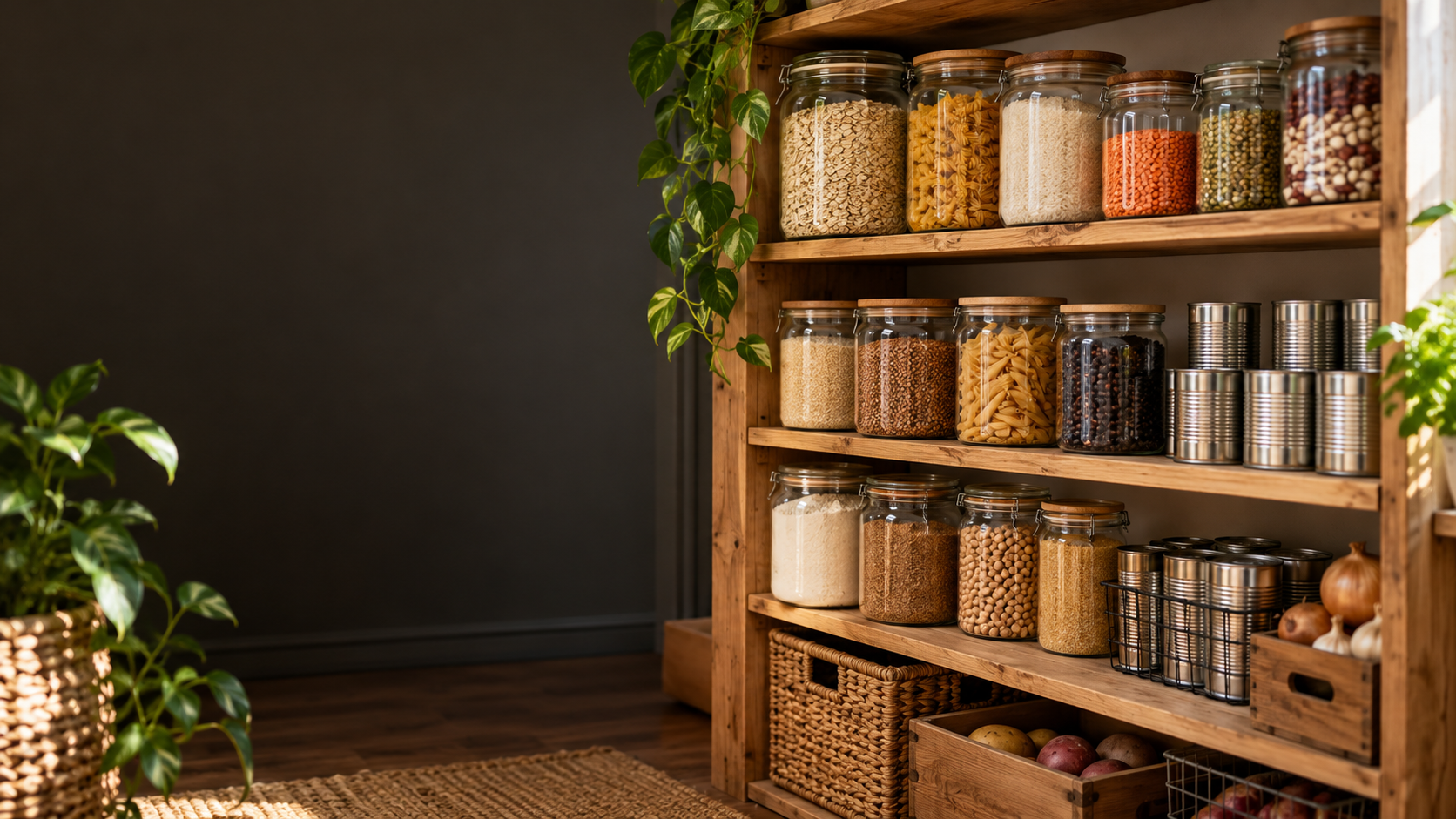
White rice is one of the best staples for an emergency food supply: it is calorie-dense, inexpensive, versatile in cooking, and exceptionally stable over.
Read the article →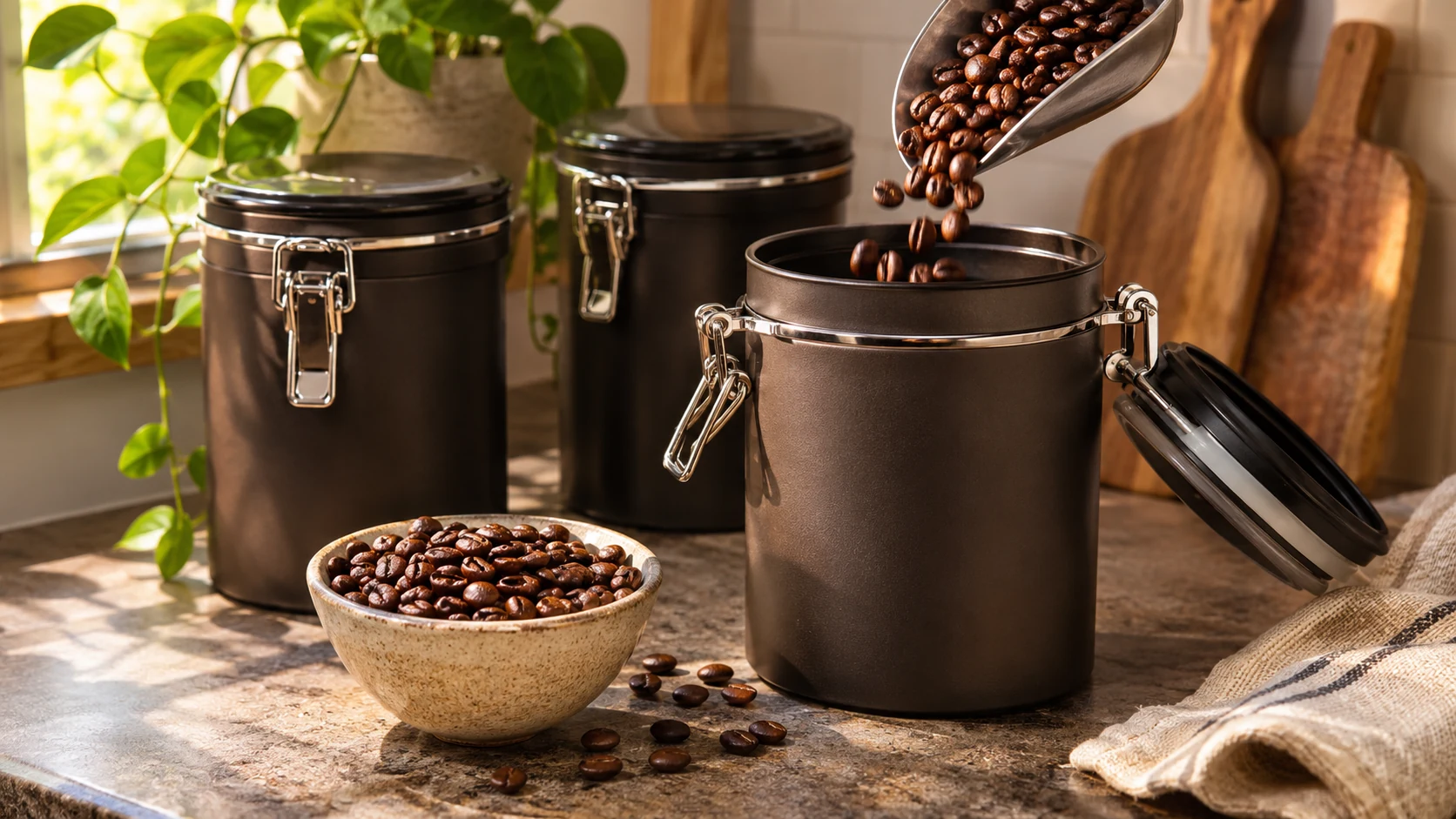
Coffee is not a dietary necessity, but if a large-scale disaster were to occur, I wouldn’t want to go without it (and my family certainly wouldn’t want me.
Read the article →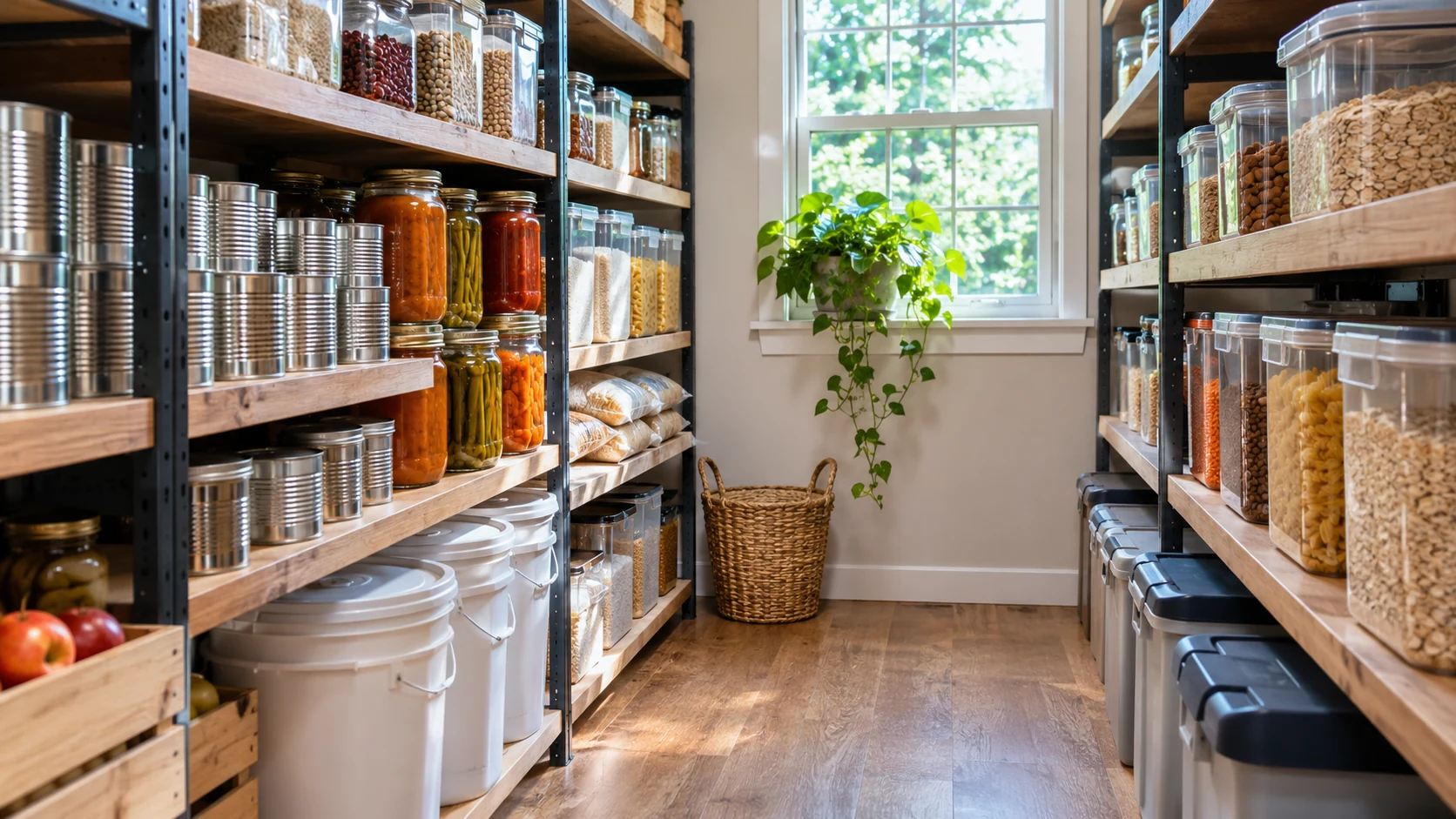
Building an emergency food supply is a good start, but storing it under the right conditions is essential.
Read the article →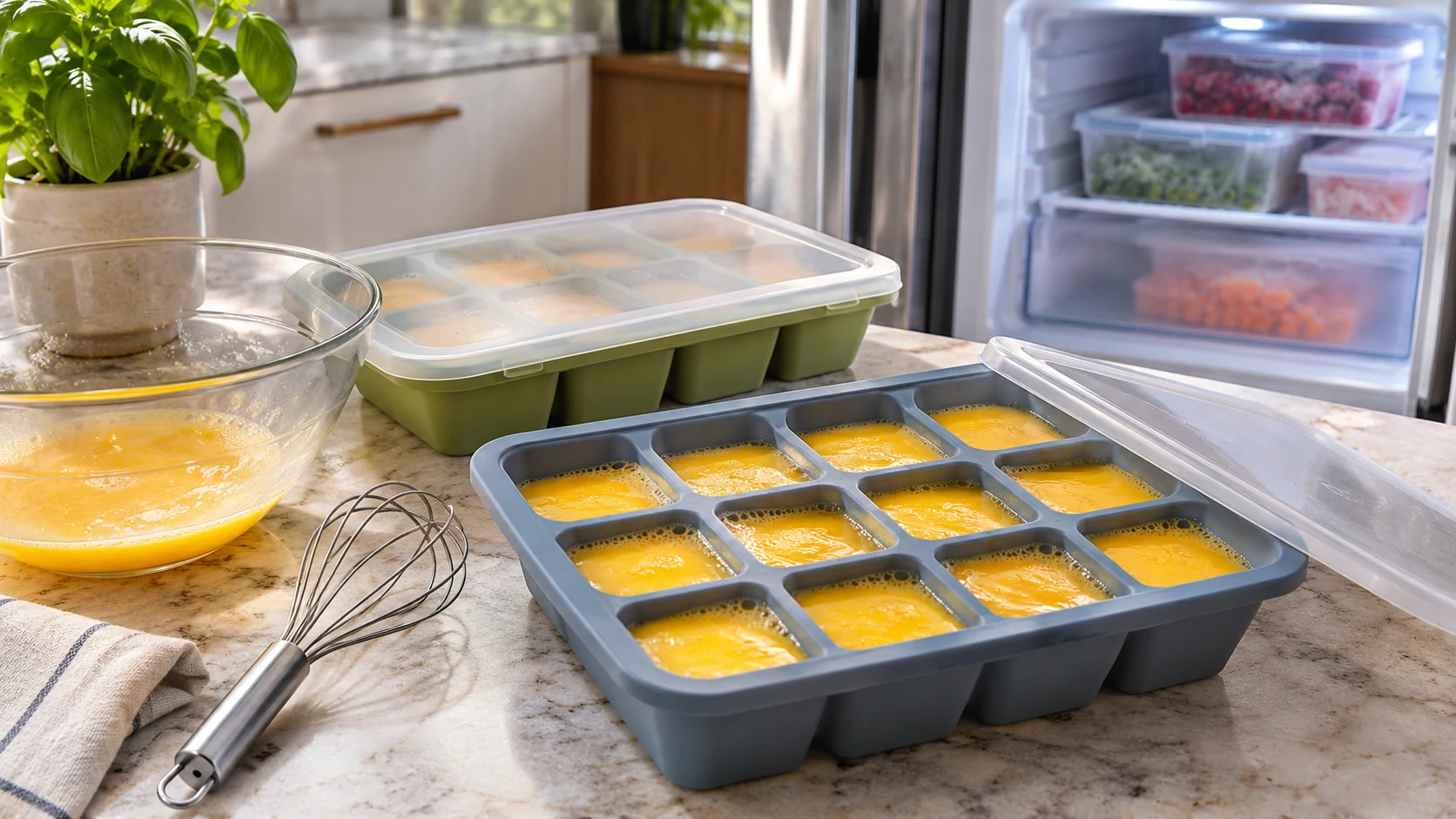
Freezing eggs is one of the simplest and most accessible preservation methods for households looking to build a food reserve without relying on powdered eggs.
Read the article →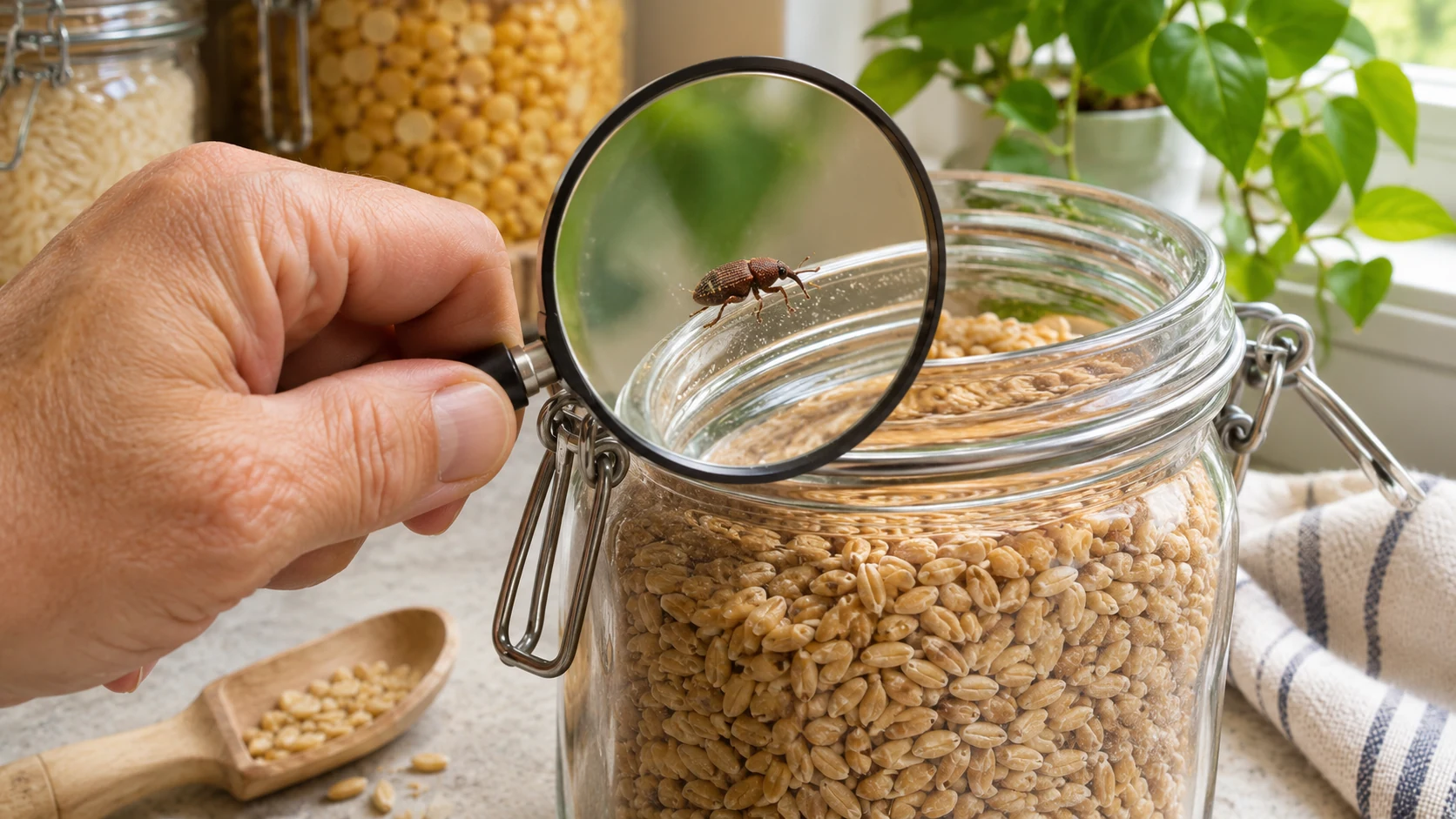
Opening a container of rice or flour only to discover small, slow-moving brown insects is an unpleasant experience—but it is far more common than you.
Read the article →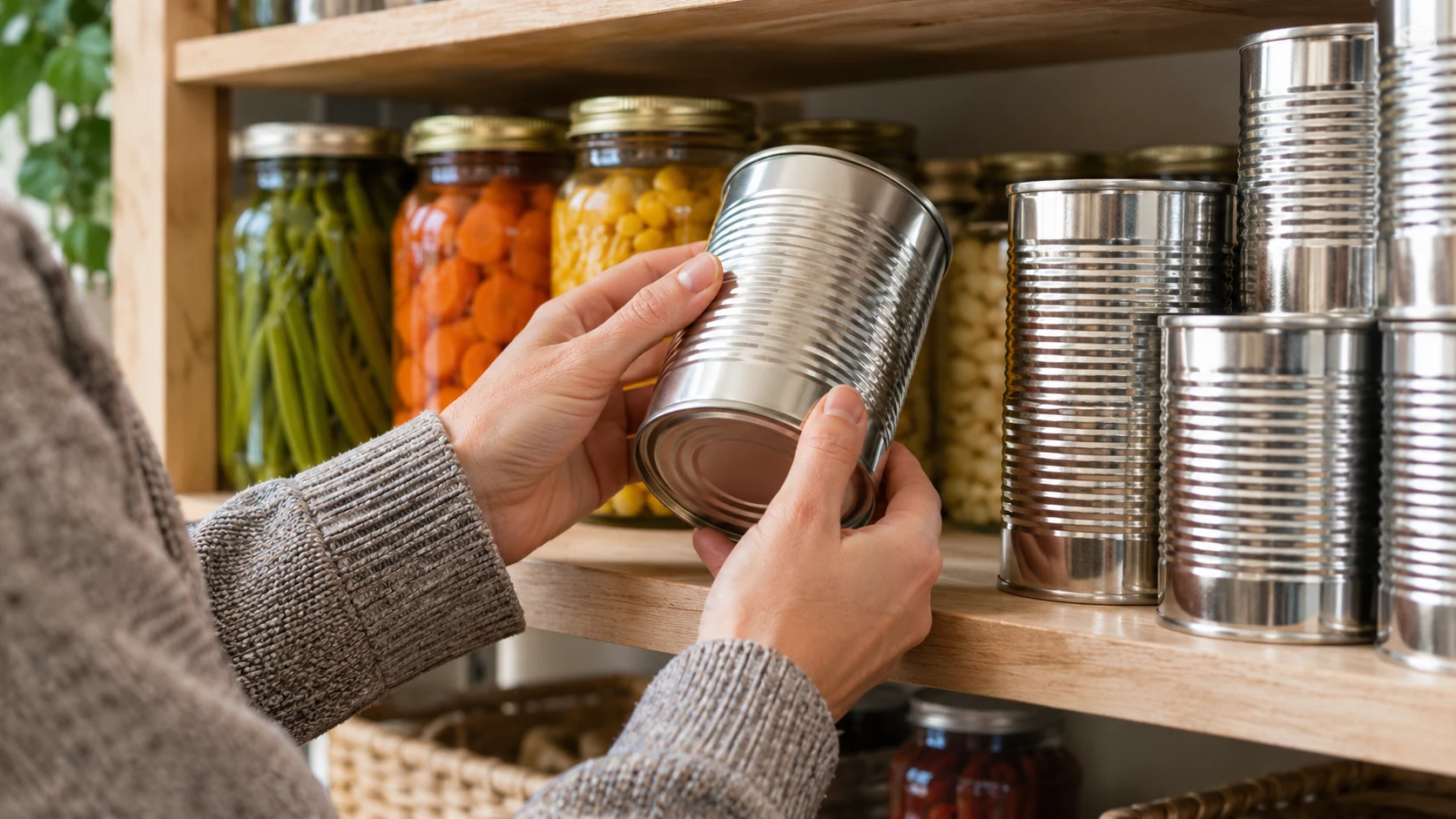
The date printed on a can is often interpreted as a safety limit.
Read the article →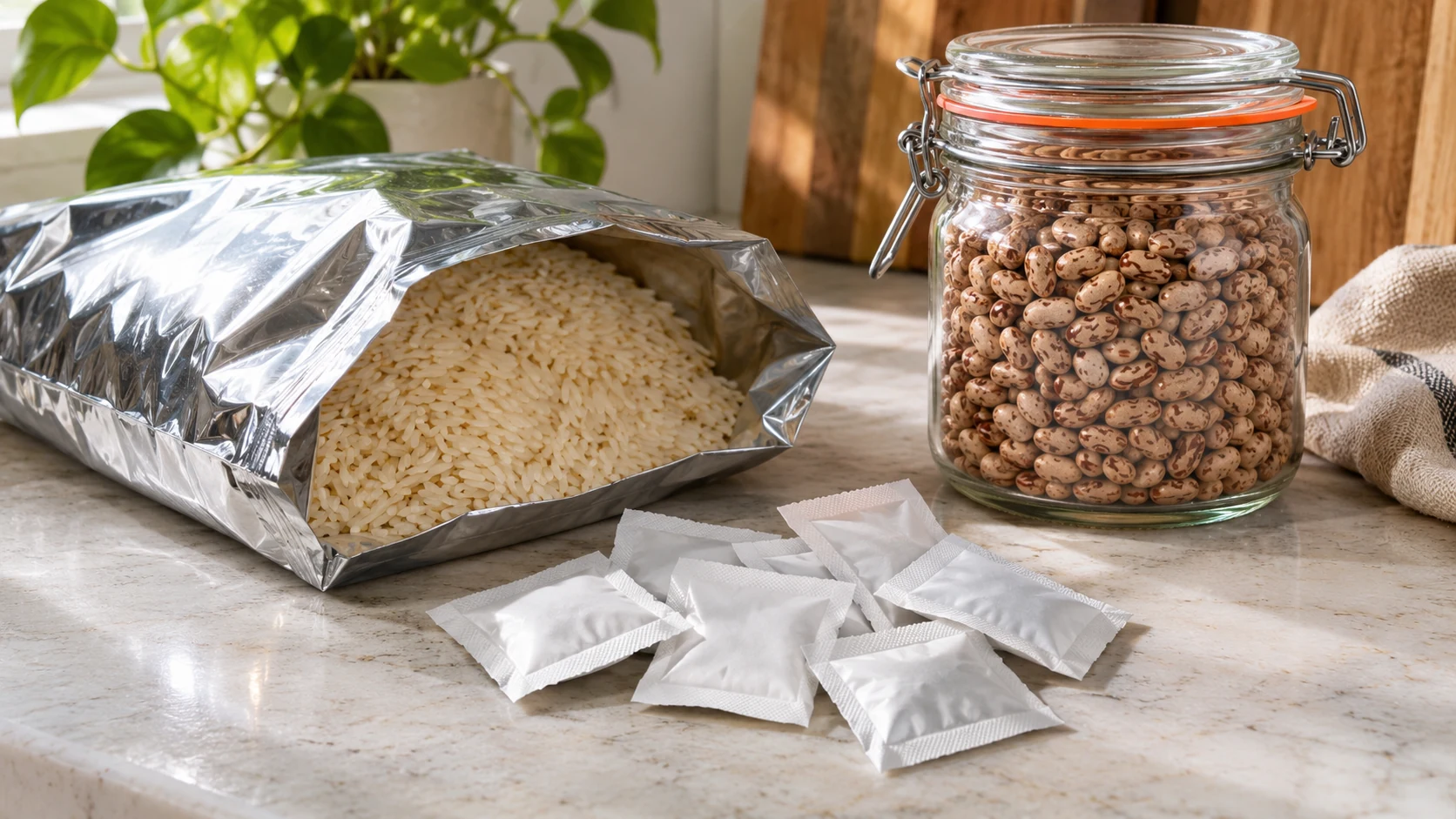
Even non-perishable dry foods, such as beans and rice, gradually degrade when exposed to oxygen.
Read the article →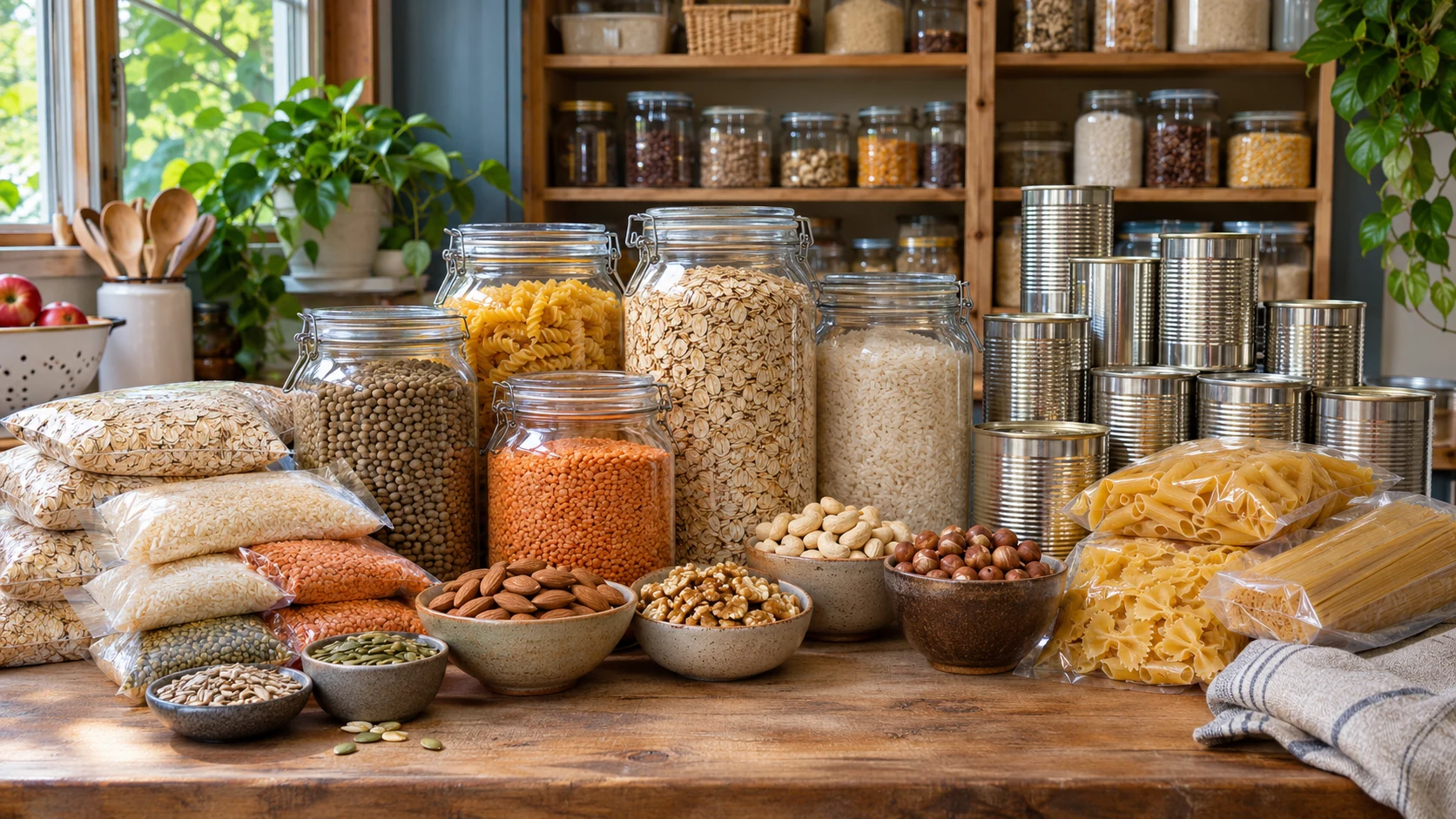
Building an emergency food supply does not require specialized products or a large budget.
Read the article →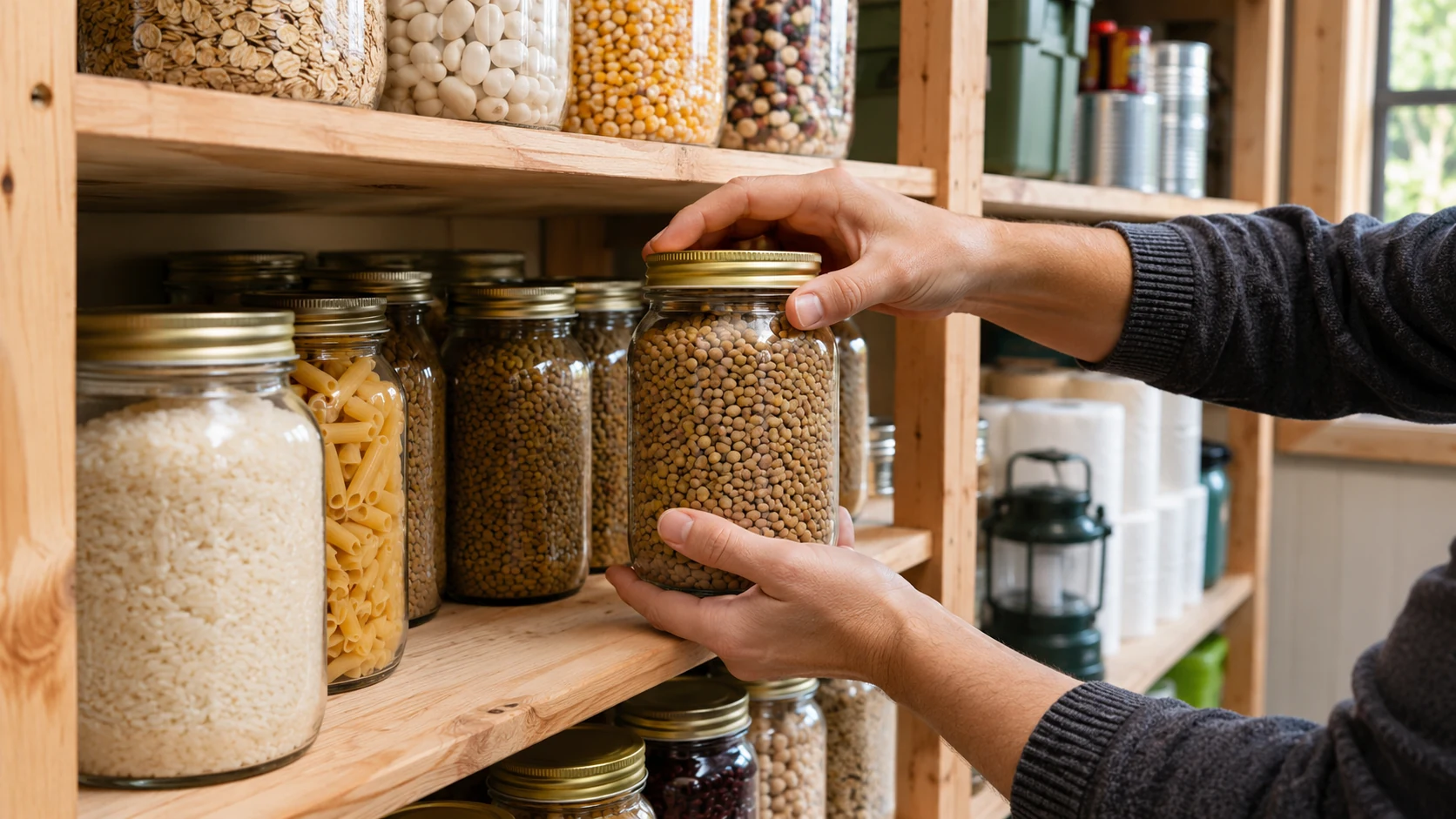
Building a food reserve is one thing—maintaining it is another.
Read the article →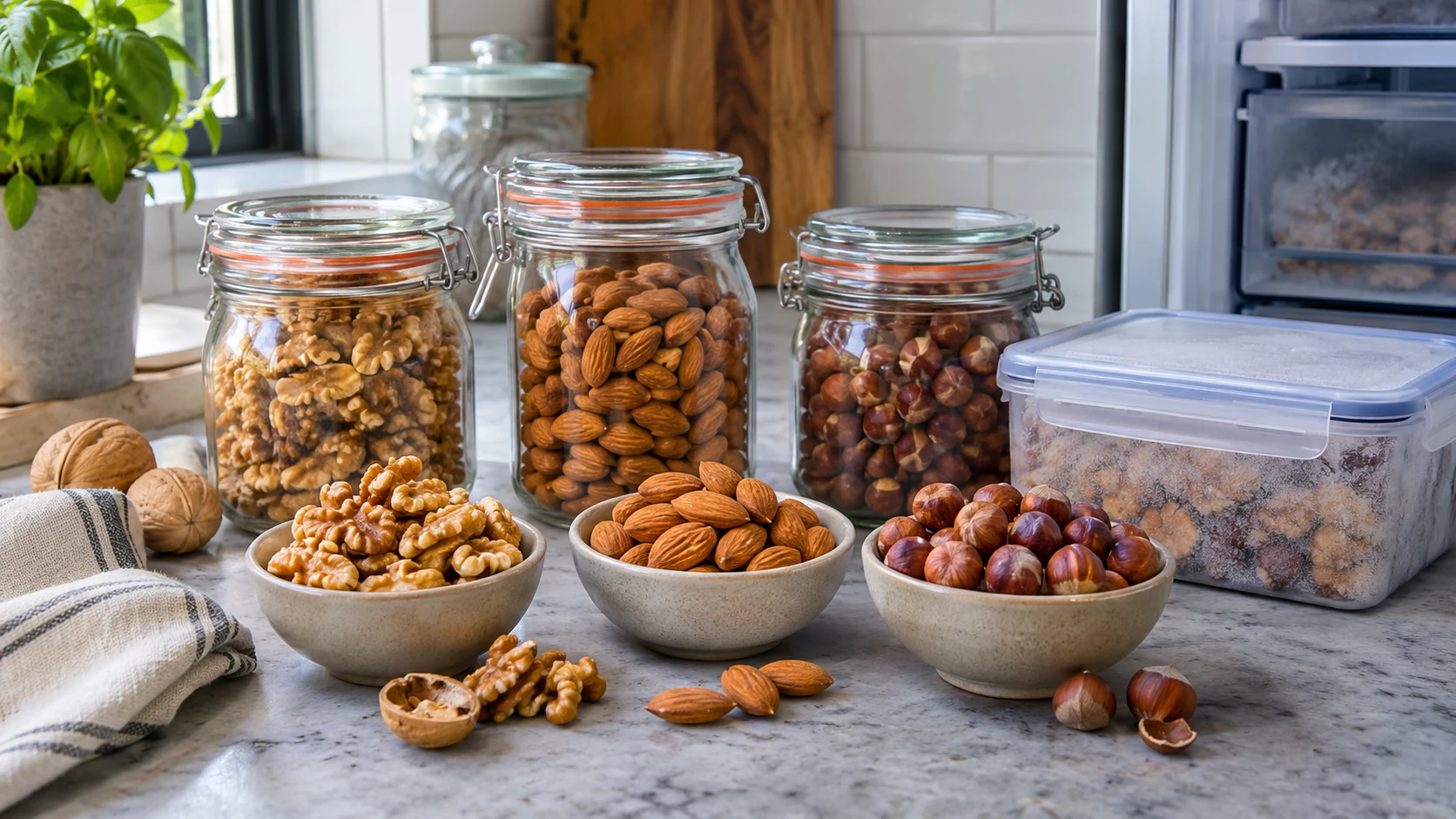
Nuts are a nutritious and versatile food that many families keep in large quantities.
Read the article →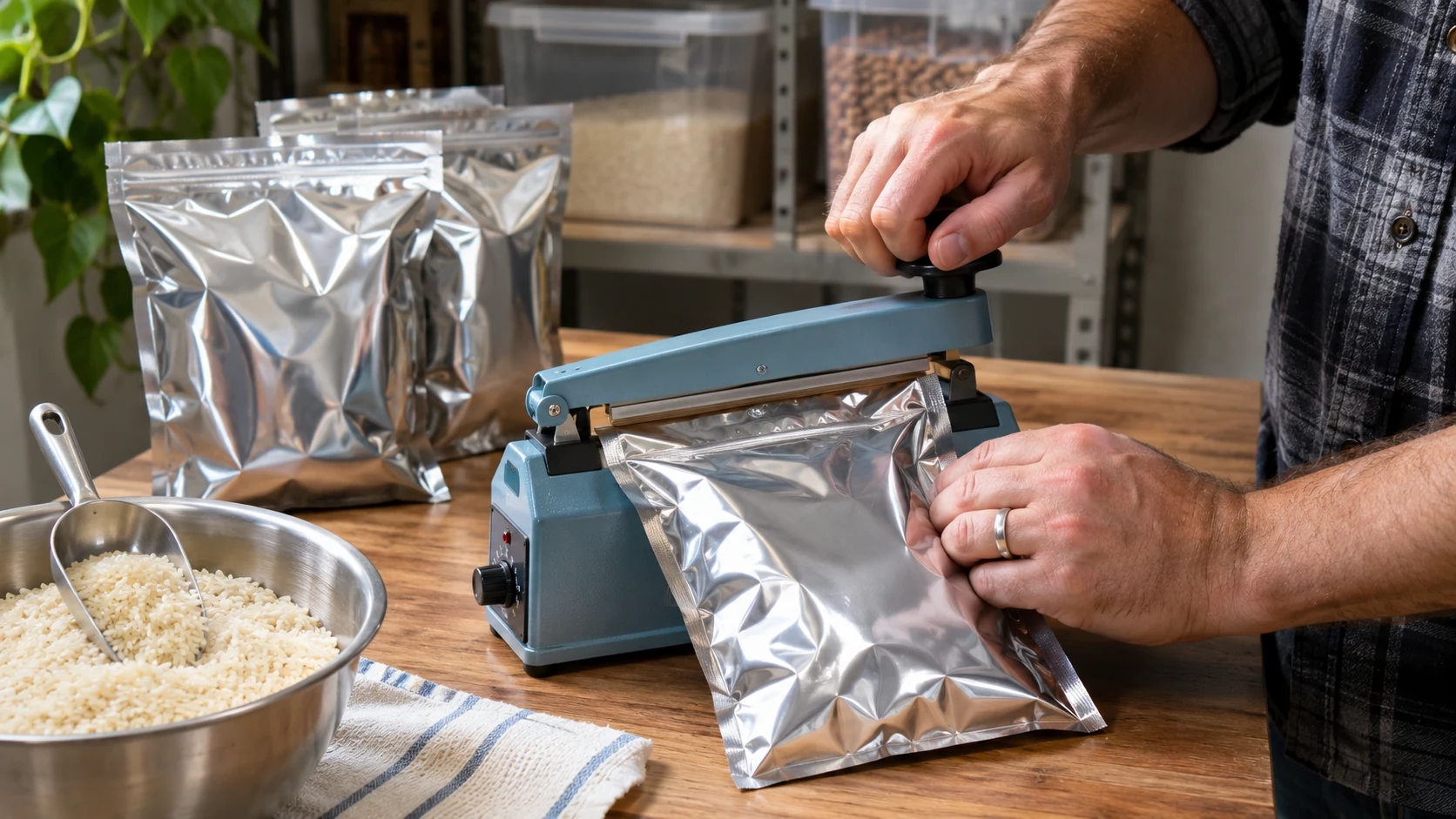
Mylar bags have become the gold standard for long-term food storage among those preparing for emergencies.
Read the article →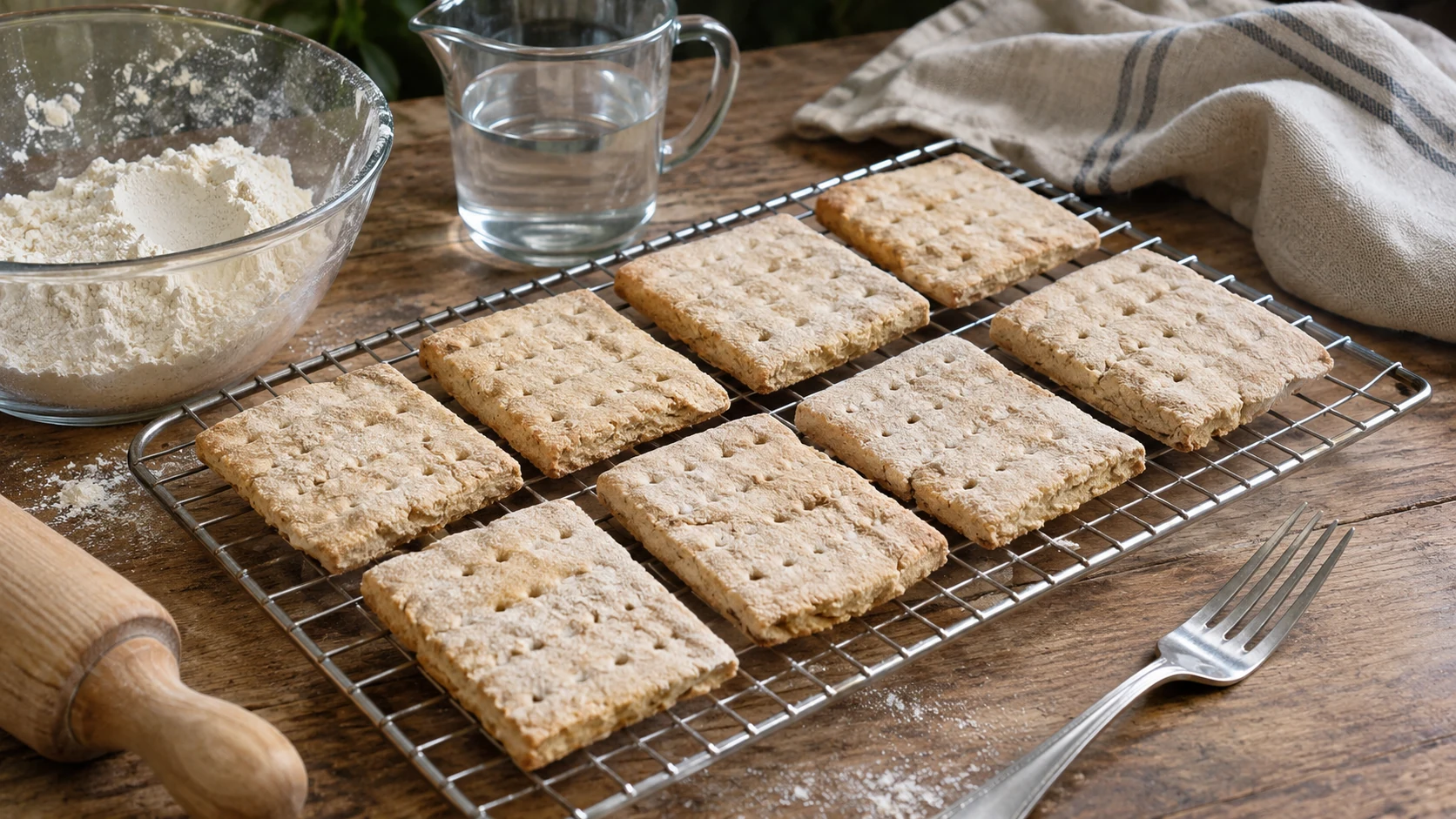
Among long-shelf-life foods, few have as long a history or as simple a recipe as hardtack.
Read the article →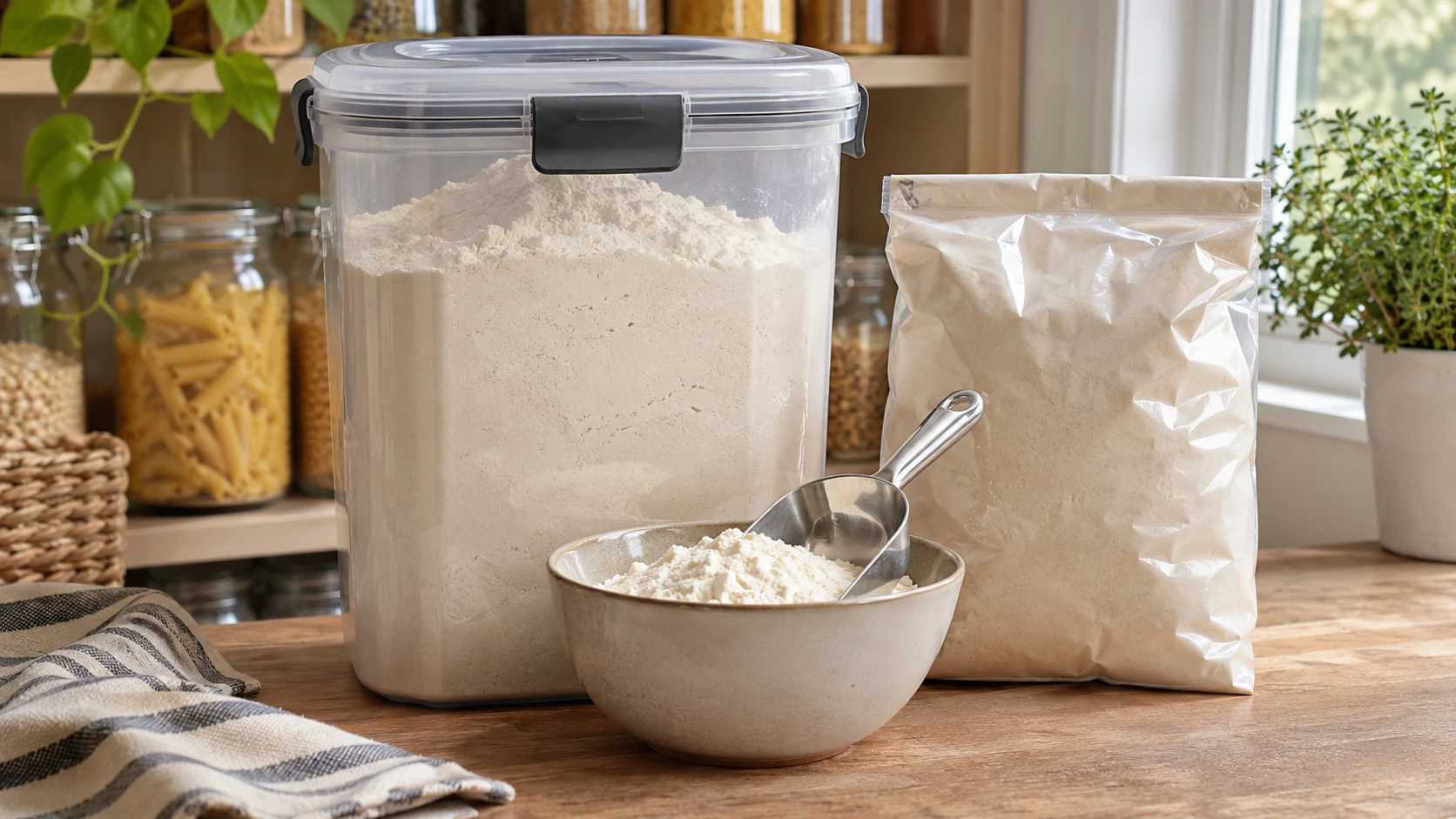
Flour is one of the most versatile ingredients in our kitchens, yet its long-term storage presents a technical challenge that many underestimate.
Read the article →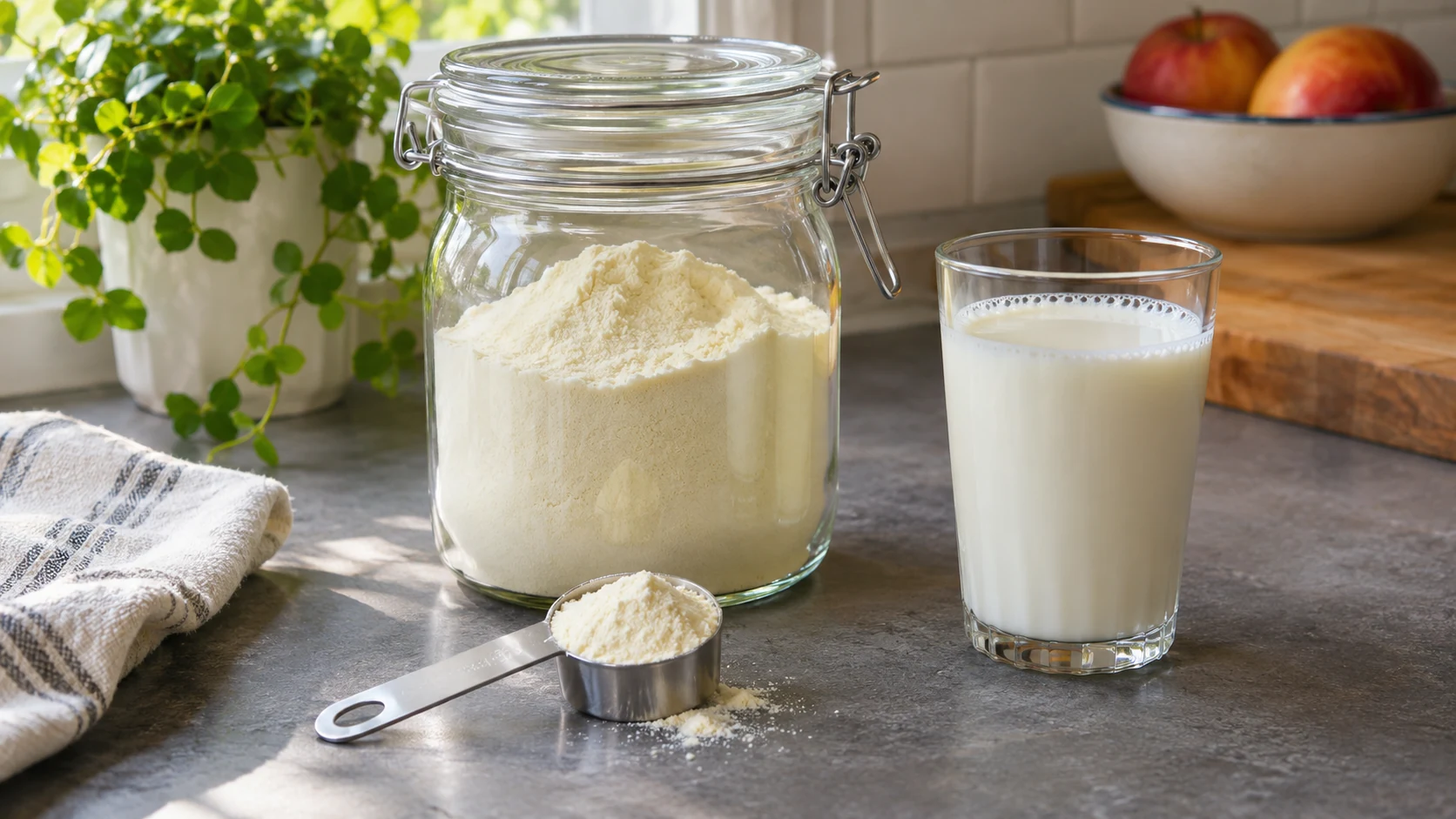
Powdered milk is an excellent staple for an emergency stockpile: it is lightweight, versatile, a good source of protein and calcium, and—under the right.
Read the article →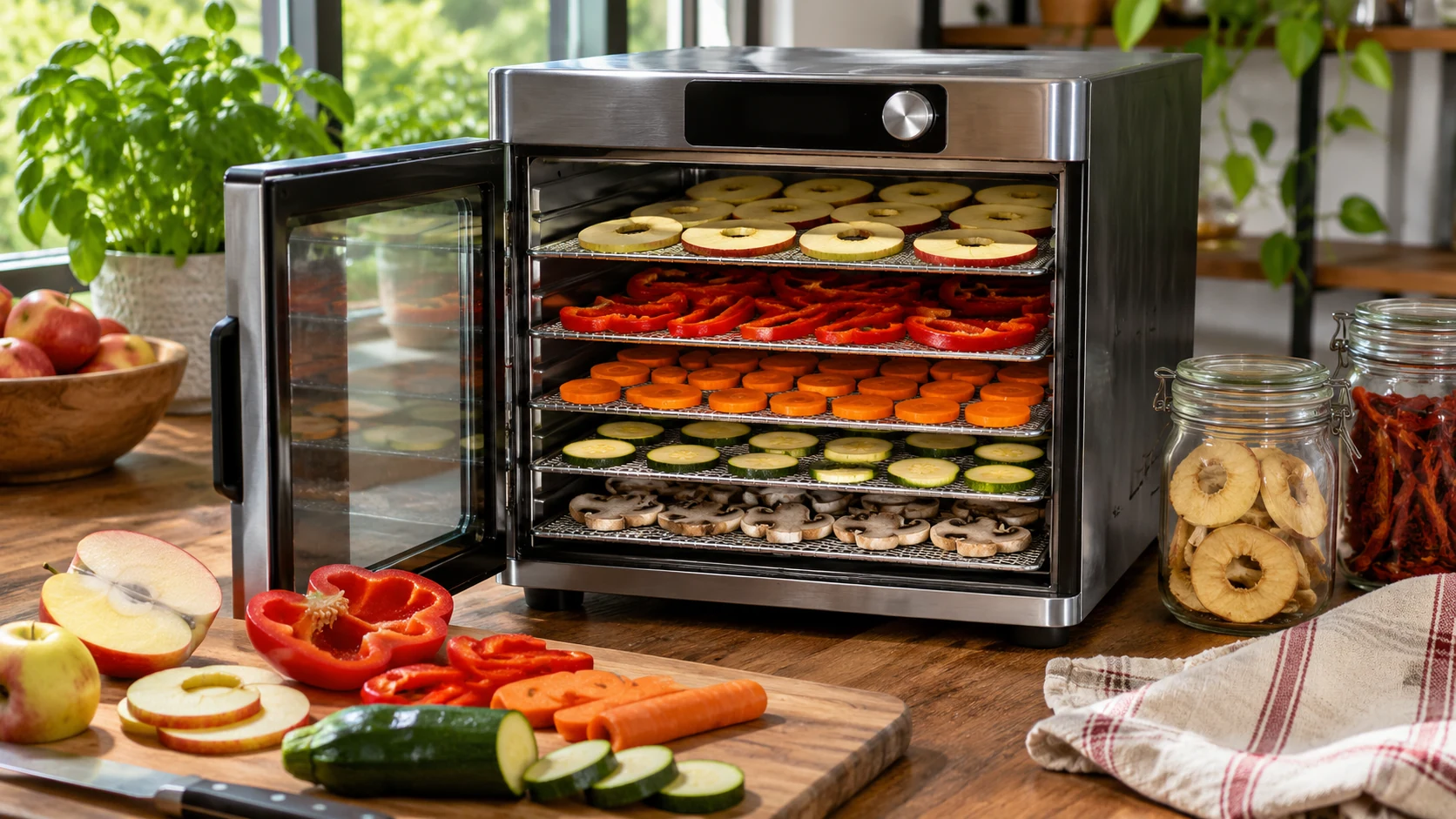
I spend a lot of time hiking and camping with my children.
Read the article →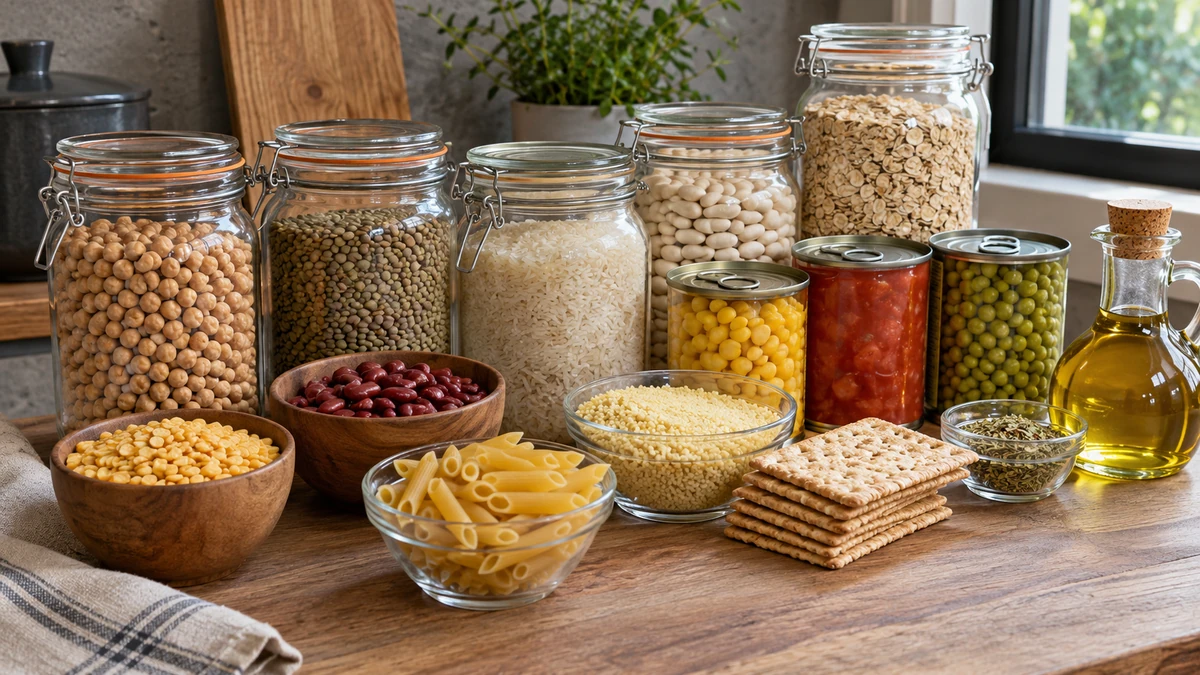
Thirteen detailed recipes for using stored food, adapting ingredients and following preparation and food-storage precautions.
Read the article →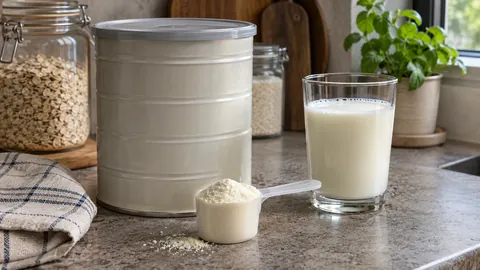
Choose and store milk powder, understand preparation and adapt recipes to the specific product’s instructions.
Read the article →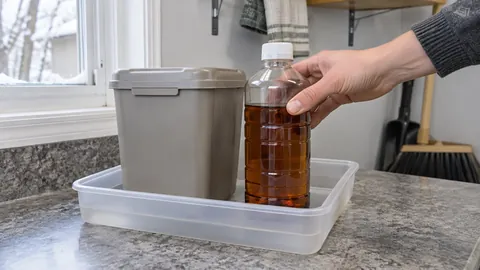
Understand the limits of rancid-oil reuse, avoid food-safety risks and arrange appropriate collection.
Read the article →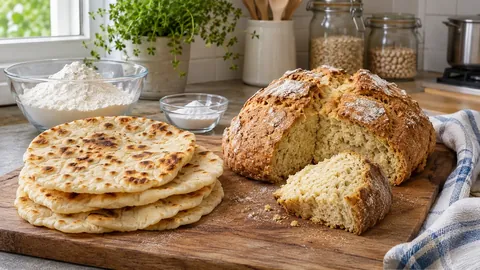
Thirteen recipes and five approaches to bread without baker’s yeast, covering ingredients, methods and important limits.
Read the article →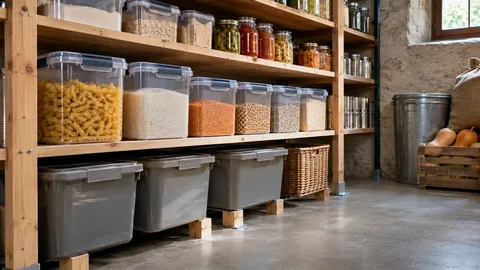
Protect food supplies from rodents: inspect entry points, choose containers and understand the limits of common devices.
Read the article →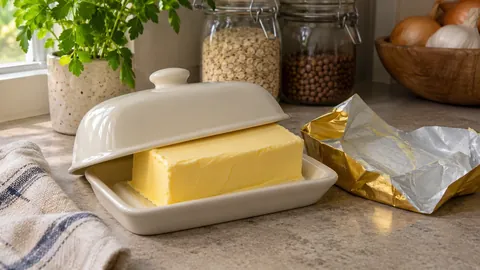
Make butter, freeze it or buy commercial powder: distinguish suitable options from unsupported home-drying promises.
Read the article →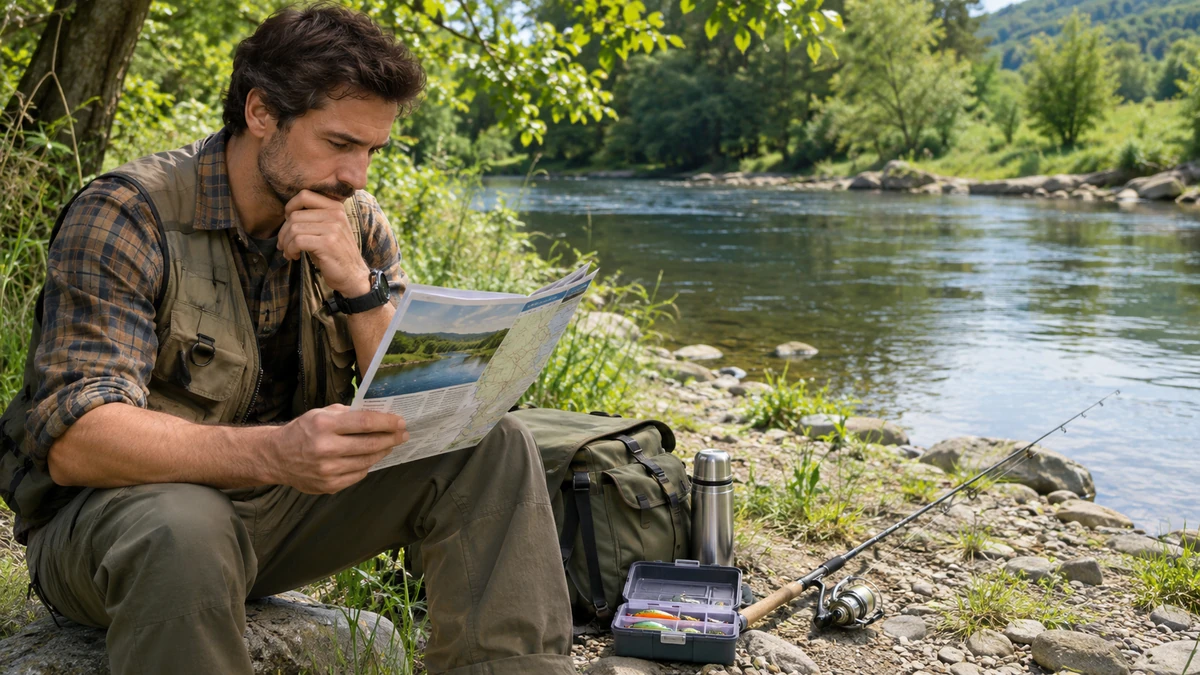
Fishing may interest people learning outdoor activities, but it is not a guaranteed food source during isolation. Permits, territory, season, species and authorized gear matter as much as technique. Planning food and a way to…
Read the article →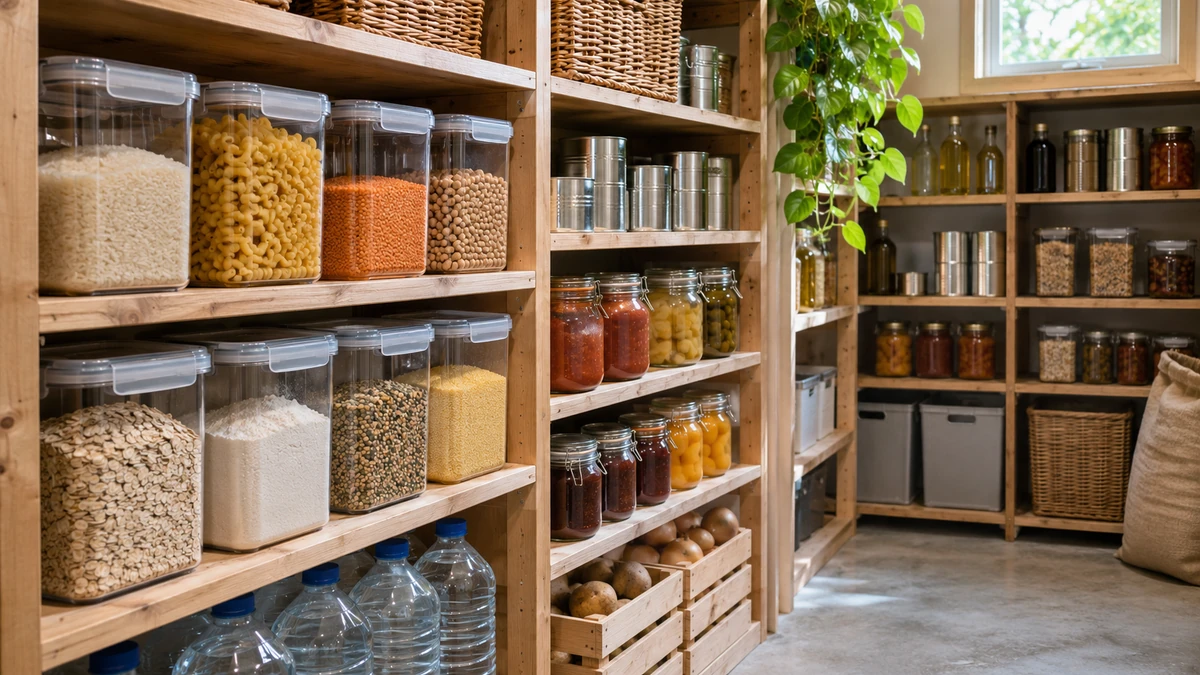
Building food supplies is reasoned preparation for foreseeable disruptions: prolonged outages, floods, interrupted deliveries or temporary financial difficulty. Documented Quebec crises, including the 1998 ice storm and…
Read the article →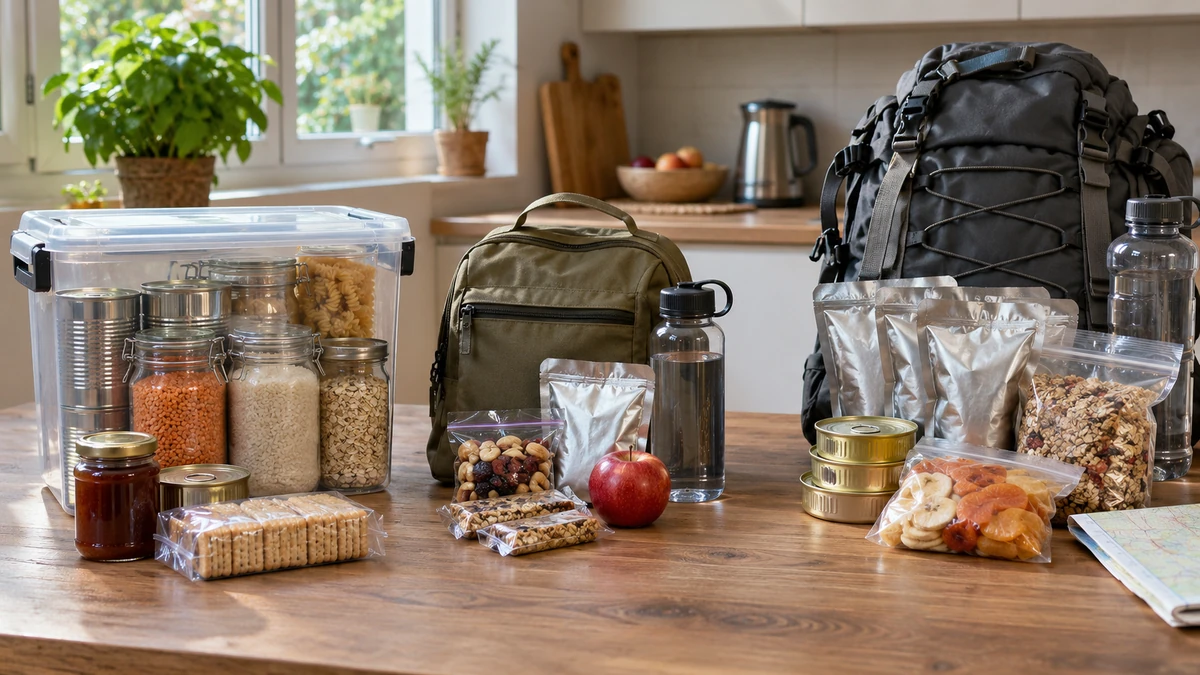
The term “survival food” is often used as though it meant one thing. In reality, it covers very different needs depending on the scenario: duration, water access, cooking capacity, available space, mobility and safety. It is…
Read the article →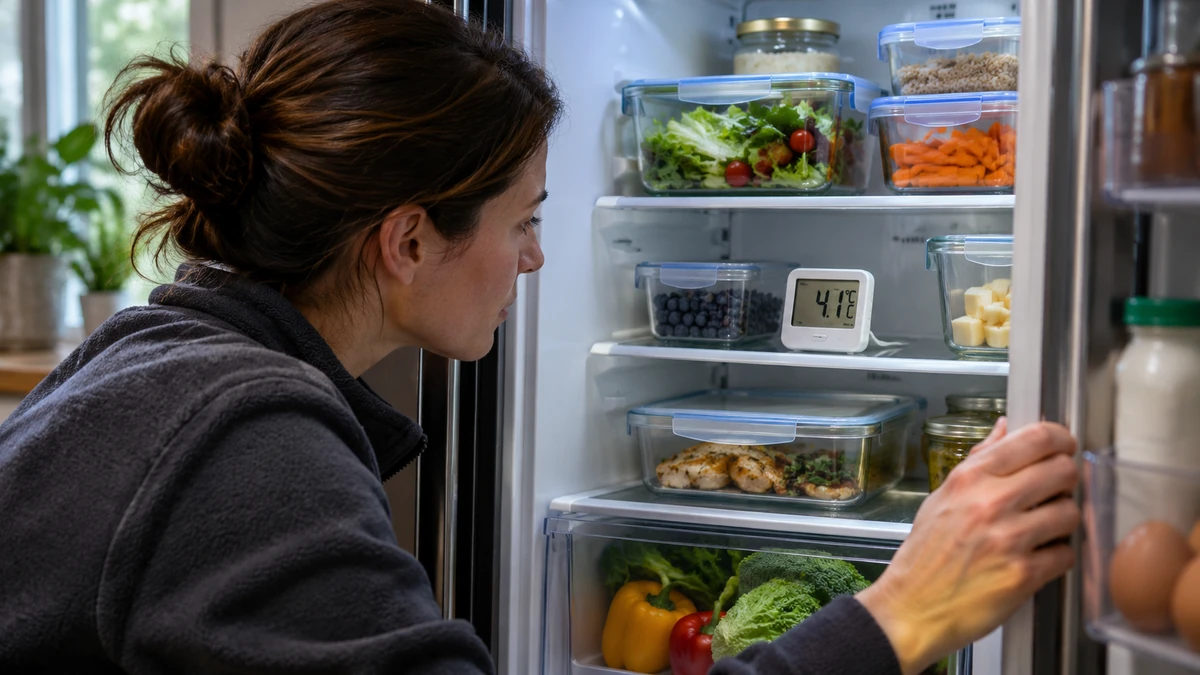
A prolonged outage from a winter storm, freezing rain or grid failure quickly raises questions about refrigerated and frozen food. Must everything be discarded? Can thawed food be refrozen? Answers depend on outage duration,…
Read the article →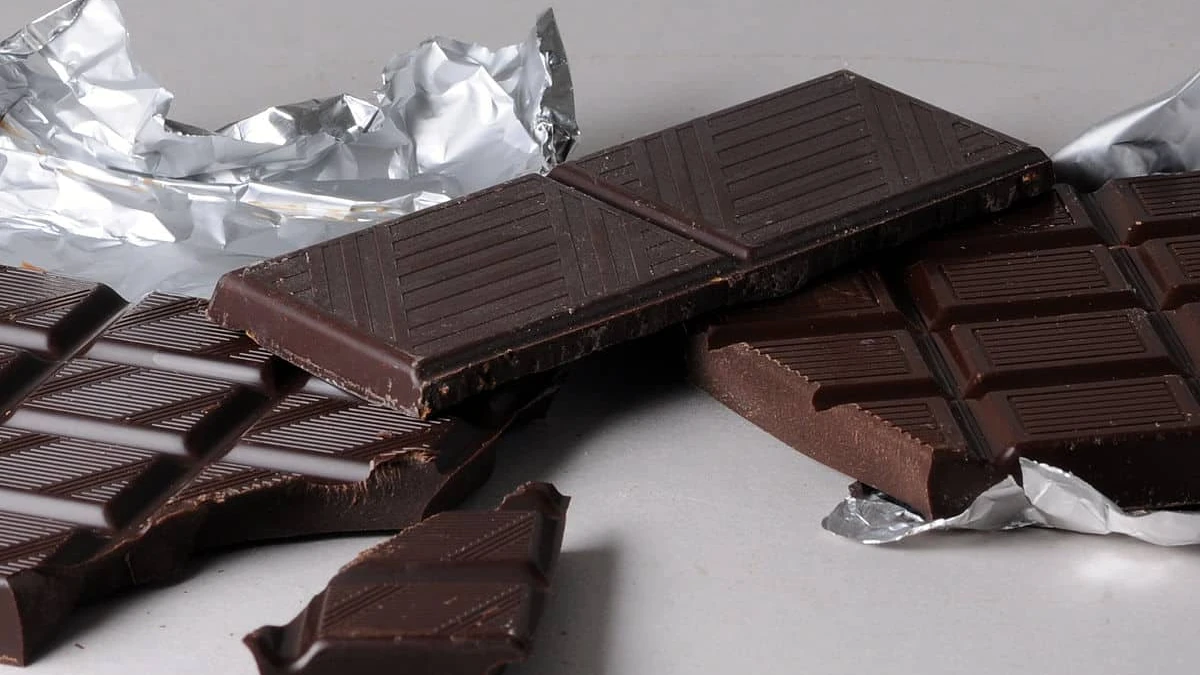
A food reserve can include a few comfort foods: olive spread for crackers, canned artichokes with rice or marshmallows for a special occasion. These historical examples illustrate household preferences, not a new PrépaCivile test. The…
Read the article →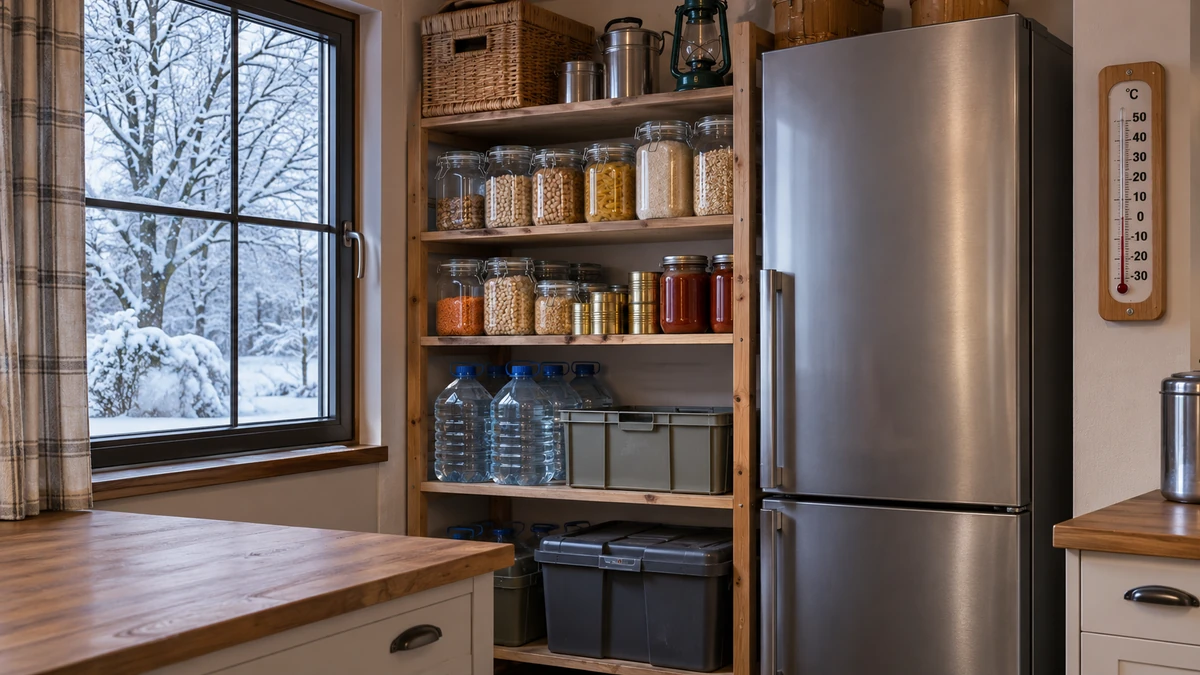
In regions with harsh winters, autumn is a useful time to check heating, maintain installations and organize food. Some Quebec cold spells approach −30°C; parts of France also experience severe frost, but those figures do not describe…
Read the article →
MRE meals, including packages offered under the Meal Kit Supply brand, illustrate the ready-to-eat meal concept. For a current offer, verify exact contents, ingredients, dates and storage conditions. Experience with one package…
Read the article →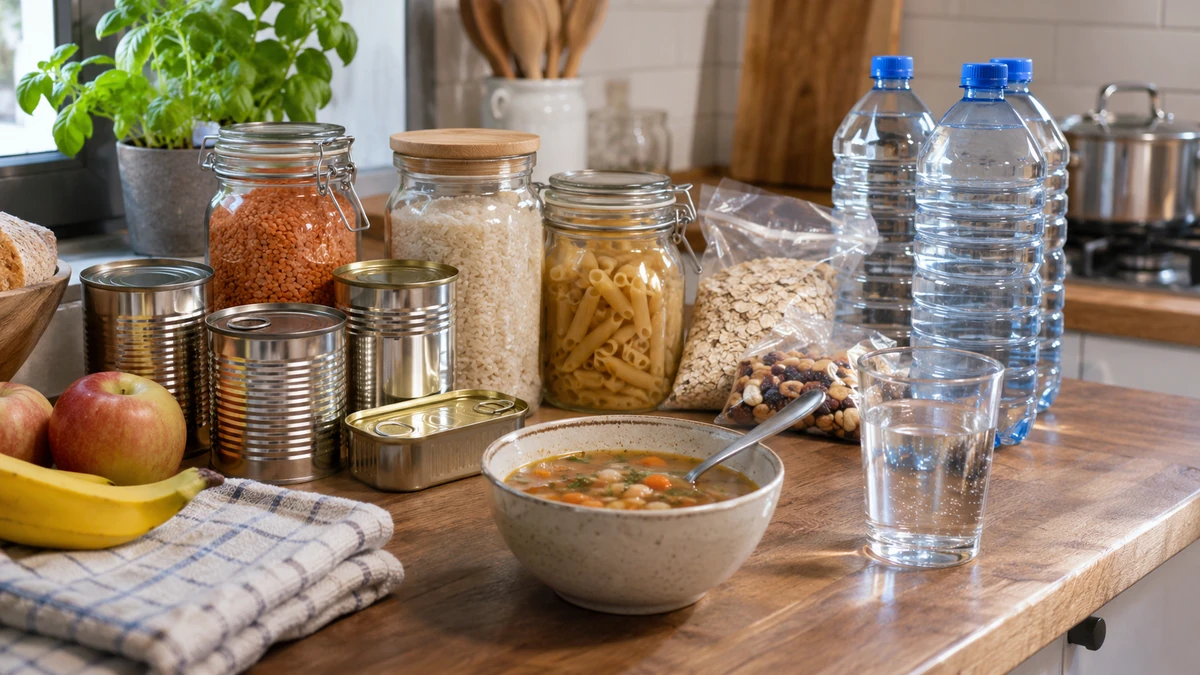
When a disease forces you to stay at home, the food problem is often as much about fatigue as it is about the number of boxes available. A useful reserve allows you to eat simply, limit the outings and ask for help. It does not…
Read the article →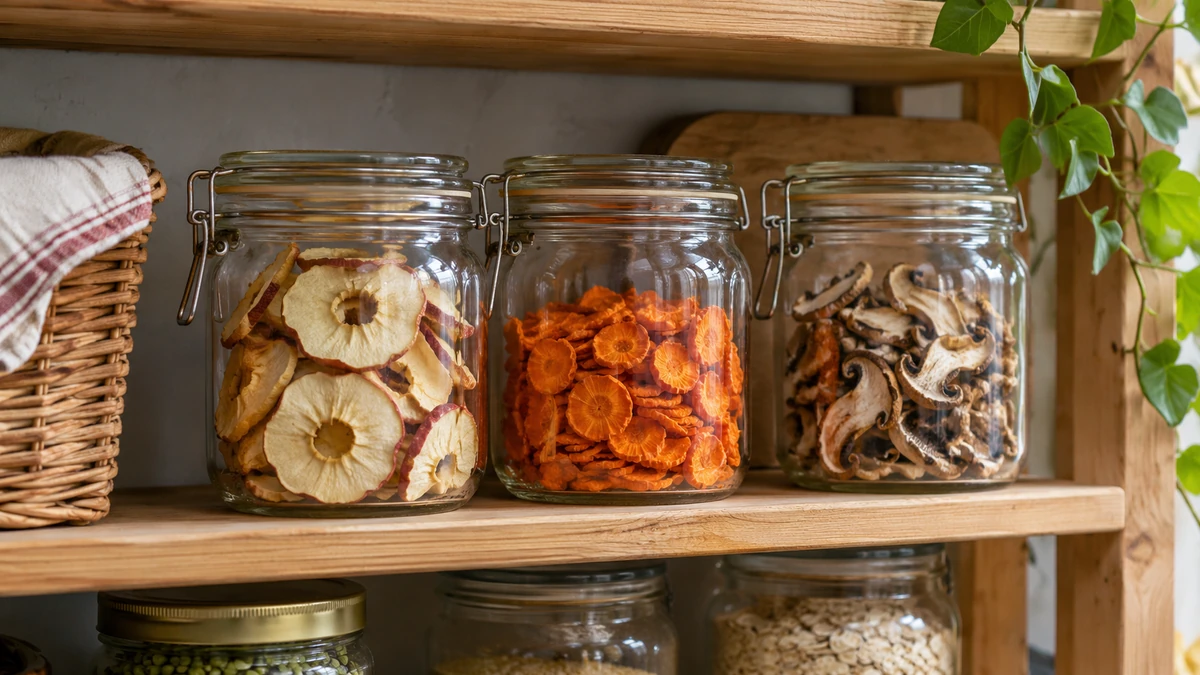
The shelf life of a dehydrated food depends on its preparation, residual moisture, packaging and storage. A promise of fifteen or twenty-five years does not automatically apply to food dried at home. Distinguish the instructions of an…
Read the article →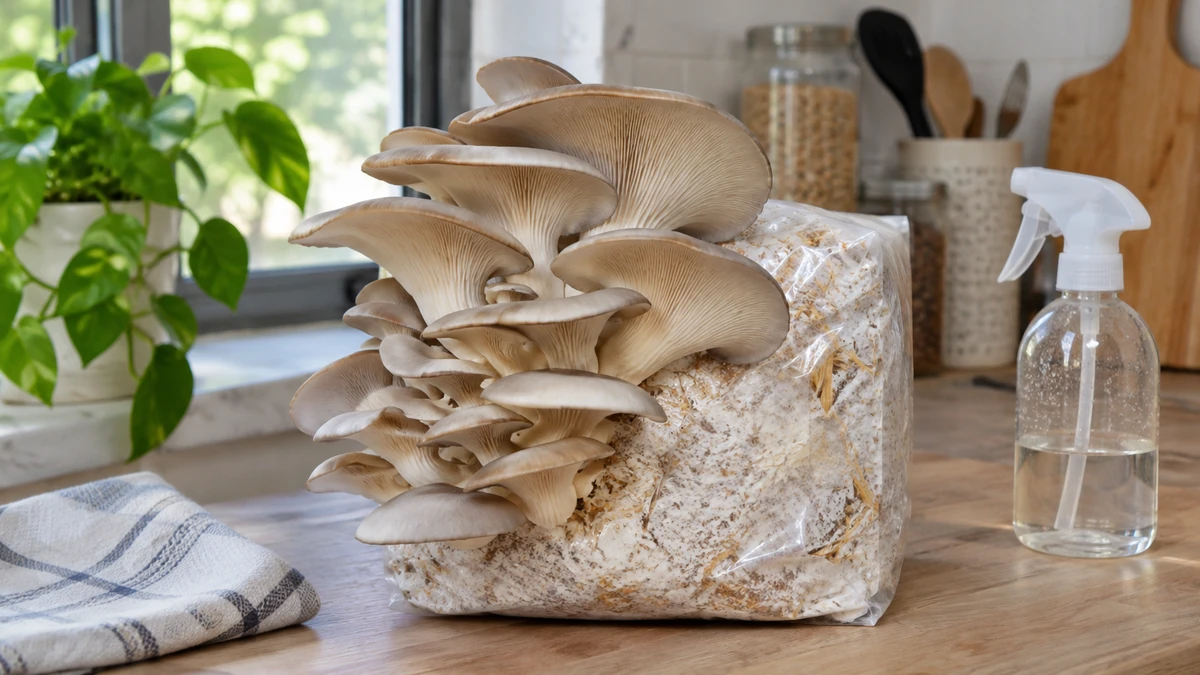
Growing edible mushrooms at home can complement a vegetable garden and develop food-growing skills. A clearly identified kit from a reputable supplier reduces the technical work for a beginner. It guarantees no yield and does…
Read the article →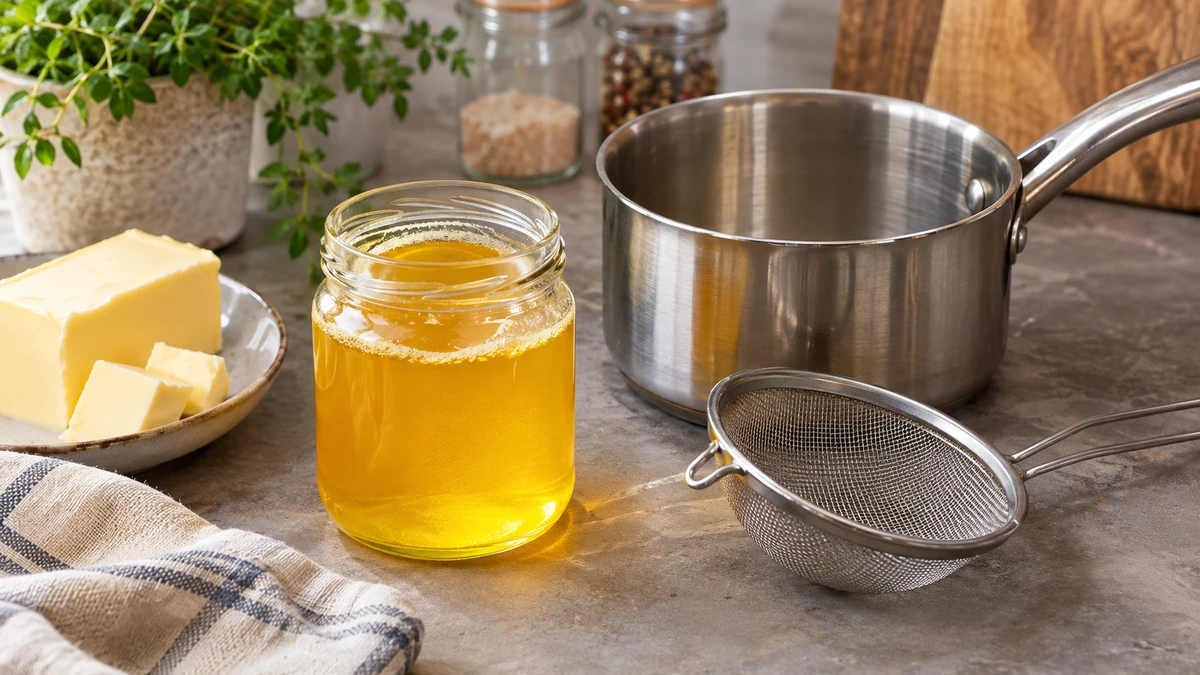
Ghee is a butter-derived cooking fat made by heating butter and separating milk solids and much of its water. Its culinary appeal includes its flavour. A homemade process, however, does not establish a safe shelf life of several years…
Read the article →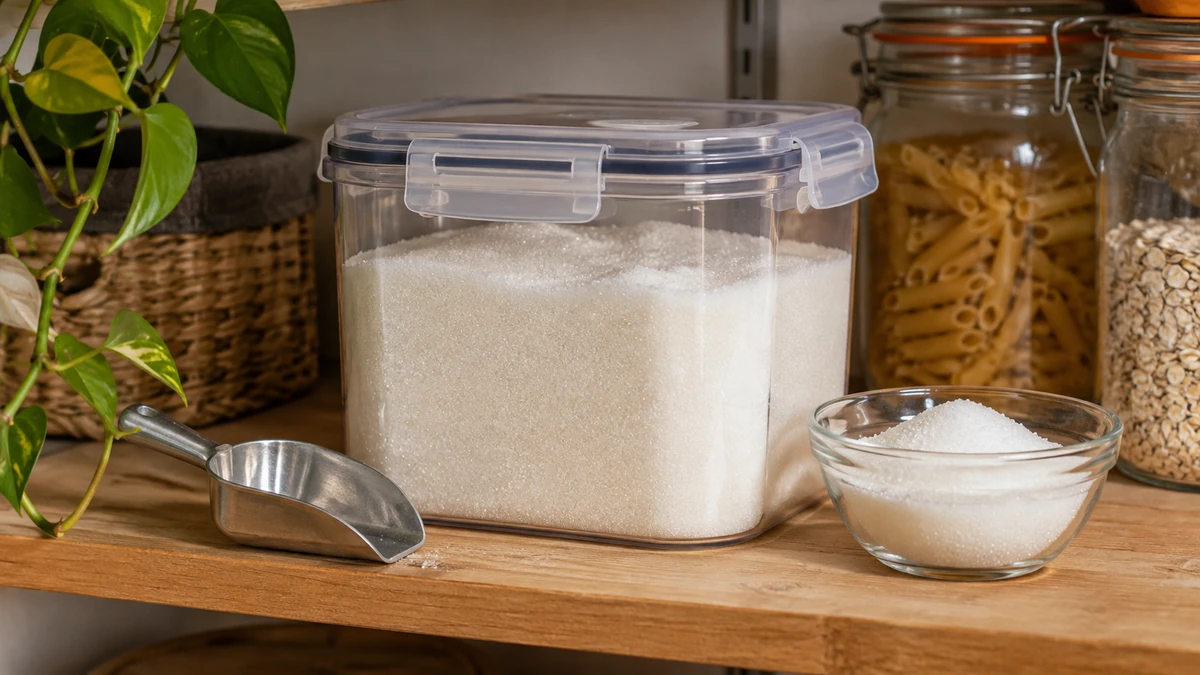
Dry white sugar is a stable product when protected from moisture and contamination. It can be used for cooking and some conservation recipes, but is not a balanced reserve on its own. The amount to be stored depends on the…
Read the article →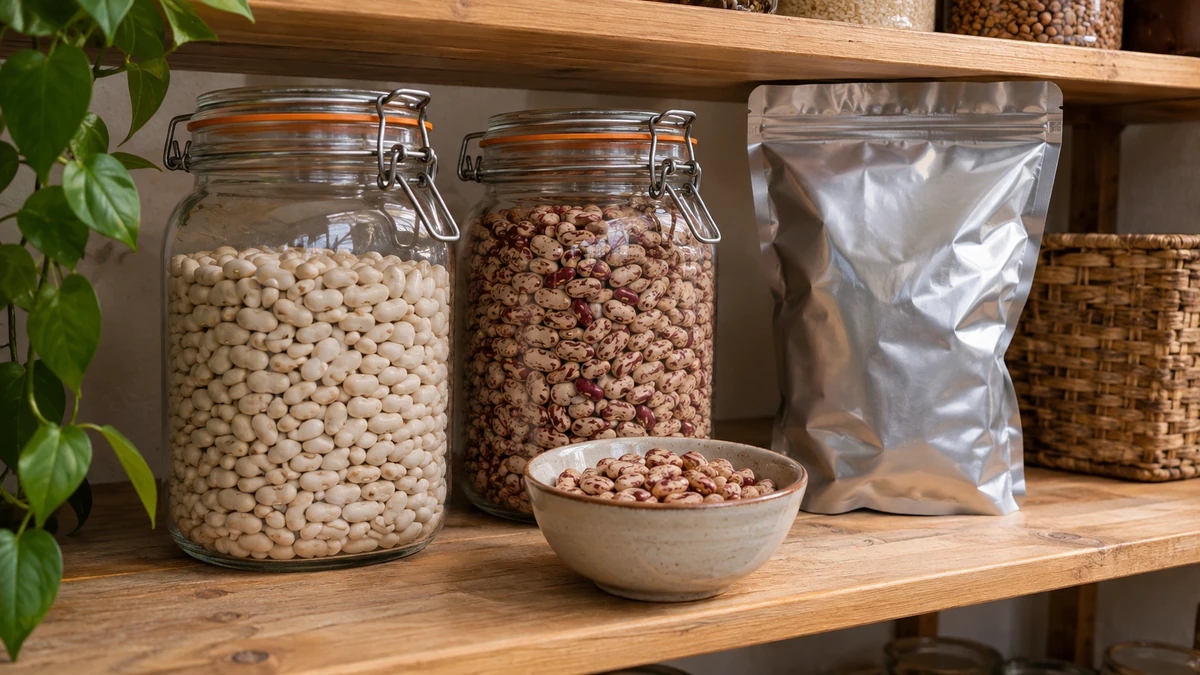
Dry beans provide protein, fibre and variety in a food reserve. Their usefulness also depends on the water, energy and preparation time required. Storage should keep them dry and sound without turning a commercial or…
Read the article →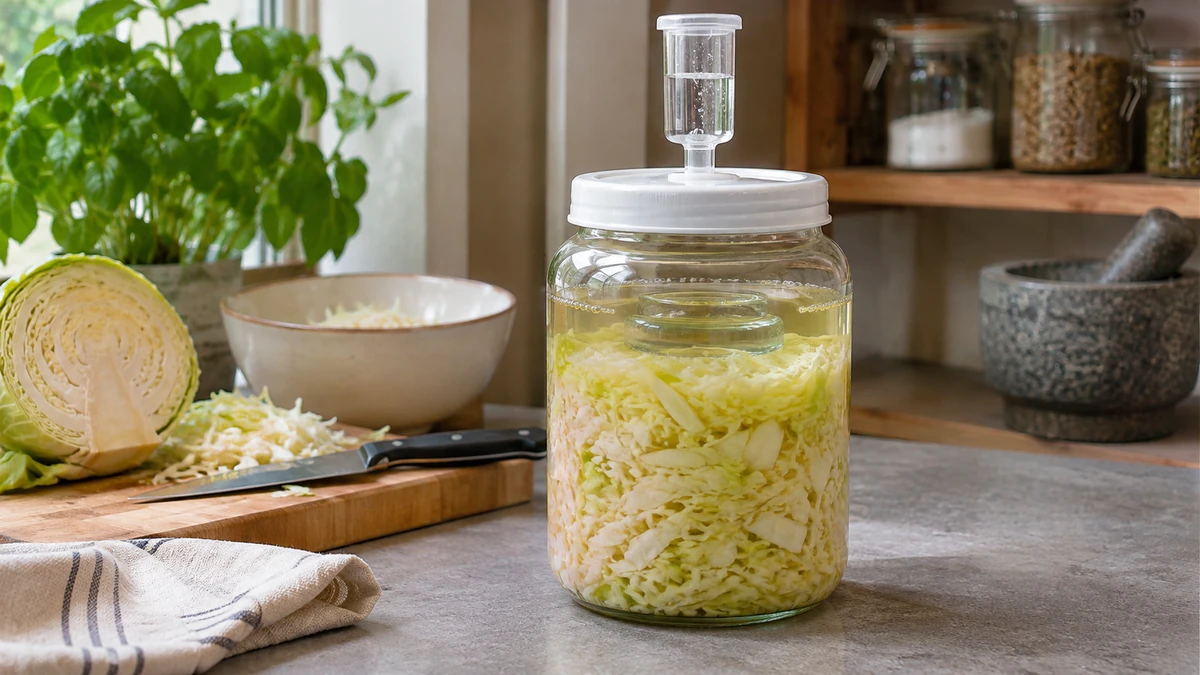
Fermentation transforms food with microorganisms under controlled conditions. It can diversify cooking and some forms of conservation. It does not automatically make all products stable without refrigeration and does not…
Read the article →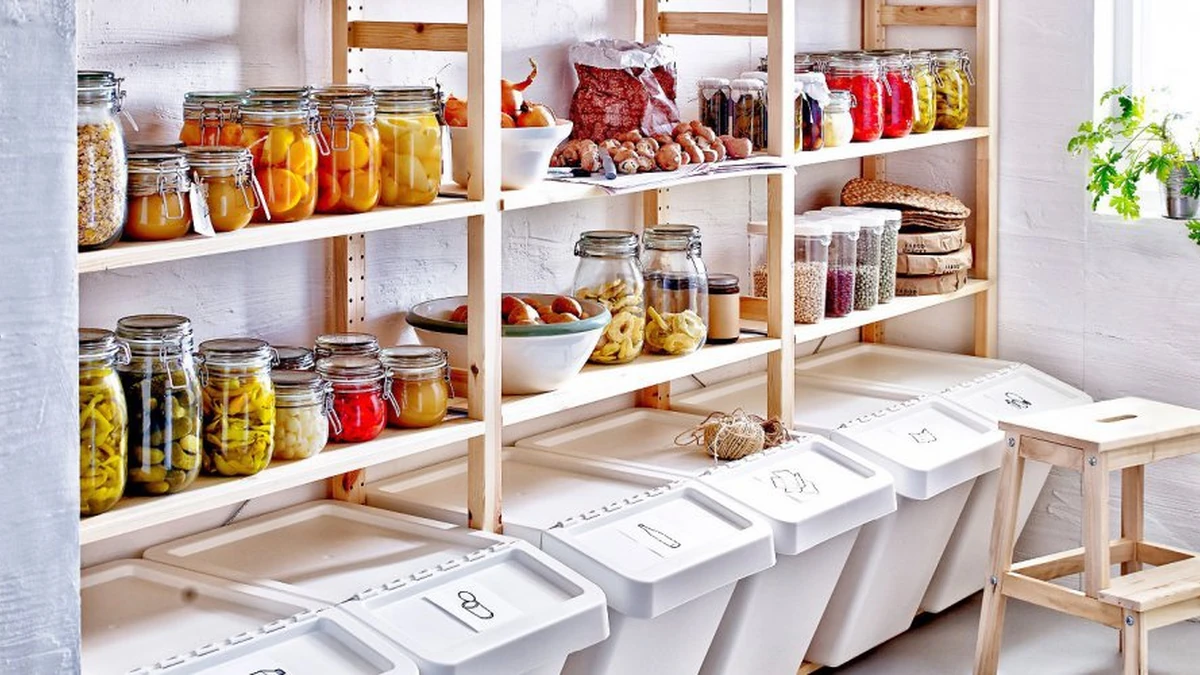
A useful food reserve combines popular products, means of preparation and a continuous rotation. It can combine ordinary purchases, local production and conservation, without looking for an identical “ultimate stock” for all.…
Read the article →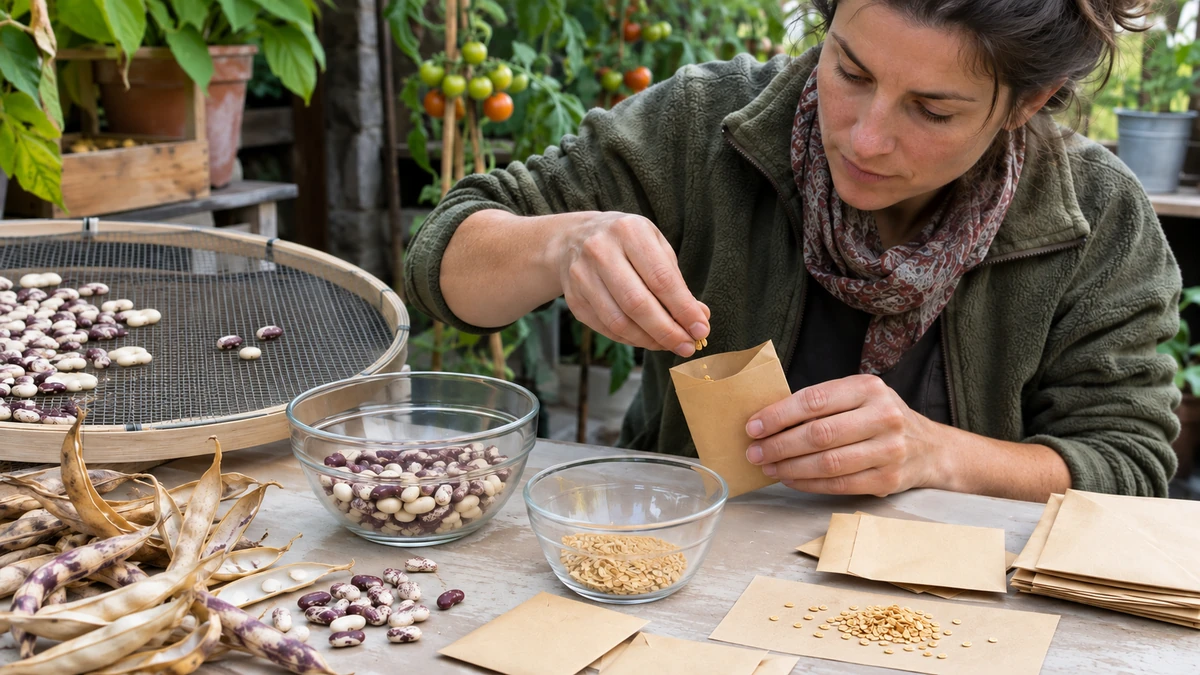
Saving seeds lets gardeners follow selected varieties over several seasons and learn how they perform locally. Success requires choosing plants, allowing seeds to mature, and managing drying and storage. A full envelope…
Read the article →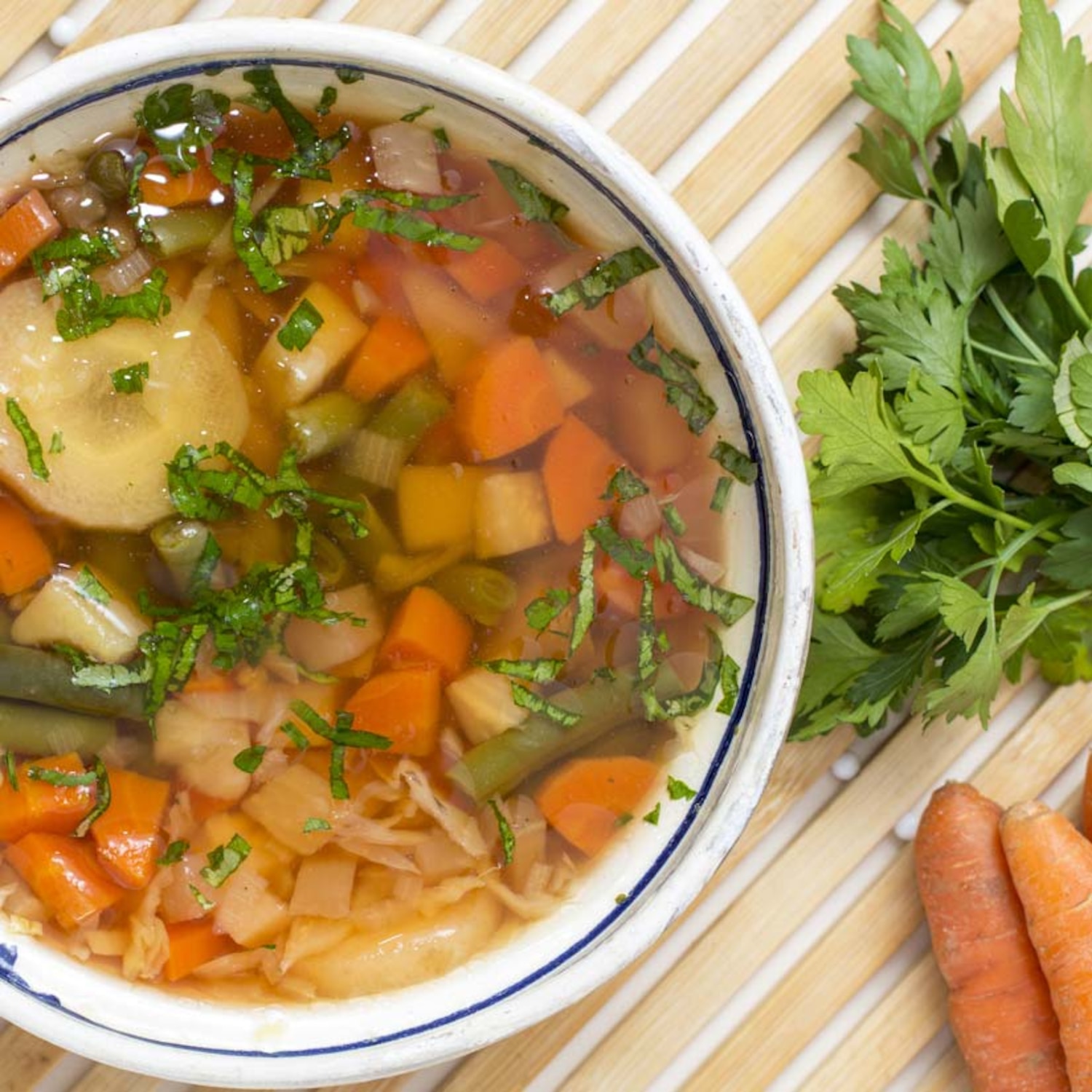
Food supplies become more useful when they are part of ordinary meals. Soup is a simple way to combine stock, vegetables, protein and starch while checking what needs to be used, replaced or stored more clearly.
Read the article →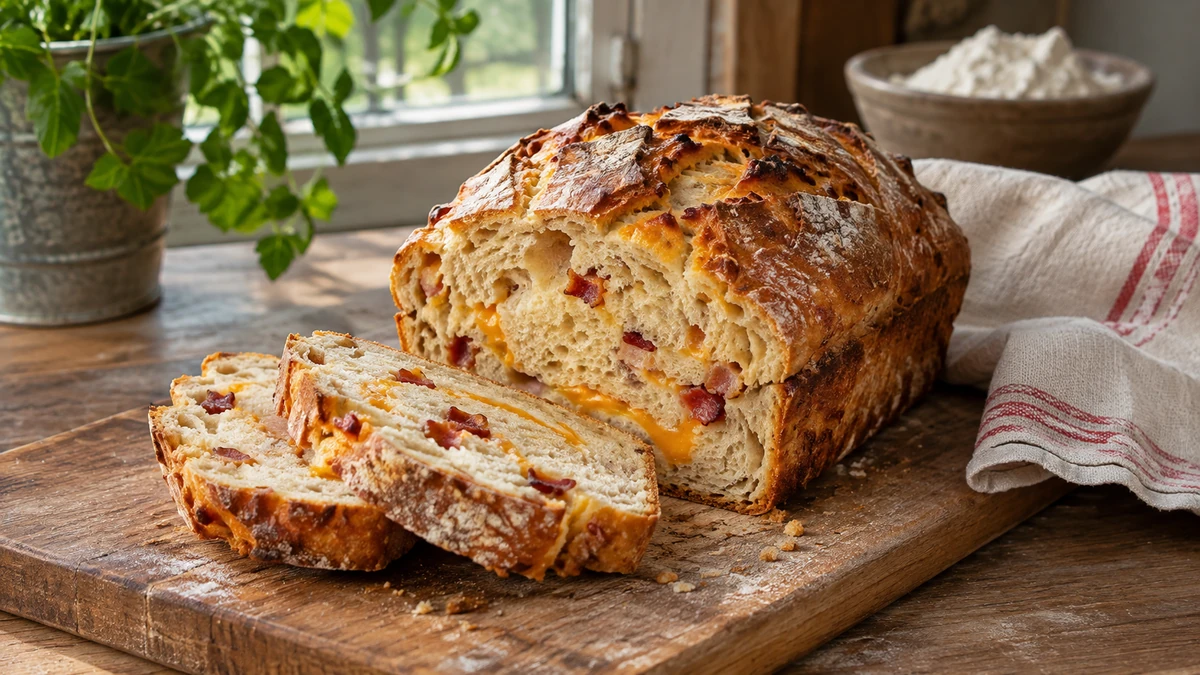
Bread made with lard can add variety to meals using ingredients already available at home. The historical recipe includes a pre-ferment, flour, meat and cheese. This version retains the preparation steps while removing the unsupported…
Read the article →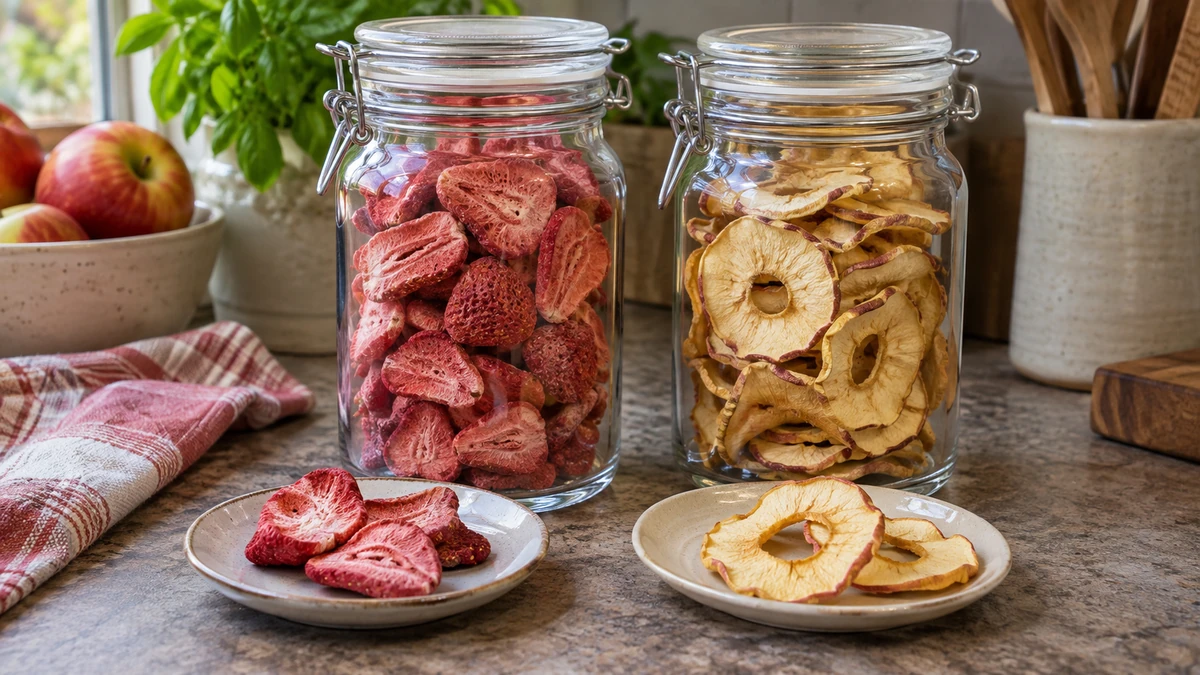
Dehydrated and freeze-dried foods can serve different purposes in an emergency food supply. The right choice depends on the product, preparation method, packaging and household needs. A striking shelf-life claim or isolated…
Read the article →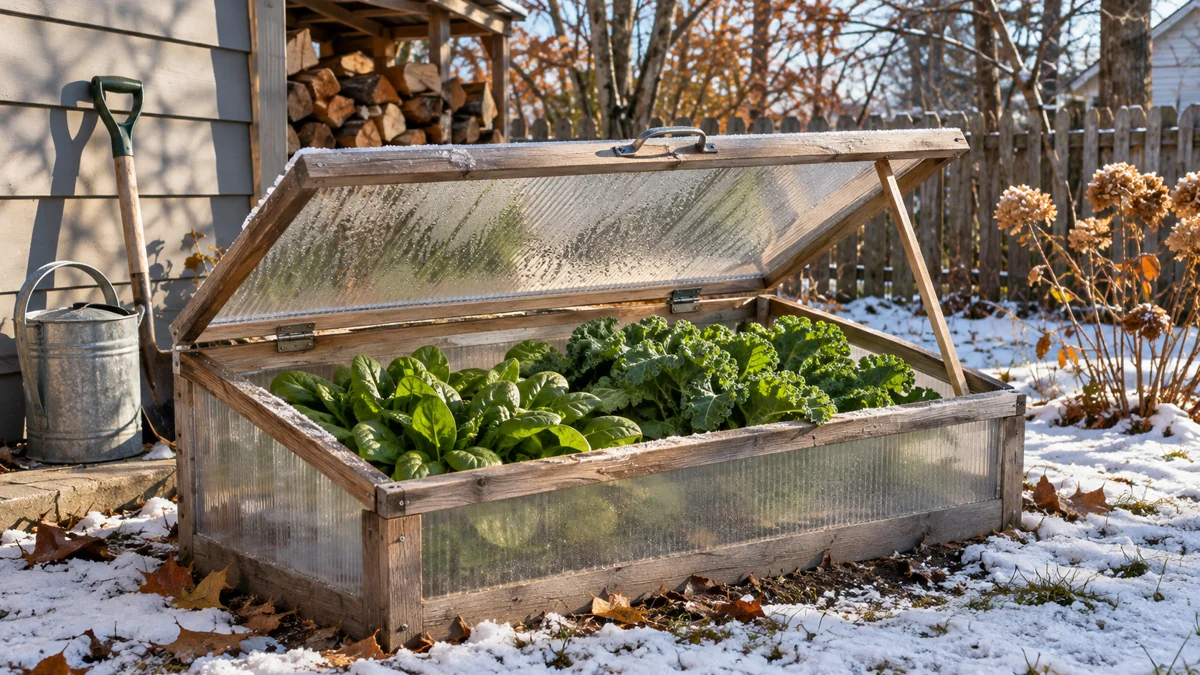
A winter vegetable garden can prolong harvests and develop useful skills, but the possibilities depend heavily on climate, light and protection. In Quebec, harvest…
Read the article →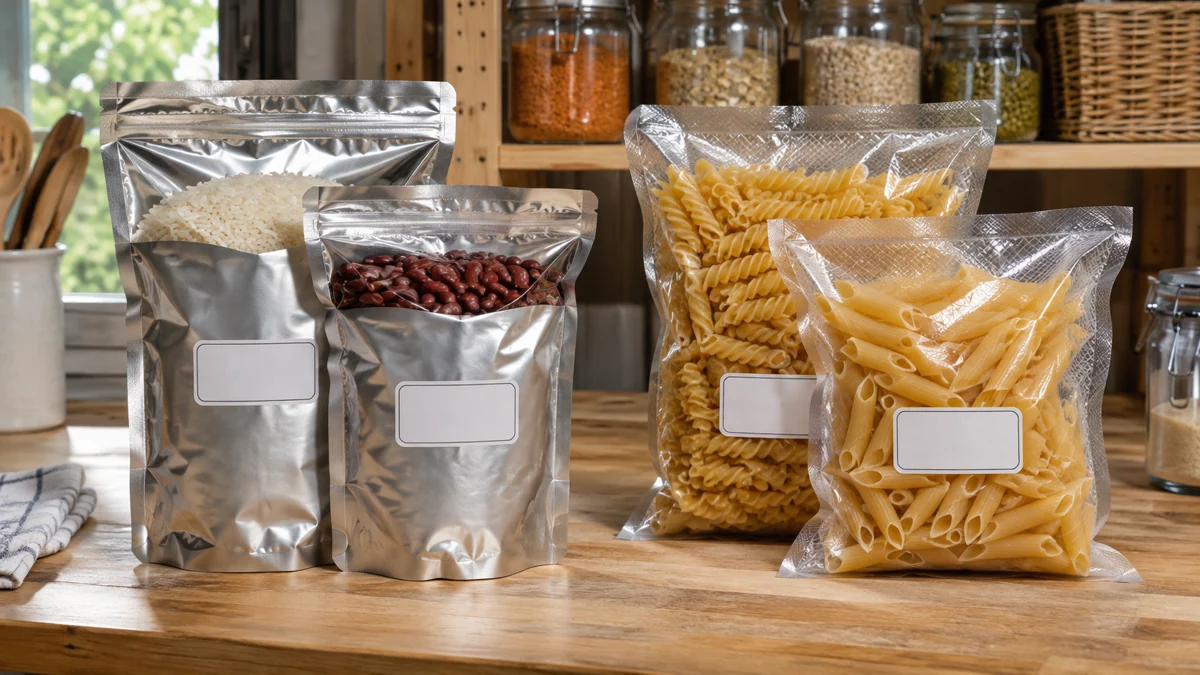
The metalized barrier bags and vacuuming meet different uses. The right choice depends on the food, its humidity, the envisaged duration and the storage conditions. Reduce…
Read the article →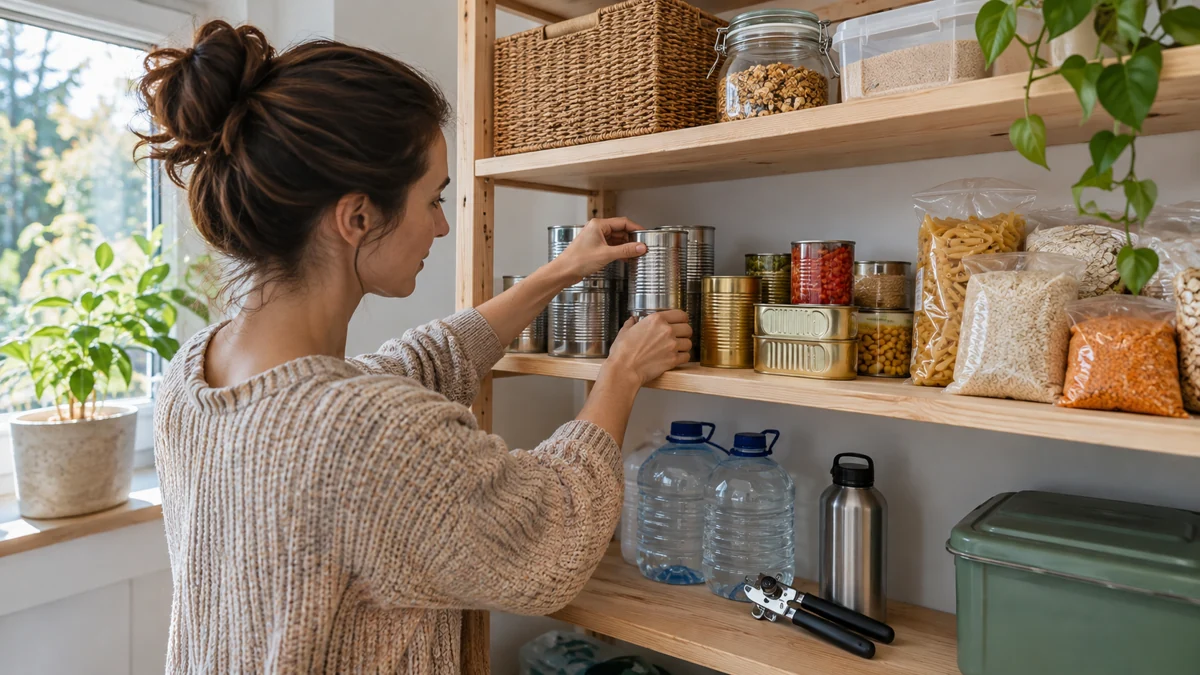
This week, supplement your food supply with meals that the household already consumes. After the first base of week 1, the objective is to identify the gaps, to better distribute the…
Read the article →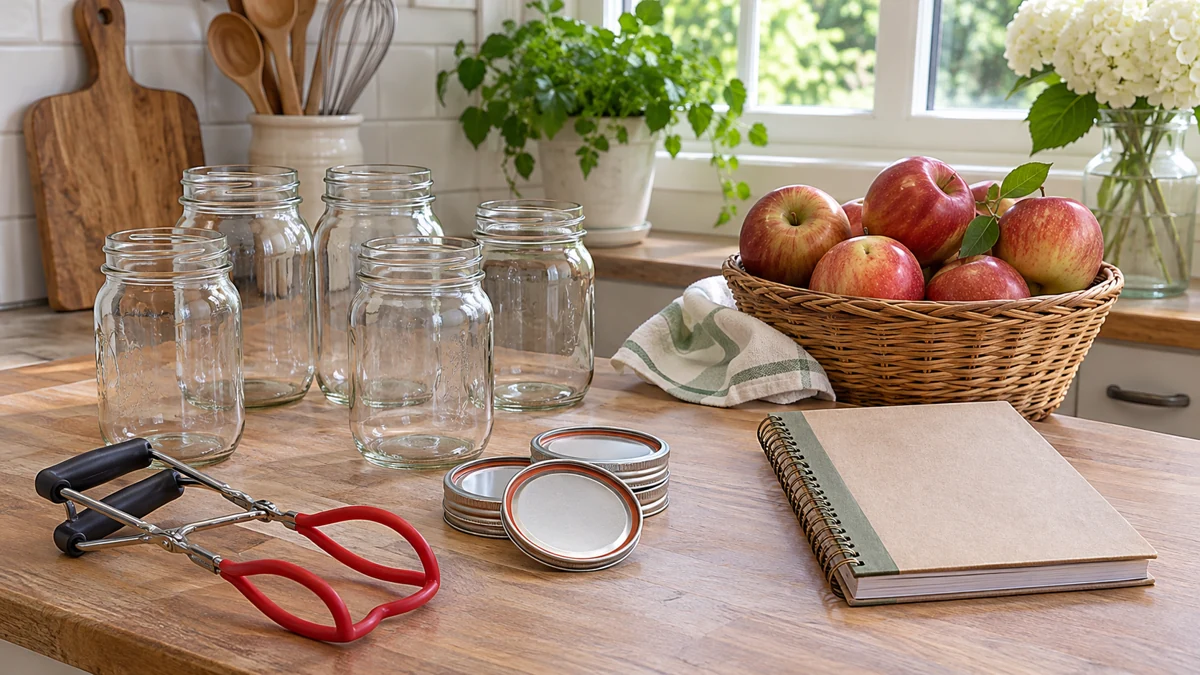
Learning to preserve food can reduce waste and diversify the reserve. This week, choose an accessible method and a source of validated instructions. Conservation requires an…
Read the article →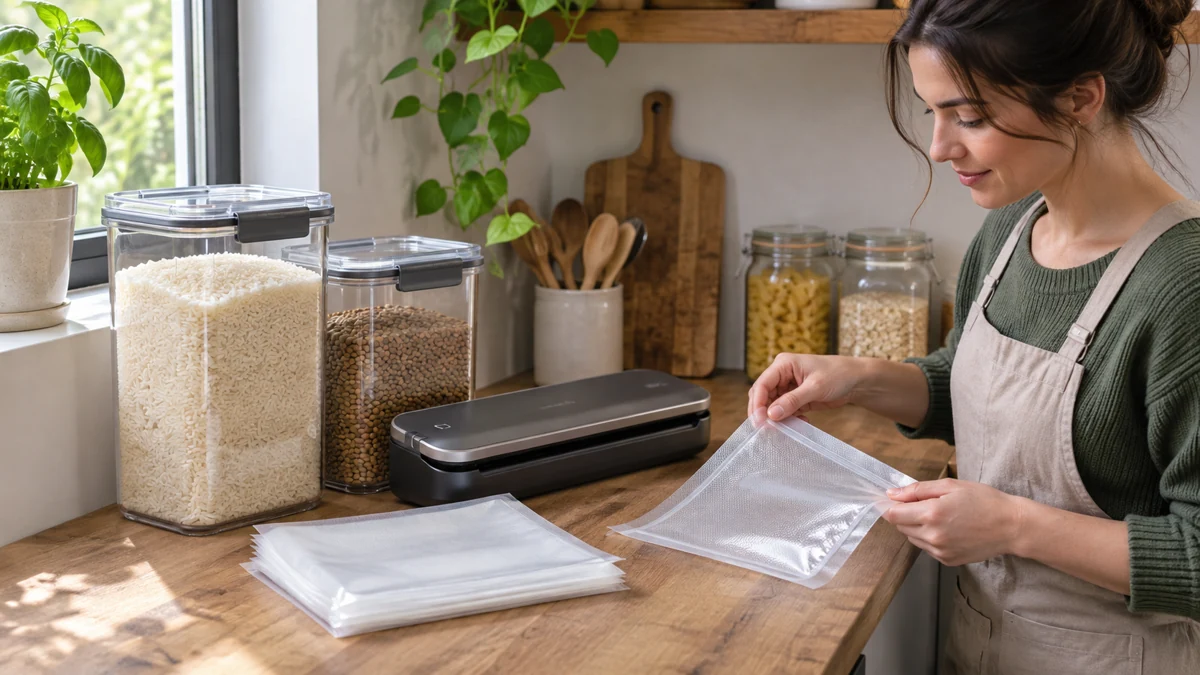
This week, improve the containers and the organization of your dry storage. The goal is to protect food, retain its information and facilitate rotation. Recondition…
Read the article →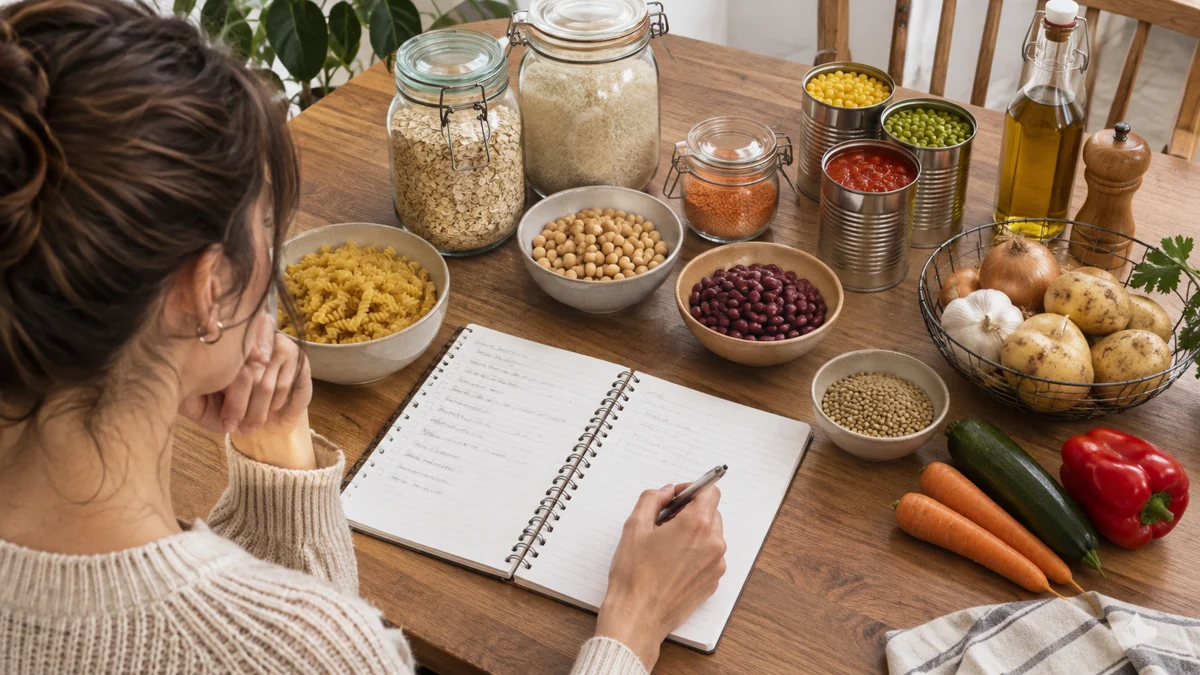
This week, estimate what a month of feeding would be for your home. This calculation is used to build a progressive goal, not to impose a massive purchase. The reserve must remain adapted…
Read the article →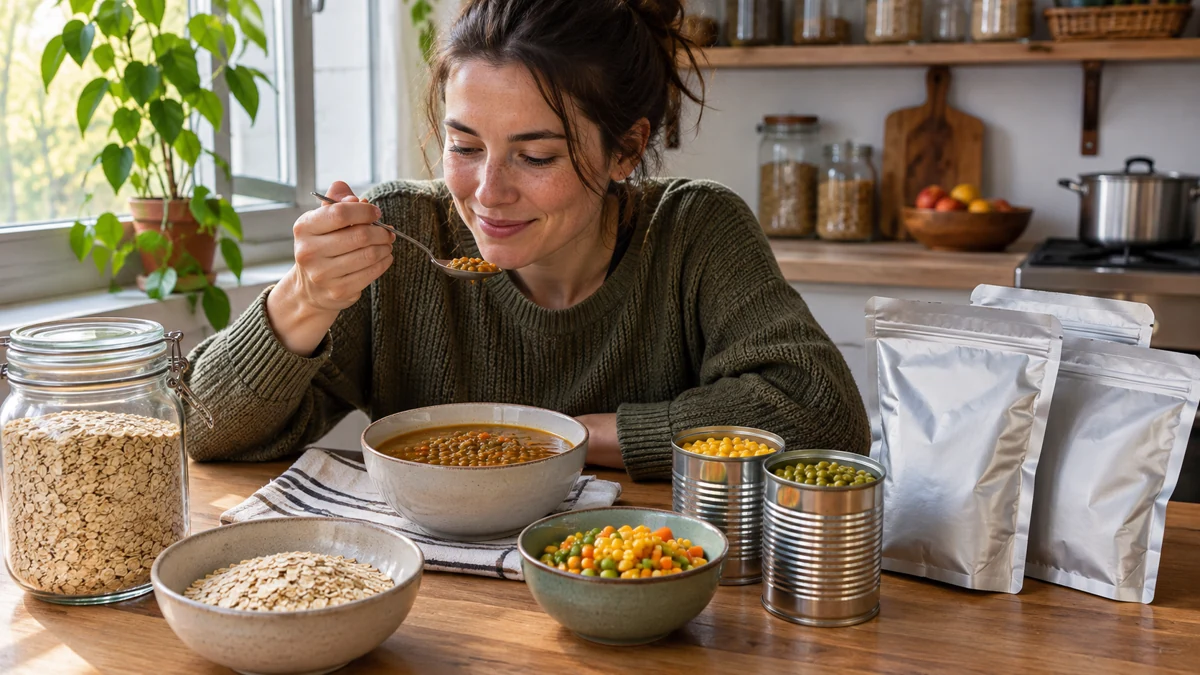
This week, repeat the food goal of week 20 to check the variety and feasibility. Having a month of products does not mean having a month of adapted meals. Work…
Read the article →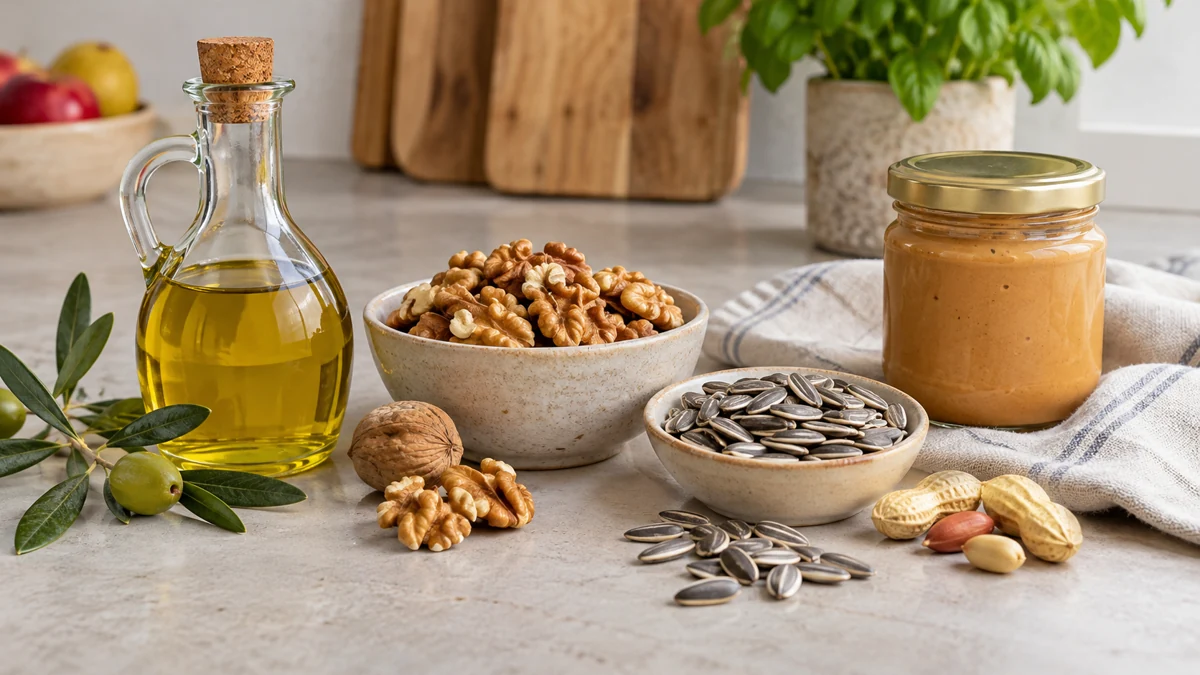
This week, check the fat in your food supply. Oils and other foods that contain them contribute to a varied diet. Their choice must…
Read the article →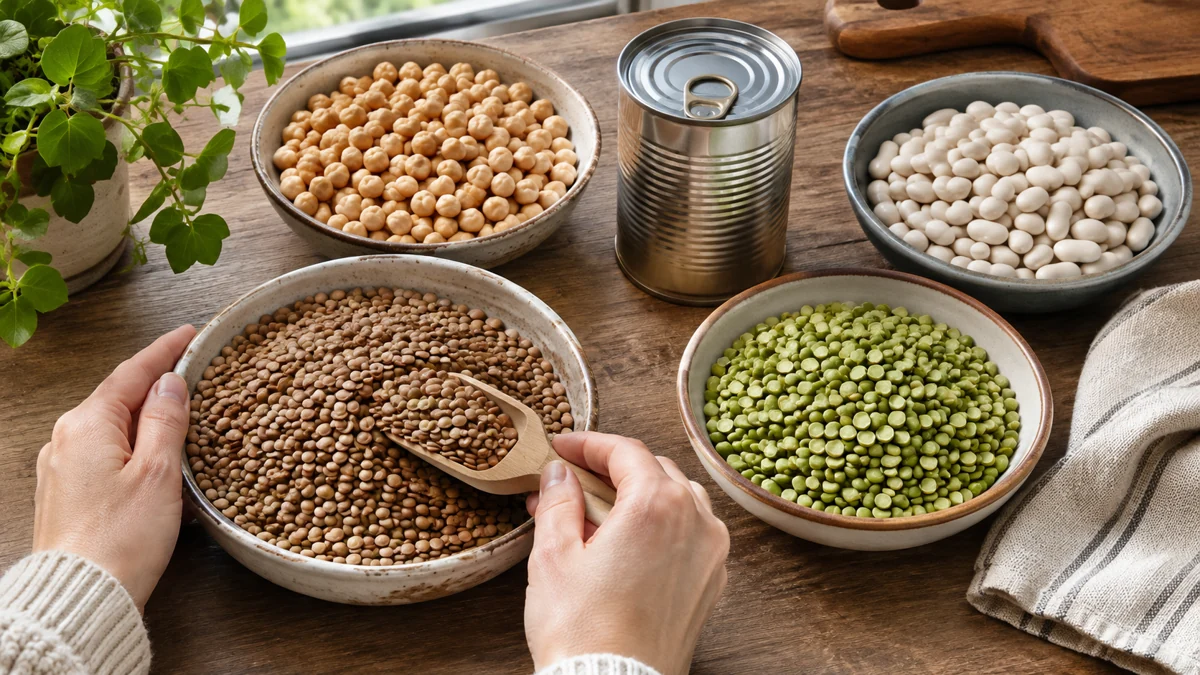
Legumes can bring variety to the reserve: lentils, chickpeas, beans or broken peas, depending on tastes and needs. This week, compare the dry products and…
Read the article →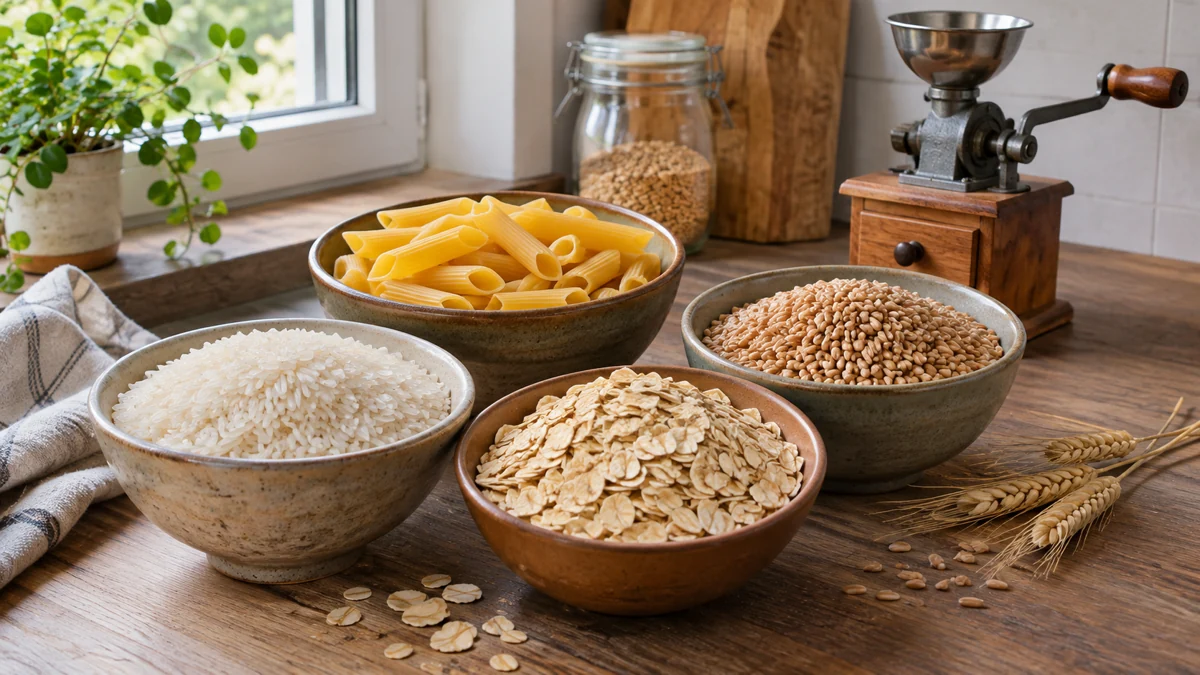
This week, check out the grains and other starchy foods on your reserve. Rice, oats, pasta, potatoes or other products can contribute to various meals. The choice depends on the habits,…
Read the article →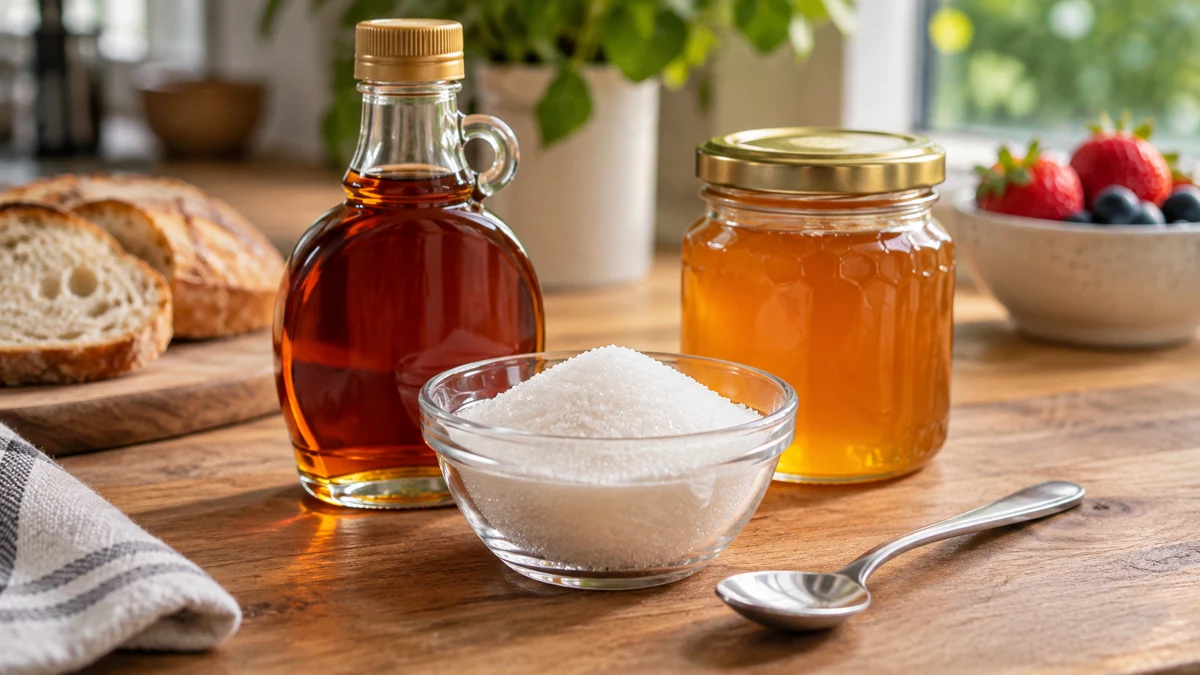
This week, look at the sugars and sugary products in your reserve. They can have a place in recipes and the comfort of the home, without becoming the basis of food. The objective…
Read the article →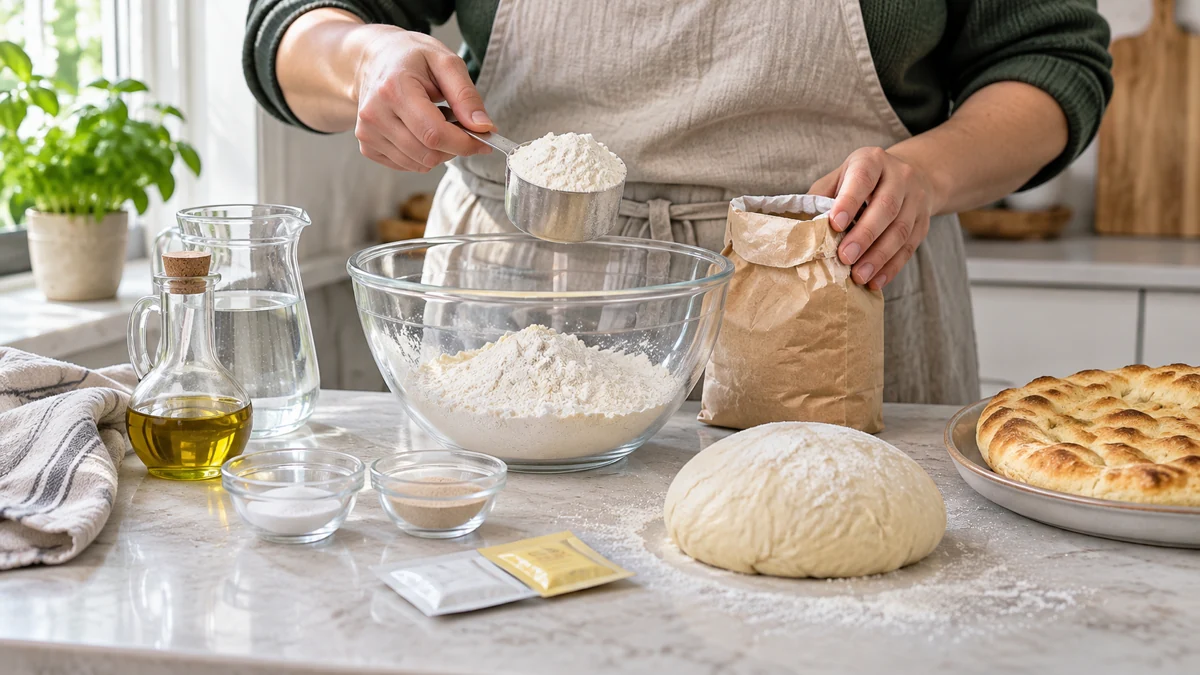
This week, turn pastry ingredients into truly mastered recipes. Flour, yeast, baking powder, salt or starch can complete the reserve, but their functions differ.…
Read the article →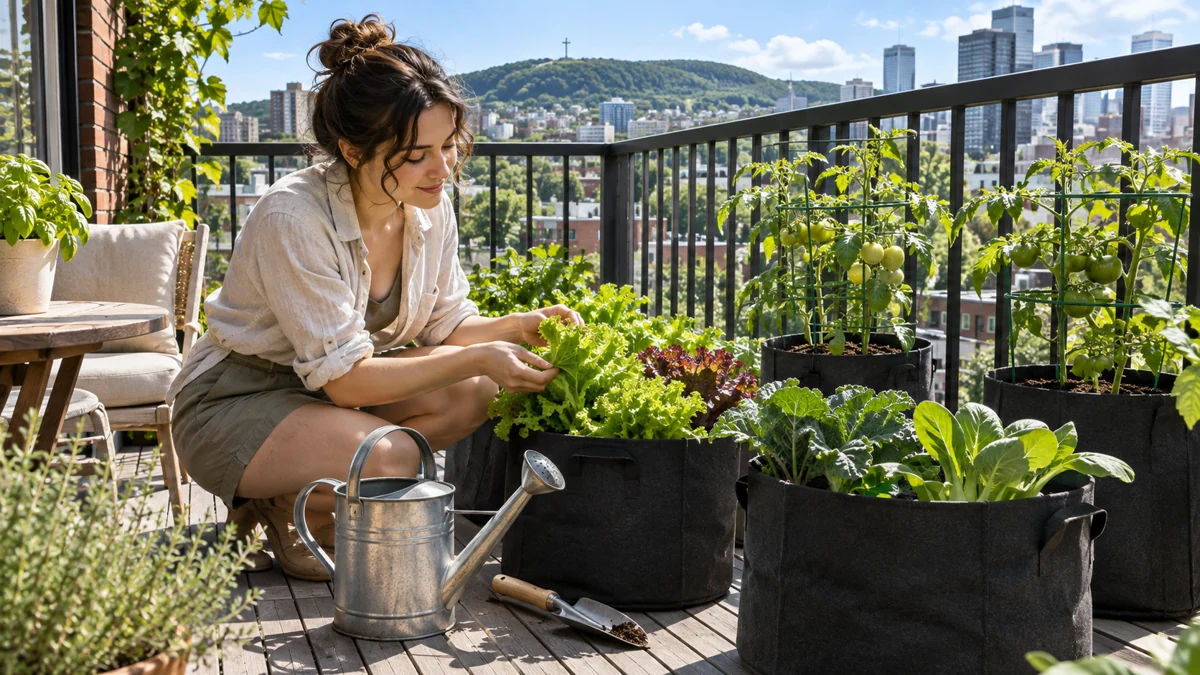
This week, choose a first gardening action adapted to the place and the season. Cultivating can complement diet and develop skills. A garden or a small farm…
Read the article →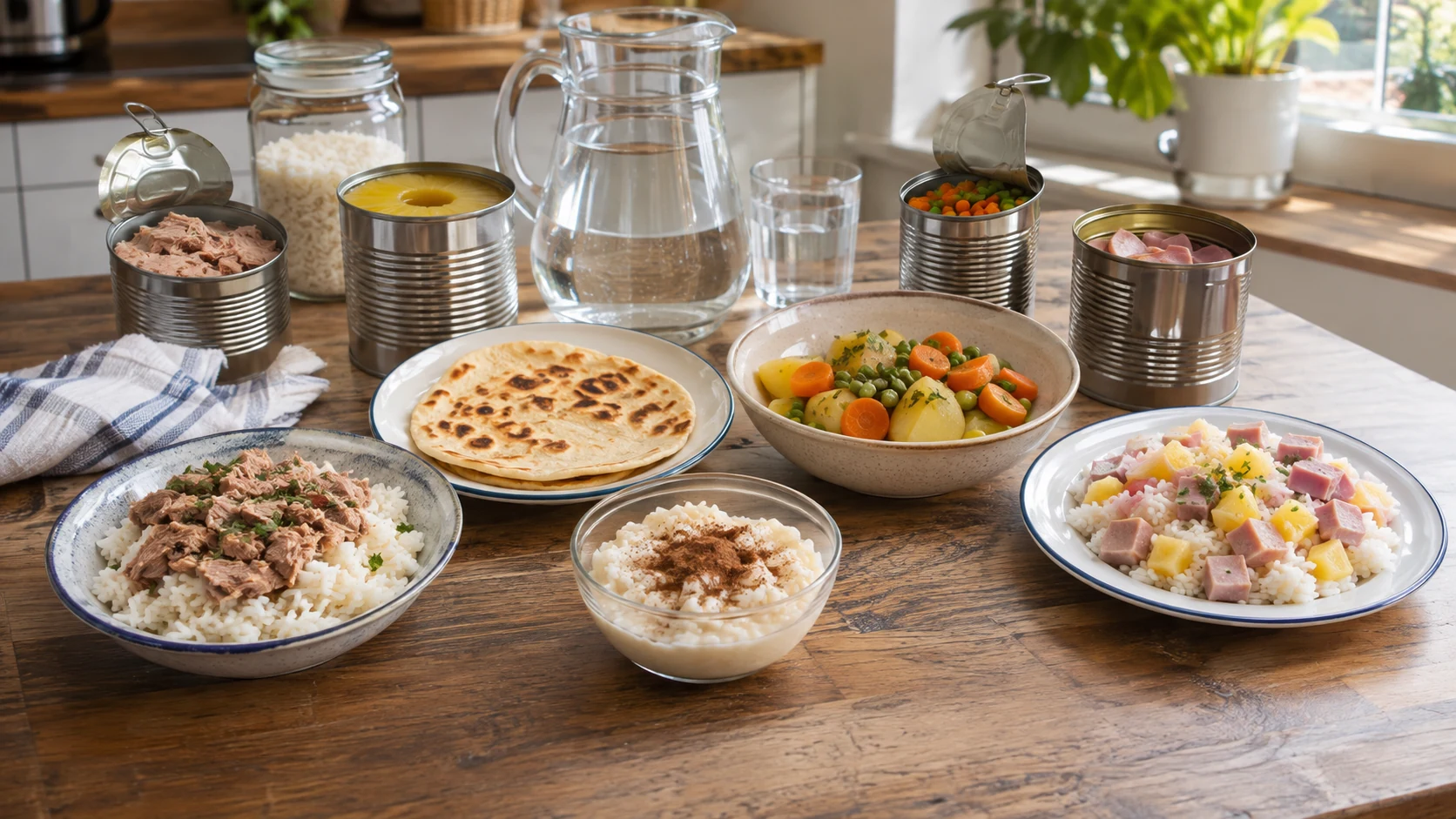
A reservation becomes useful when you know how to make meals accepted by your home. This day 19 takes five kitchen pantry ideas and explains how to try them before a breakdown. He…
Read the article →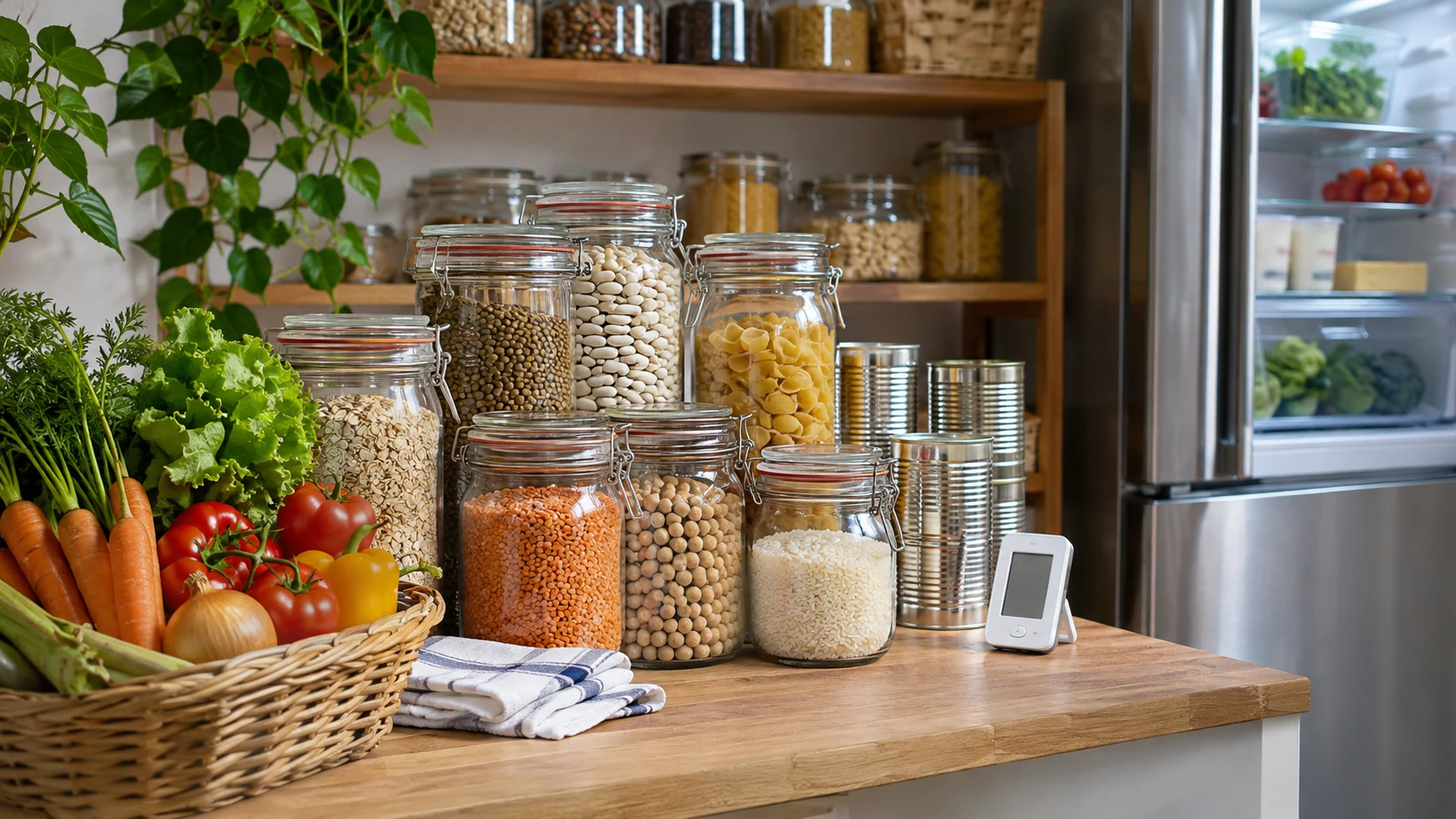
Conserving food requires choosing a method that is appropriate to the product and its storage conditions. For day 10, the goal is not to make any food stable several times.…
Read the article →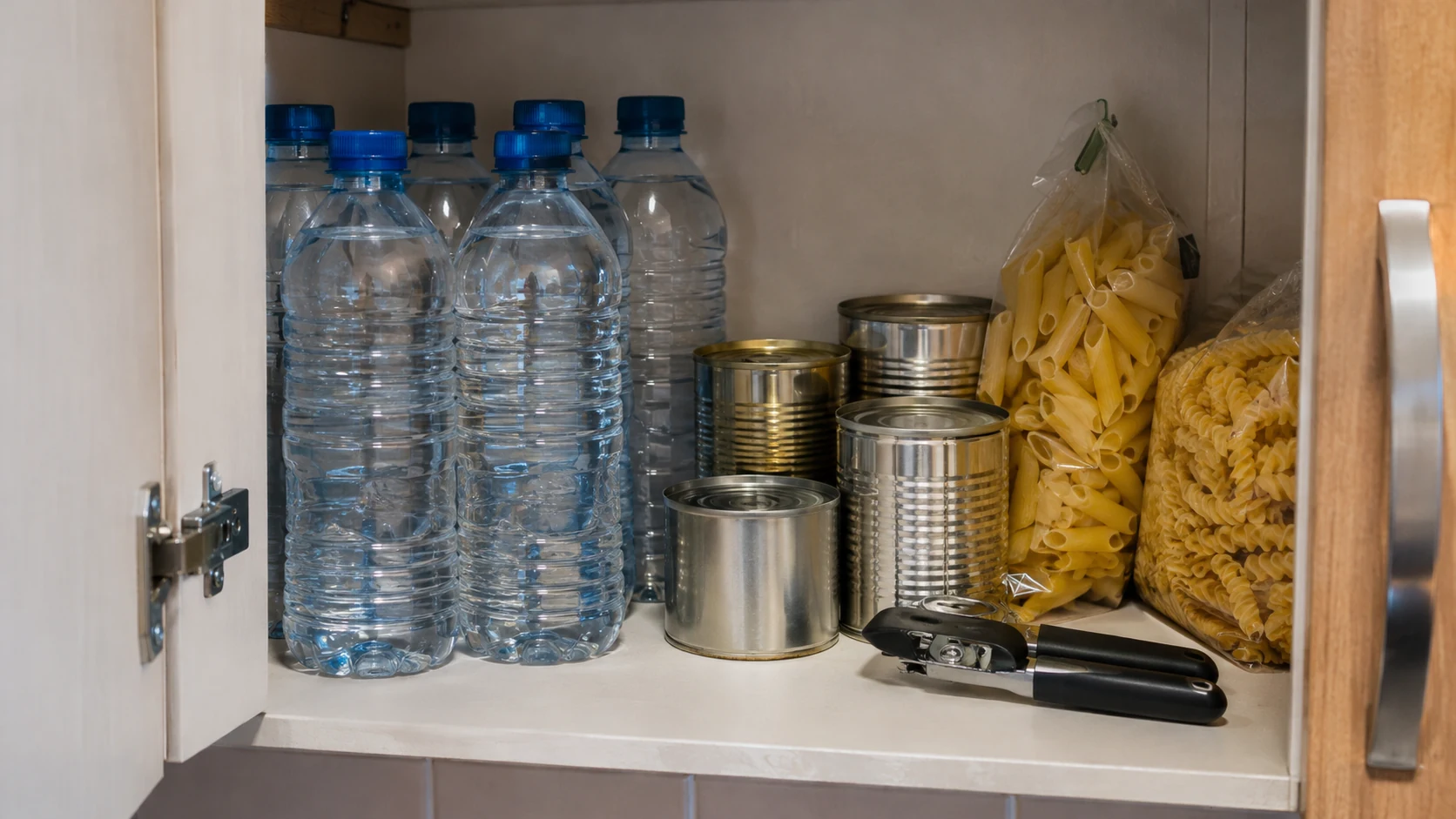
A starting reserve can be established with ordinary food and a progressive organization. For day 6, start with a few meals that your household knows how to use, and then adjust the…
Read the article →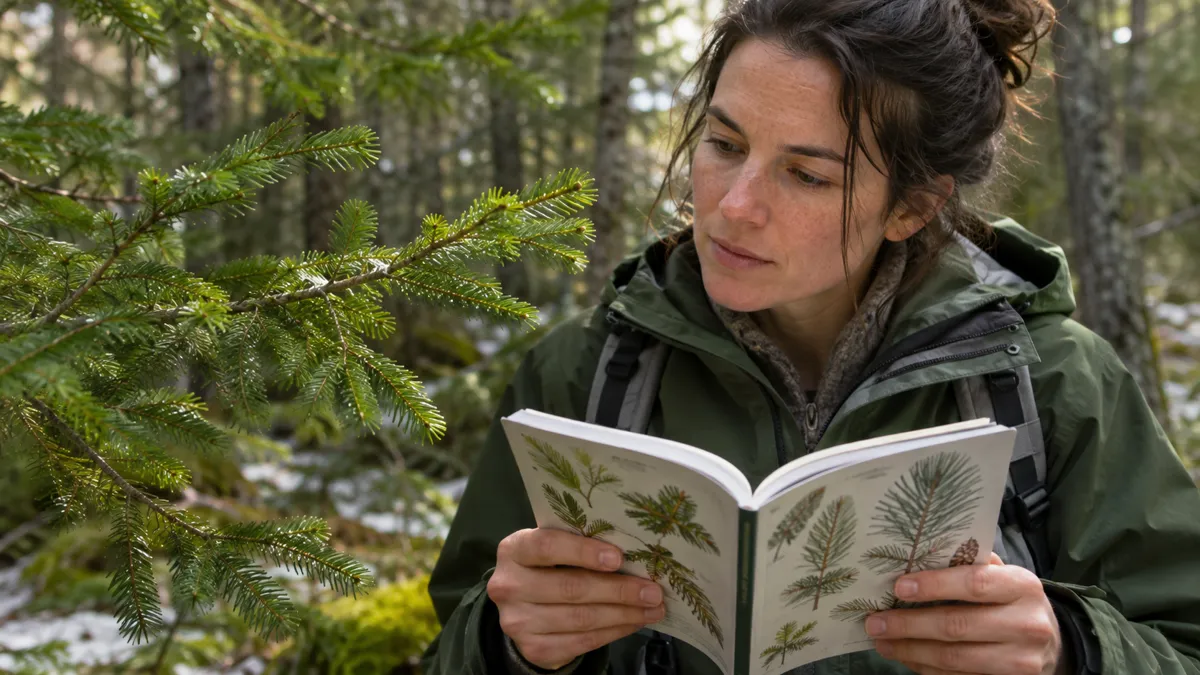
Conifer needles are of interest to picking enthusiasts for their aromas and traditional uses.
Read the article →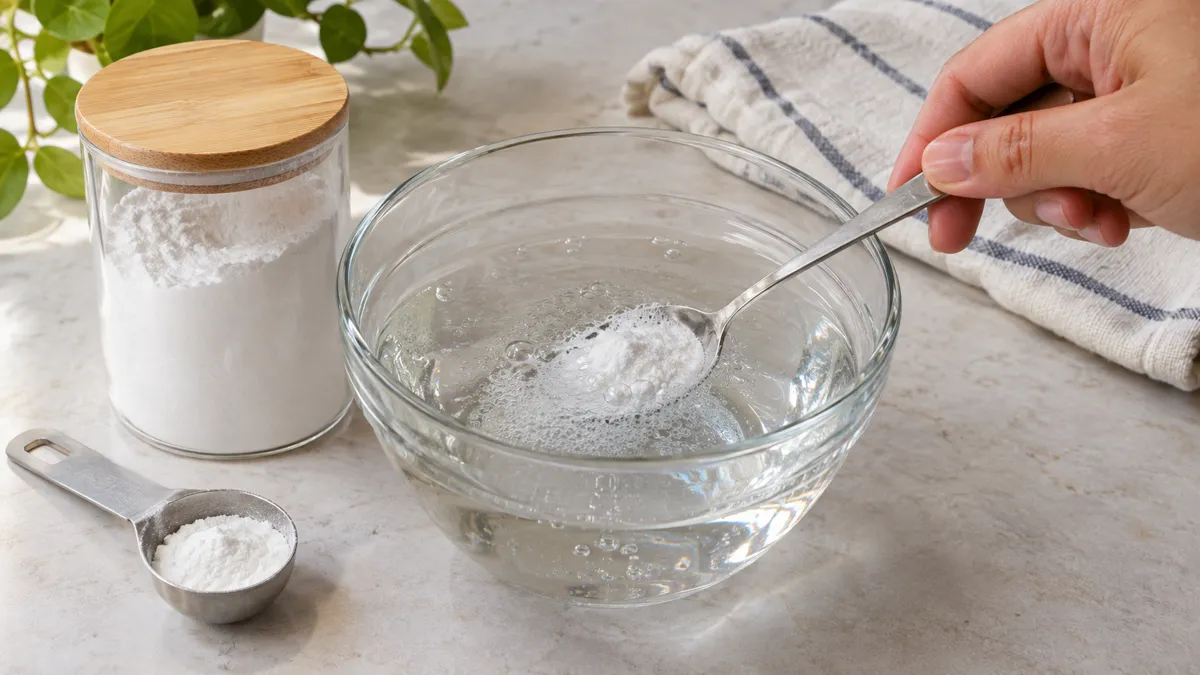
When we think of “food reserves”, we often target rice, legumes, oil or sugar.
Read the article →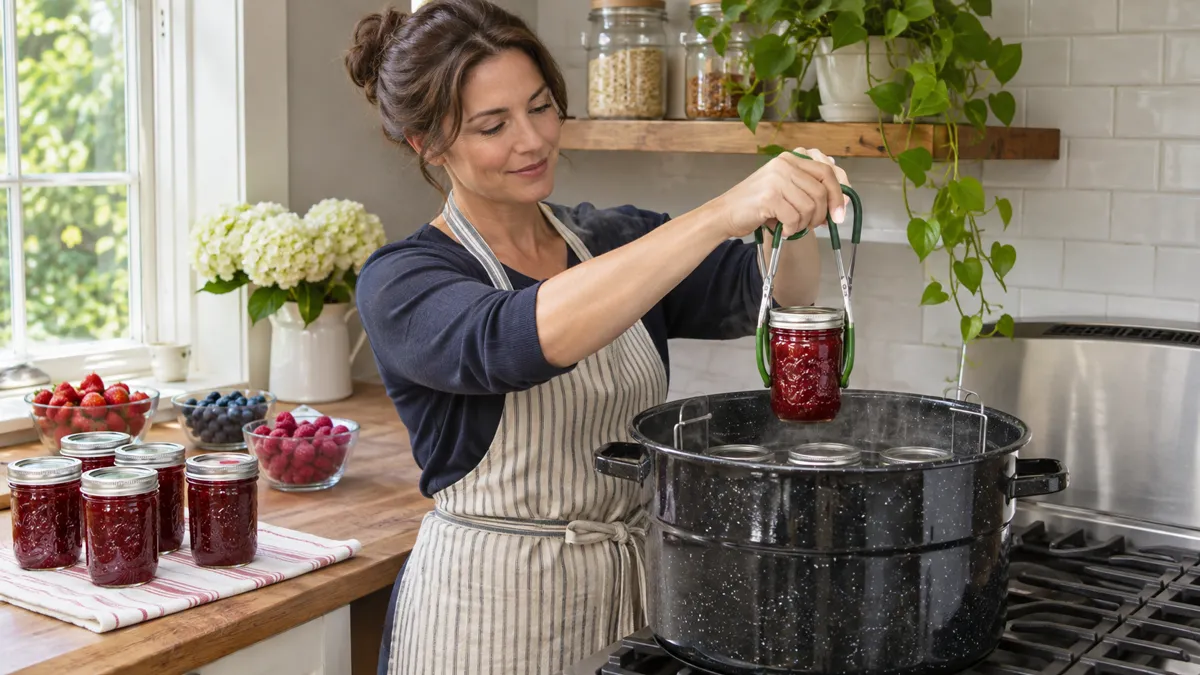
A jam can take thanks to the pectin naturally present in fruits, without the addition of commercial pectin.
Read the article →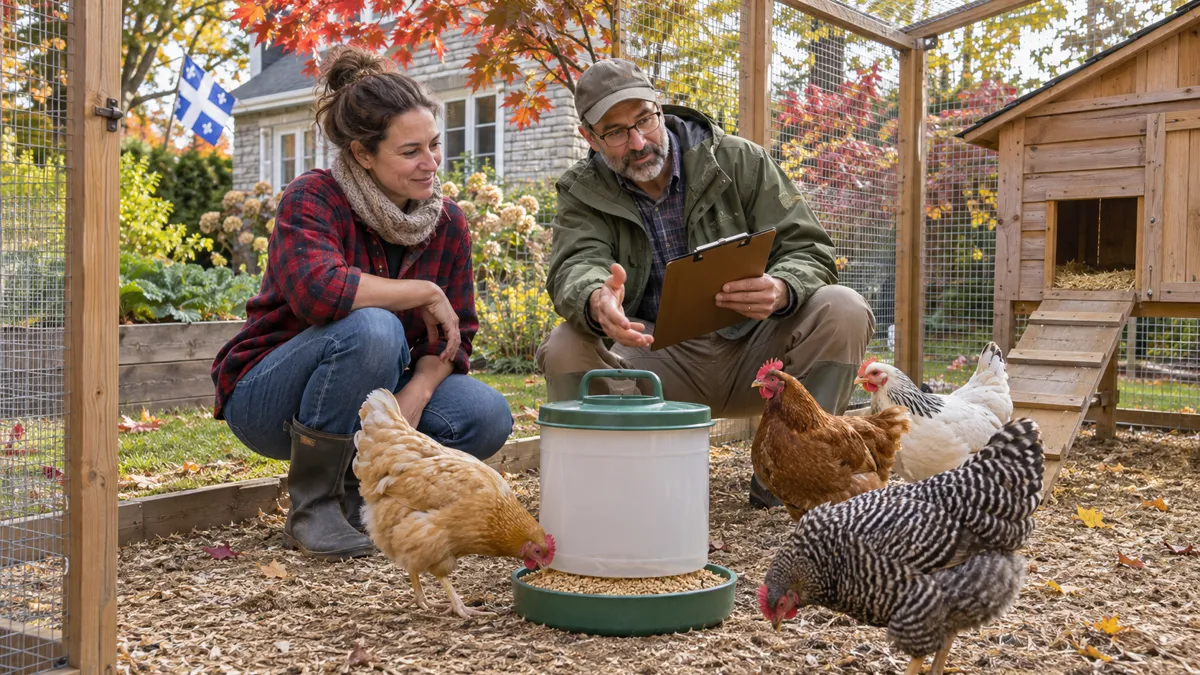
A small livestock depends on a regular diet, water, care and suitable housing.
Read the article →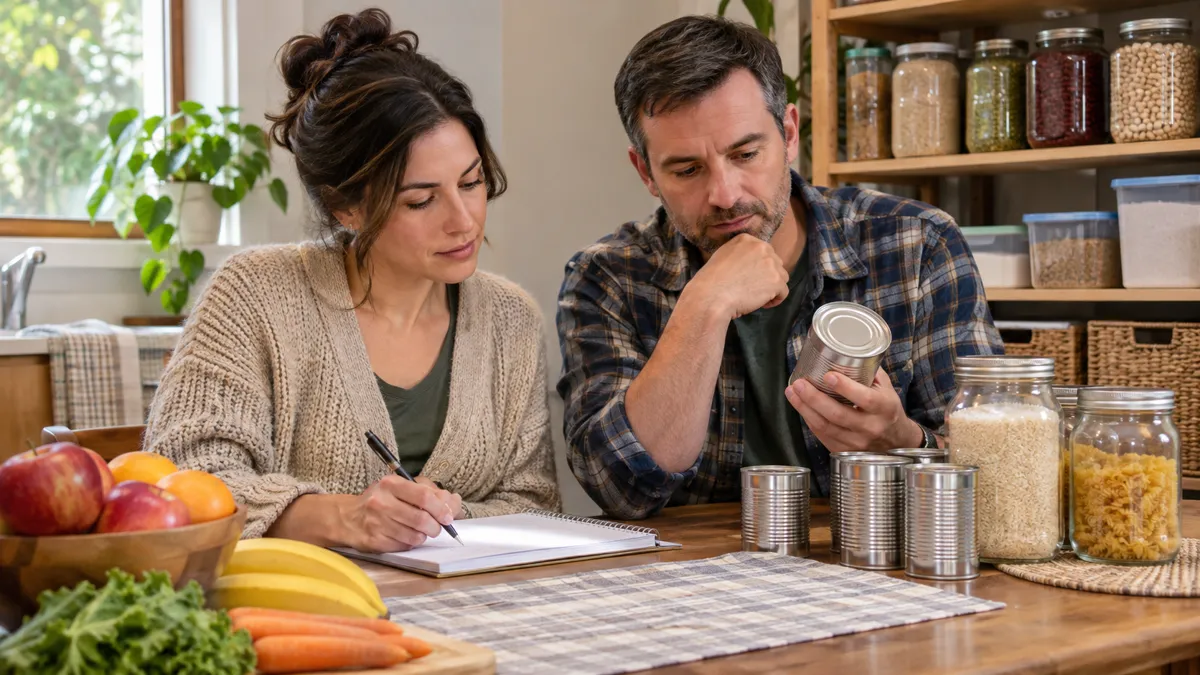
Knowing your consumption helps to prepare a reserve and reduce losses.
Read the article →
Permaculture can help to observe a site, conserve resources and develop an adapted production.
Read the article →
A balcony can accommodate some potted crops when sunshine, watering, permissible load and building rules allow.
Read the article →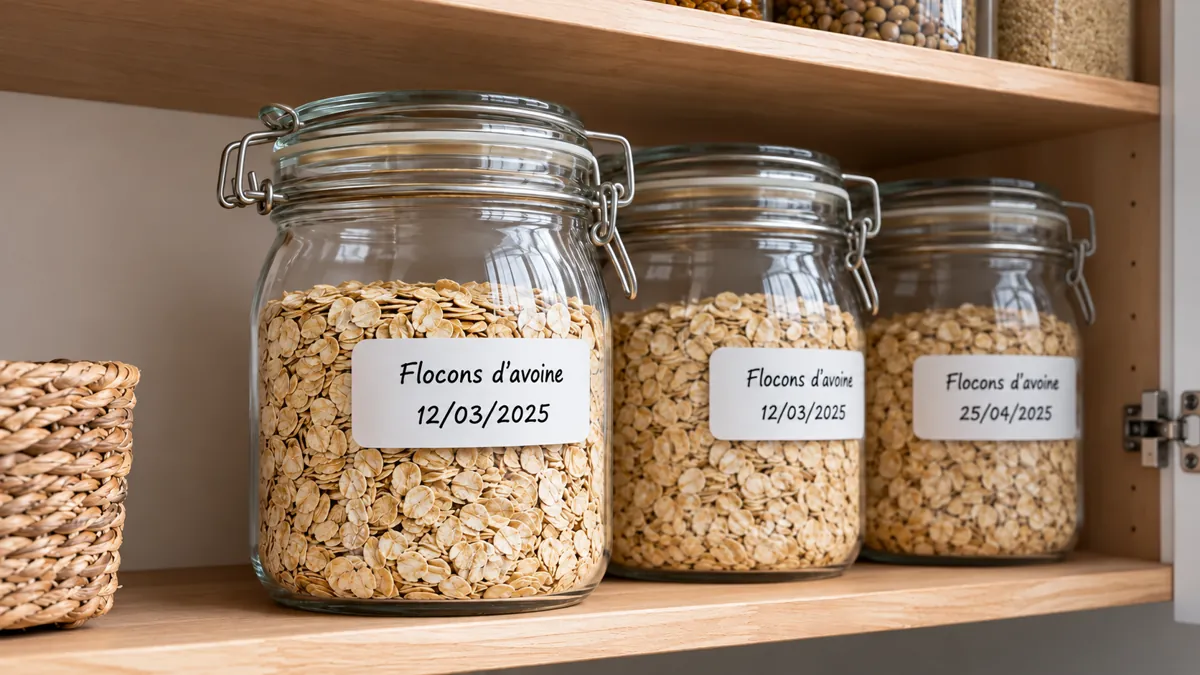
Choose suitable food storage, respect the conditions of the product and avoid promises of duration or inappropriate chemicals.
Read the article →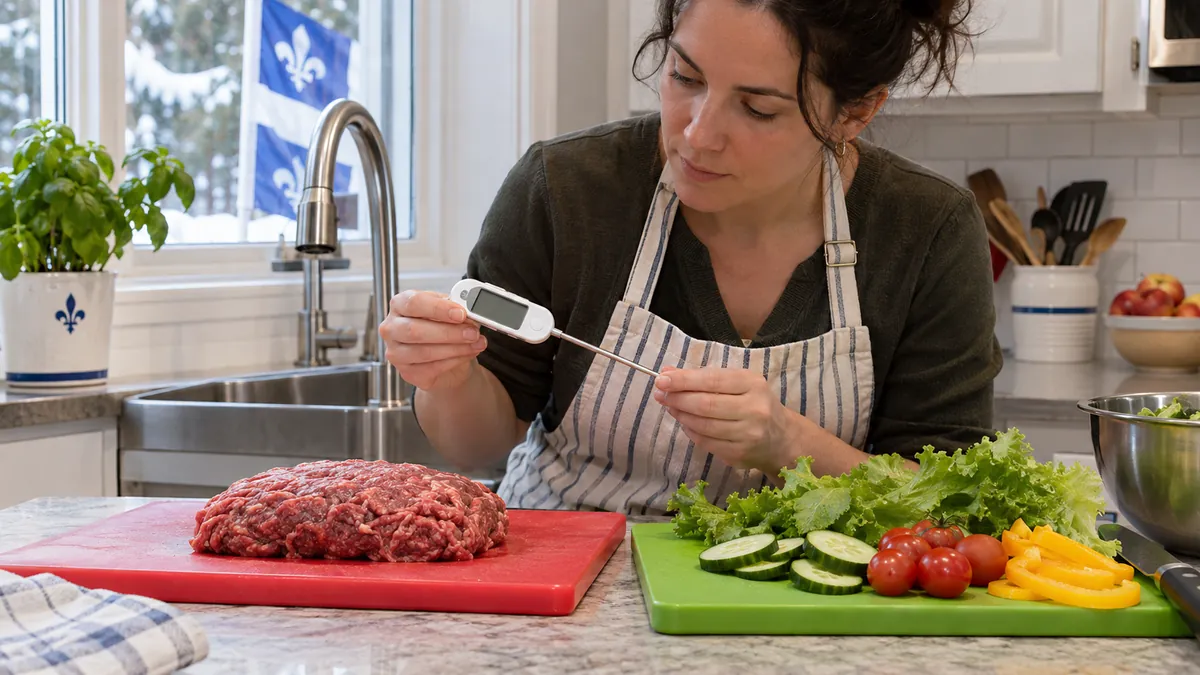
Check reminders, separate raw and ready-to-eat foods, and control cooking ground beef with a thermometer.
Read the article →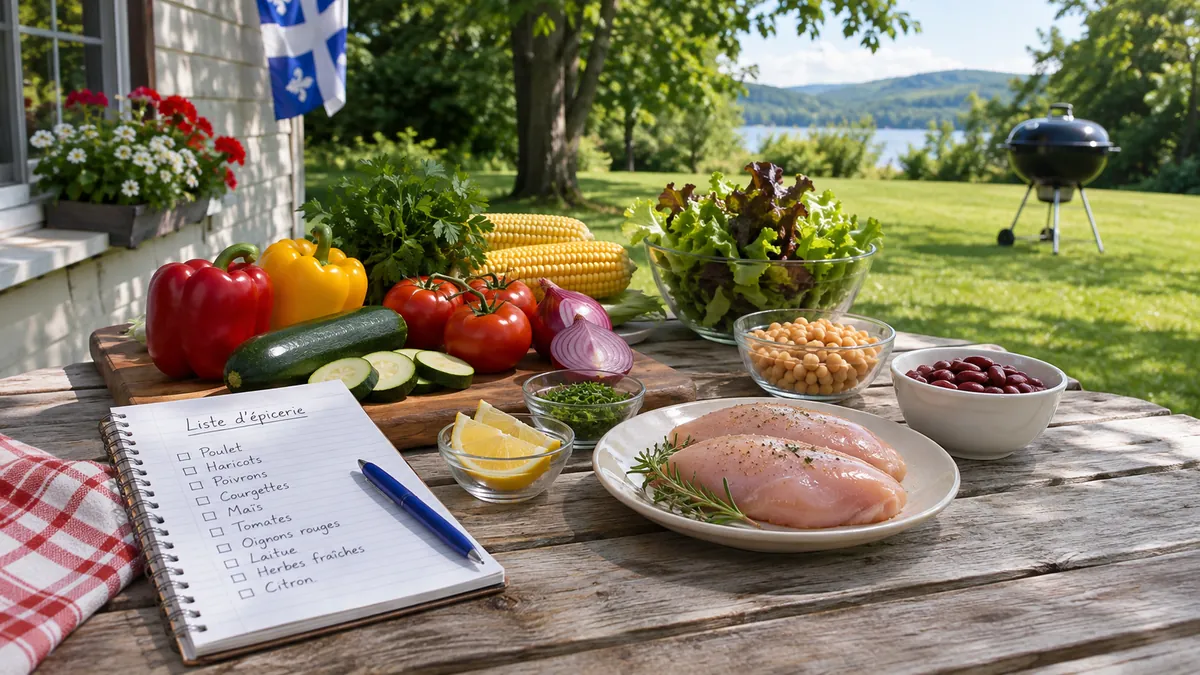
Plan meals, compare portion costs and use reserves before buying more.
Read the article →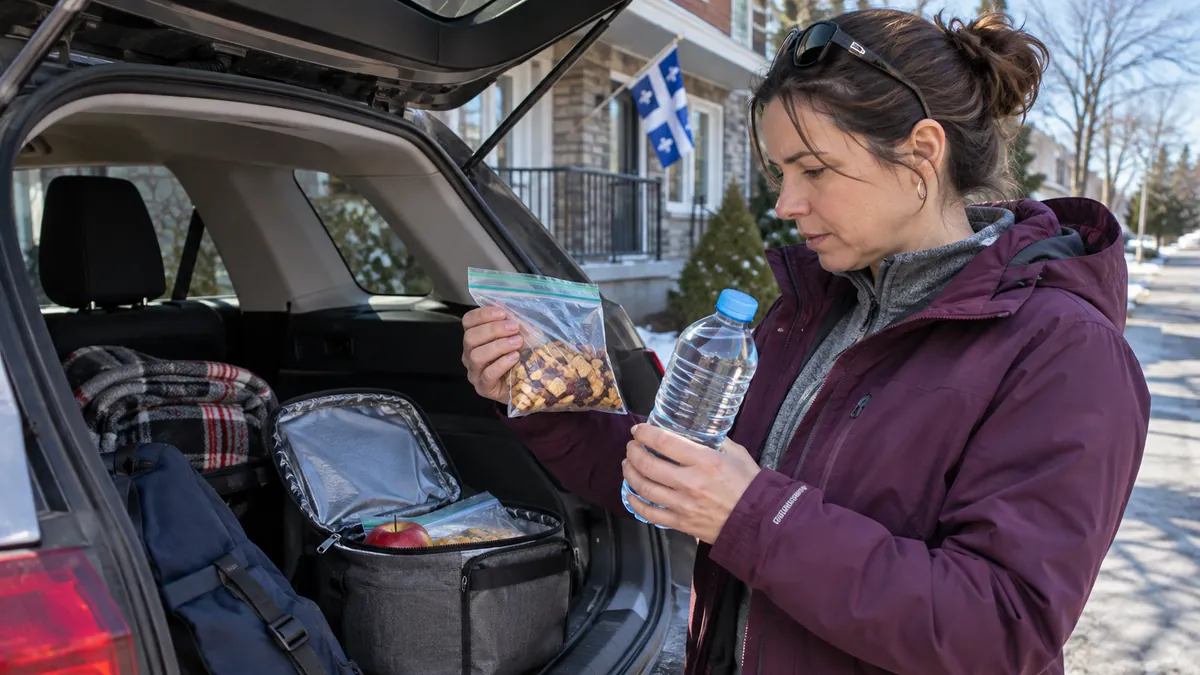
Adapt the travel reserve to food temperatures and instructions, without assigning a universal duration to the trunk of a car.
Read the article →
Distinguish between environmental contamination, fish recommendations and drinking water advisories to take the right action in Quebec.
Read the article →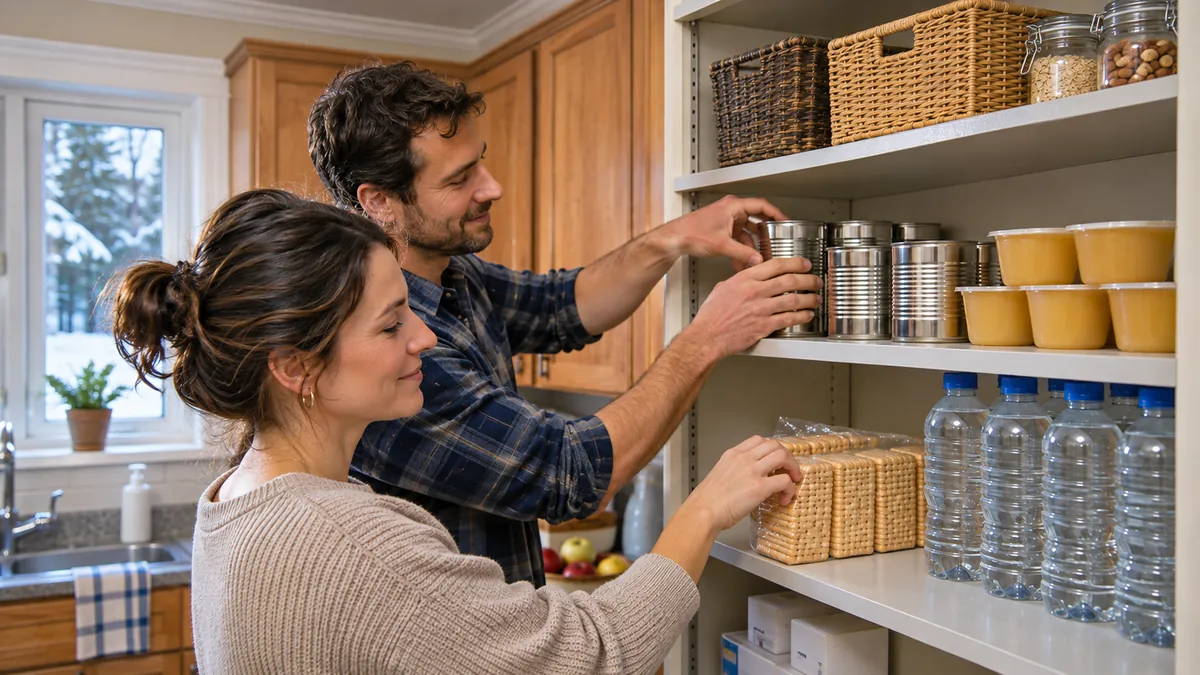
Prepare a first reserve with usual foods, take into account the needs of the home and organize rotation and conservation.
Read the article →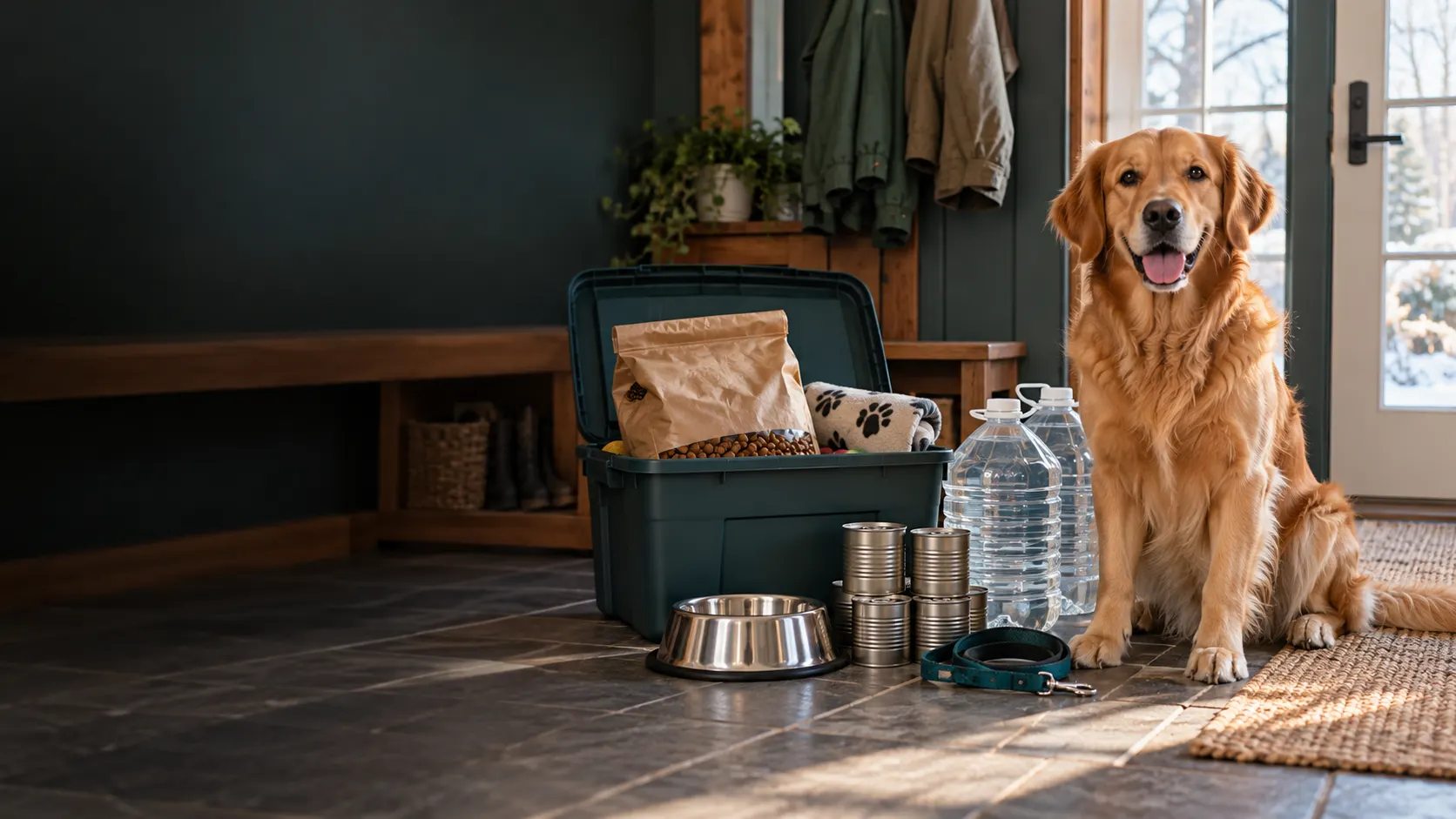
Use the dog’s eating habits and expected duration to estimate a reserve, then check with your veterinarian for special needs.
Read the article →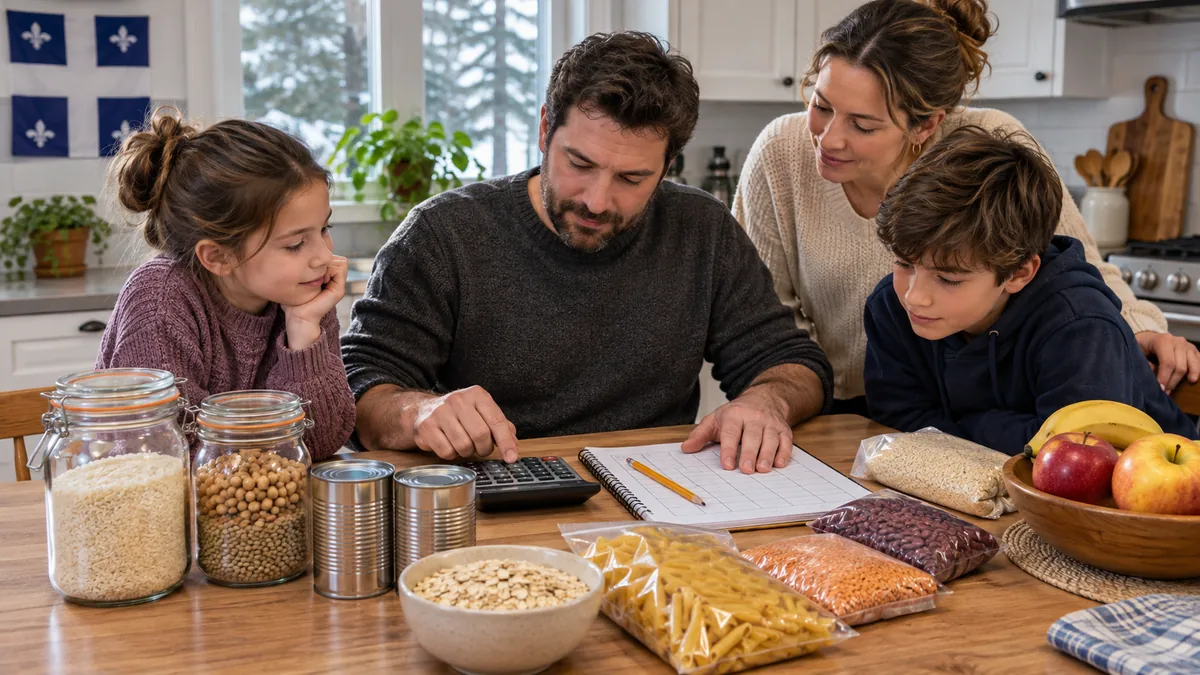
Starting from the usual meals and the number of people to organize a reserve consumed, renewed and adapted to the available storage.
Read the article →
A well-constituted family emergency kit can make the difference between panic and serenity when an unforeseen event occurs (storm, generalized power failure, flood, earthquake, etc.).…
Read the article →