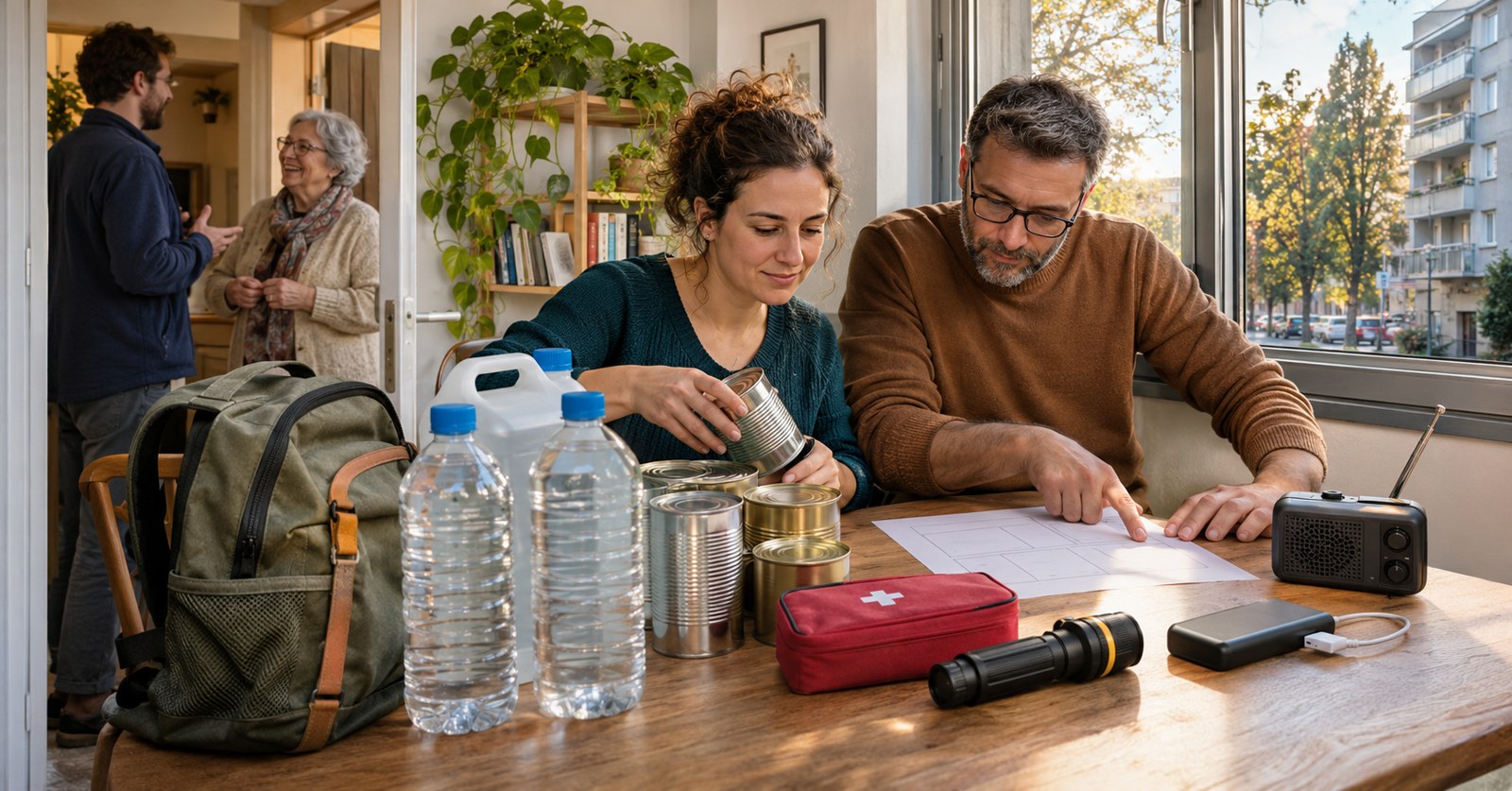
Integrated Urban Preparedness: getting ready in cities and suburbs
Water, meals, energy, travel and mutual aid: a complete approach to preparing a household in a city, apartment or suburb without seeking total self-sufficiency.
Read the article →

Topic guide
Reduce housing risks and make essential resources accessible.
Preparing with method
Home is the first place of preparation. Fire prevention, safe storage, service cuts and adaptation to occupants form a sustainable basis.
Identify the risks specific to the building, climate and occupants.
Add appropriate alarms, fire extinguishers, lamps and protections.
Make cuts, documents and supplies accessible without blocking exits.
Test the alarms, inspect the equipment and update the plan every season.
Readings to deepen this theme and prepare your next actions.
Water, meals, energy, travel and mutual aid: a complete approach to preparing a household in a city, apartment or suburb without seeking total self-sufficiency.
Read the article →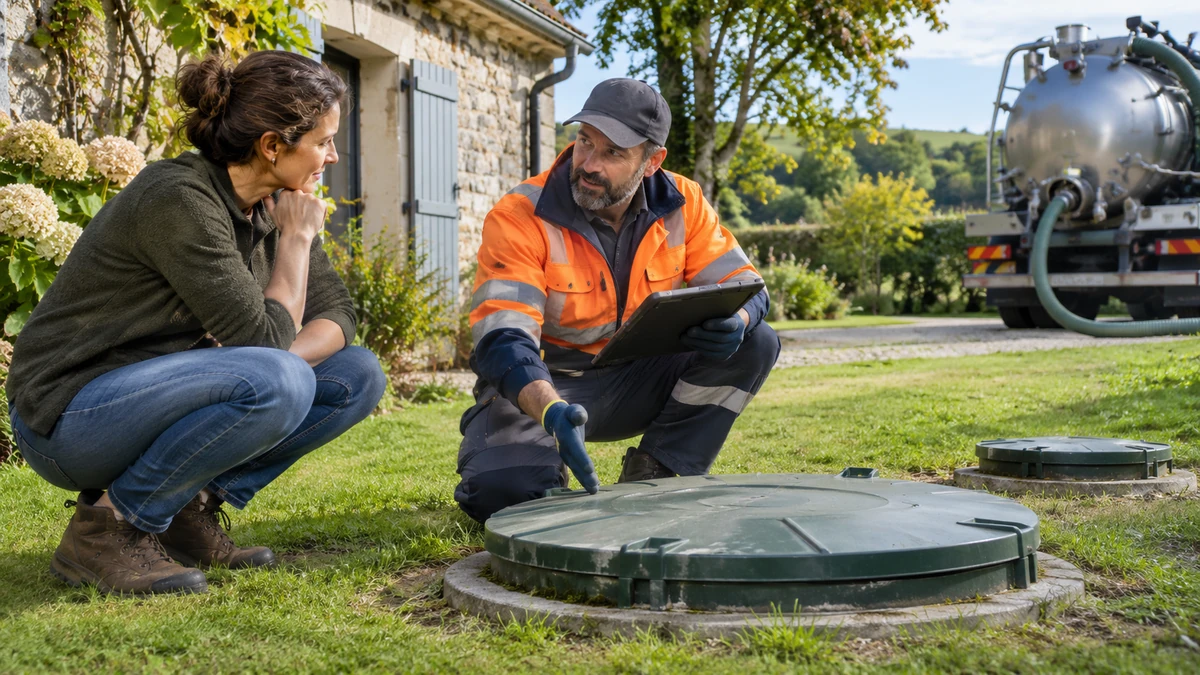
Compare off-grid sanitation options and understand health, technical and regulatory limits before planning a system.
Read the article →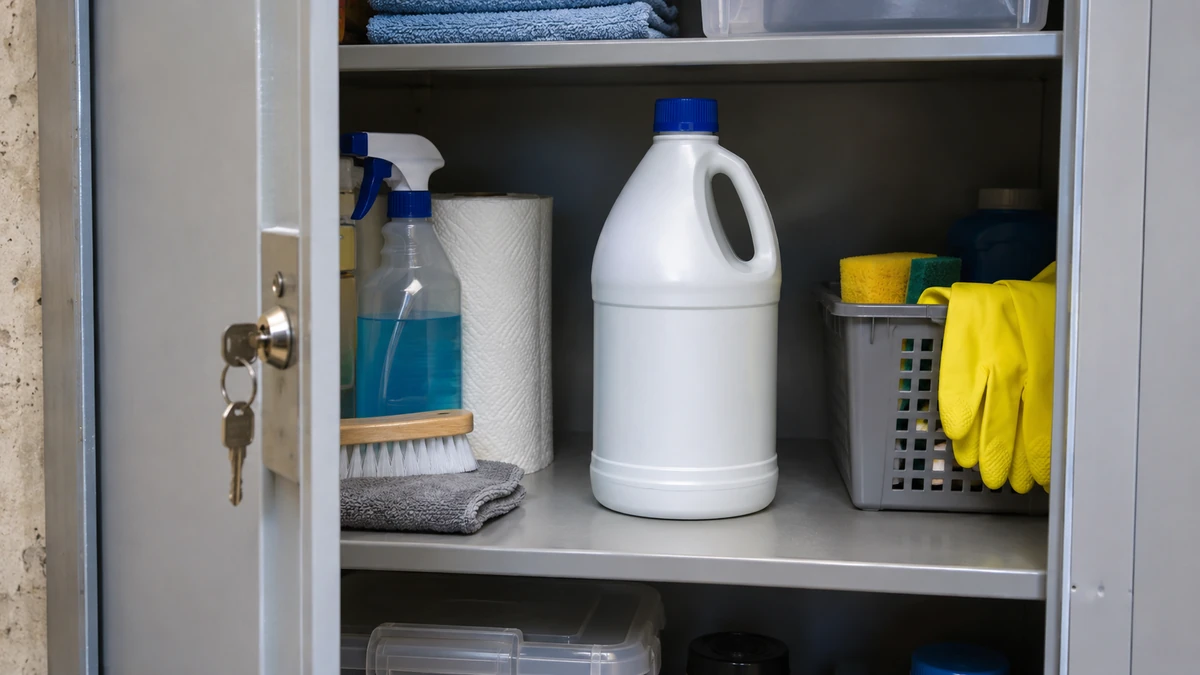
Understand bleach ageing, read the label and distinguish storage, cleaning and drinking-water treatment.
Read the article →
Review home access, lighting and habits to reduce opportunities for intrusion while preserving safe evacuation.
Read the article →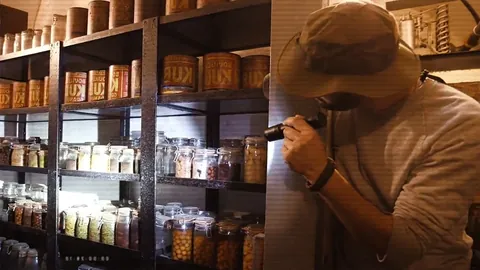
Organize supplies by location and need so they are easy to find without blocking exits or creating new hazards.
Read the article →
An underground shelter project can attract interest, but it is not a compulsory step in personal and community preparedness. Before undertaking costly construction, define the hazard addressed, needs, resources and other…
Read the article →
Wild animals may visit properties in cities or the countryside without constituting a constant invasion. Gardens, garbage, feeders or the space beneath a deck can provide food and shelter. Understanding what attracts them helps…
Read the article →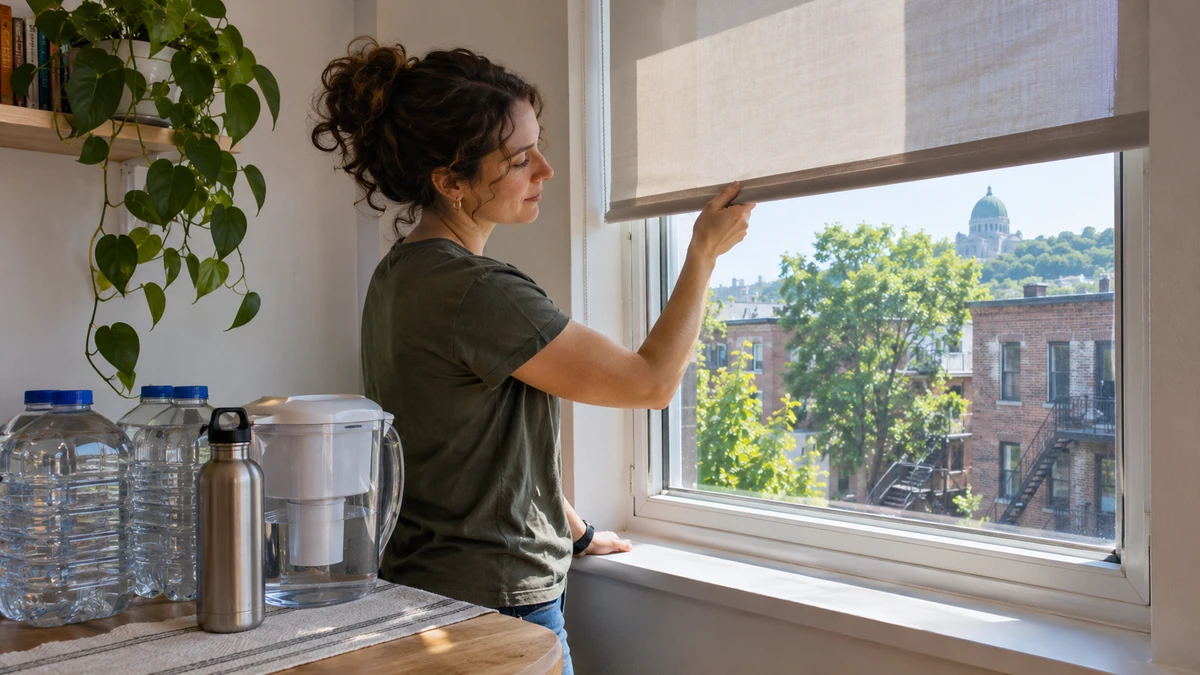
Montréal must adapt to a changing climate, including the heat and heavy rainfall addressed in municipal plans. Personal and community preparedness offers a practical response: understand risks, develop skills and organize the…
Read the article →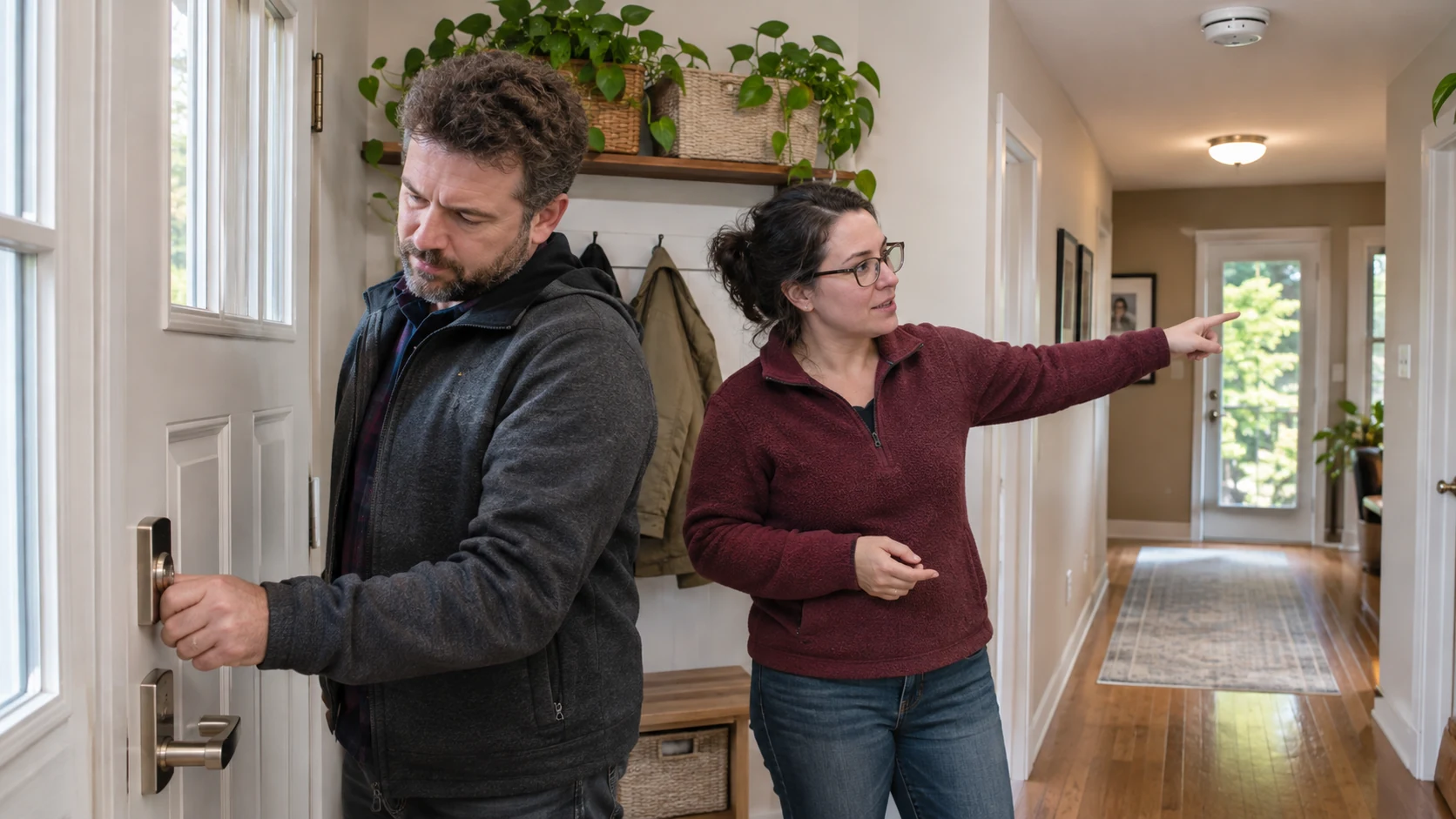
Improving the security of your home is about reducing intrusion opportunities, detecting a problem and allowing occupants to get out. A home turned into an obstacle can become dangerous during a fire. The right measure therefore…
Read the article →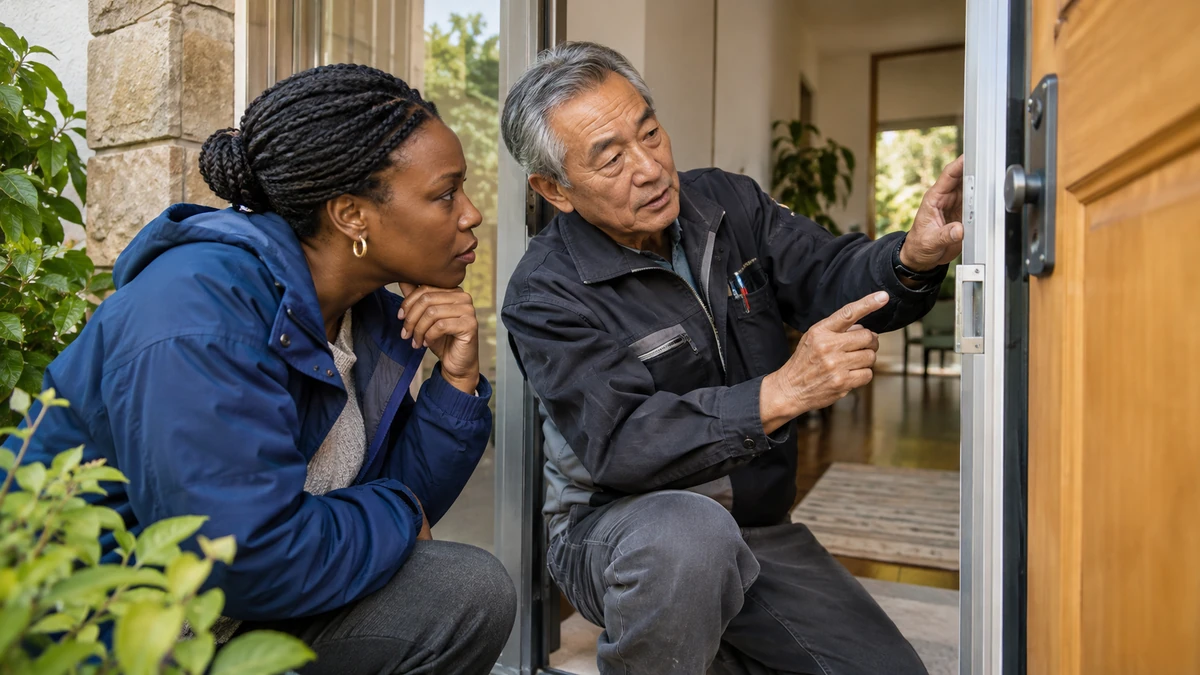
Improving the security of a home aims to reduce the chances of intrusion, detect a problem and save time to be safe. These measures must preserve exits and remain compatible with fire safety, accessibility and building rules.…
Read the article →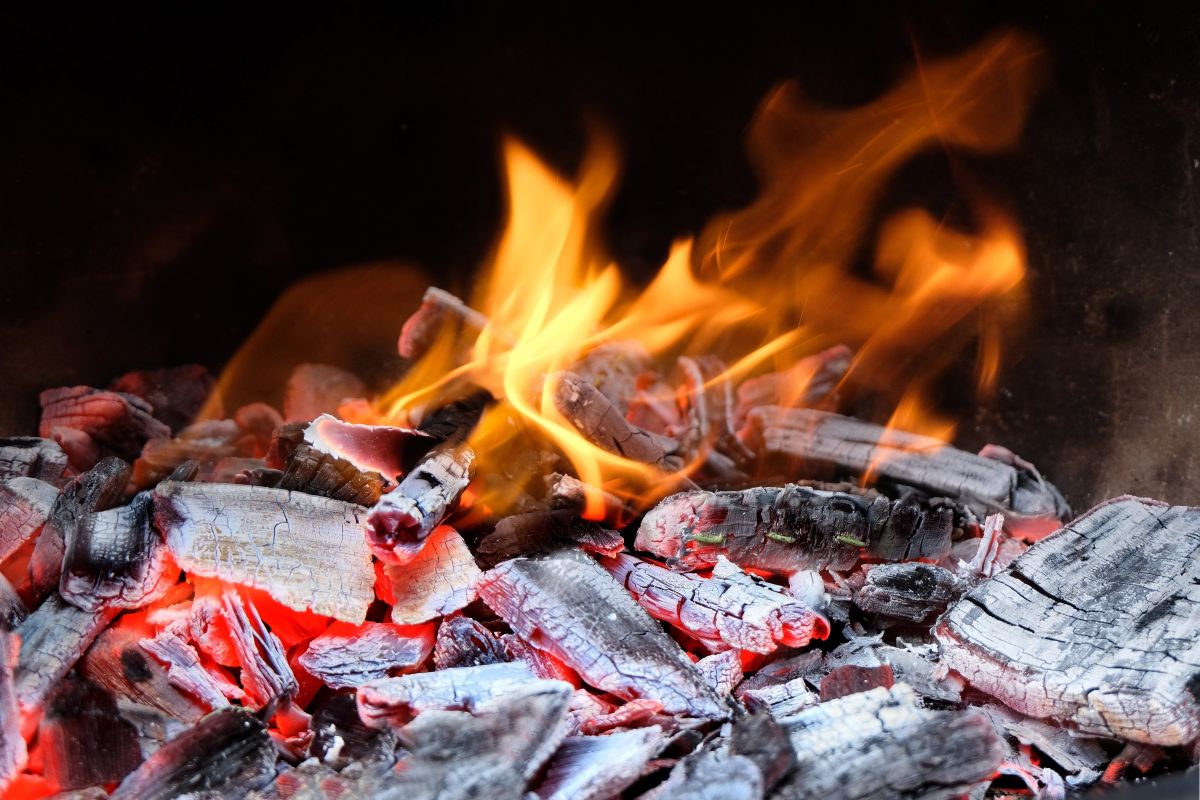
Wood heating leaves ash that first needs a plan for cooling and disposal. Some uses may be worth considering in a specific setting, but a list of household tips does not establish that they are effective or safe.
Read the article →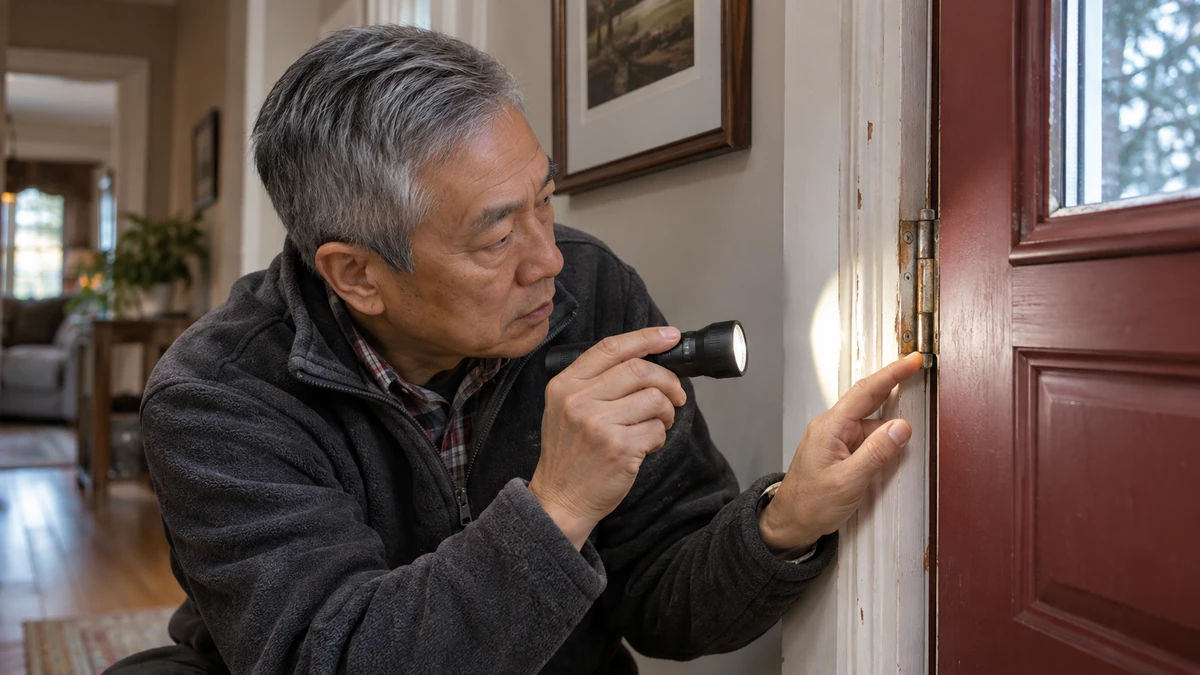
Finding weaknesses in home security means checking the entrances, routines and means of obtaining help for which you are responsible. The result should be a proportionate list of repairs and improvements that remains…
Read the article →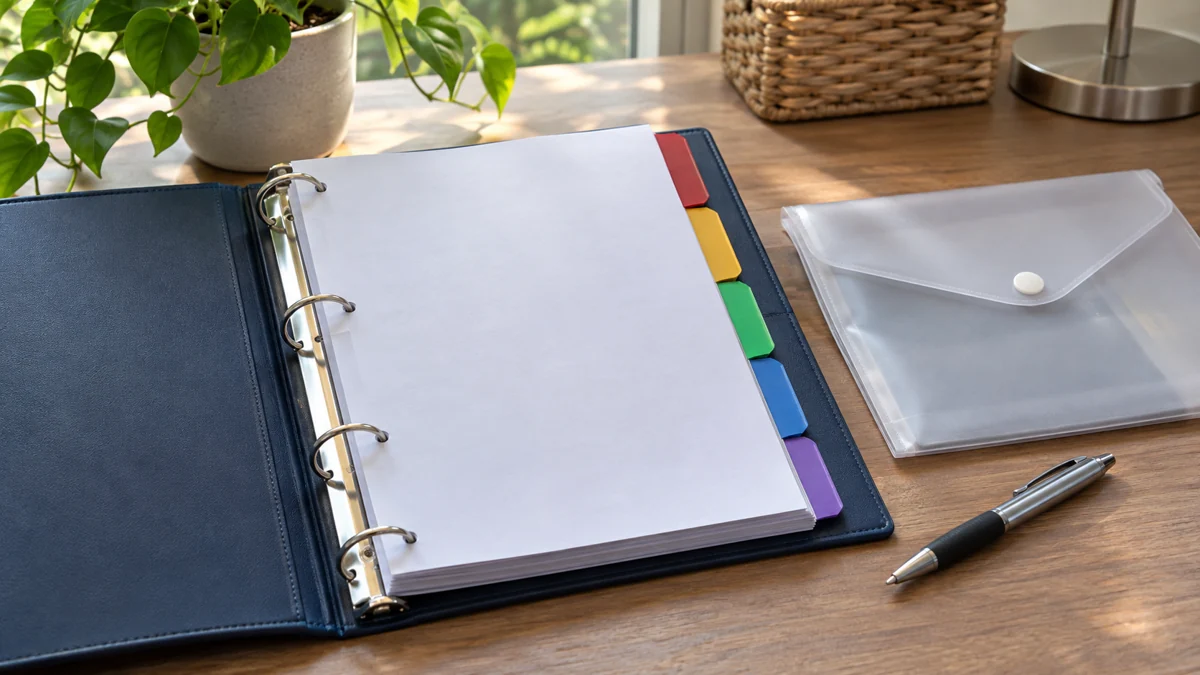
An emergency binder is used to retrieve the necessary information when a person used to managing the household is absent or a departure must be arranged. Its value depends on its simplicity, topicality and protection. He must…
Read the article →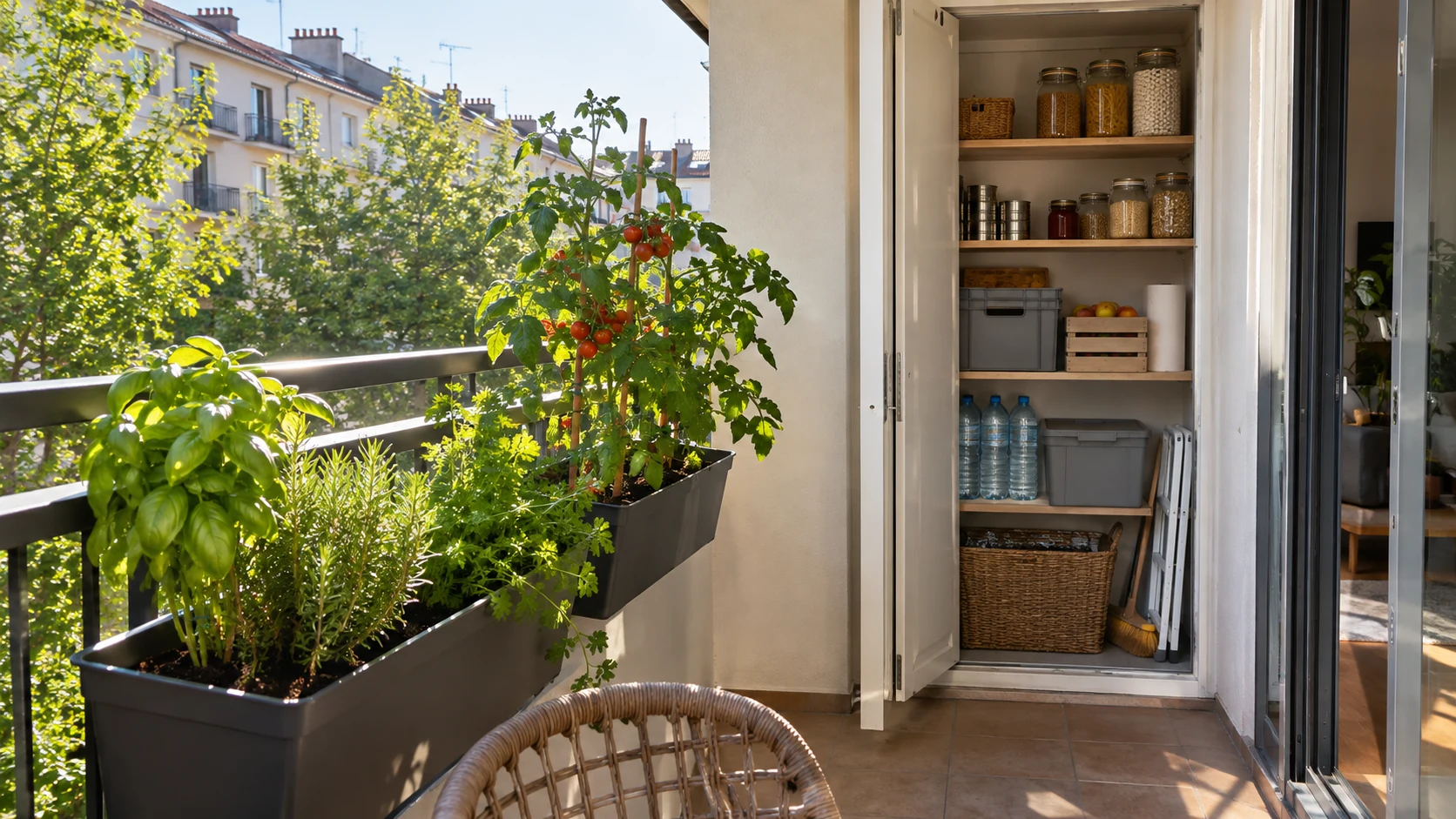
A small dwelling requires to choose: little storage space, sometimes no land and building constraints. It is still possible to prepare water, meals, lighting and a quick start.…
Read the article →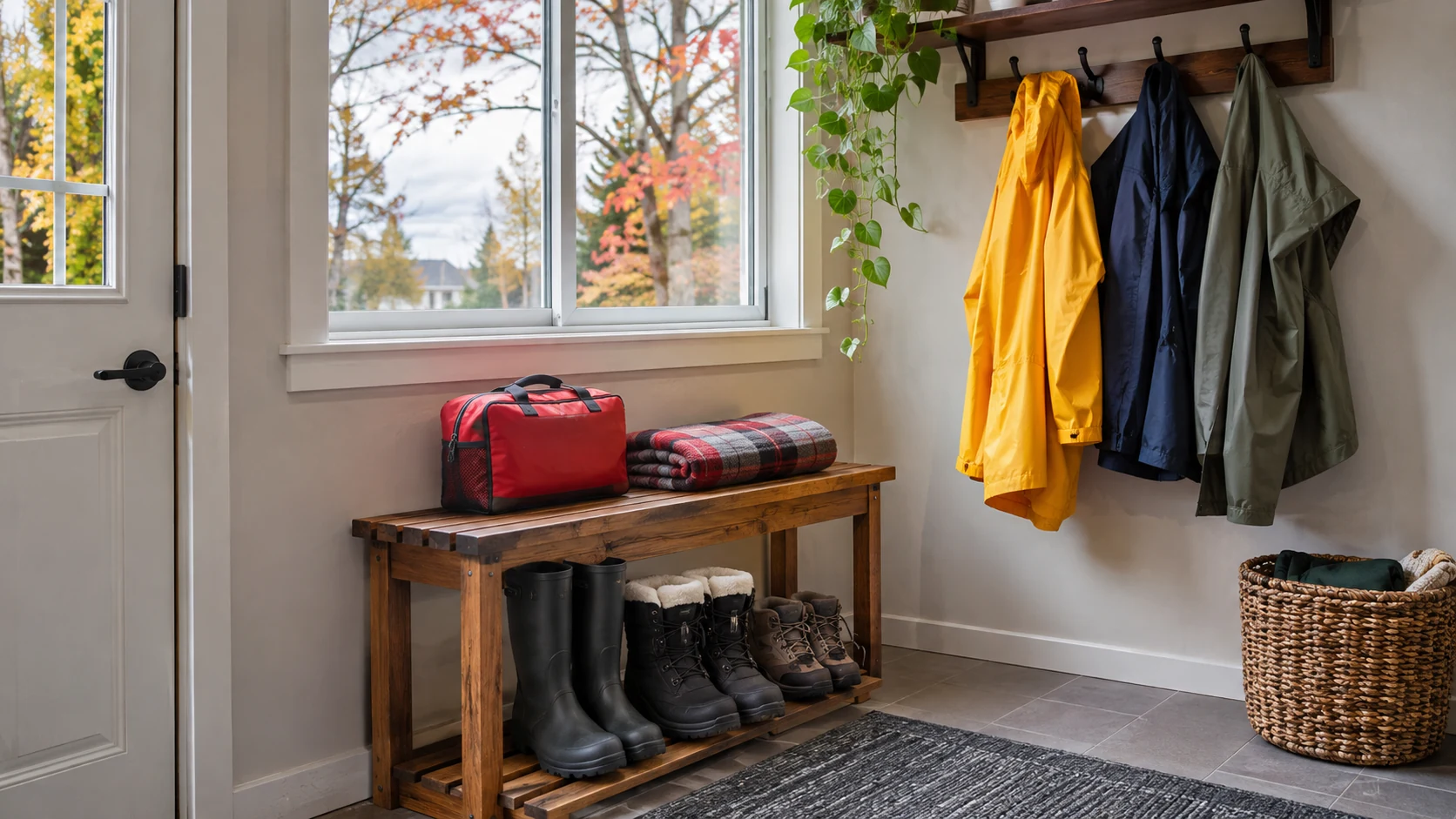
The preparation must follow the conditions of the moment: clothes, journeys, heating, water and maintenance change with the seasons. For day 14, review what may no longer be suitable for the home…
Read the article →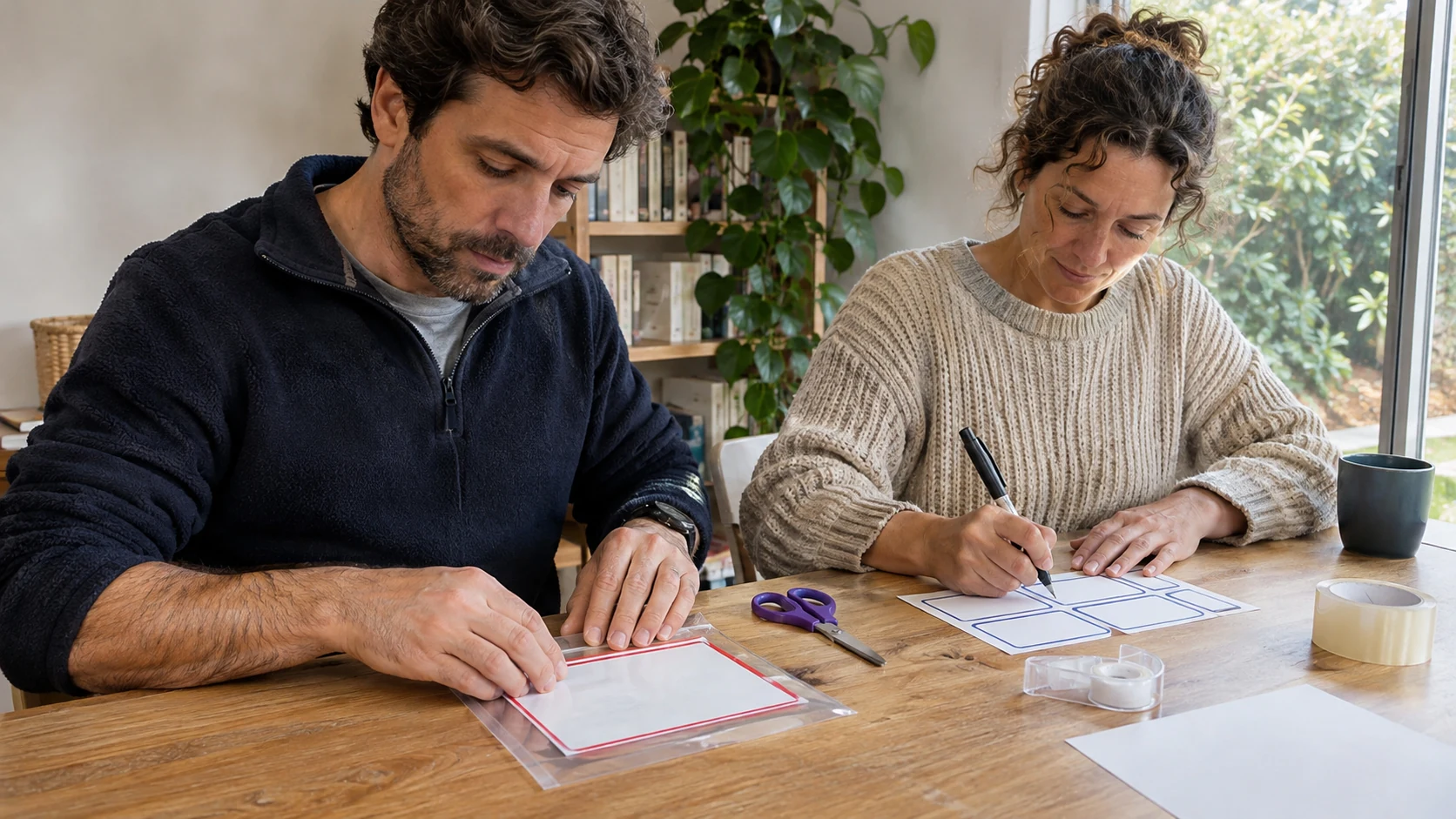
Making a storage, a plug or a small repair can make the preparation easier to use. For day 11, choose crafts that organize reliable resources. A video…
Read the article →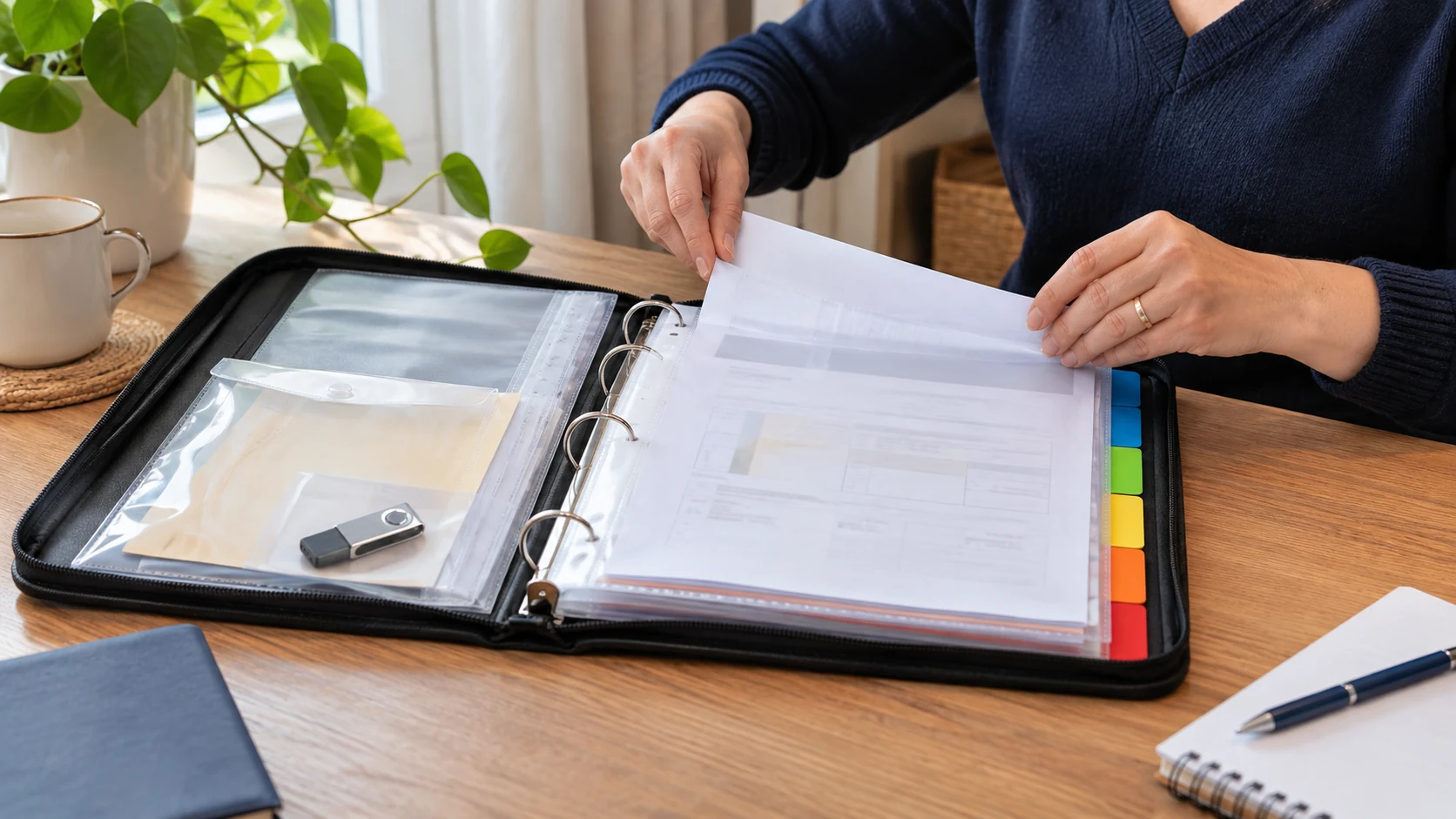
An emergency binder is used to find the information needed for care, reception and procedures. Its protection is based on several choices: select the documents, control the…
Read the article →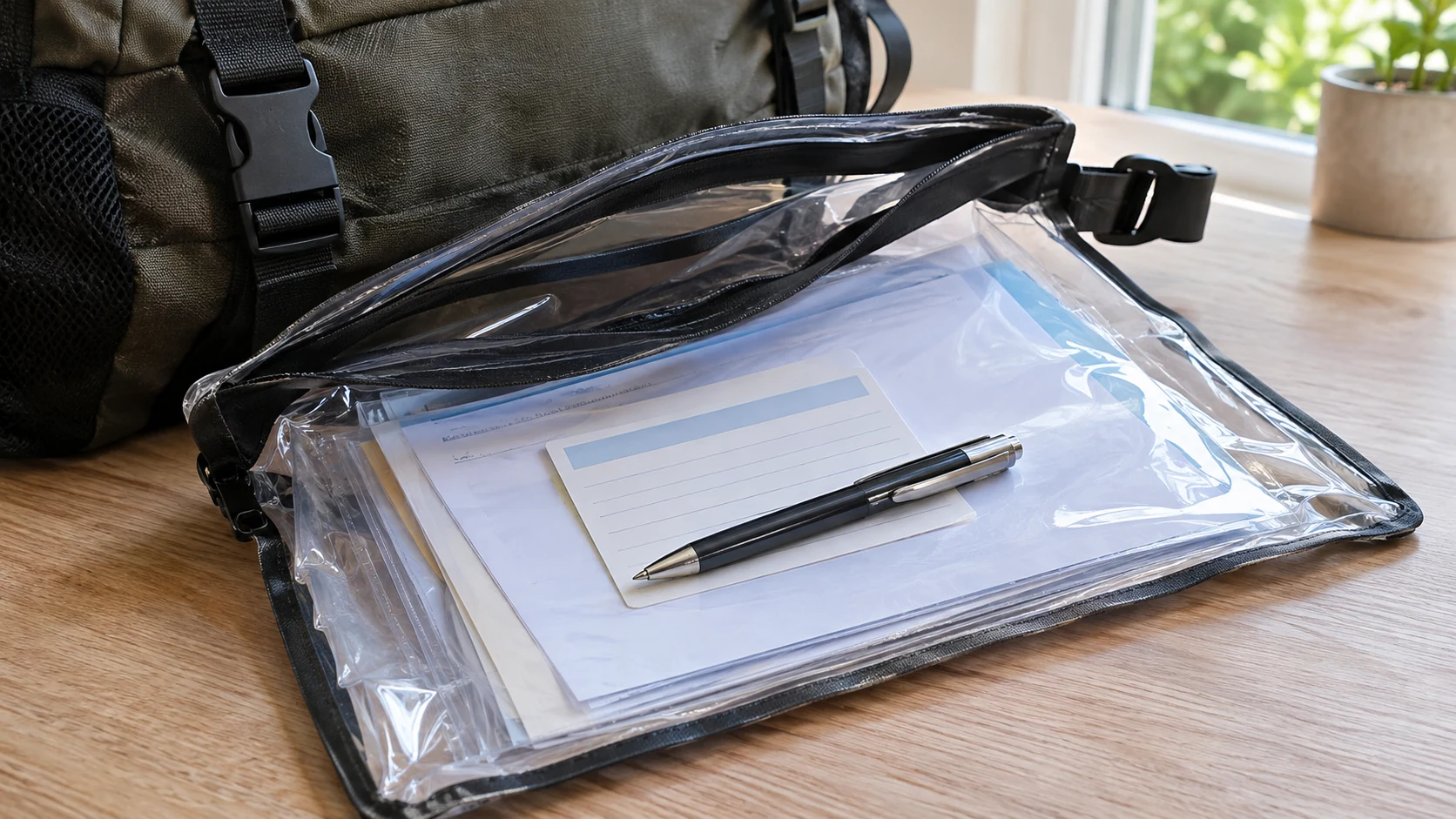
Documents and contacts can facilitate care, reception and procedures after a disaster. For day 3, gather a useful selection and protect it. You should never delay a…
Read the article →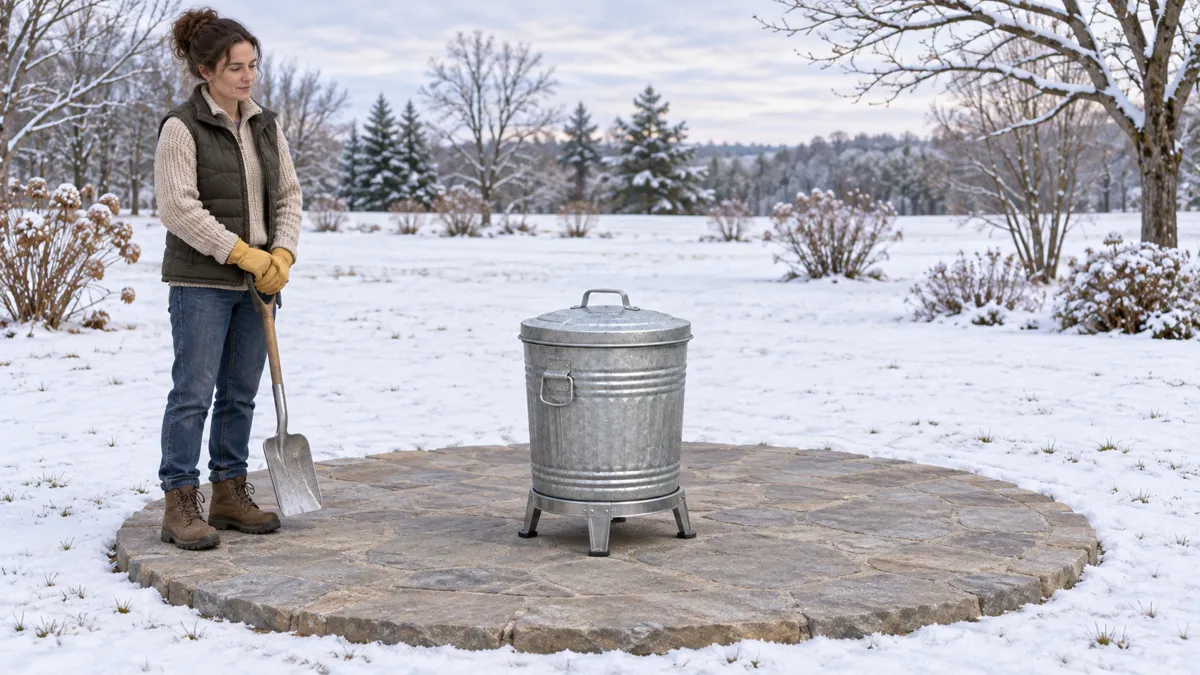
Wood-burning ash can sometimes be reclaimed, but its management begins with fire prevention.
Read the article →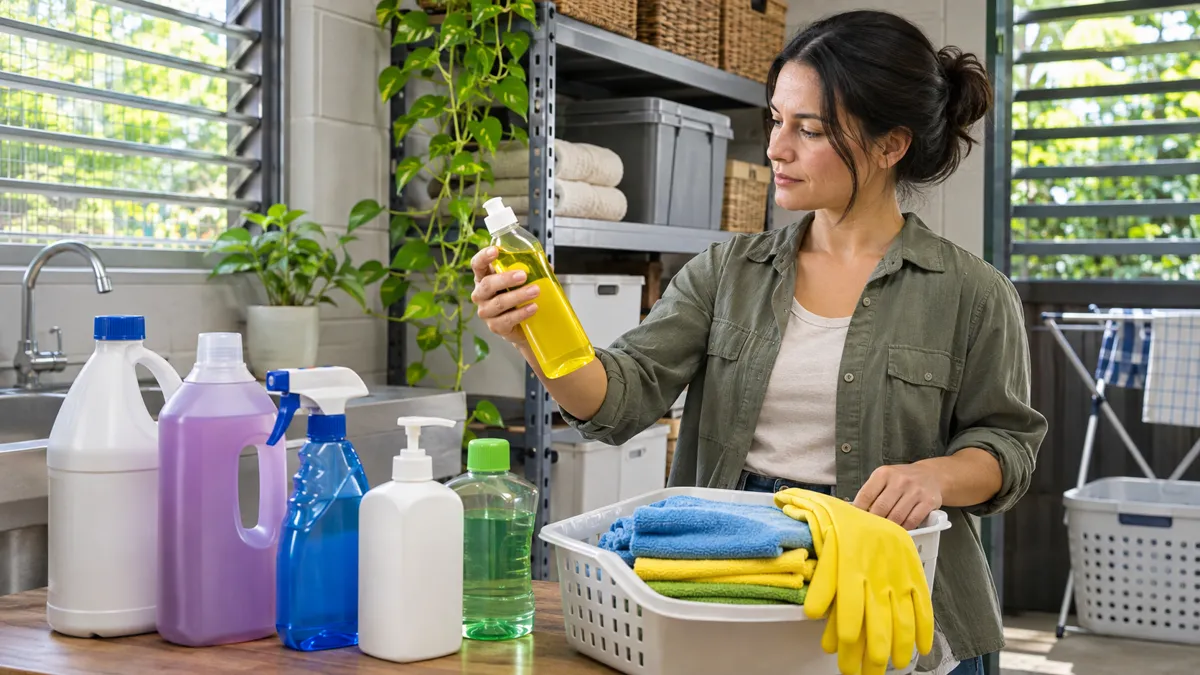
Preserving hygiene during a service interruption requires mainly adapted products, a small reserve and a simple organization.
Read the article →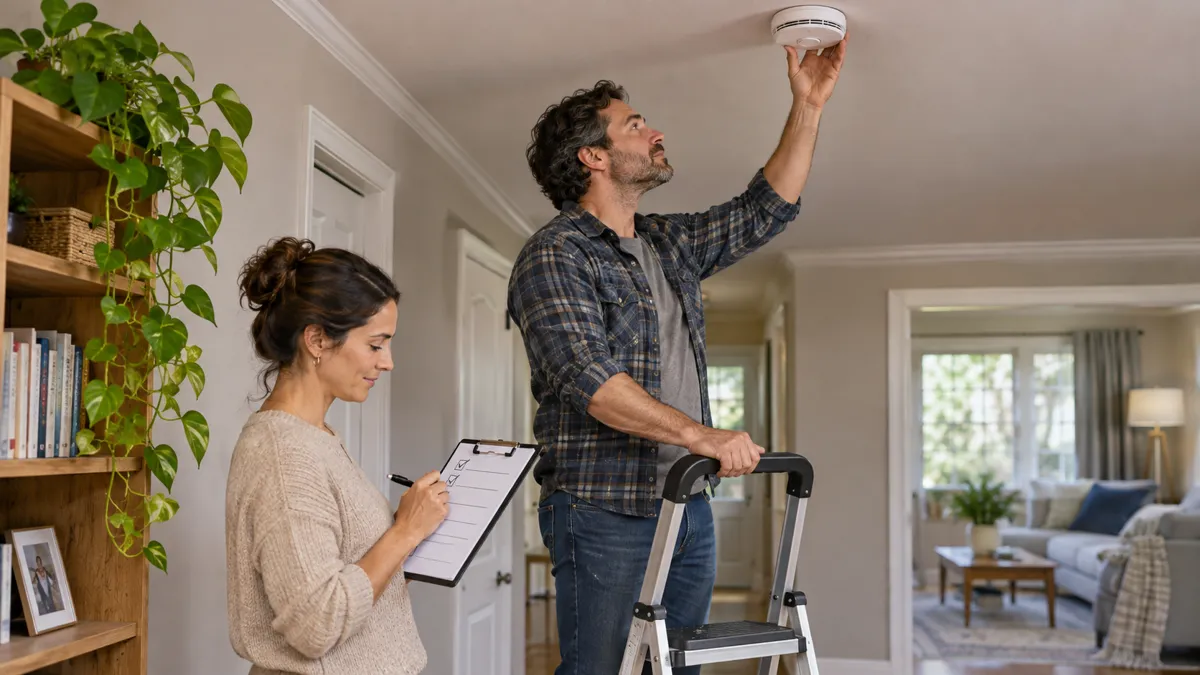
Our home is our refuge, our fortress.
Read the article →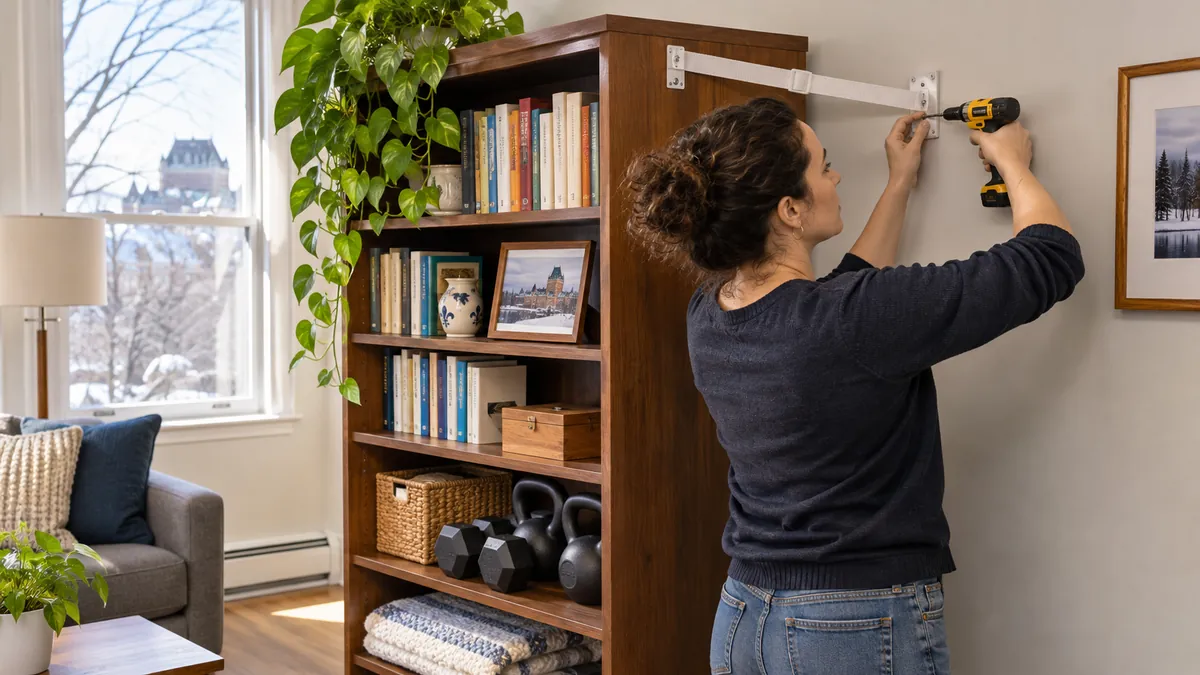
Identify the dangers of housing, fix heavy objects and practice protective gestures before a jolt.
Read the article →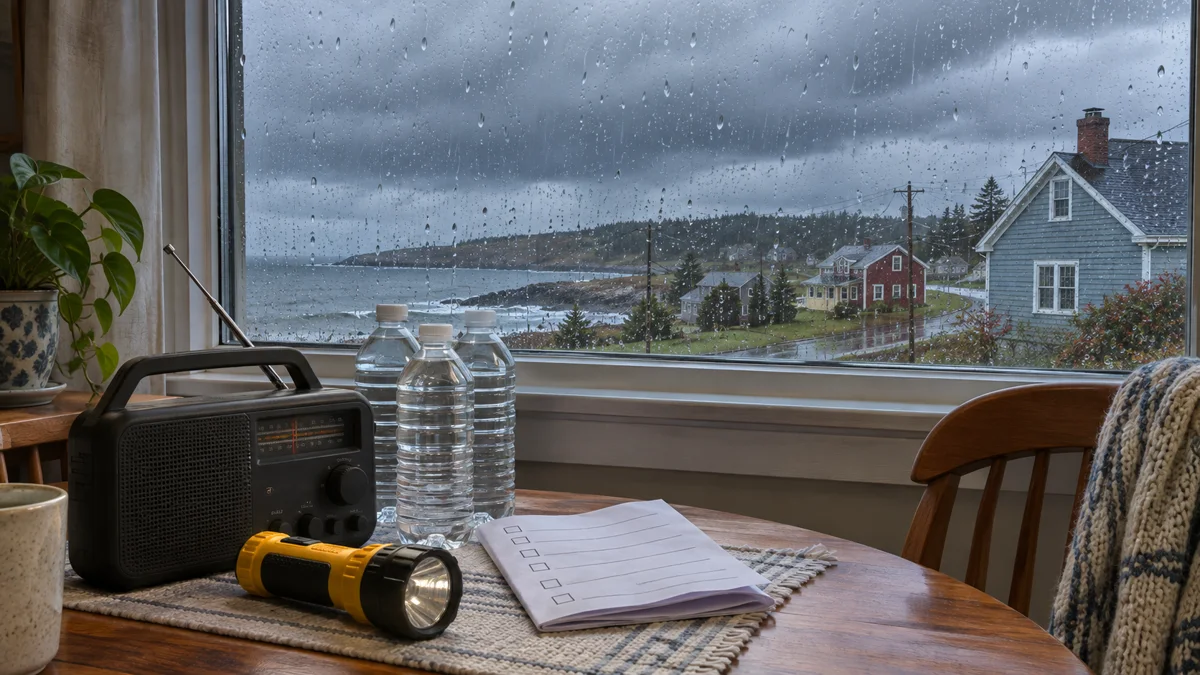
Choose the shelter before the alert, organize communications and prepare for the needs of the home after a storm.
Read the article →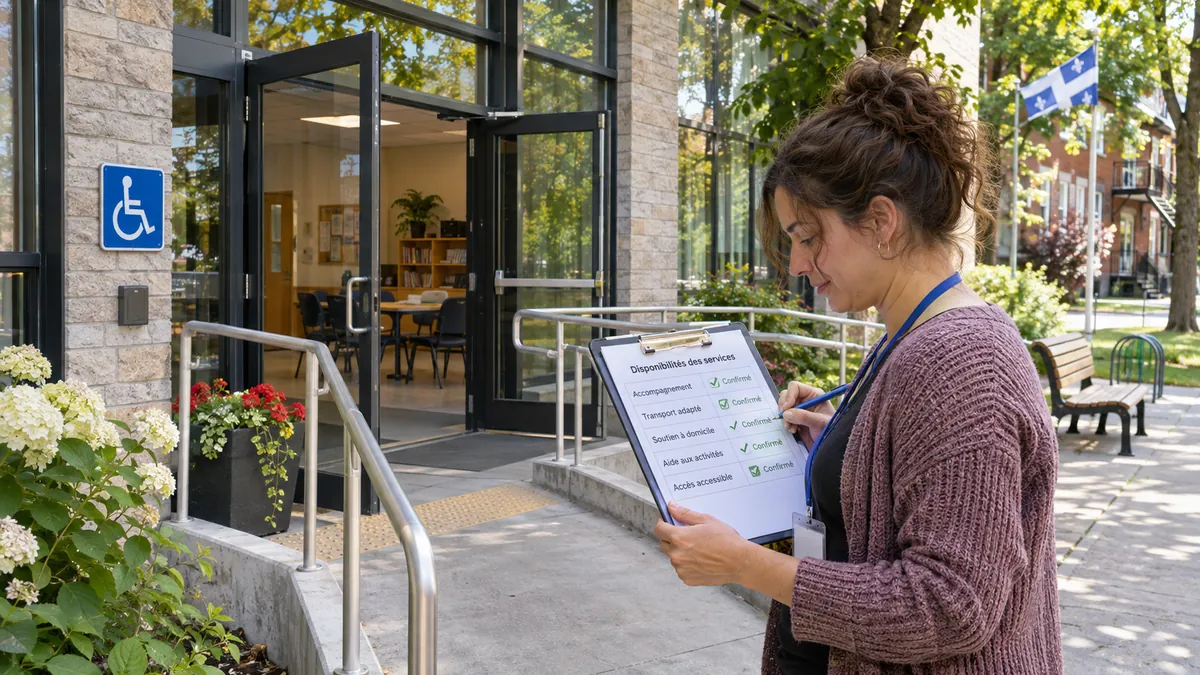
Identify confirmed places of reception and participate in local resilience without assuming that a public building automatically becomes a refuge.
Read the article →
Inspect the sensitive points of the dwelling and prepare the documents and departure, without guarantee of universal protection.
Read the article →
Know the exits and the meeting point, then act without returning to the building for property.
Read the article →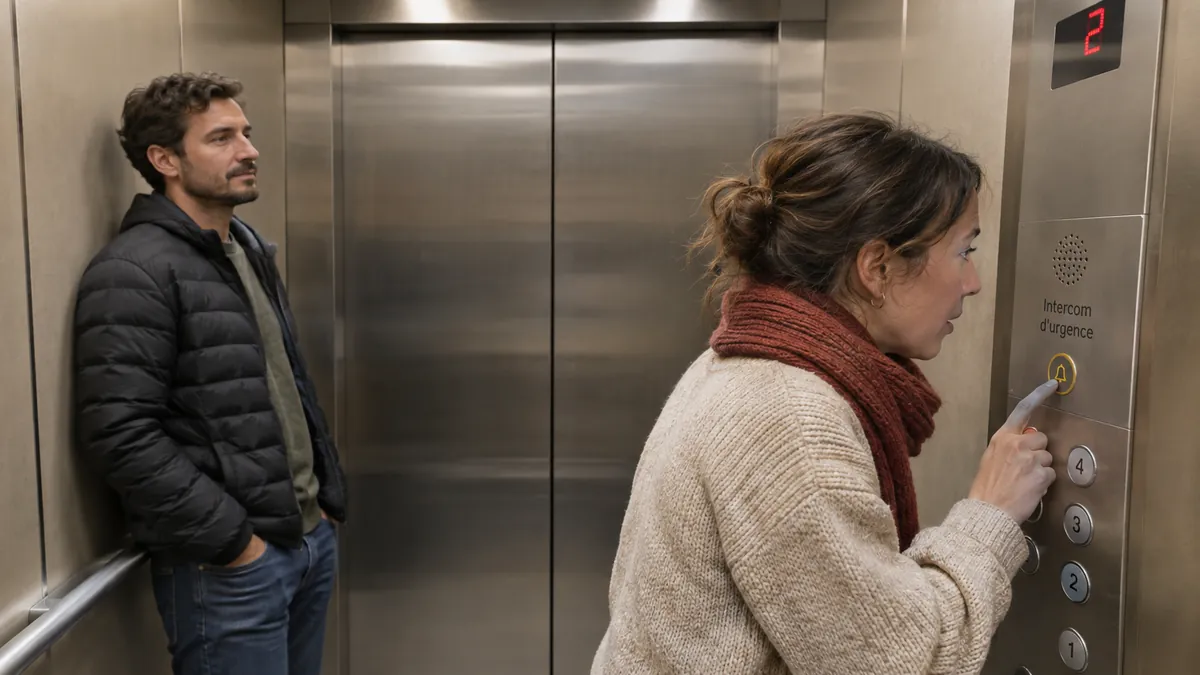
Use the alarm or intercom, specify the situation and do not attempt to exit between floors.
Read the article →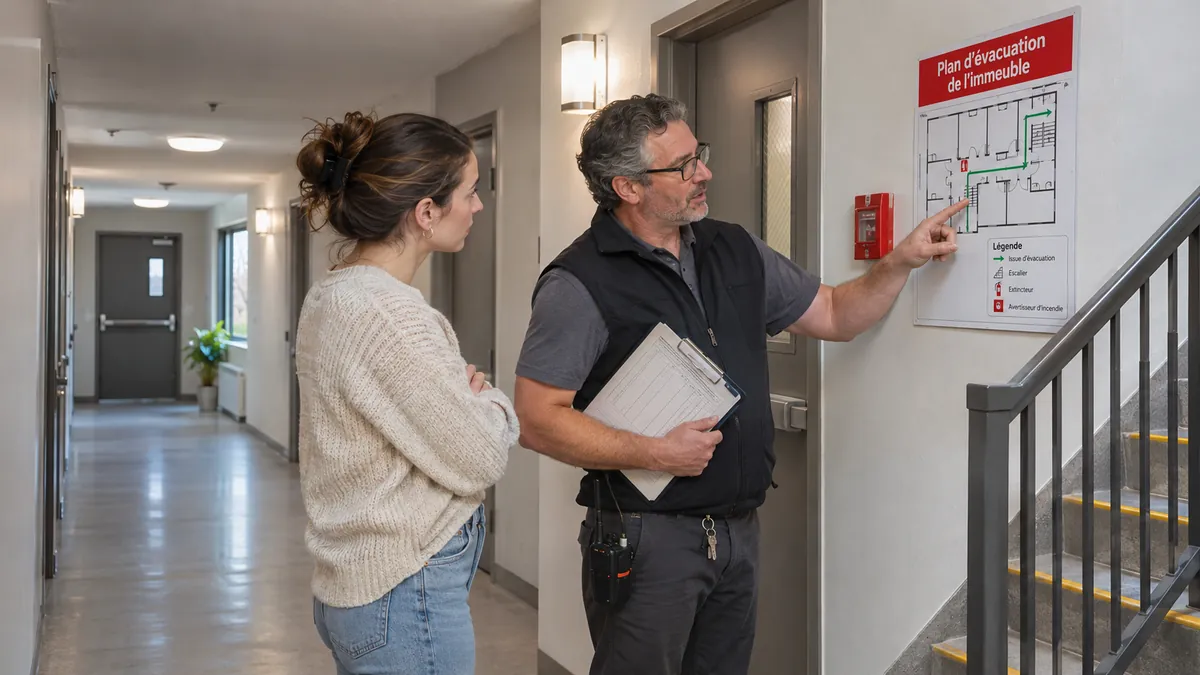
Prepare itineraries and assistance needs with the building manager, then apply instructions adapted to the situation.
Read the article →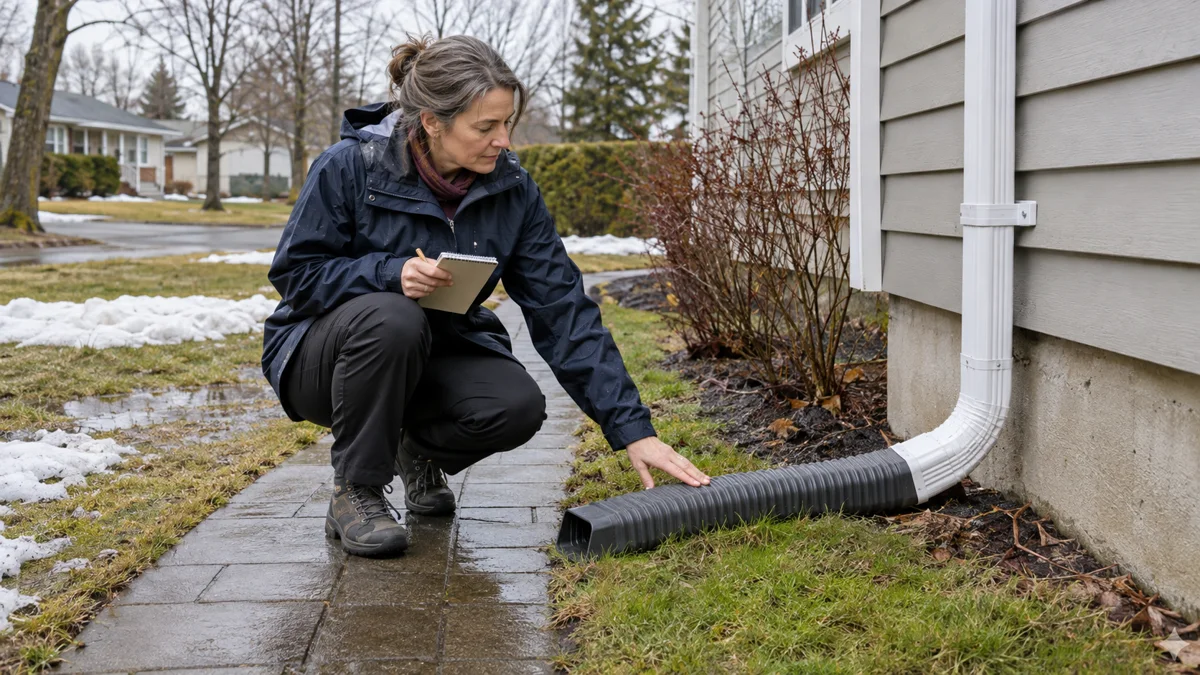
Identify possible water inlets, check protections and insurance, and then prepare people and documents before a rise in water.
Read the article →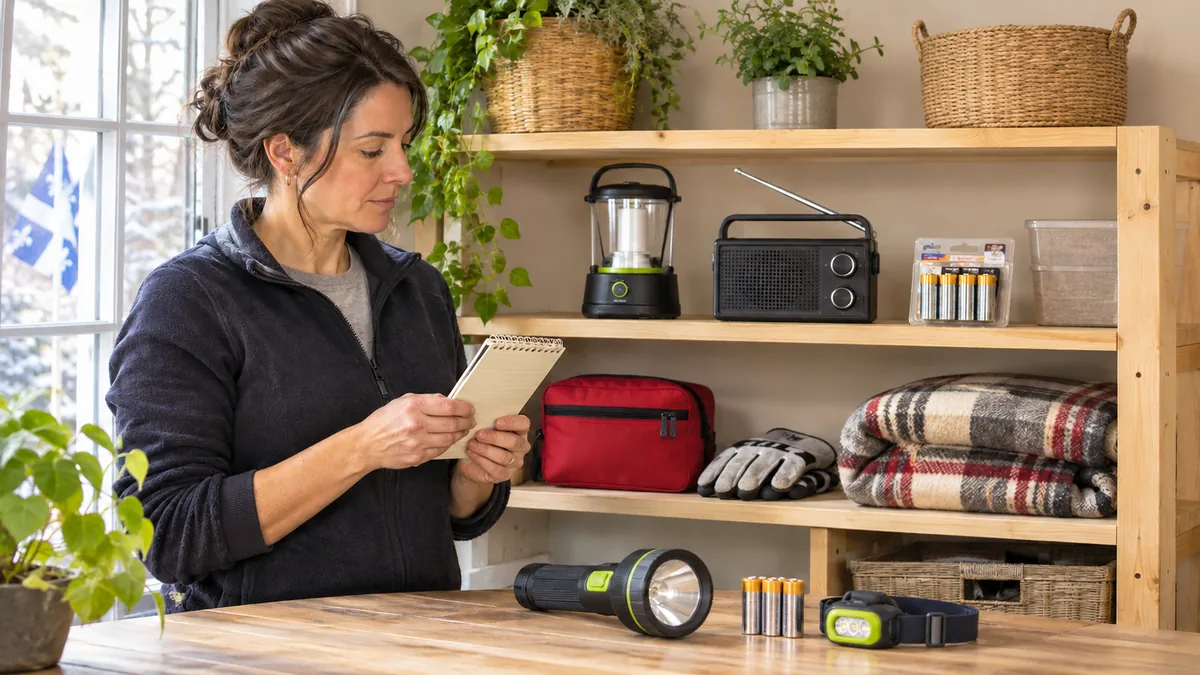
Make an inventory of available resources, identify gaps and prioritize purchases according to the needs and budget of the household.
Read the article →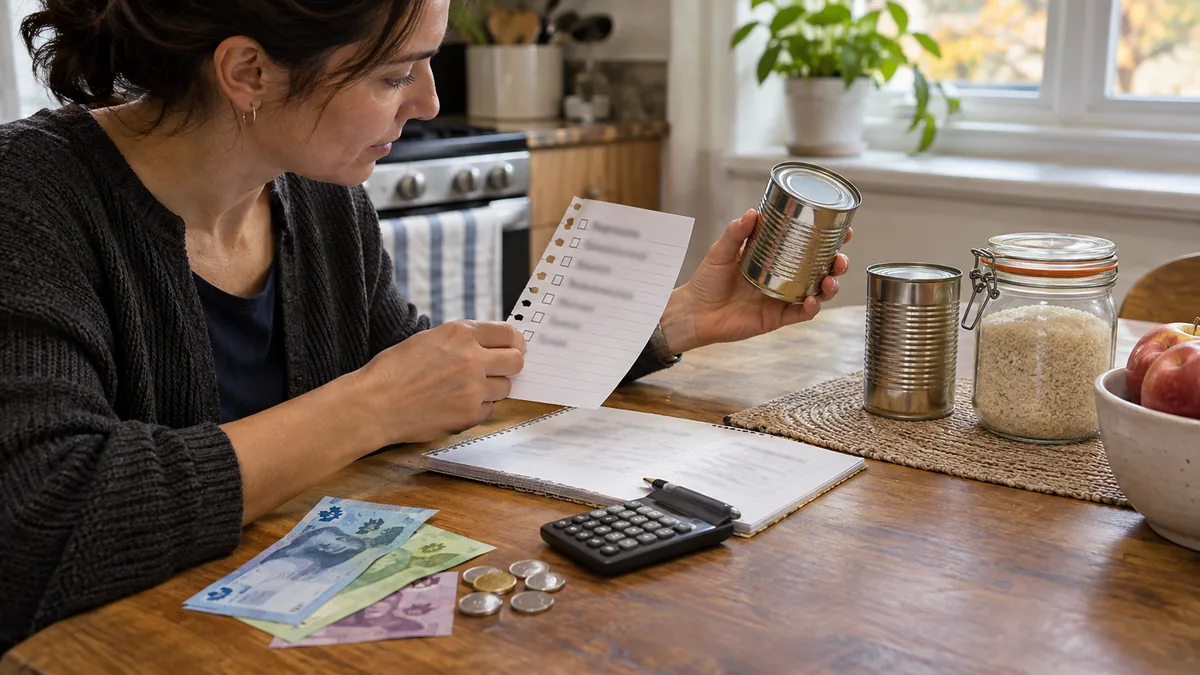
Rotation of reserves, comparison of purchases, repair and exchanges: habits to progress without multiplying expenses.
Read the article →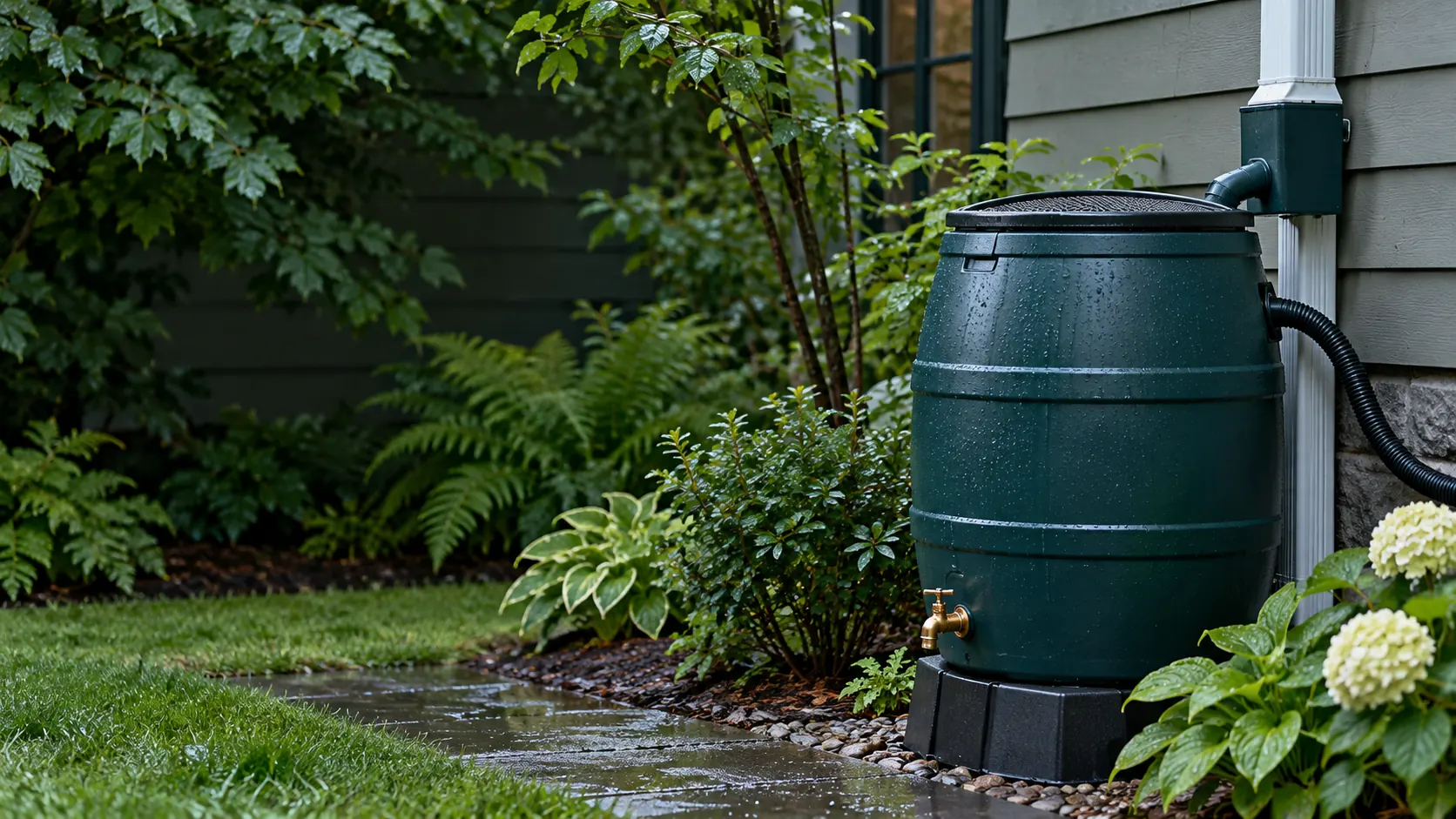
Choosing a collector, maintaining the facilities and distinguishing the authorized uses: the precautions to know before recovering rainwater.
Read the article →
This weekend, in the night from Saturday to Sunday, we will move back the time to winter time. A harmless gesture for some, but a key moment for prevention and safety. At each…
Read the article →
Every year in Quebec, October marks Fire Prevention Week. Under the official theme "The first responsible is you! » , This campaign reminds us that security is not…
Read the article →
Safety is not just about institutions and experts: it starts at home, on a daily basis, in the simple actions of families. But the risks are real. :
Read the article →
On April 21, at 3:42 a.m., a brutal flood hits your neighborhood of Saint-Jérôme. You had to evacuate urgently with your family. You are now returning to a house partially…
Read the article →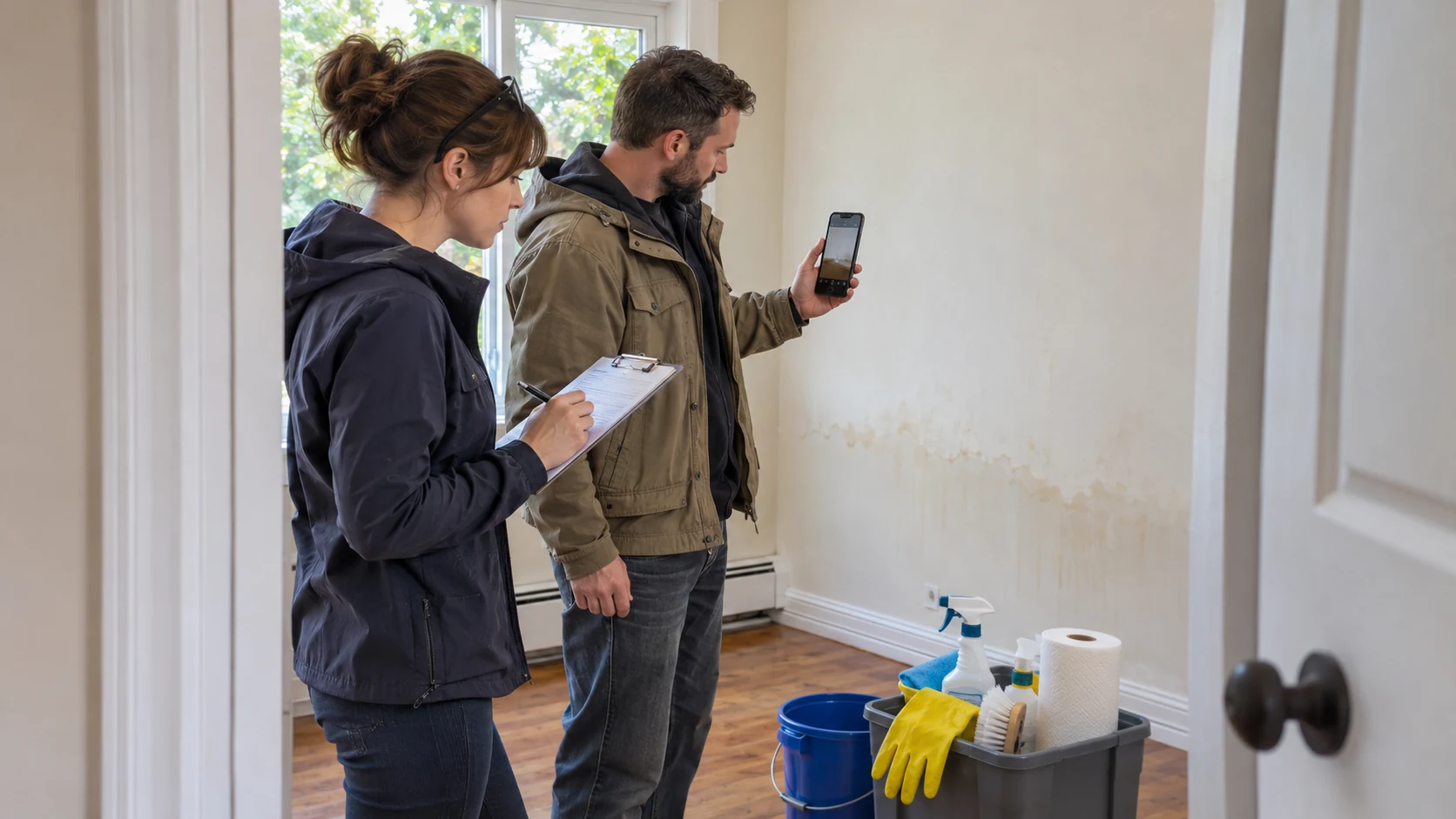
A major storm, flood or industrial accident can leave your home, neighbourhood and nerves in tatters. After the immediate life-threatening emergency comes the crucial recovery phase:…
Read the article →
Since 2021, Quebec has been breaking summer temperature records. The heat waves last longer, arrive earlier and the night offers less and less respite. According to the WHO, extreme heat is…
Read the article →