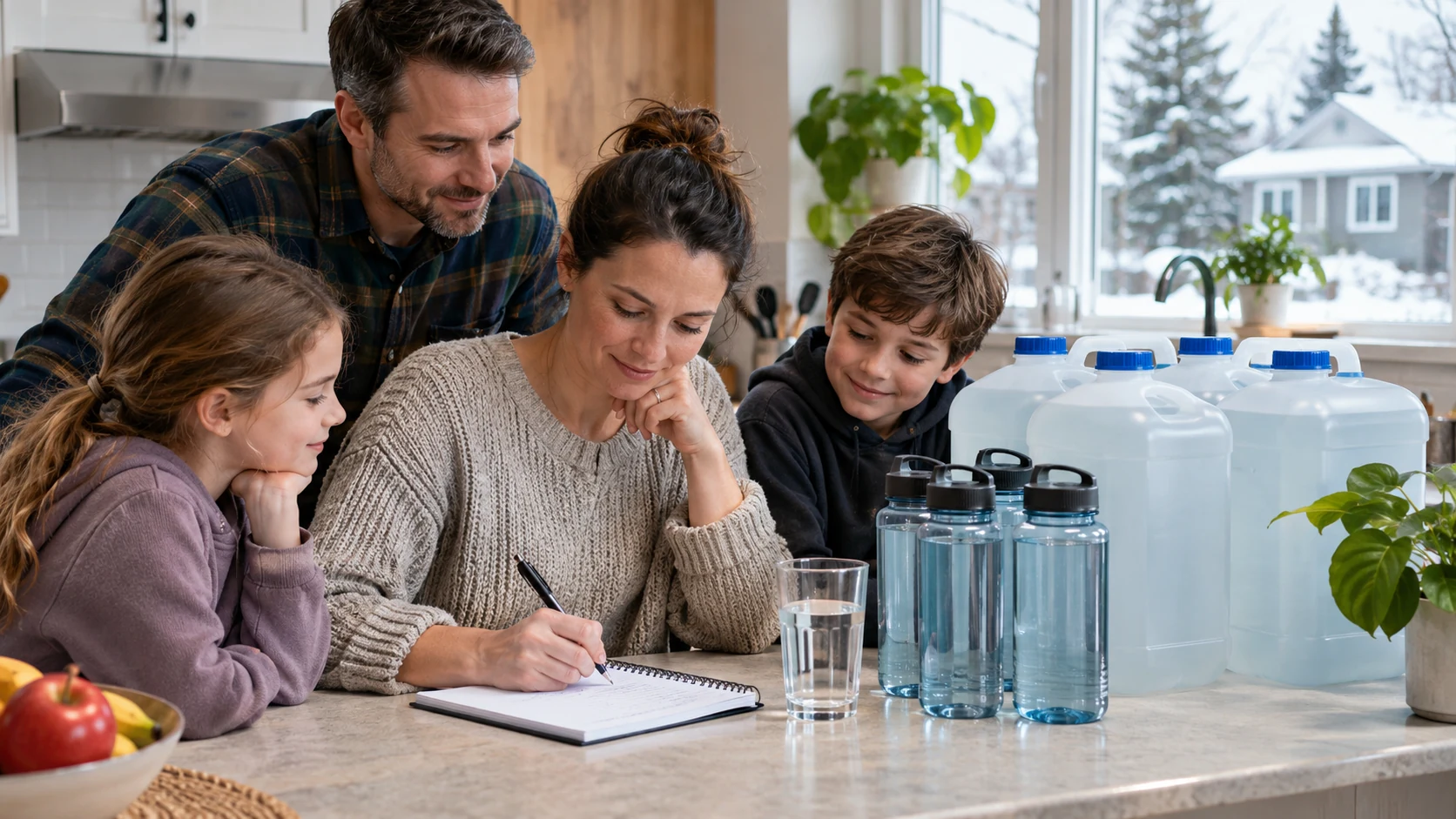
Emergency water storage: calculate the right amount for your household
Water is the first priority when planning an emergency supply.
Read the article →
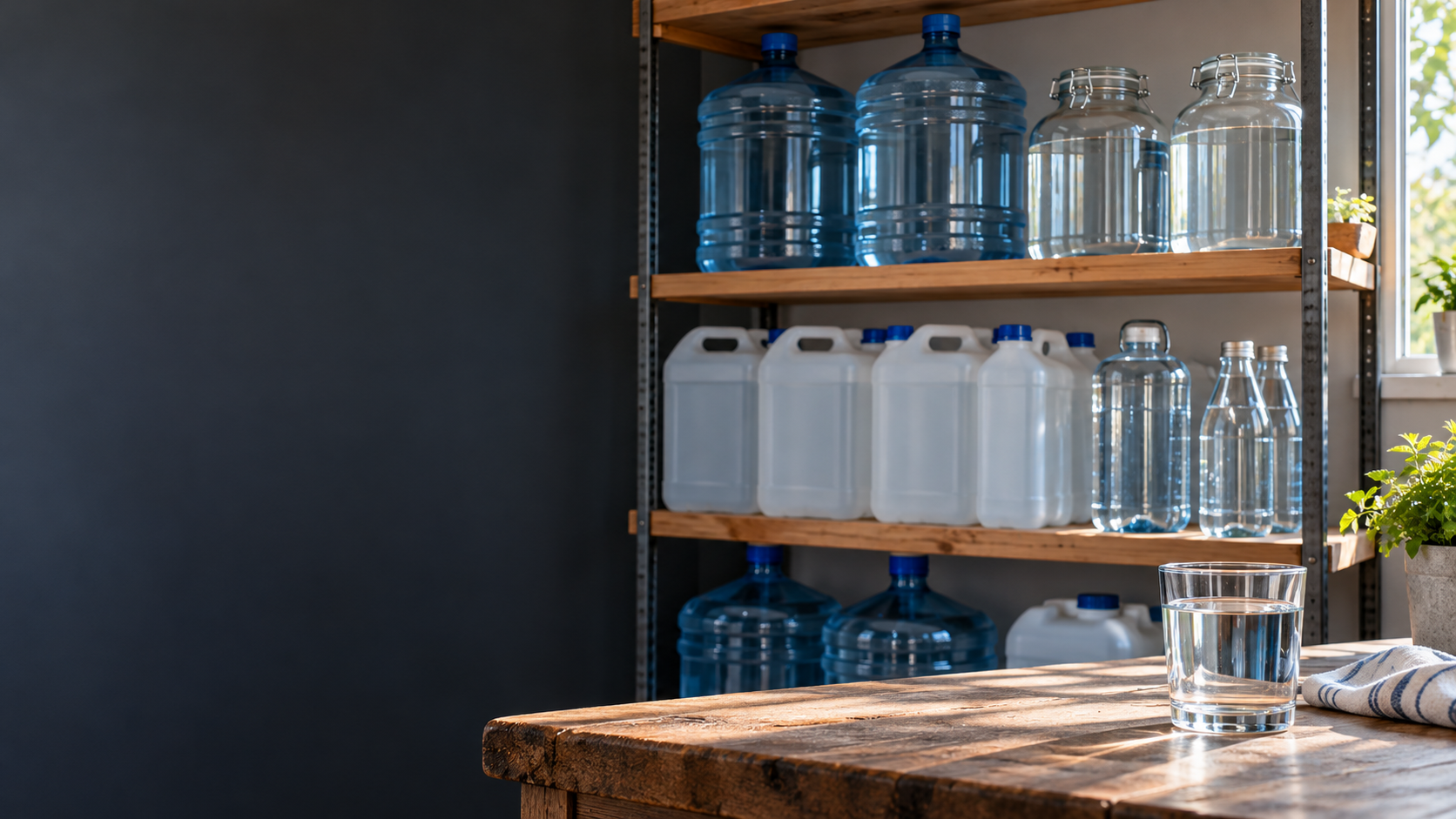
Topic guide
Store, protect and treat a household-friendly drinking water supply.
Preparing with method
Water is a priority as soon as a service is interrupted. A clean, renewed and easy-to-carry reserve avoids dependence on improvised treatment methods.
Assess the needs of the home and the risk of local cut-off.
Choose robust food containers and a documented method of processing.
Divide the reserve, date the containers and plan a means of transport.
Inspect containers, renew water and follow local health recommendations.
Readings to deepen this theme and prepare your next actions.
Water is the first priority when planning an emergency supply.
Read the article →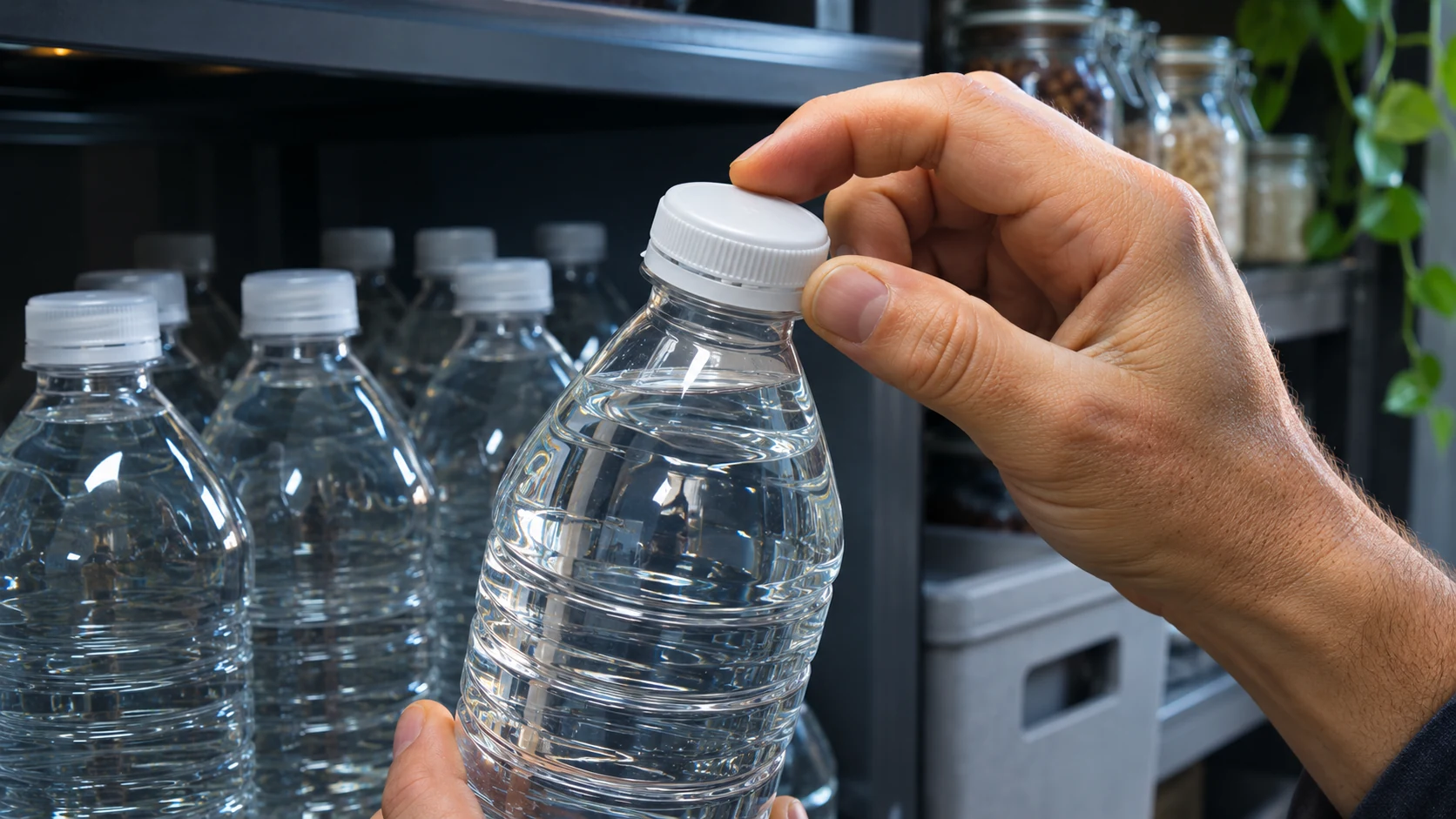
You have likely turned over a bottle of water at some point to check its expiration date, wondering if it was still safe to drink.
Read the article →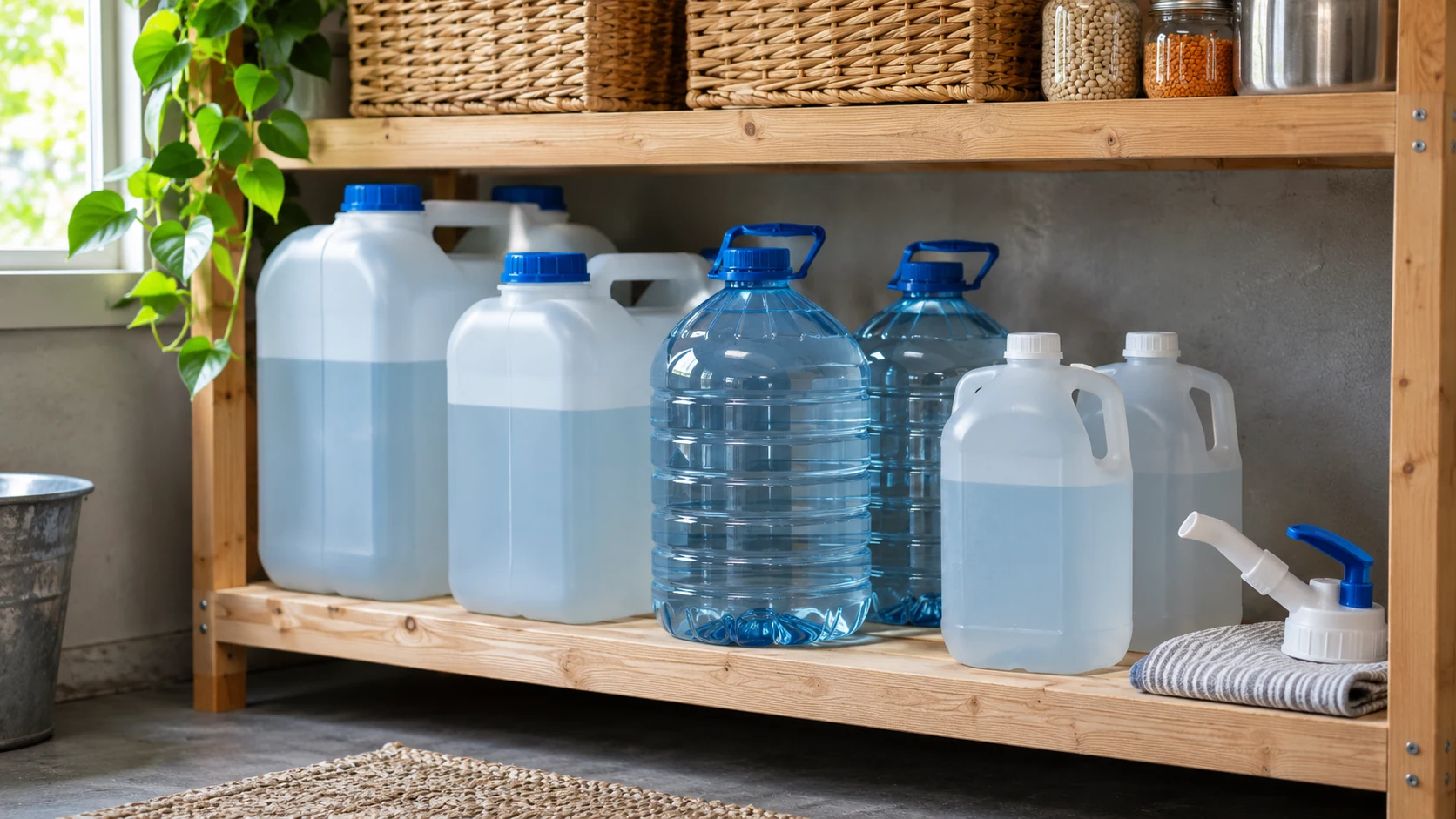
Water storage is a cornerstone of individual preparedness—yet several misconceptions persist on the subject.
Read the article →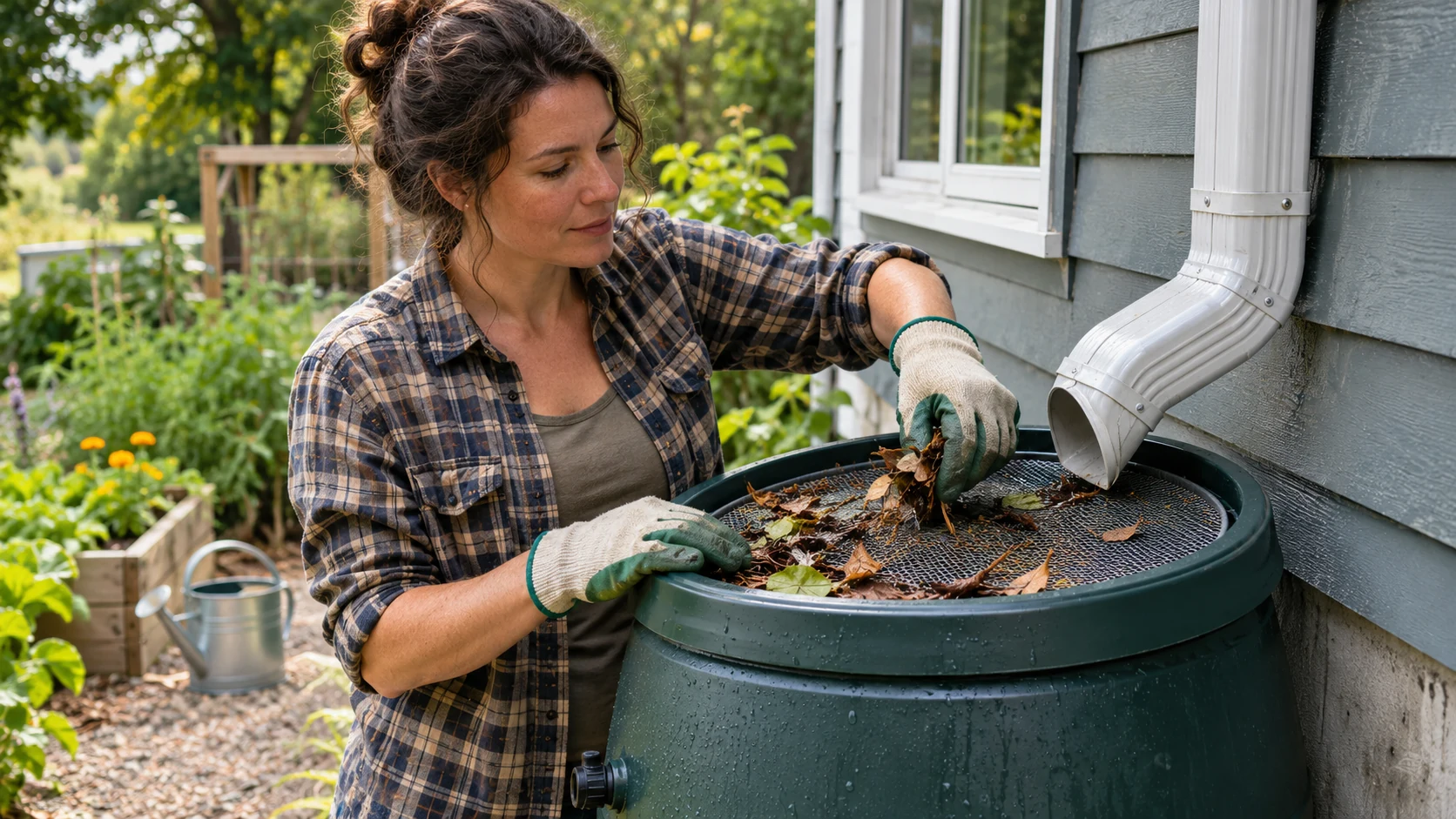
Rainwater harvesting is one of the first steps toward water self-sufficiency for individuals concerned with resilience.
Read the article →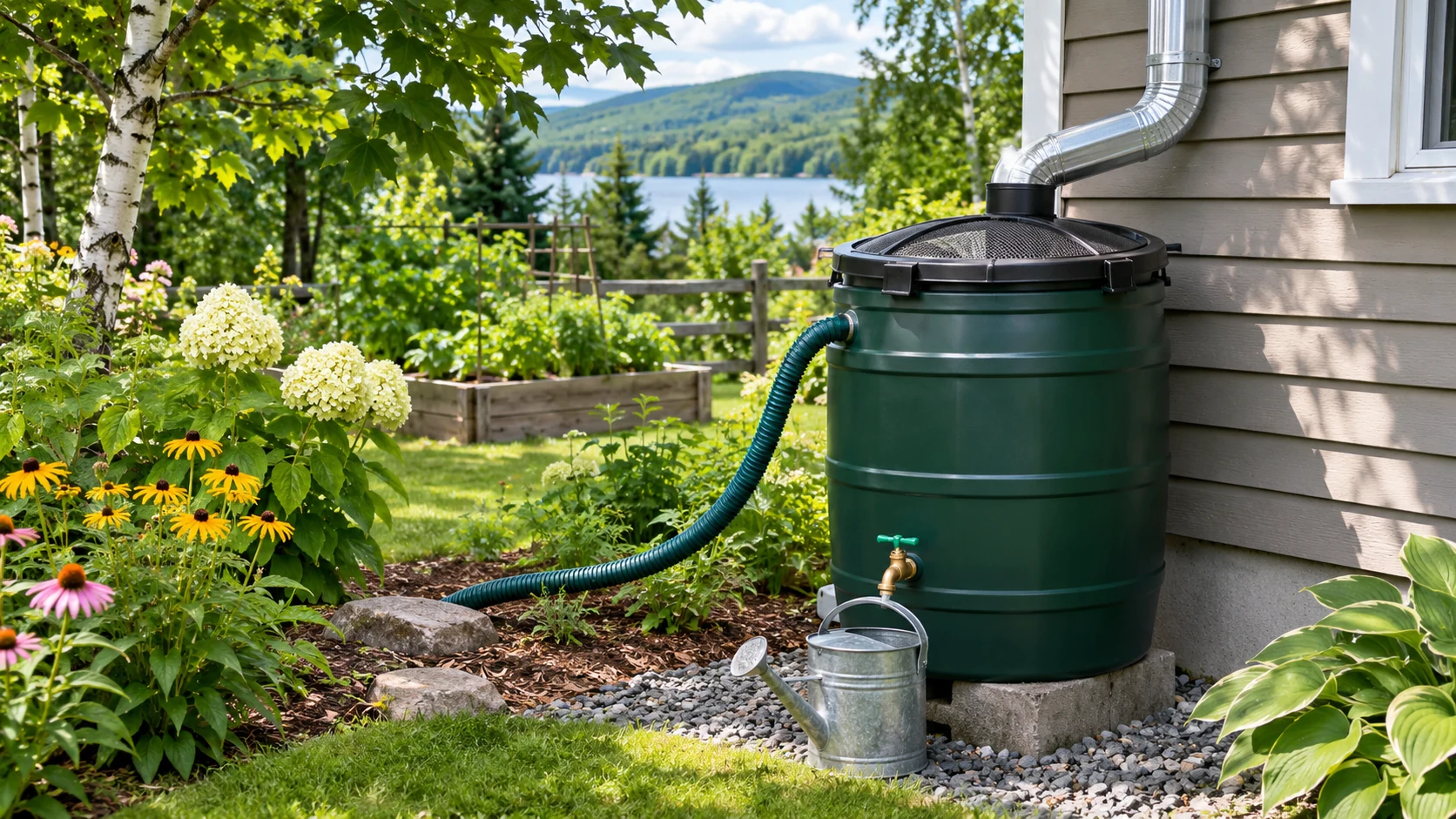
Rainwater harvesting is gaining popularity among an increasing number of households in Quebec, France, Belgium, and elsewhere in the French-speaking world.
Read the article →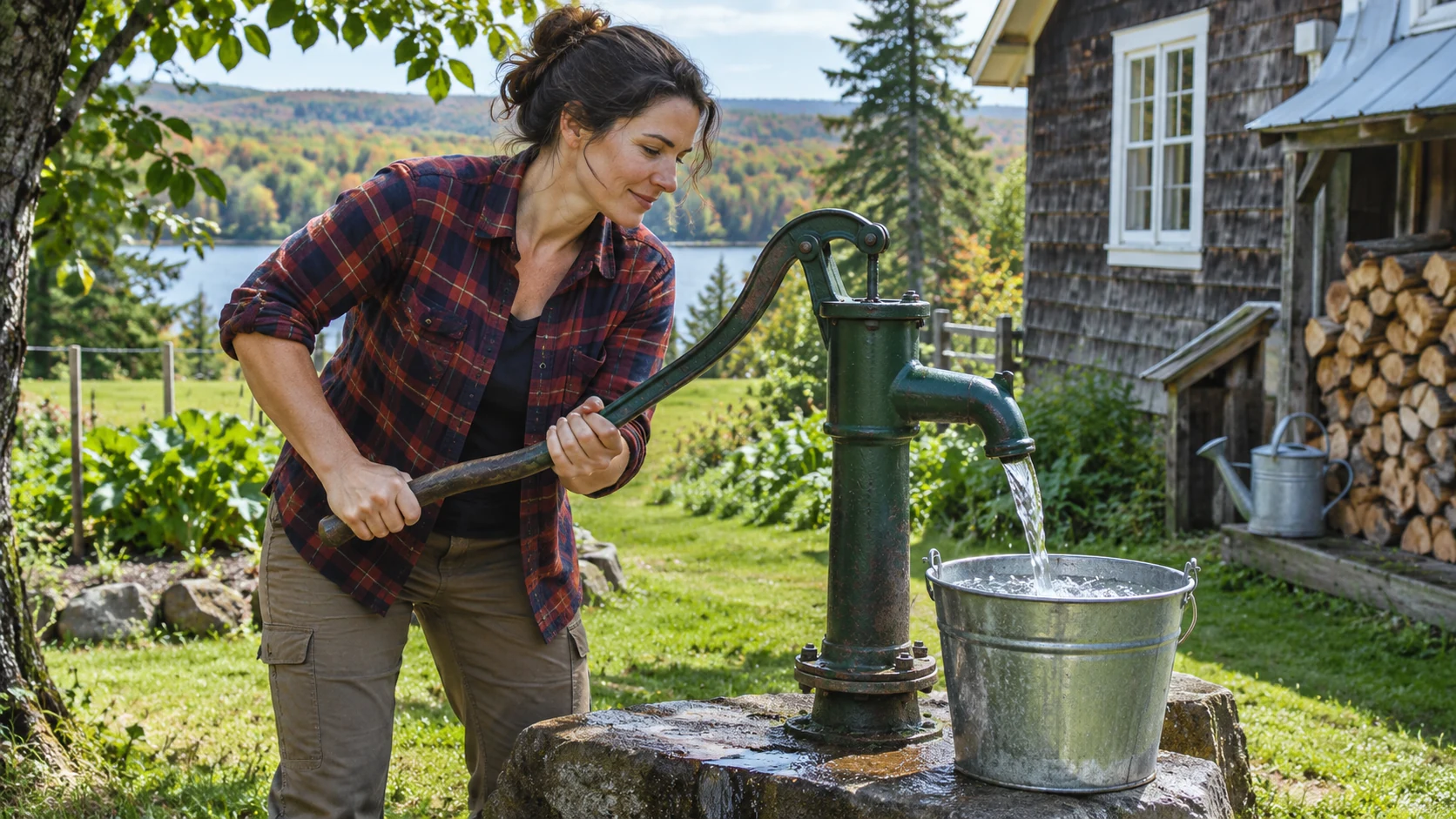
For properties supplied by a private well, a power outage is more than just an inconvenience—it is a direct disruption to the drinking water supply.
Read the article →
Compare water-treatment and disinfection options without confusing their purposes, limitations and precautions.
Read the article →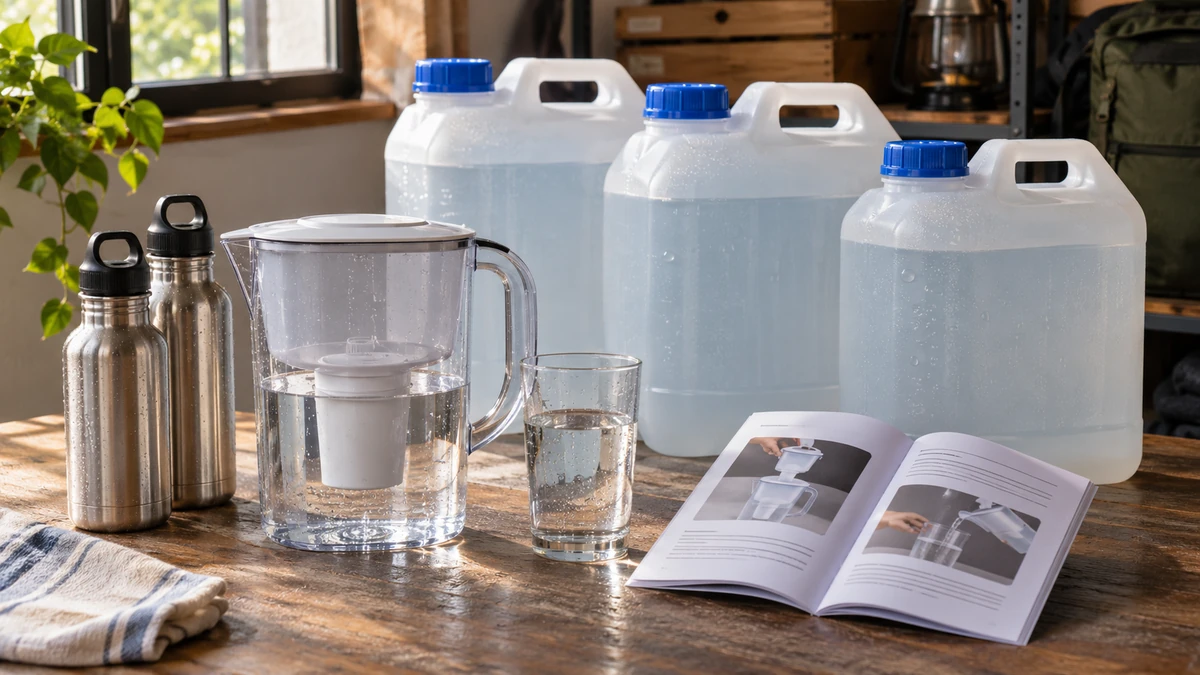
Distinguish filtration, disinfection and boiling to choose a treatment method appropriate for the available water.
Read the article →
Compare manual pumps by depth, well type, installation, freezing conditions and drinking-water requirements.
Read the article →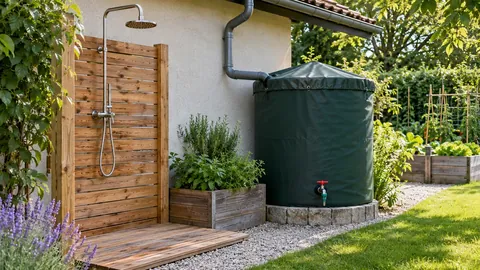
Before using rainwater for a shower, check water quality, equipment, installation and local requirements.
Read the article →
Find and collect water outdoors: assess clues and hazards without confusing available water with safe drinking water.
Read the article →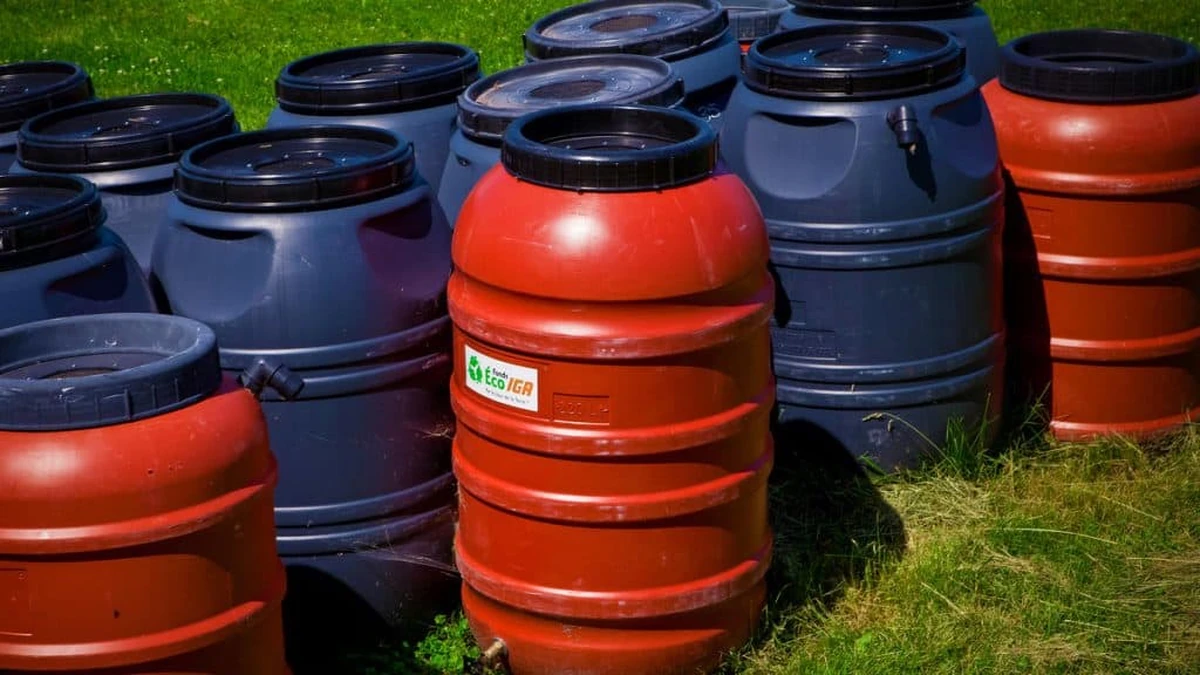
Do you lack a roof or gutters for collecting rainwater?
Read the article →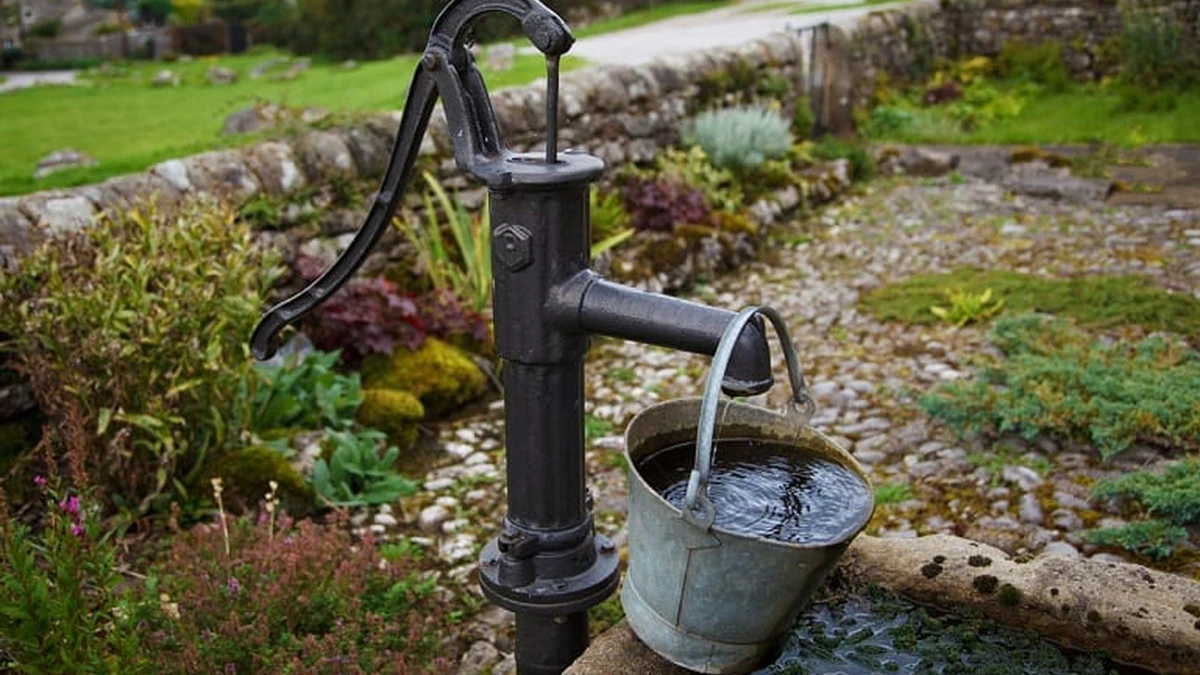
Knowing water is available but inaccessible is frustrating. During a power outage, this is a situation many homesteaders and off-grid households may face.
Read the article →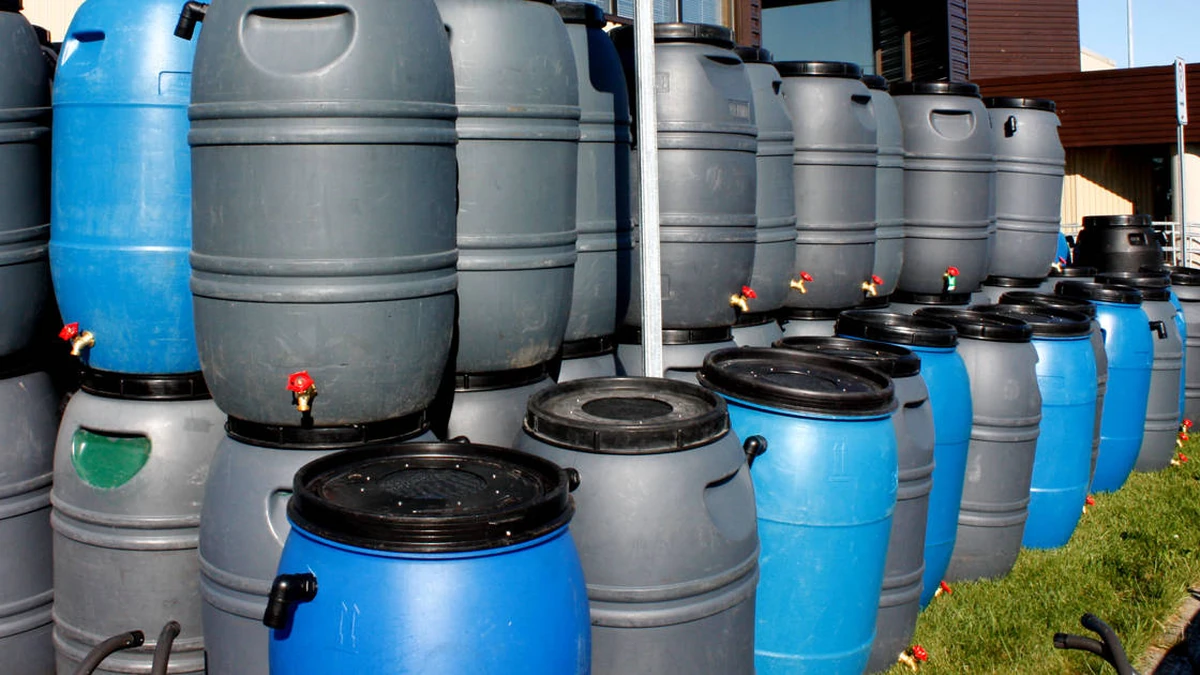
Rain barrels and other collection containers can be a significant expense in a small garden-watering project. Looking for a second-hand container may reduce the cost, but price alone is not enough to choose one: its origin, material,…
Read the article →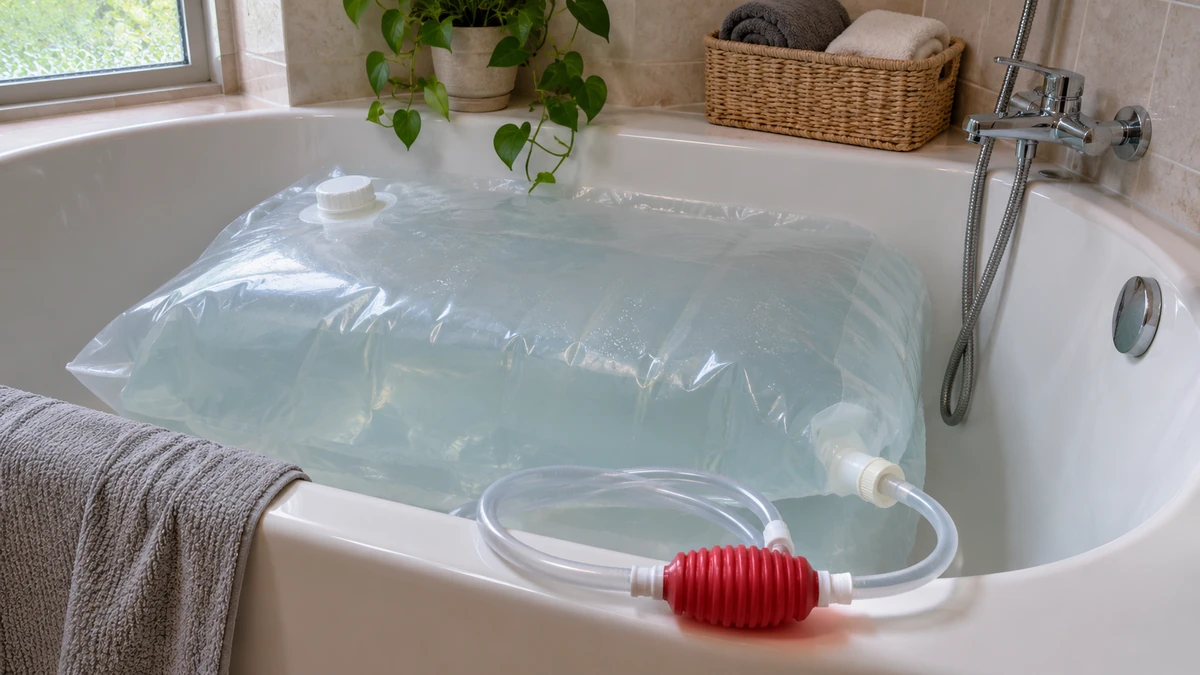
The WaterBOB is a bladder for temporary water storage inside a bathtub. It can supplement an existing supply when advance warning leaves time to fill it. It does not produce drinking water or treat contamination, and it is not a…
Read the article →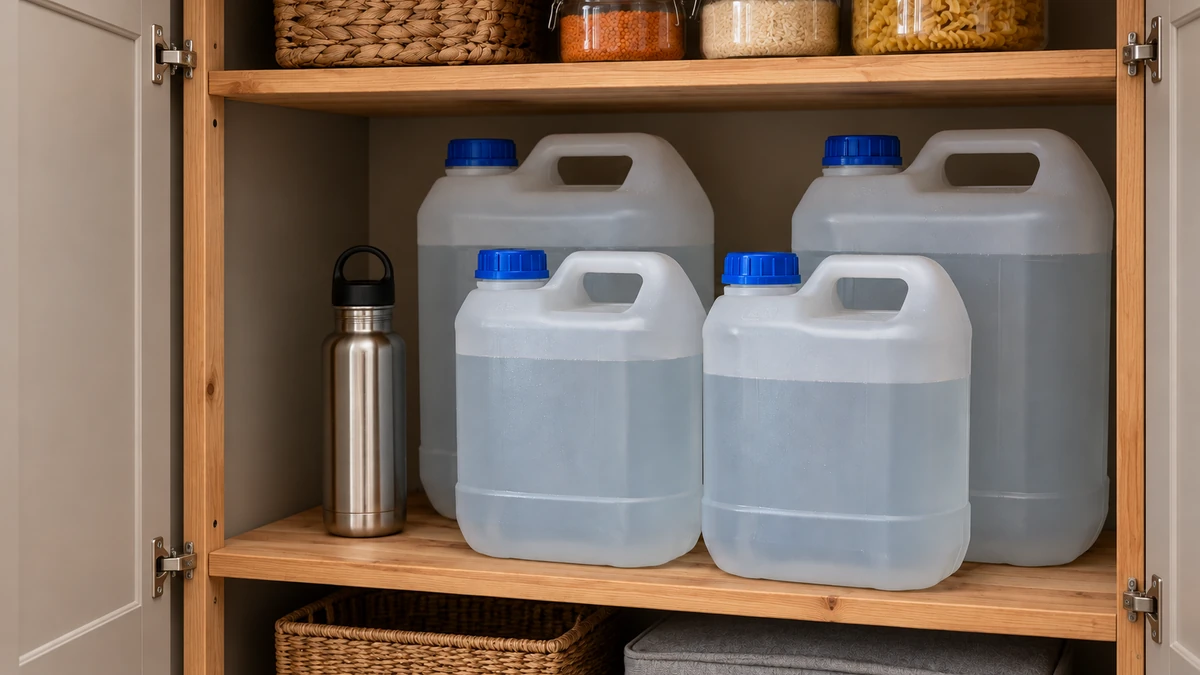
Stored water supports drinking, food preparation and basic hygiene when the usual supply is interrupted. It needs to be accessible, suited to the household and covered by a replenishment plan. There is no universal safe period…
Read the article →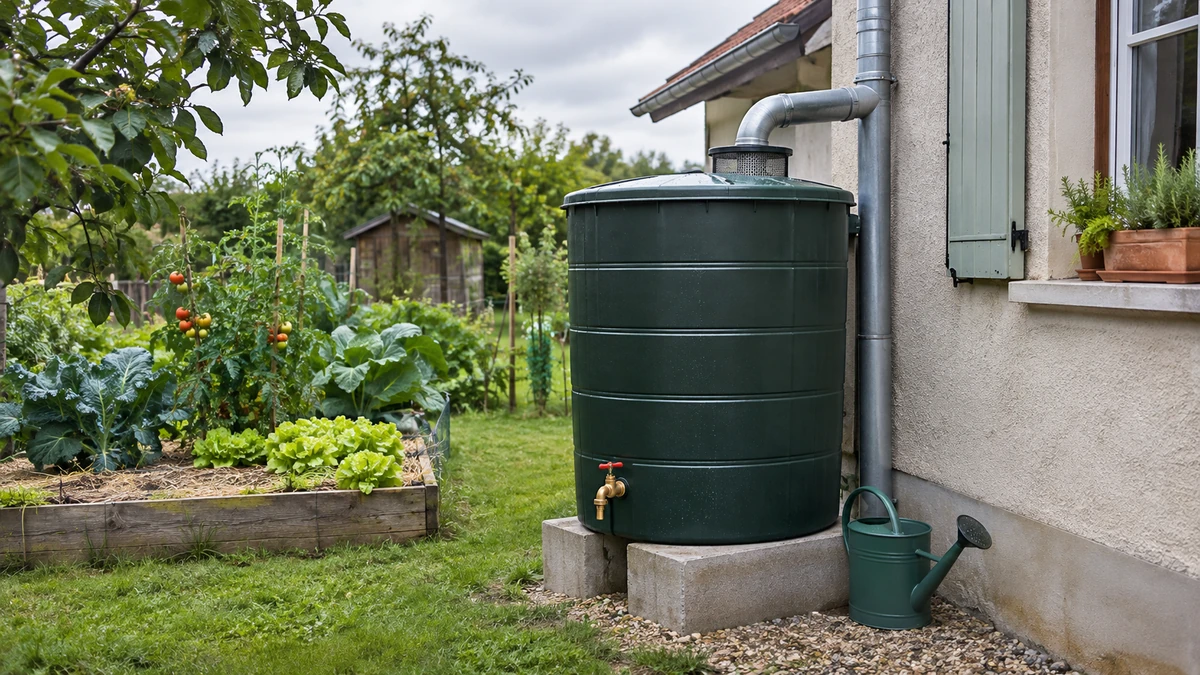
Rainwater harvesting can complement some household uses and reduce dependence on a single source. The volume collected depends on rain, surface area and losses. However, the quantity available does not demonstrate its sanitary…
Read the article →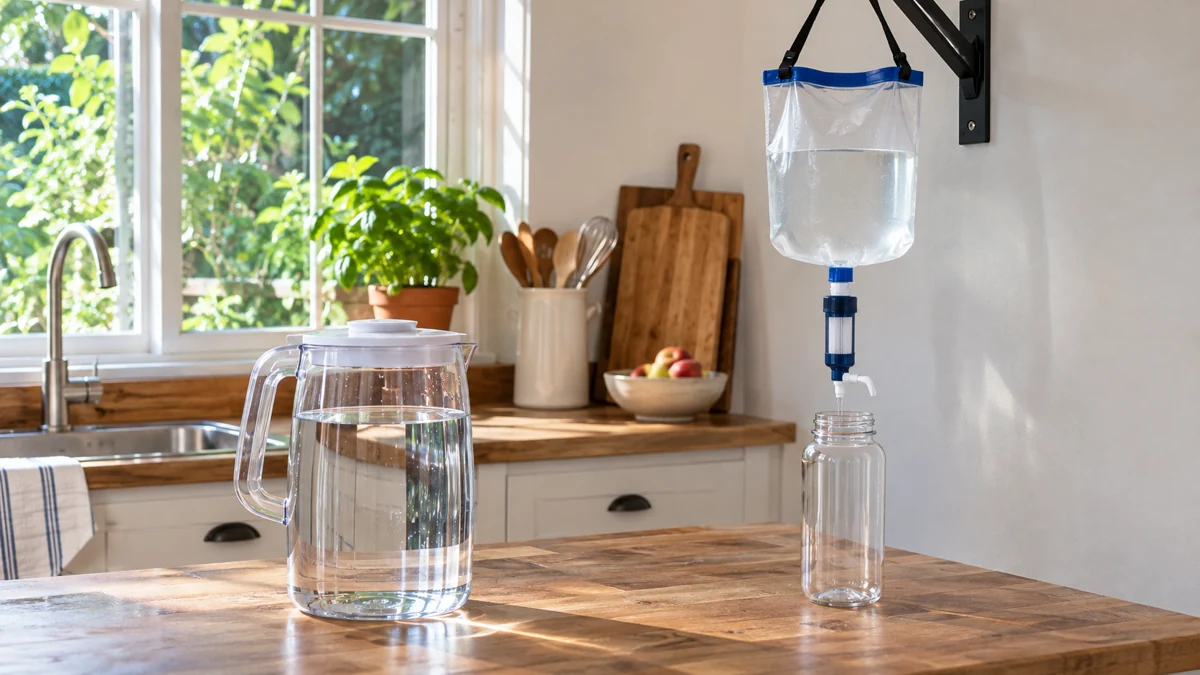
This week, prepare a drinking water strategy that combines reserve, information and adapted treatment. The first goal is to have water ready to drink. The second is to recognize…
Read the article →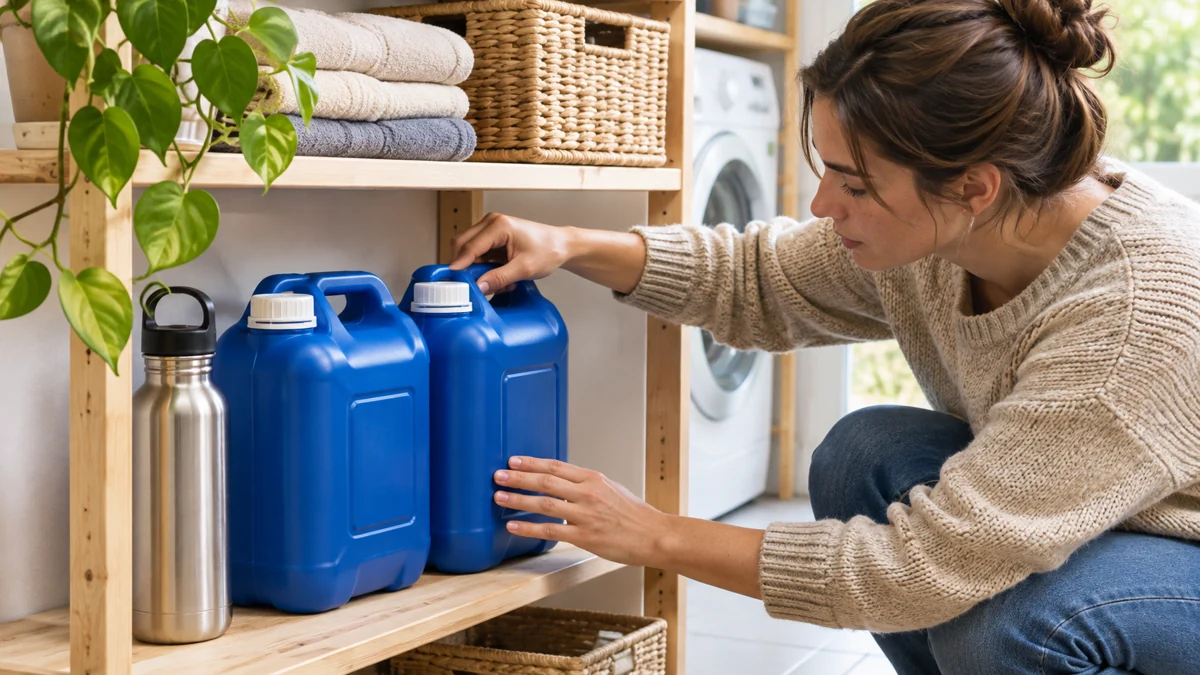
This week, complete the body of water of week 17. It is about making the reserve more accessible and preparing for a replenishment if the interruption lasts. Keeping more water does not serve…
Read the article →
Understand the PFAS, find the information specific to its water and evaluate useful analyses or treatments without concluding from the only proximity of an airport.
Read the article →Provide a reserve adapted to the home and distinguish boiling, non-consumption and the limits of domestic treatments.
Read the article →Distinguish between environmental contamination, fish recommendations and drinking water advisories to take the right action in Quebec.
Read the article →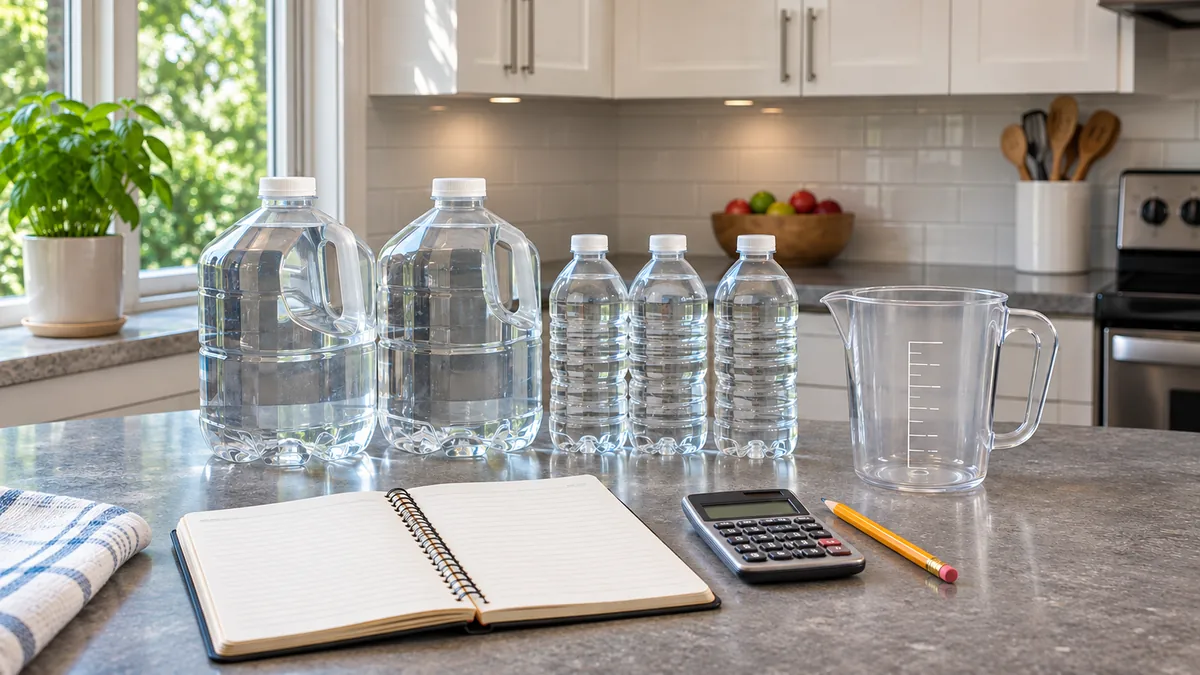
Distinguish drink, meal preparation and other uses to estimate the water storage of the household and adapt the quantities to its needs.
Read the article →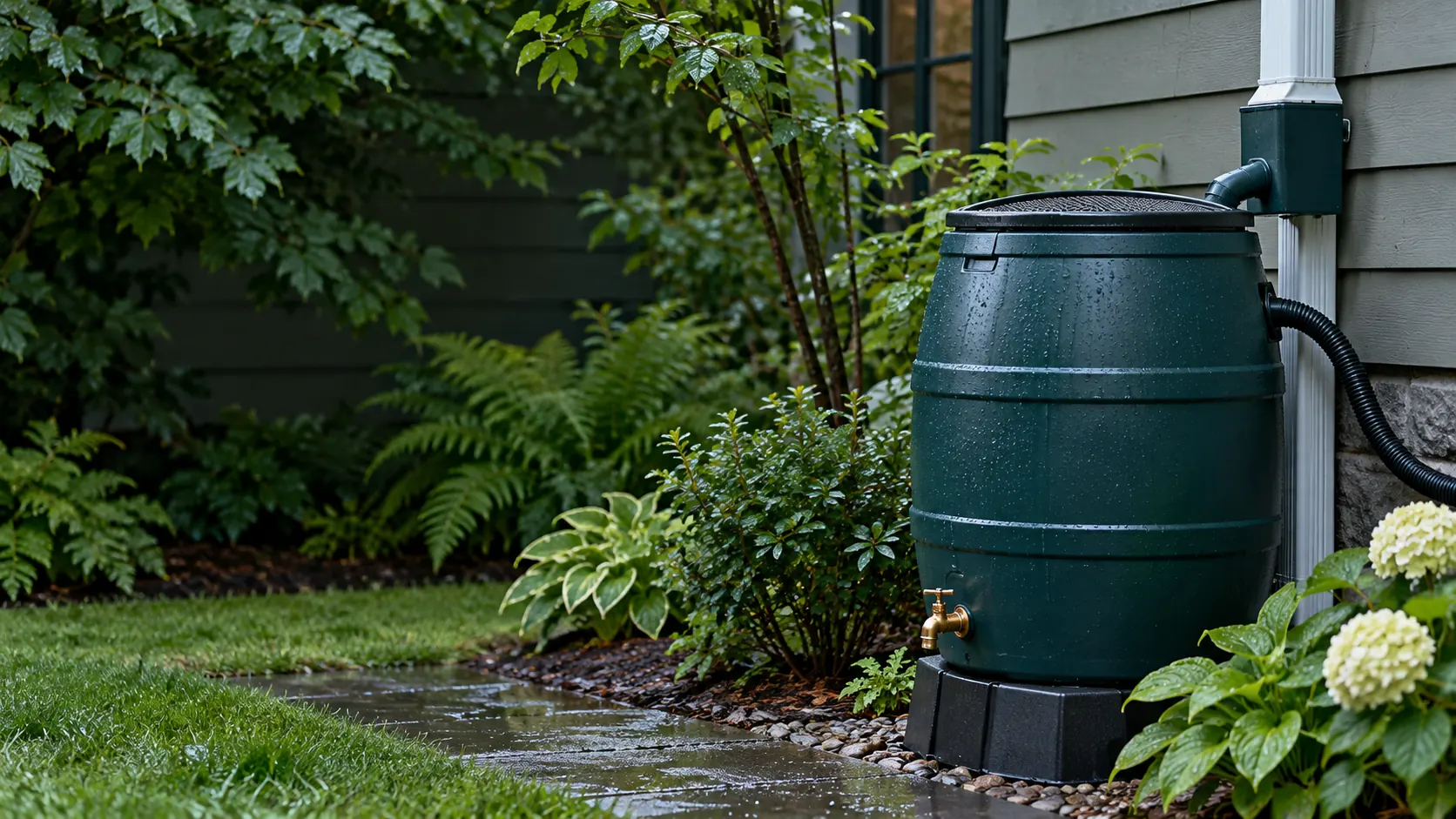
Choosing a collector, maintaining the facilities and distinguishing the authorized uses: the precautions to know before recovering rainwater.
Read the article →
A well-constituted family emergency kit can make the difference between panic and serenity when an unforeseen event occurs (storm, generalized power failure, flood, earthquake, etc.).…
Read the article →