
Fire emergency equipment: uses, limits and the priority of evacuation
Prevent a fire, prepare evacuation and select suitable equipment without delaying your exit from the building.
Read the article →
Readings to deepen this theme and prepare your next actions.
Prevent a fire, prepare evacuation and select suitable equipment without delaying your exit from the building.
Read the article →
Adapt appearance and behaviour to context while prioritising safe movement and avoiding conflict.
Read the article →
Observe your surroundings and prepare decisions without claiming to program the brain or become invisible.
Read the article →
Protect personal information, set boundaries and seek help in the city without stereotypes or unnecessary confrontation.
Read the article →
Build trust, assess behaviour and set boundaries for respectful mutual support during disruptions.
Read the article →
Use documented French crises to prepare travel, information and supplies without conflating unrest with war.
Read the article →
An elevator breakdown can be frightening, and free-fall images inspire many stories. The source claimed one death per 650 million journeys without a reference or defined scope; that rate is not retained as established.…
Read the article →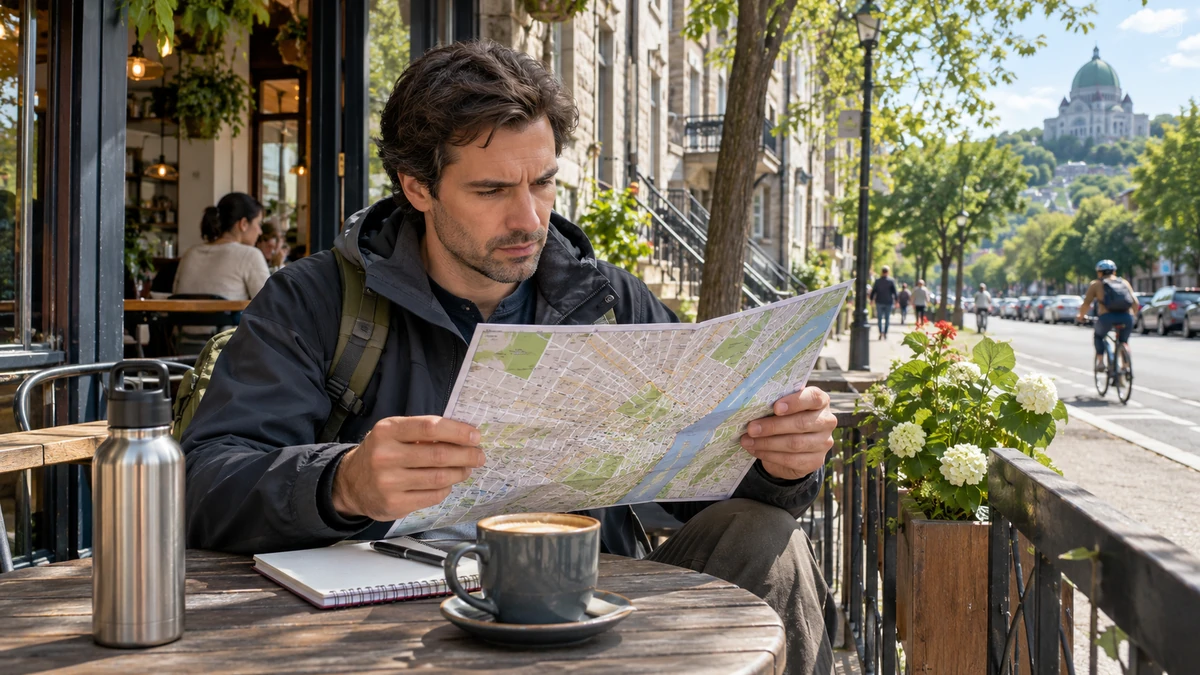
Travelling through an unfamiliar area or finding yourself in a tense situation can cause understandable concern. Preparation means preserving your options for movement, contact and assistance. It does not mean classifying the…
Read the article →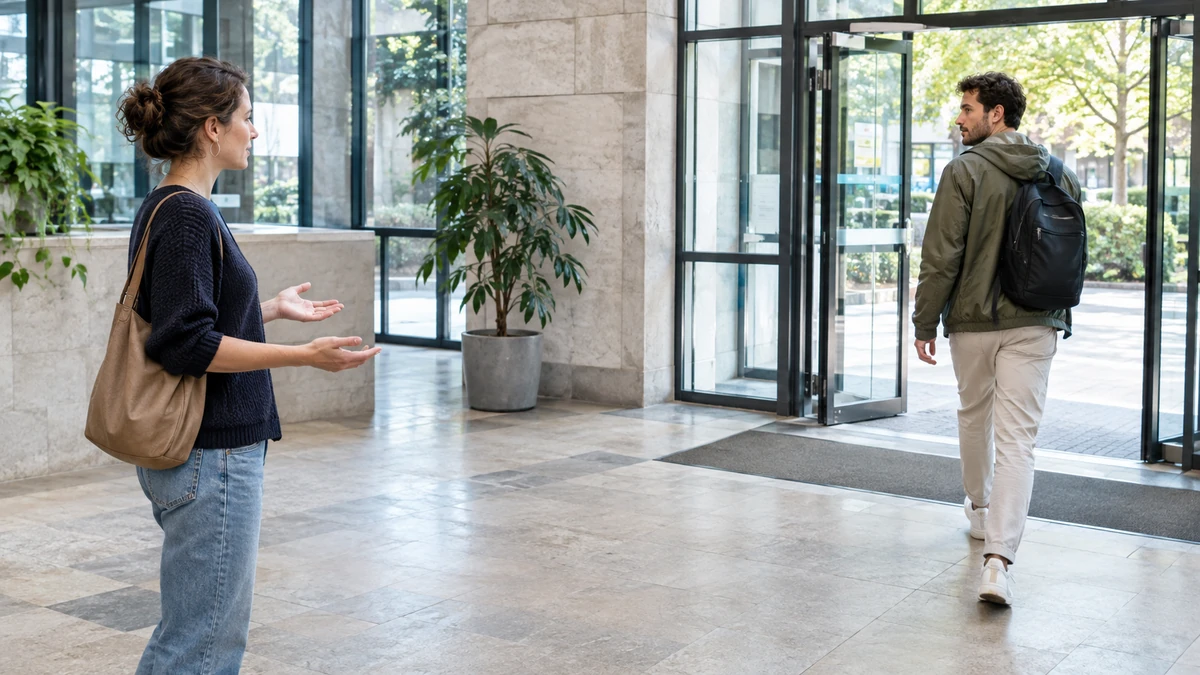
A disagreement in a car park, an argument in a queue or an agitated neighbour calls for a different approach from a military confrontation. The aim is to regain safety with as little exposure as possible. Carrying equipment does not…
Read the article →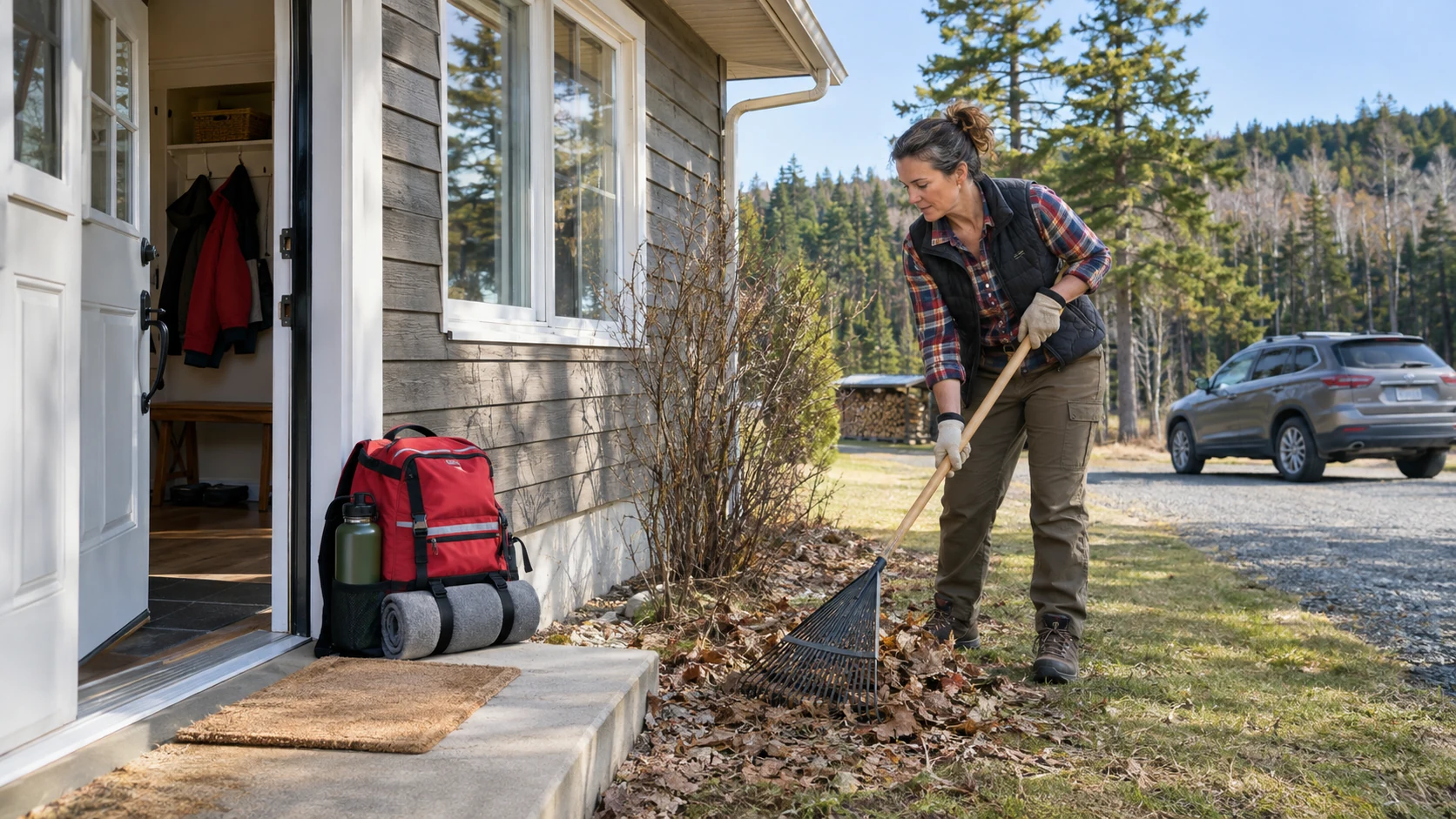
Wildfires are a reminder that a departure may become necessary before the fire reaches your home. Images of a fire elsewhere, however, do not predict what will happen in your neighborhood. Preparing alerts, transportation and a…
Read the article →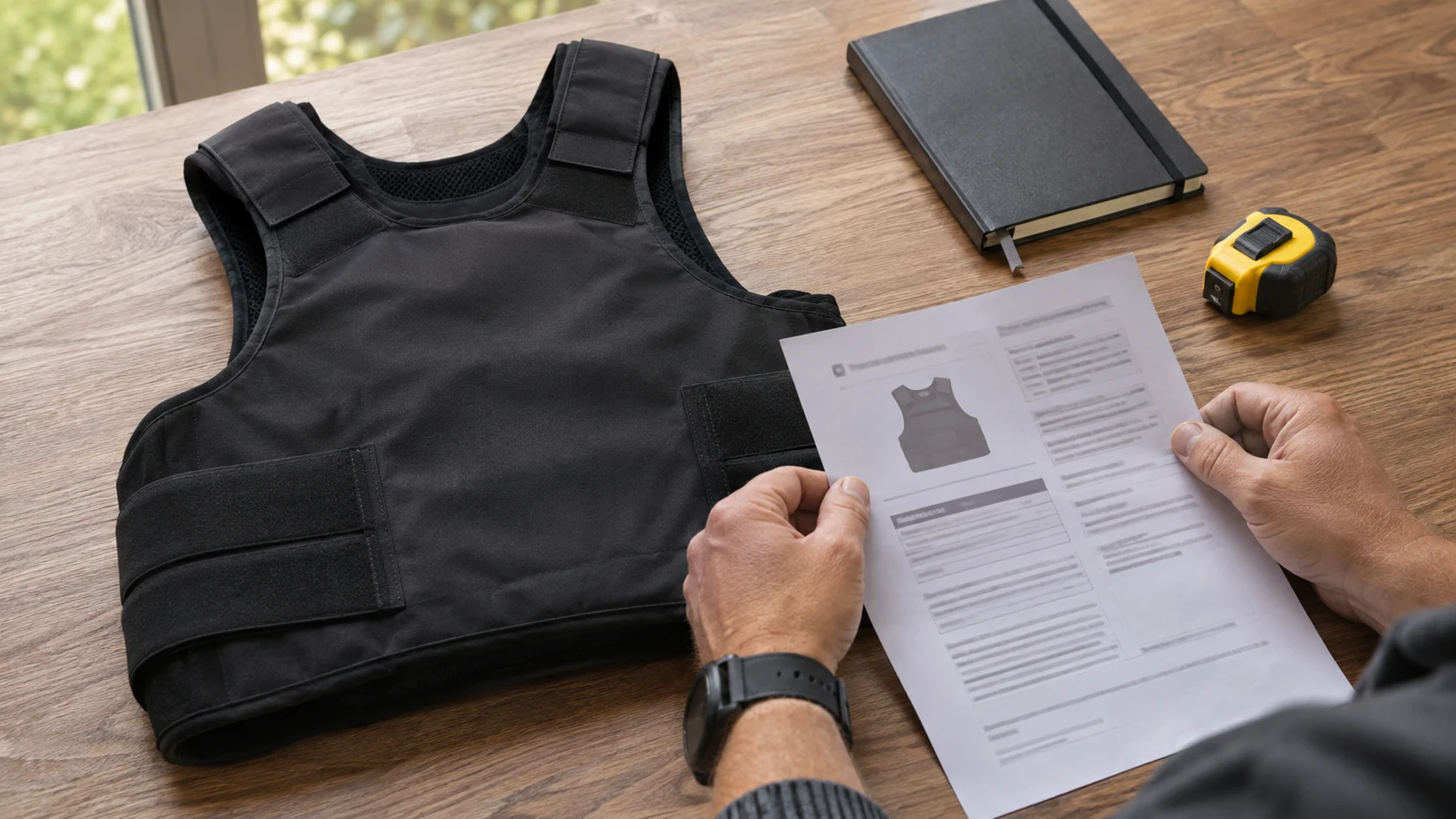
Body armour is specialised equipment, rather than a universal household preparedness priority. Before considering a purchase, define the actual risk, understand the exact model’s testing and assess the constraints of wearing it.…
Read the article →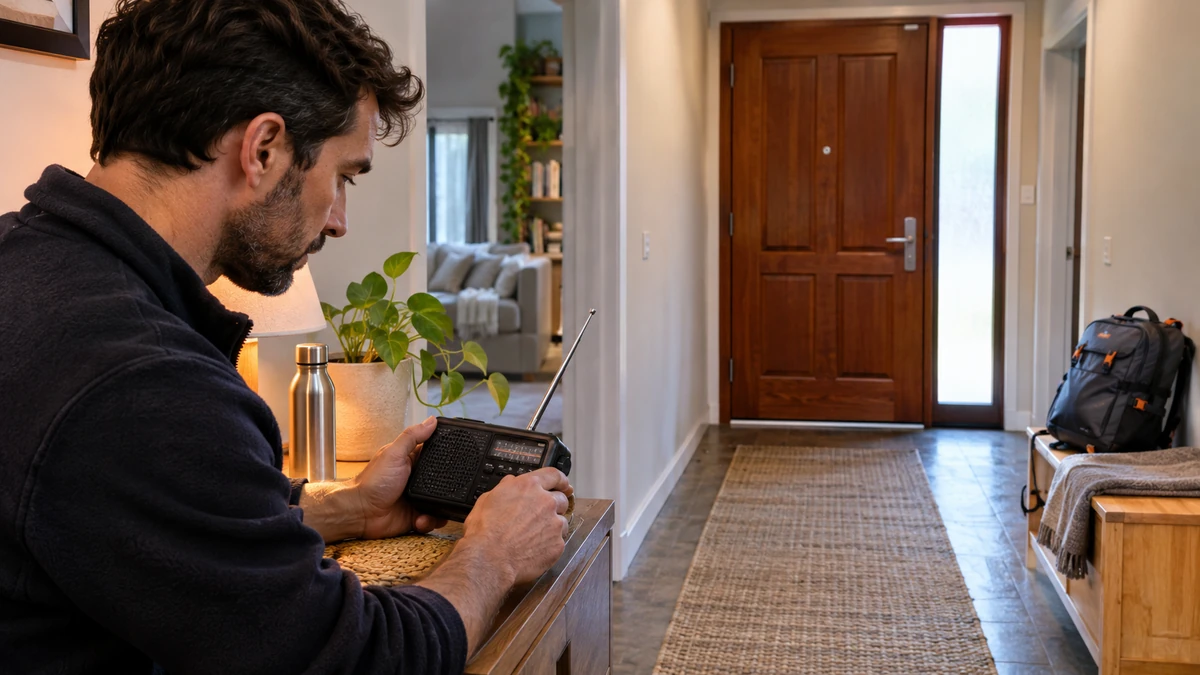
Staying home can prevent unnecessary travel during a disruption, provided the dwelling remains safe and essential needs can be met. The acronym WROL does not itself describe a neighbourhood’s situation. Base the decision on observable…
Read the article →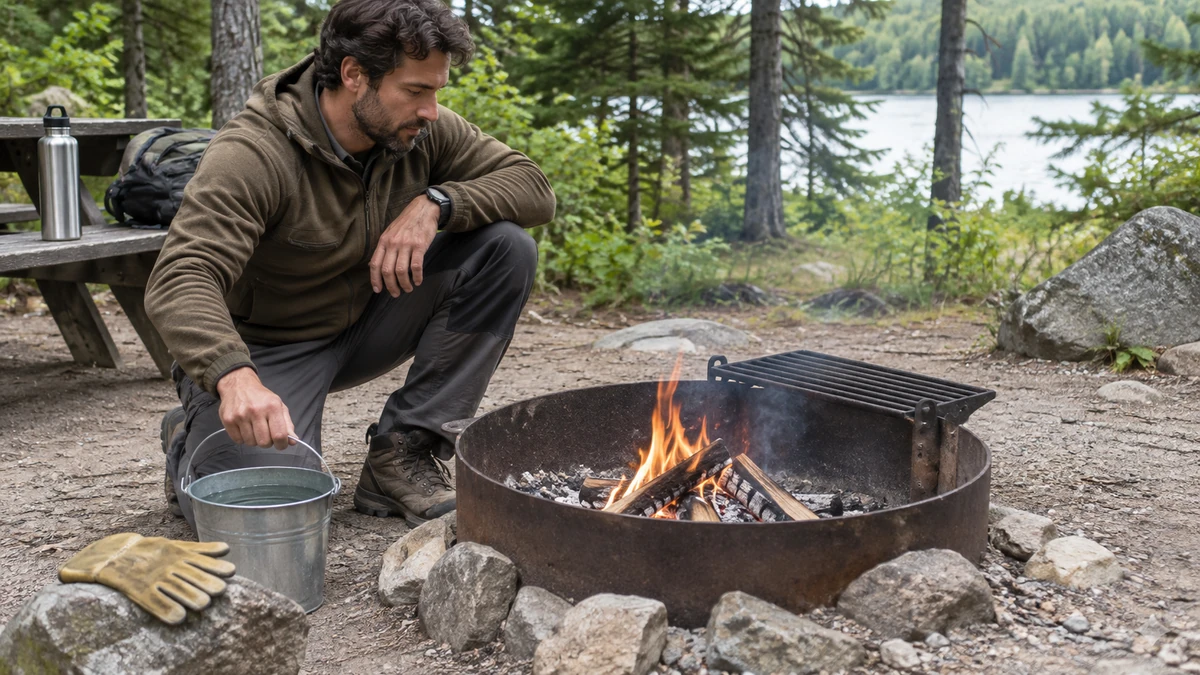
Lighting a campfire requires more than a flame. You have to choose an authorized place, control the fuel and be able to extinguish everything. Learning must be done in appropriate conditions, with monitoring and a source of…
Read the article →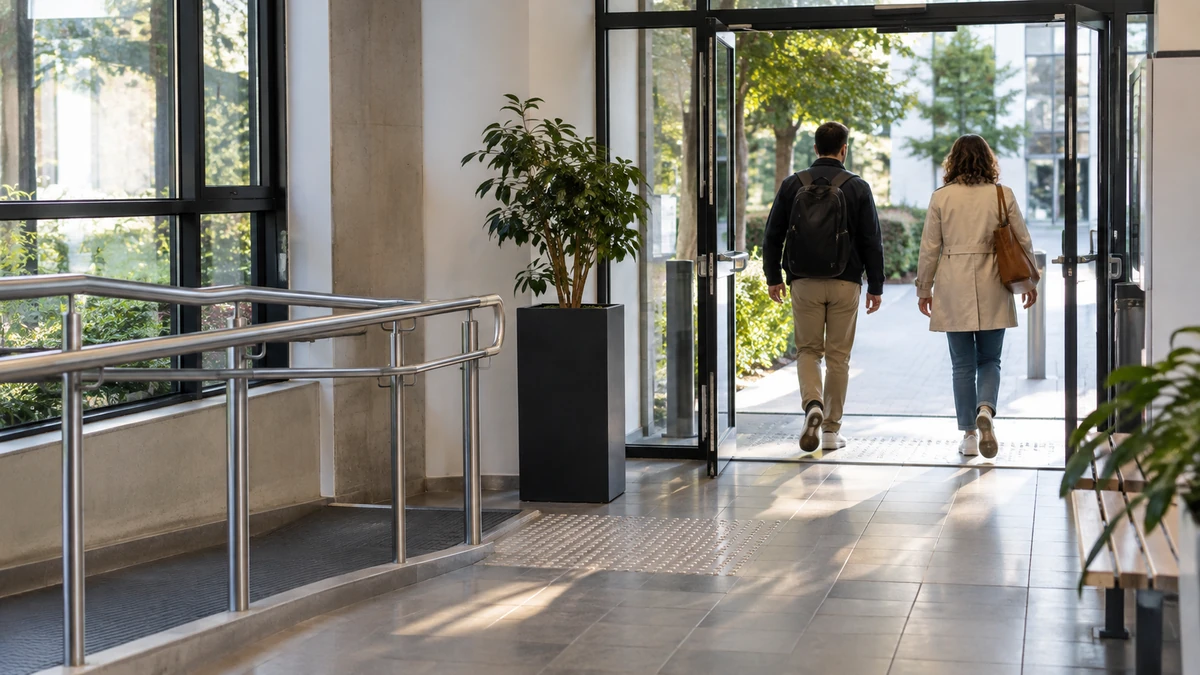
During an attack in a public place, choices depend on the threat’s location, usable exits and the abilities of those present. Escaping, sheltering and alerting provide useful principles but guarantee no outcome. Instructions…
Read the article →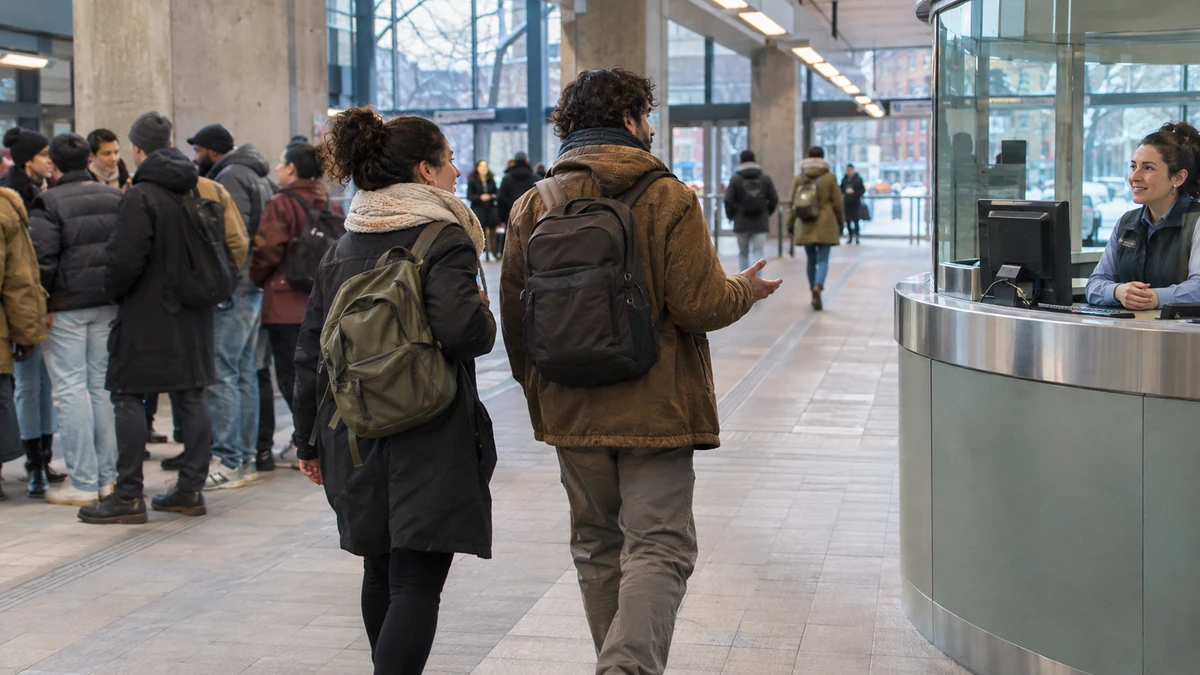
A confrontation can arise in a queue, on public transport or along a familiar route. The civilian goal is to reduce exposure, reach a safe place and obtain help. Leaving safely matters more than winning a chase or proving that…
Read the article →
The term “grey man” describes a desire to go unnoticed. It can prompt reflection on discretion, but it does not provide a reliable way to recognize someone else’s intentions. Ordinary clothing, unusual calm or hesitation do…
Read the article →
Discretion can protect privacy and limit unnecessary disclosure. It does not make anyone untraceable. Practical preparedness means organizing travel, contacts and information without imitating a spy or promising to escape…
Read the article →
The “sheepdog” metaphor appears regularly in preparedness communities. Popularized by American author Dave Grossman, it divides people into sheep, wolves and sheepdogs: ordinary citizens, threats and protectors. Although the…
Read the article →
An armed conflict can make ordinary gestures dangerous: go out to fetch water, join a loved one or open its shutters. For a civilian family, the preparation aims to reduce exposure,…
Read the article →
Organising among citizens can facilitate news to isolated people, information sharing and material assistance after a disaster. This mutual aid benefits from having clear tasks, a…
Read the article →
When you feel like you’re being followed, the immediate goal is to reach a safe place and get help. Try to check yourself a spinning machine by maneuvers, isolated detours or a…
Read the article →
Participating in a concert, festival or sporting event can remain a pleasant activity while preparing some safety cues. For the public, the goal is to know where to ask for…
Read the article →
This week, look at access to housing and home habits. Useful residential security combines well-maintained doors, good visibility and a simple family protocol. She must…
Read the article →
After the week 7 safety habits, look at the outside of the home. The goal is to improve visibility, maintenance and access control, while maintaining exits and access.…
Read the article →
This week is about protecting the home. The goal is to prevent incidents, get away from danger and ask for help. Preparedness is not…
Read the article →
Personal safety begins long before a confrontation: notice a change in your environment, keep a possibility of departure and know how to ask for help. This twenty-fourth…
Read the article →
Personal safety is prepared through habits, contacts and appropriate decisions. It is possible to reduce certain exposures without trying to predict the intentions of each person.…
Read the article →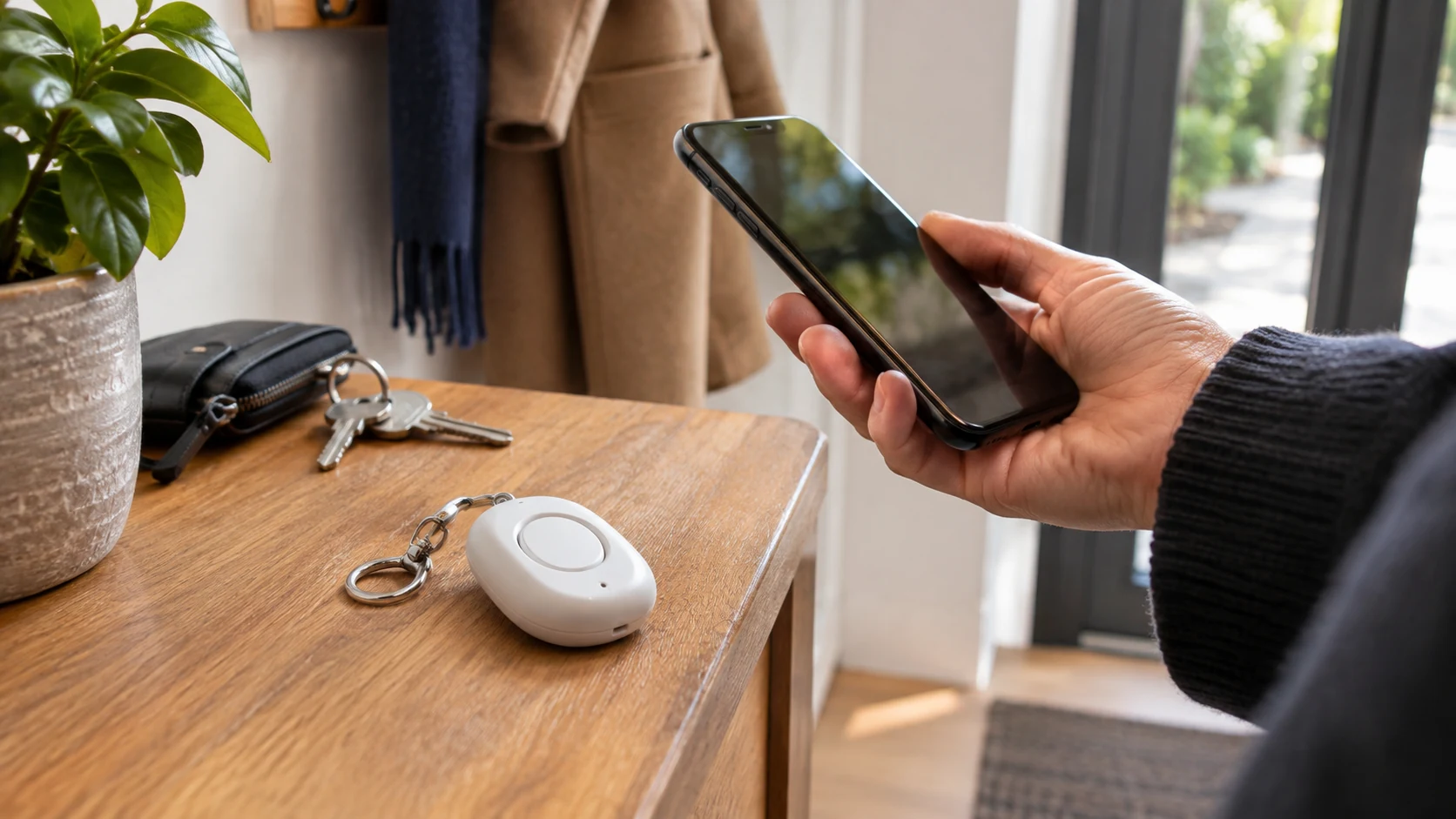
Defense sprays cannot be recommended as a universal daily accessory. Their status depends on the country, their design, labelling and circumstances. A product…
Read the article →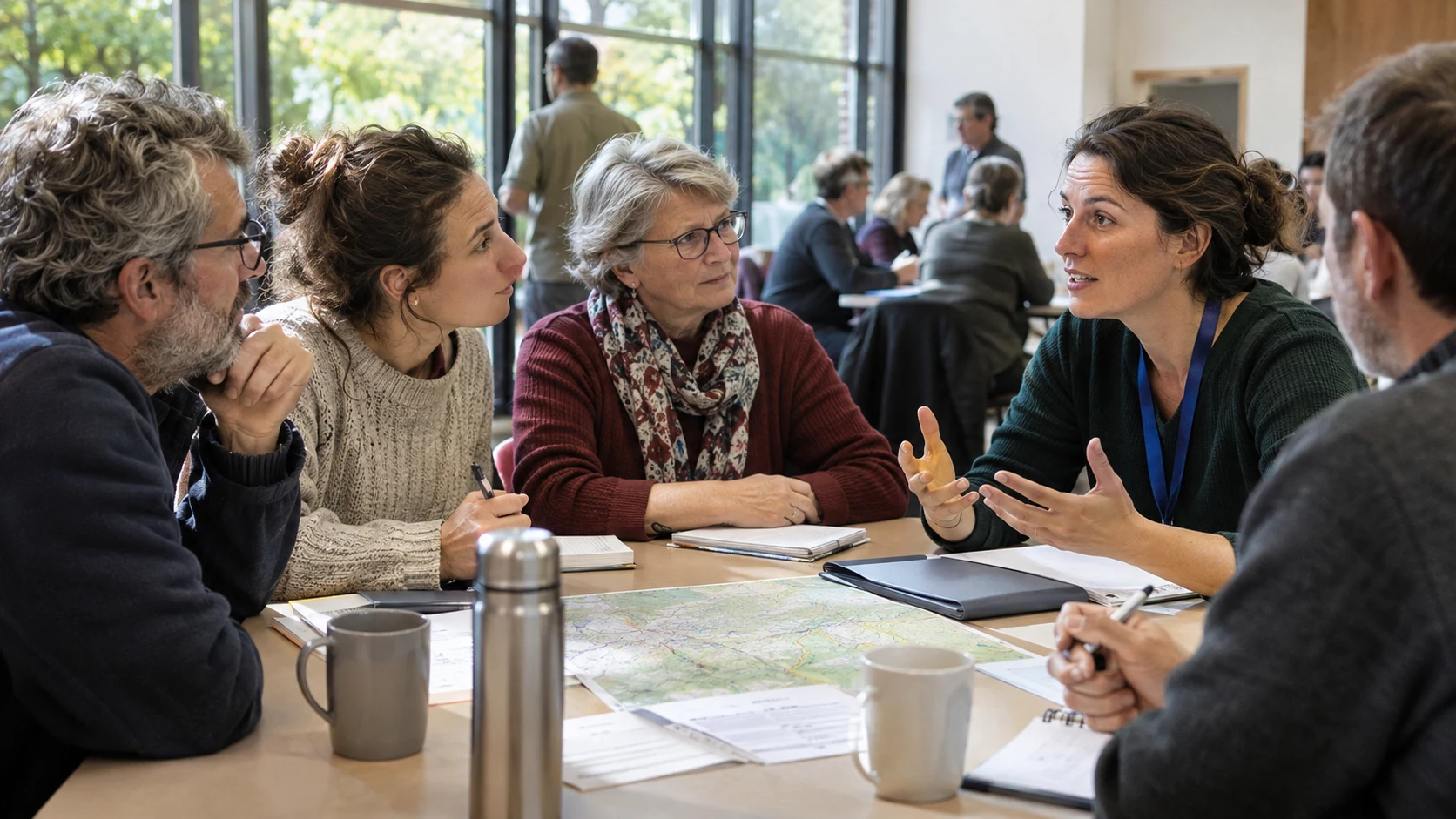
The citizen has a concrete role in his safety: to prevent certain dangers, to know the means of alert and to help within the limits of his capacities. This role complements that of public services. He did not…
Read the article →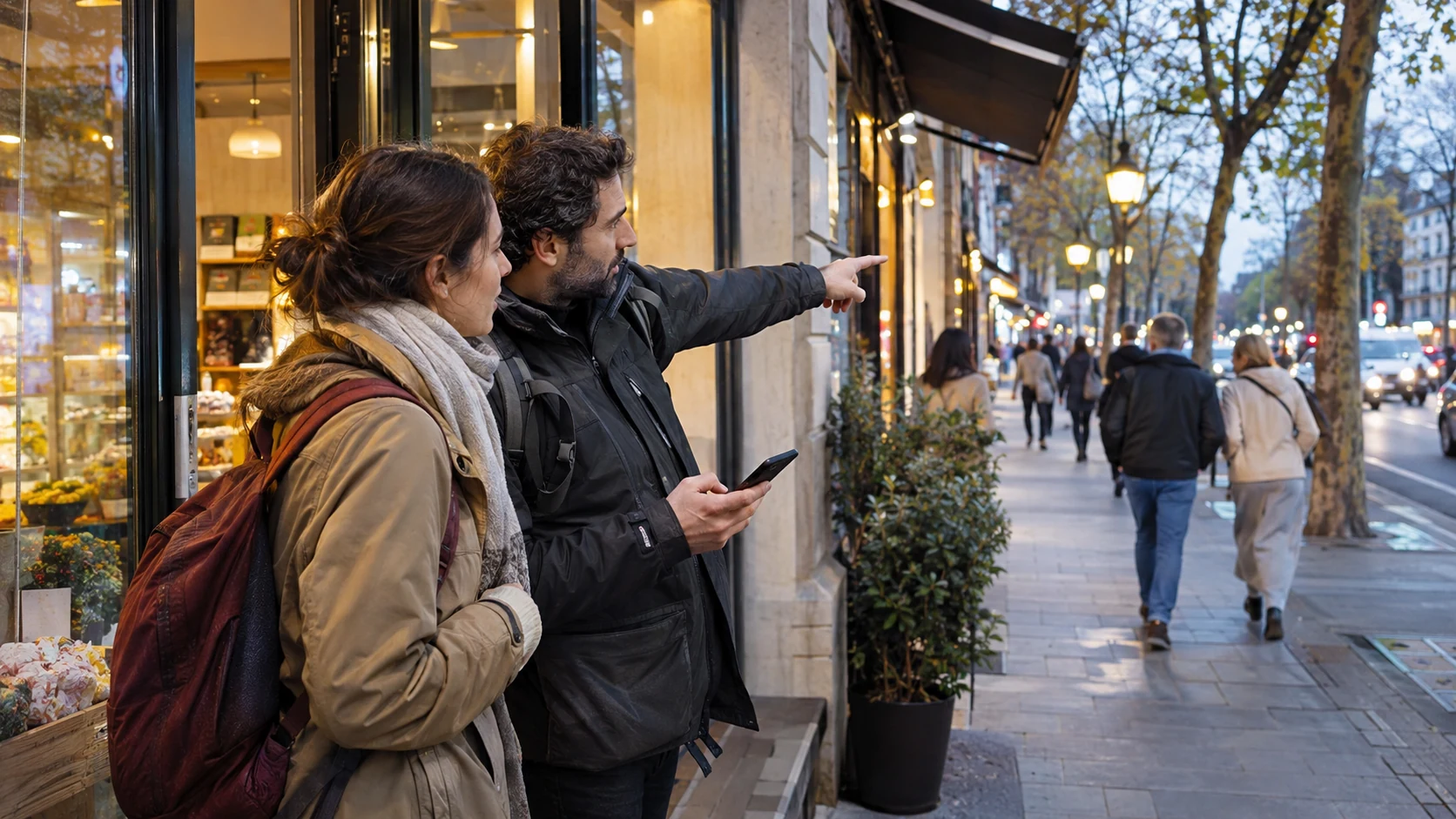
A disruption can change the movements, communications and functioning of the home. Personal safety is based on proportionate decisions: avoid exposure…
Read the article →
PERSEC (Personal Security) is not just for people exposed to “hostile” contexts: it’s a useful approach for anyone who wants to move with more confidence, reduce risk, and stay one step ahead of everyday opportunistic threats.
Read the article →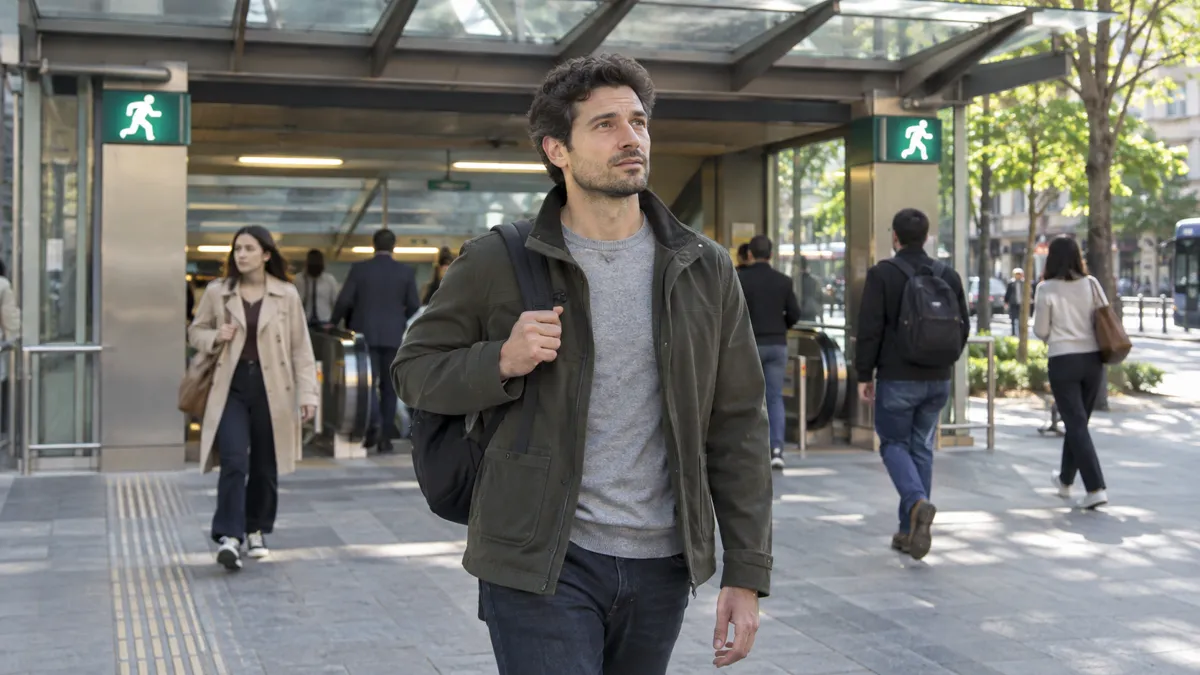
Recently, a reader wrote to me asking several very relevant questions about the concept of the Grey Man.
Read the article →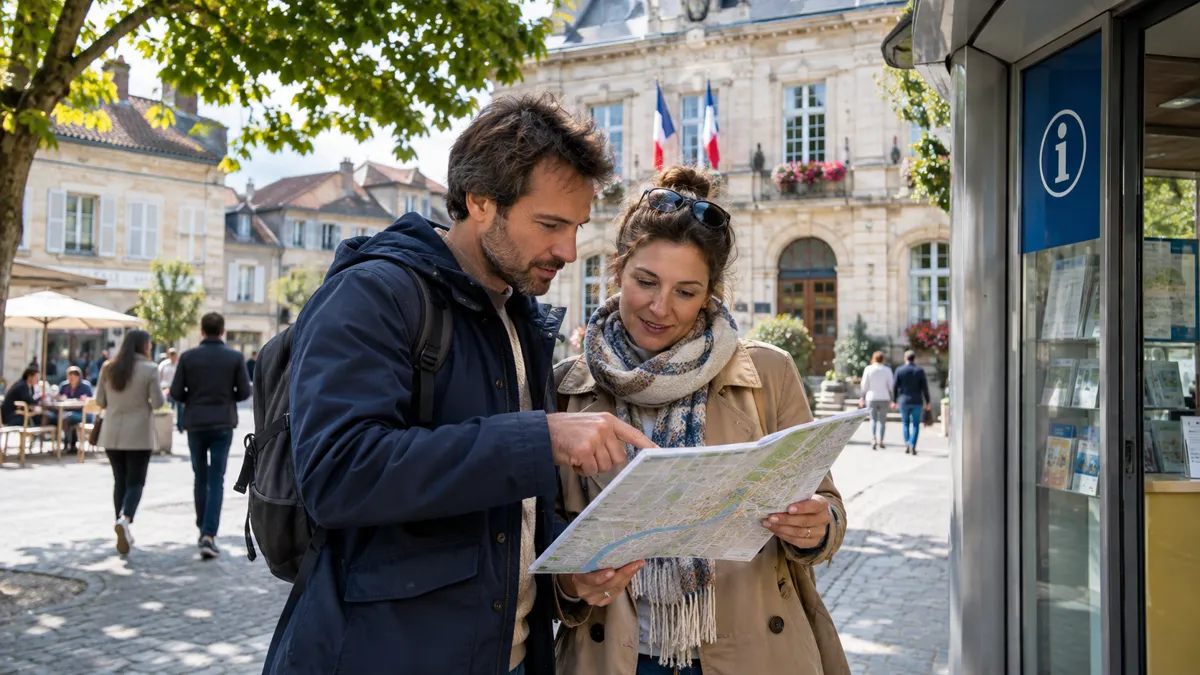
How to adapt your preparation when the news highlights violence?
Read the article →
In a busy station, building or street, understanding what is happening around you helps to avoid danger and ask for help.
Read the article →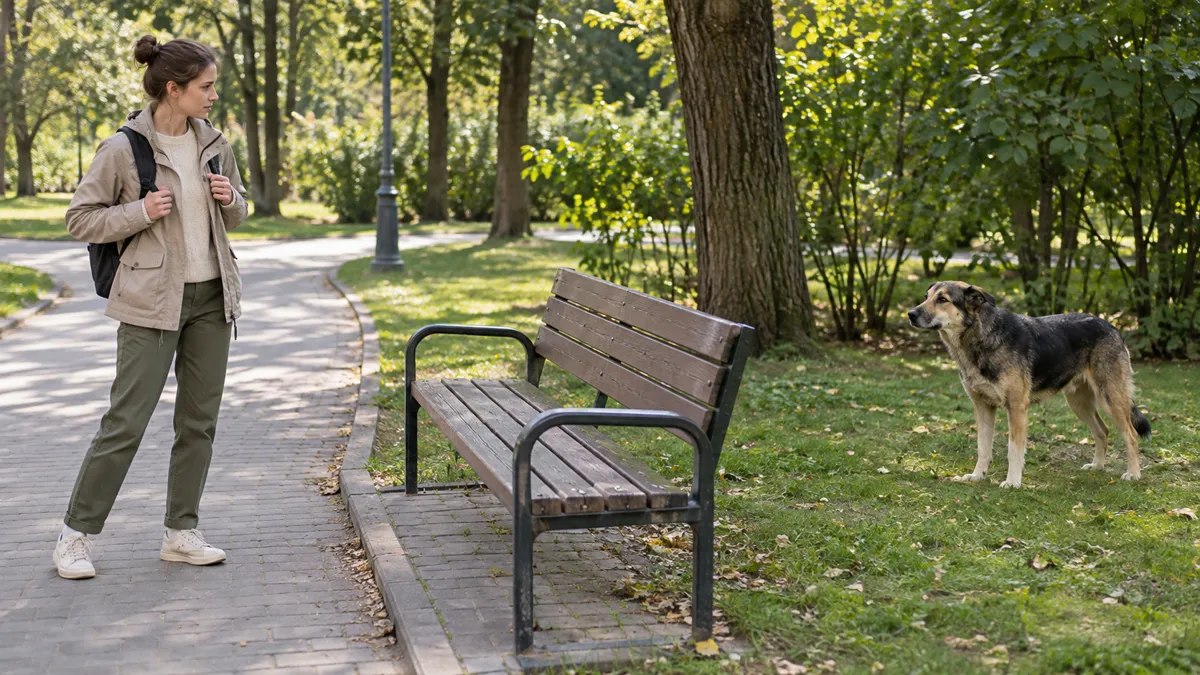
An encounter with an unknown dog may worry, but a stray animal is not necessarily aggressive.
Read the article →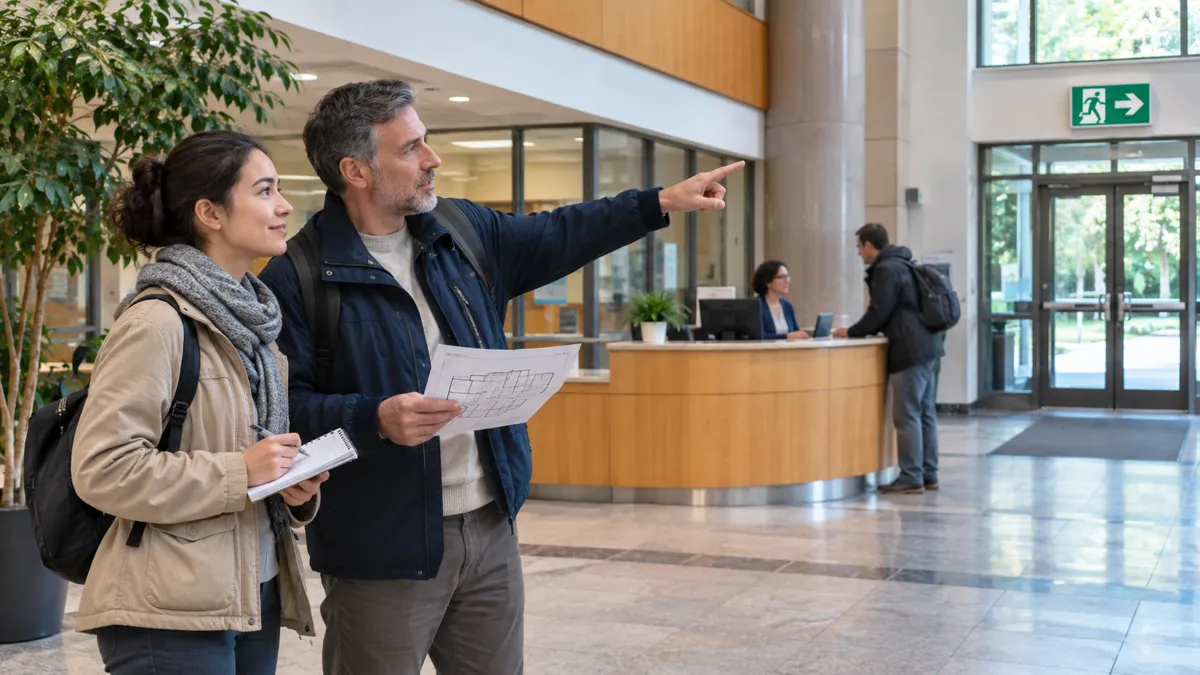
An incident in a business, street, or public place may require you to move away, take shelter, or alert quickly.
Read the article →
Fleeing if the trip is safe, sheltering and alerting: landmarks to protect yourself, accompany your loved ones and follow the police without overexposing yourself.
Read the article →
Understand the criteria of self-defence in Canada, its limits and possible consequences, with priority given to prevention and safety.
Read the article →
Recognize violence and controls, ask for safe help and prepare a suitable protection scenario with a specialized resource.
Read the article →
Distinguish observation and supposition, understand the limitations of models and act without permanent monitoring or profiling of people.
Read the article →
Distinguish between immediate protection, preservation of evidence and accountability without confrontation or improvised legal conclusion.
Read the article →
Prioritize safety and alertness, help in one’s skills and protect dignity when images are kept.
Read the article →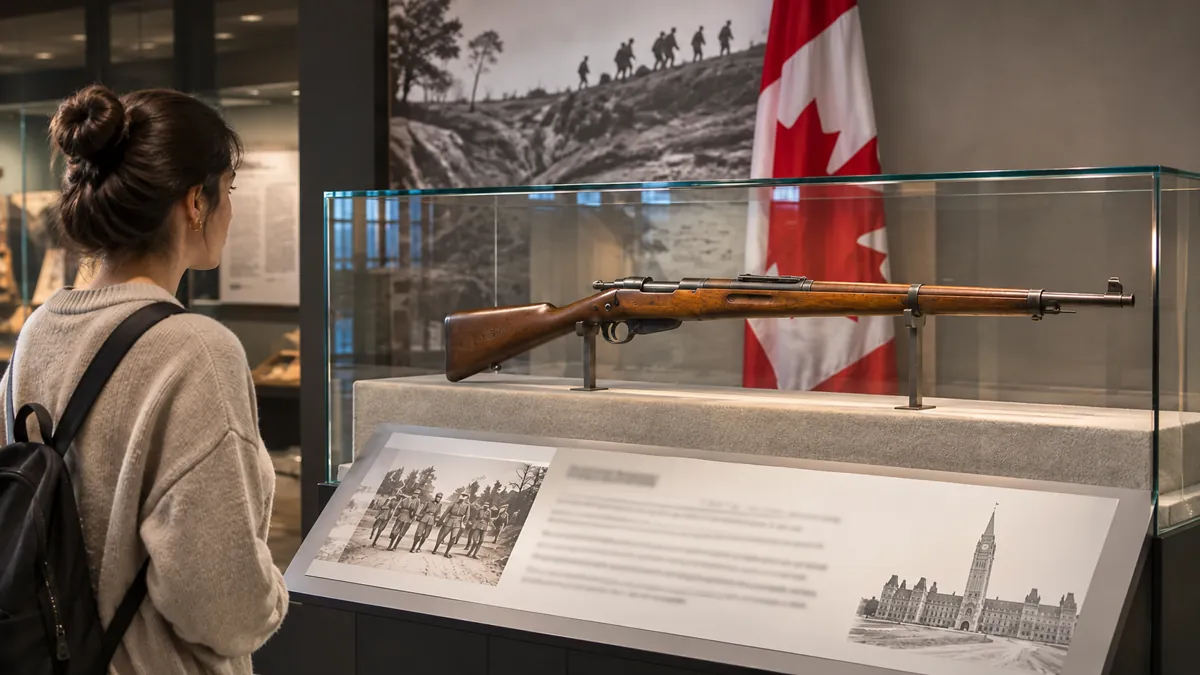
Distinguish historical designations and classifications, with a clear reminder of Canadian prohibitions.
Read the article →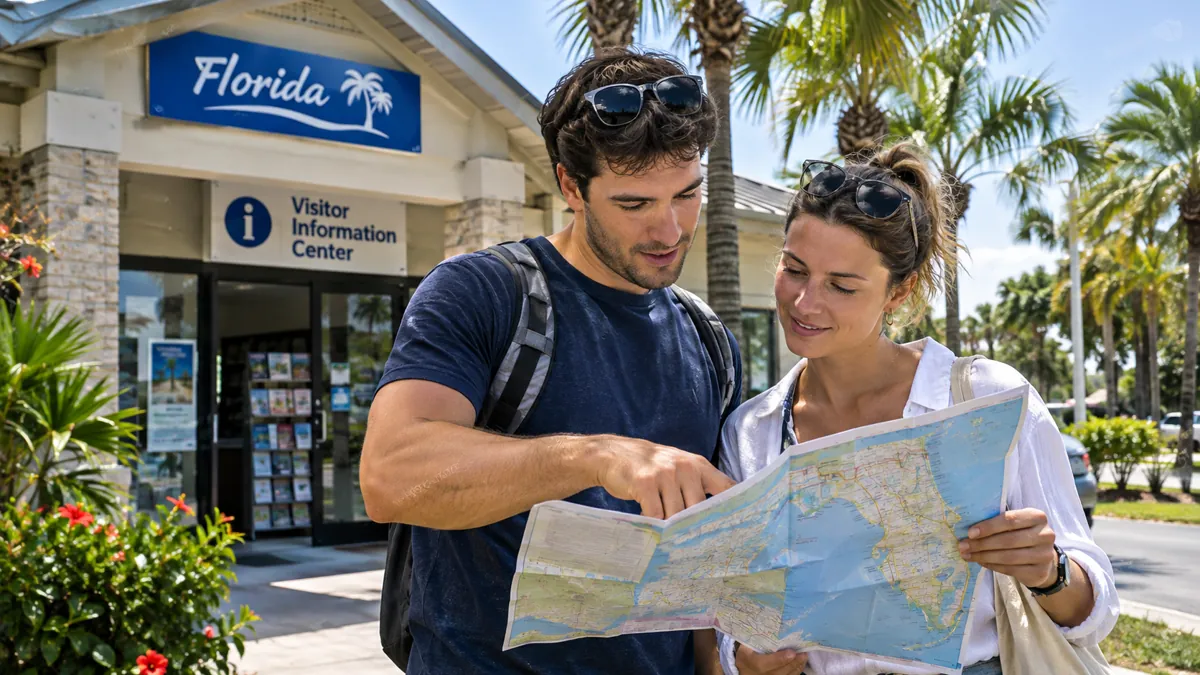
Understand the limited scope of legal documents and organize contacts, travel and withdrawal in the face of a concrete danger.
Read the article →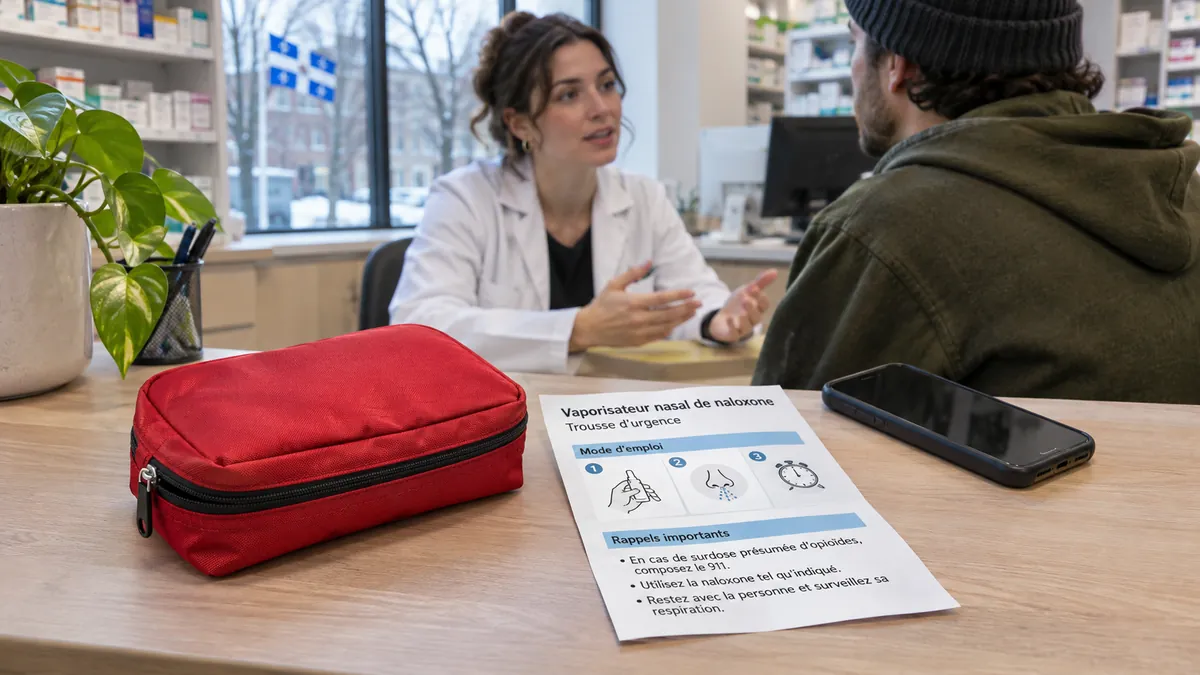
Recognize a possible overdose, call for help and know how to use naloxone, while supporting loved ones without judgment.
Read the article →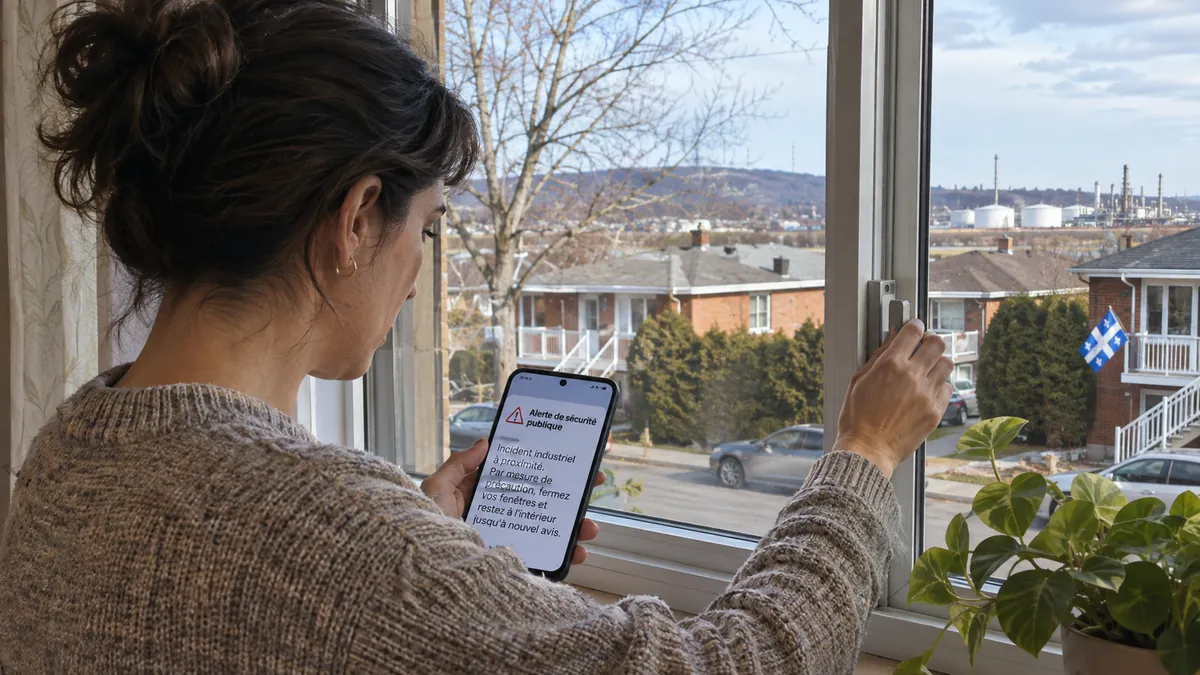
Know the industrial risks of your sector and prepare shelter or evacuation instructions, without improvising an intervention.
Read the article →
Lower, shelter, and grab, then check for hazards without waiting for an arbitrary delay after shaking.
Read the article →
Prepare evacuation and smoke protection by distinguishing safety instructions, air quality and heat.
Read the article →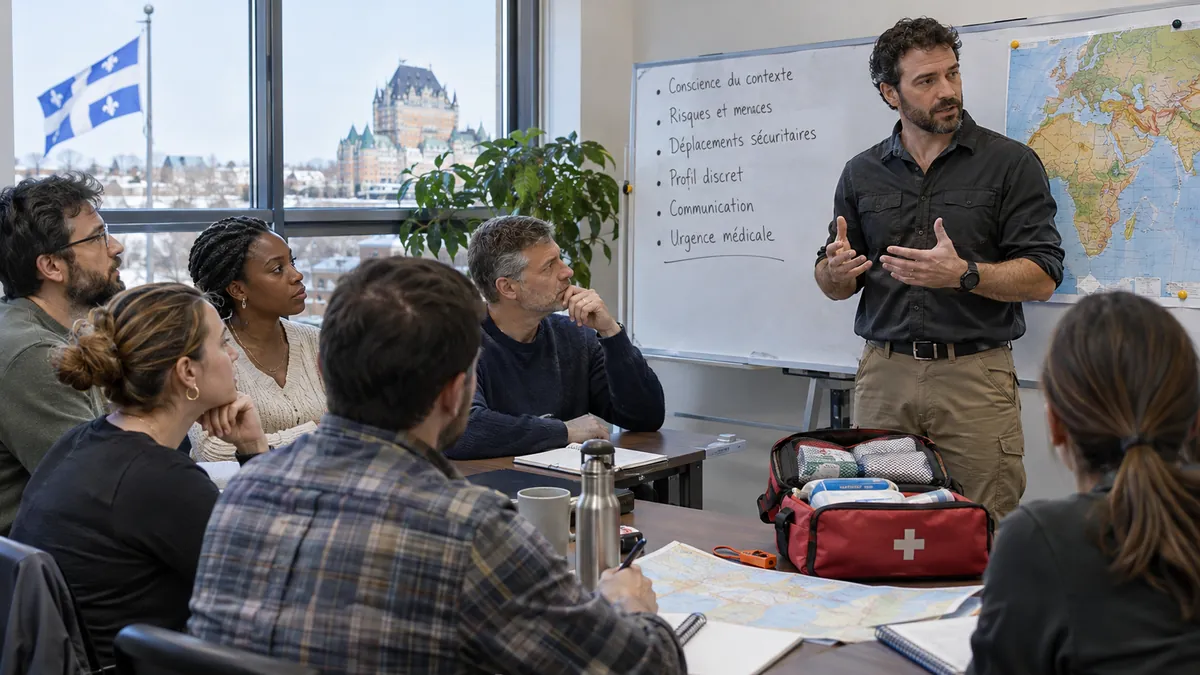
Distinguish between professional security training in a hostile environment and ordinary home preparation needs.
Read the article →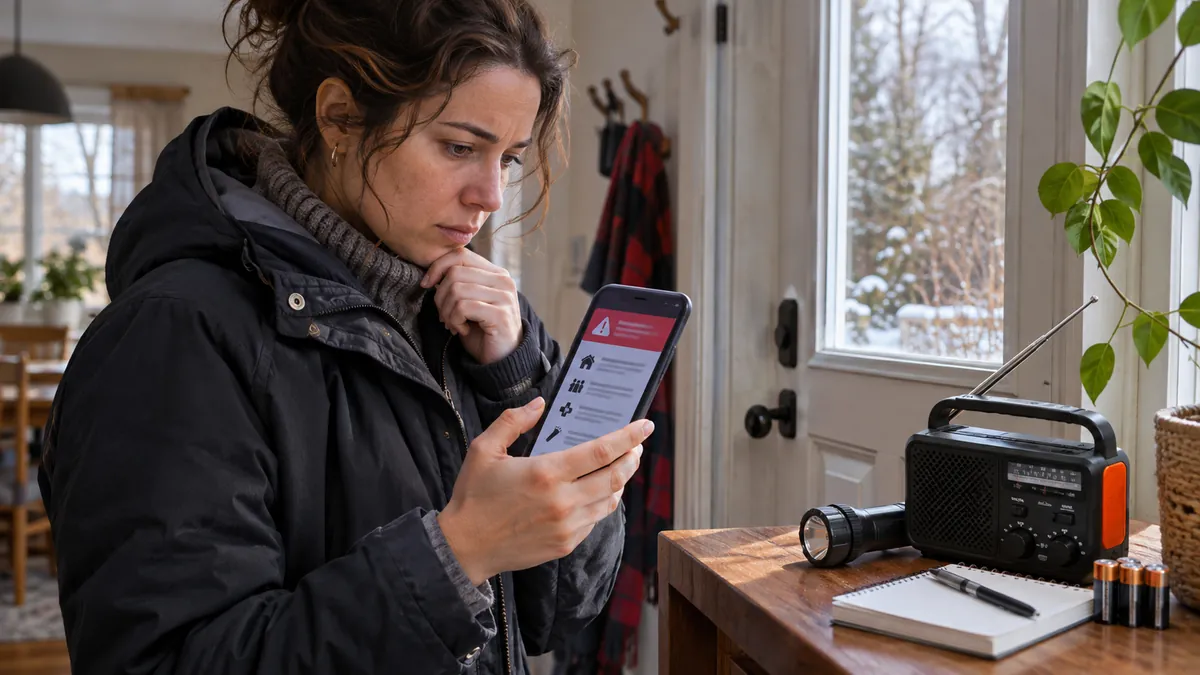
Understand the warning channels and prepare the gestures of the home before receiving a instruction.
Read the article →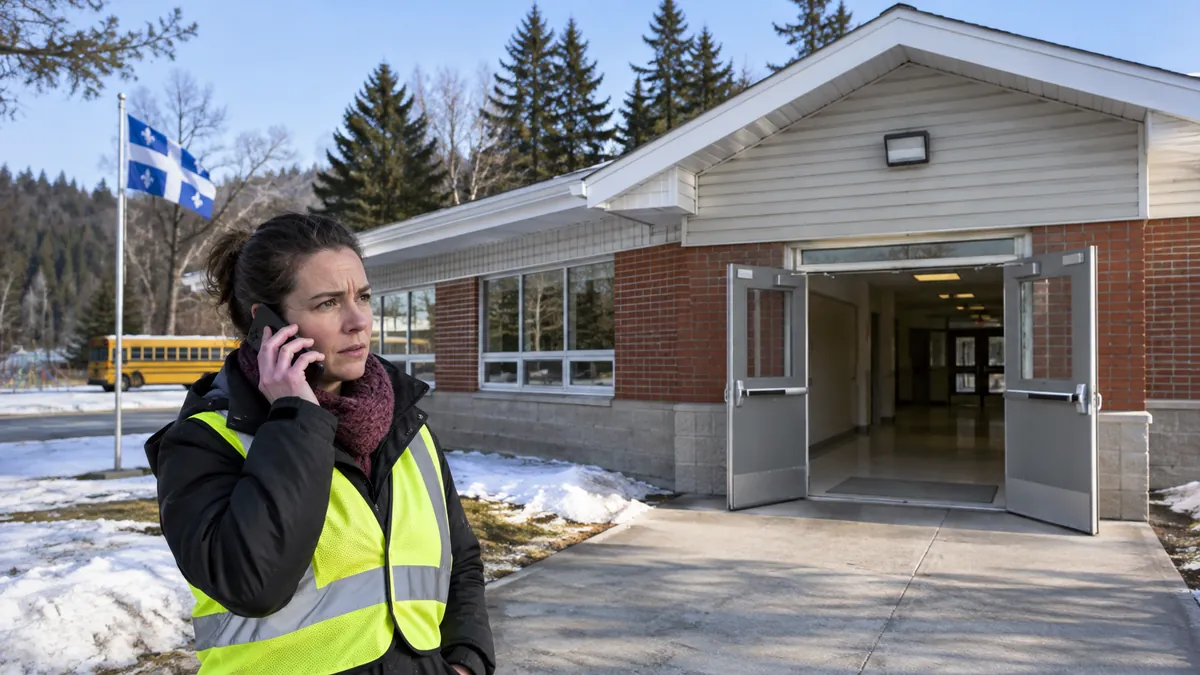
Know the protection options and instructions of the establishment without relying on a theoretical time of arrival of the rescue.
Read the article →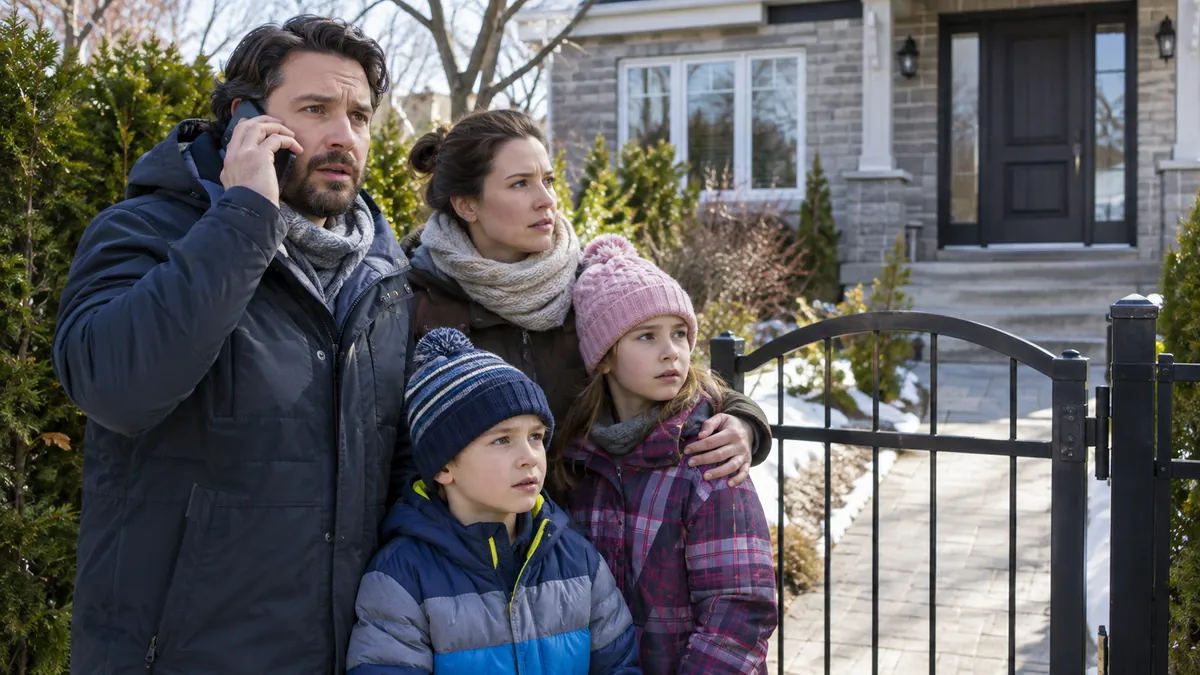
Know the exits and the meeting point, then act without returning to the building for property.
Read the article →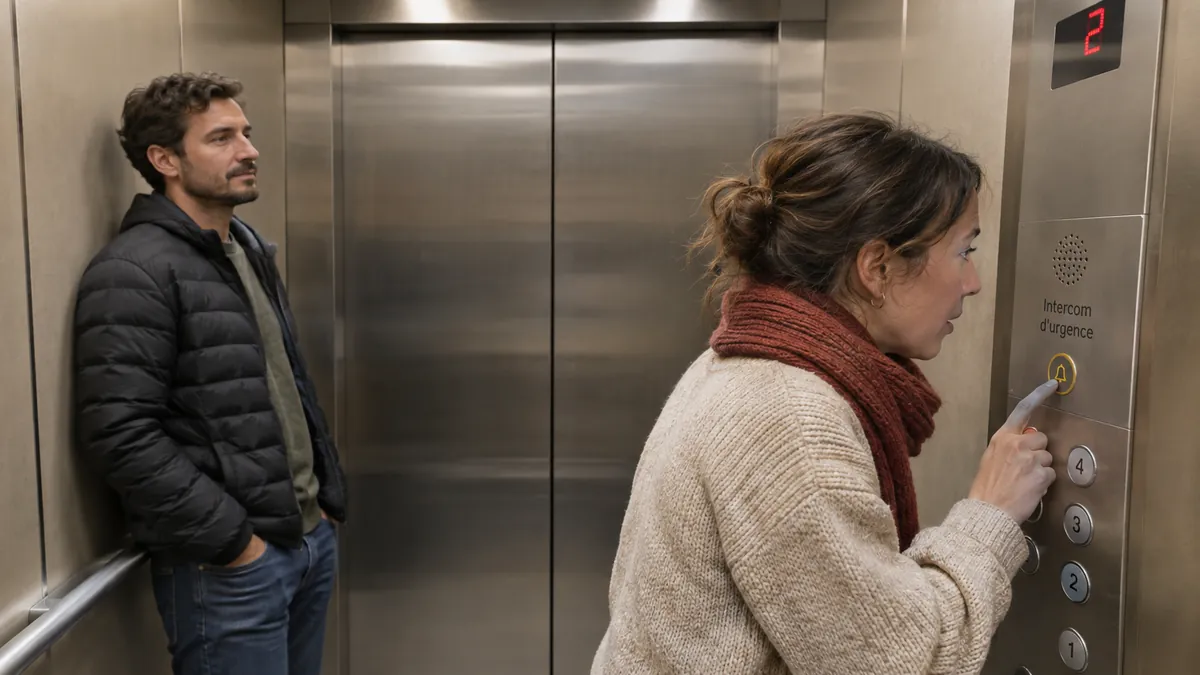
Use the alarm or intercom, specify the situation and do not attempt to exit between floors.
Read the article →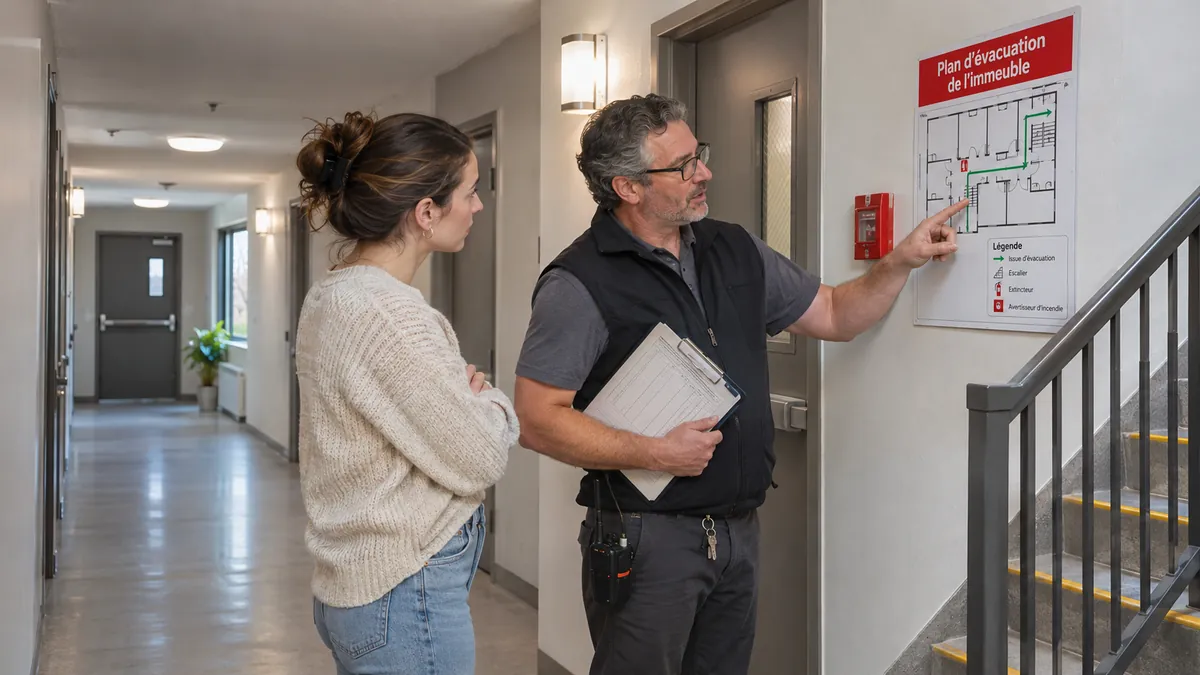
Prepare itineraries and assistance needs with the building manager, then apply instructions adapted to the situation.
Read the article →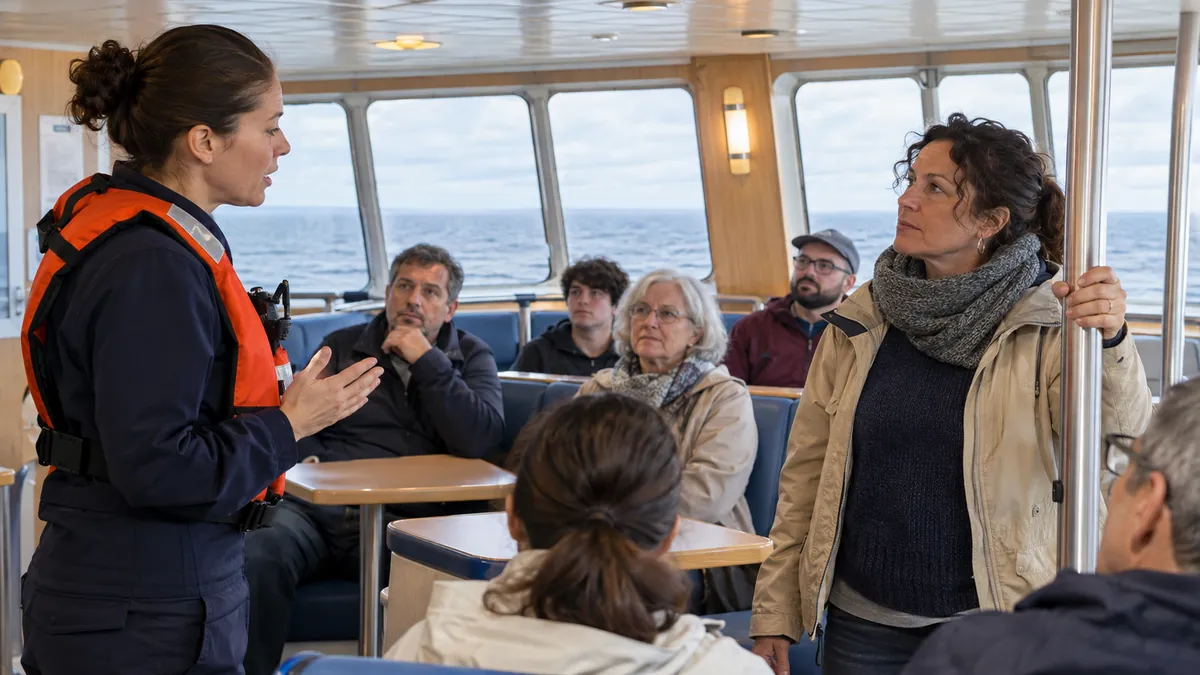
Know the assembly station and the instructions of the board, without improvising an abandonment or an underwater exit.
Read the article →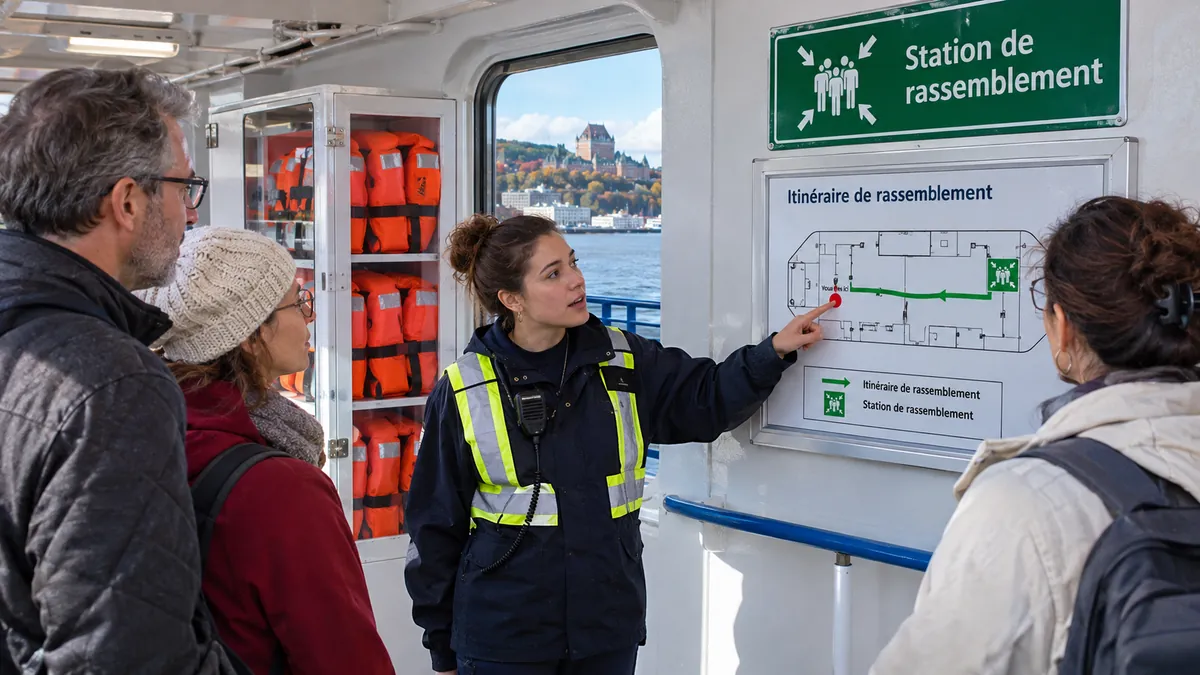
Distinguish between the vessel’s general alarm and the decision to abandon, and then follow the ship’s own procedures.
Read the article →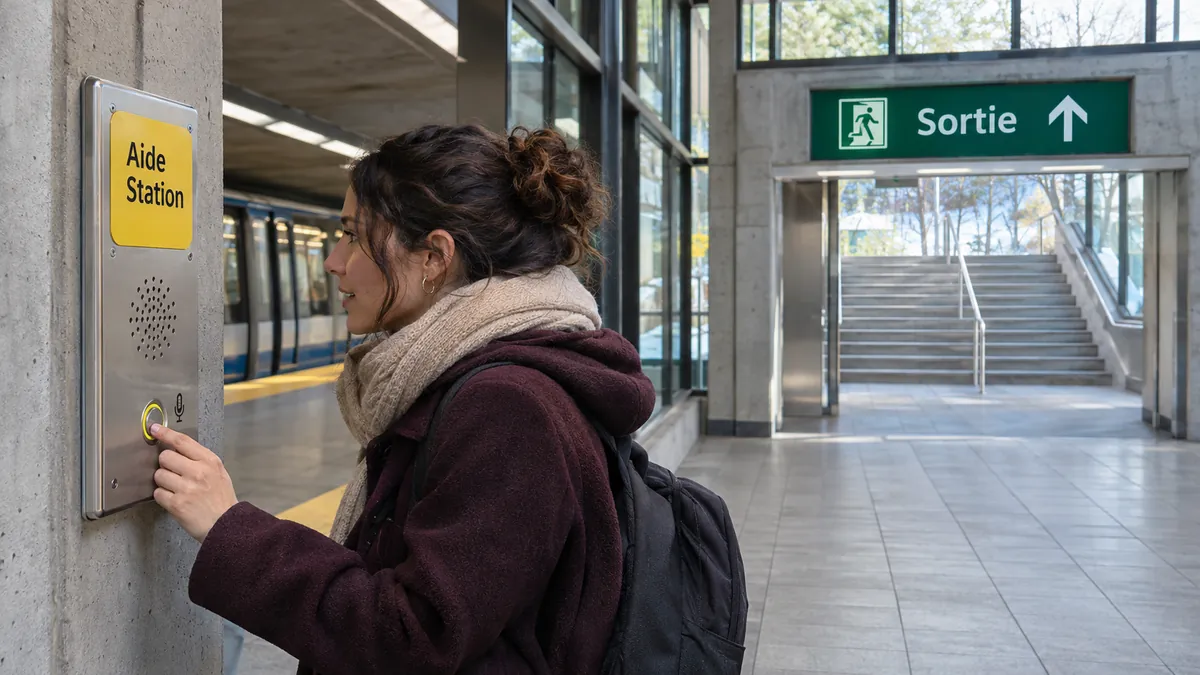
Get away from the threat whenever possible, use alerting and follow network-specific directions.
Read the article →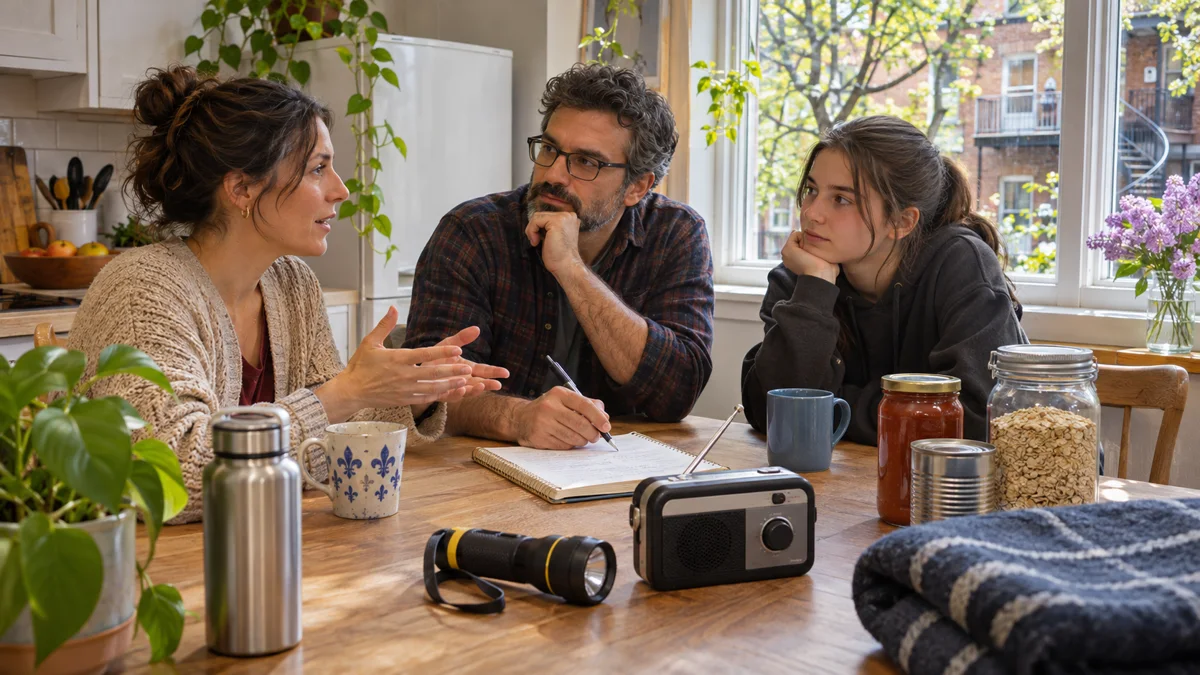
Exchanges between states, trade tensions and conflicts are part of the news. They can raise legitimate questions about the essential goods, travel and services a family depends on. Preparedness consists in transforming these issues…
Read the article →Reduce the risks around housing, prepare a more protective indoor air and organize a departure adapted to the needs of the home.
Read the article →
An alarming video, a dateless screenshot, or a message from a loved one can change our decisions during an emergency. Information is therefore part of home preparation: it helps to understand a danger, to choose a trip and to…
Read the article →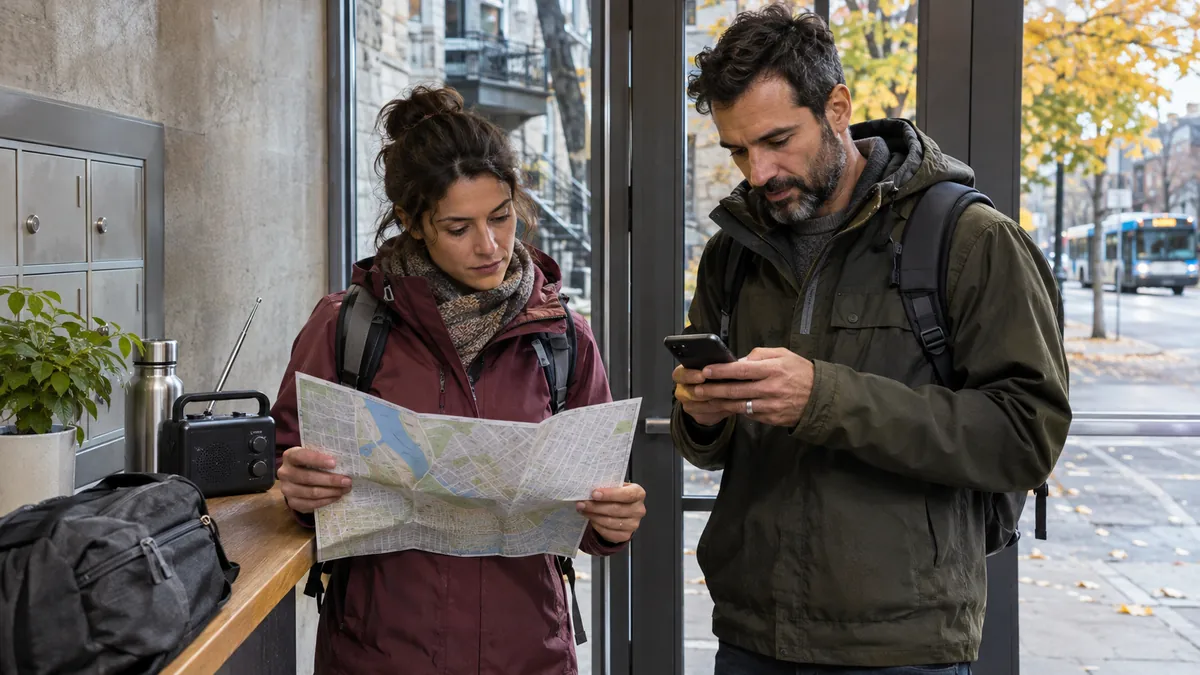
In the city, a power outage, storm or evacuation can quickly disrupt transportation and services. Preparing is about knowing the local risks and organizing the needs of the home before the break.
Read the article →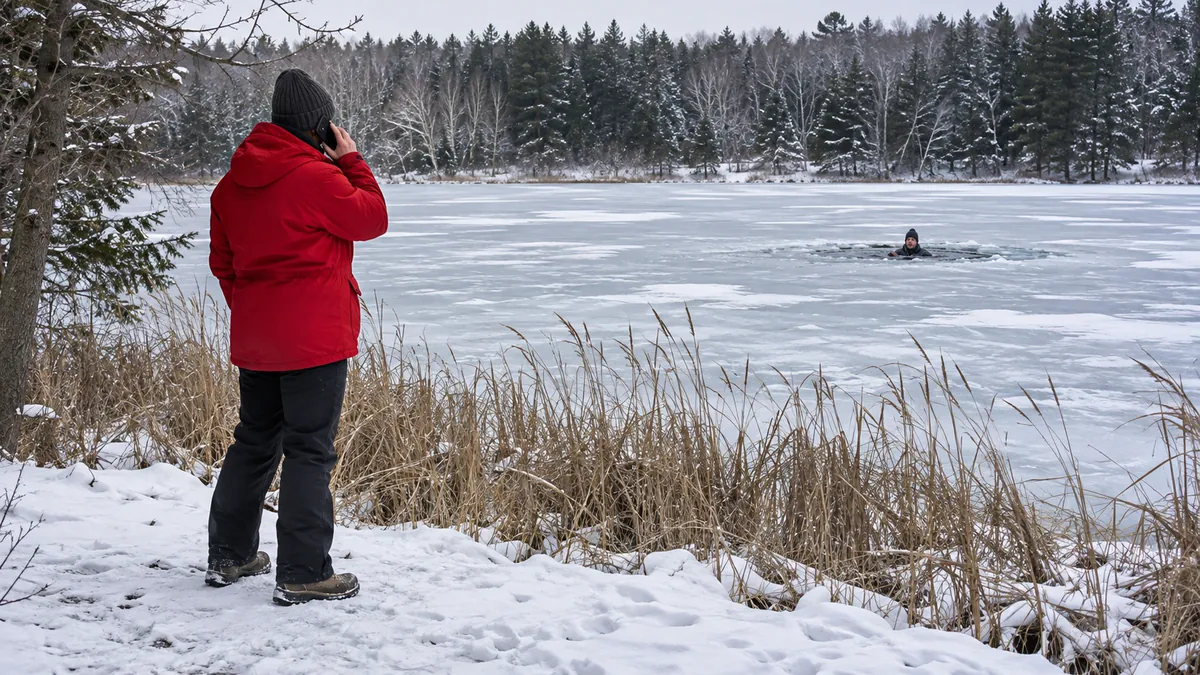
Recognize urgency, alert relief and consider help from a safe place: a scenario to prepare your decisions.
Read the article →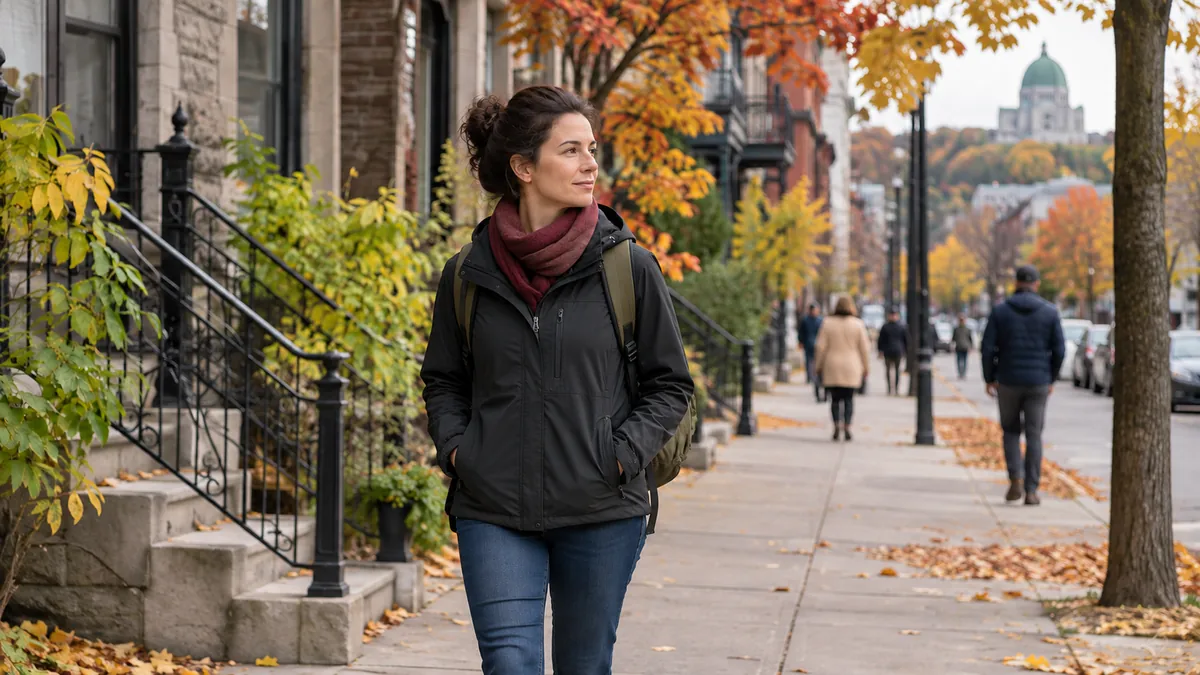
Protect sensitive information and avoid confrontations, while maintaining the lighting, visibility and assistance necessary for its safety.
Read the article →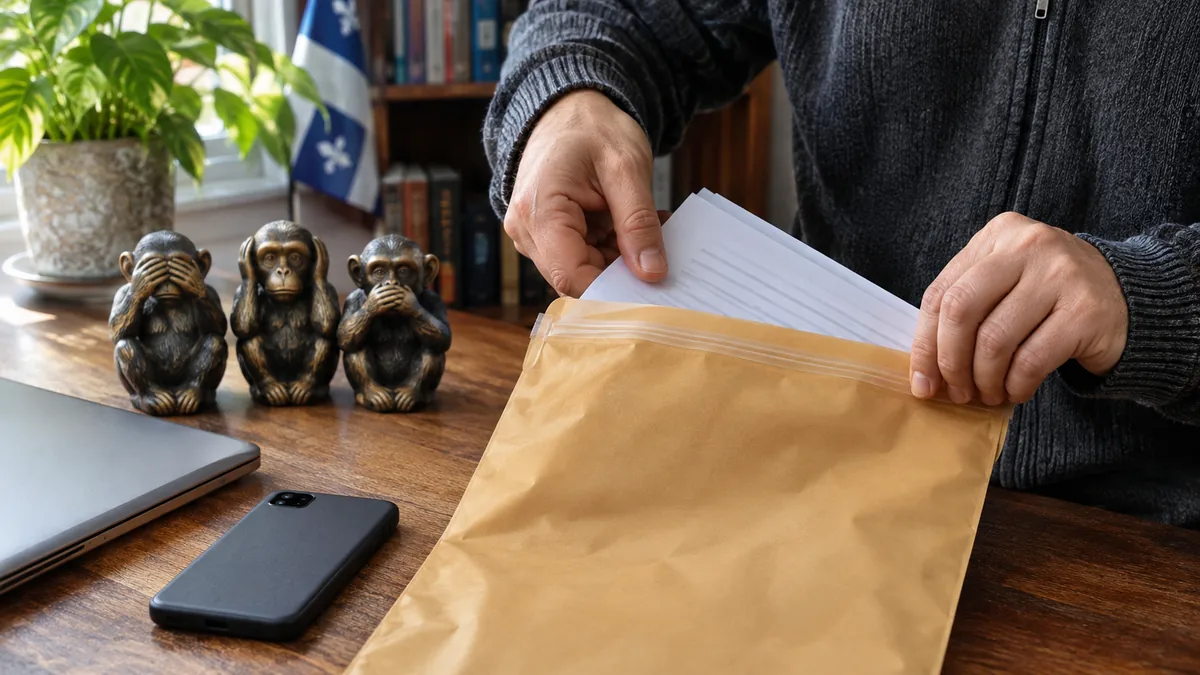
Choose what you share, with whom and why: apply simple privacy habits to family preparation.
Read the article →
Distinguish contactless reading, fraud and card protection, then compare the usefulness of a suitable wallet or pouch.
Read the article →
A security scenario to reflect on sheltering, alerting and observable facts, without seeking confrontation.
Read the article →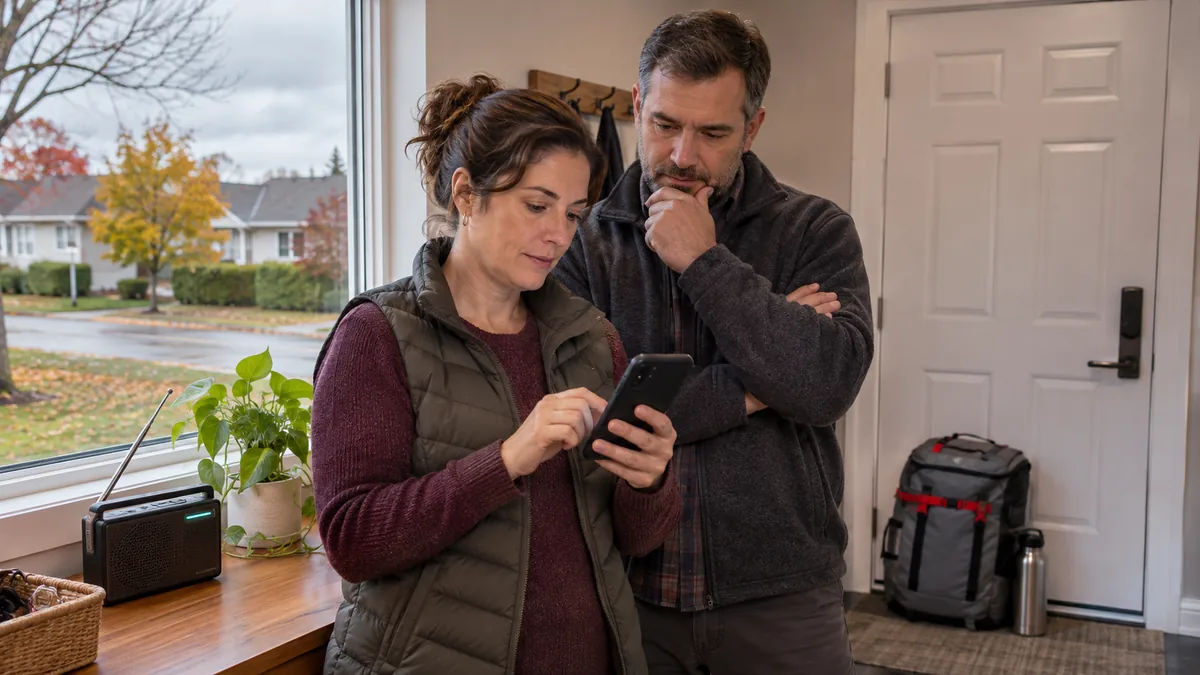
Crossing official instructions, danger, resources and travel opportunities to prepare a reviewable decision.
Read the article →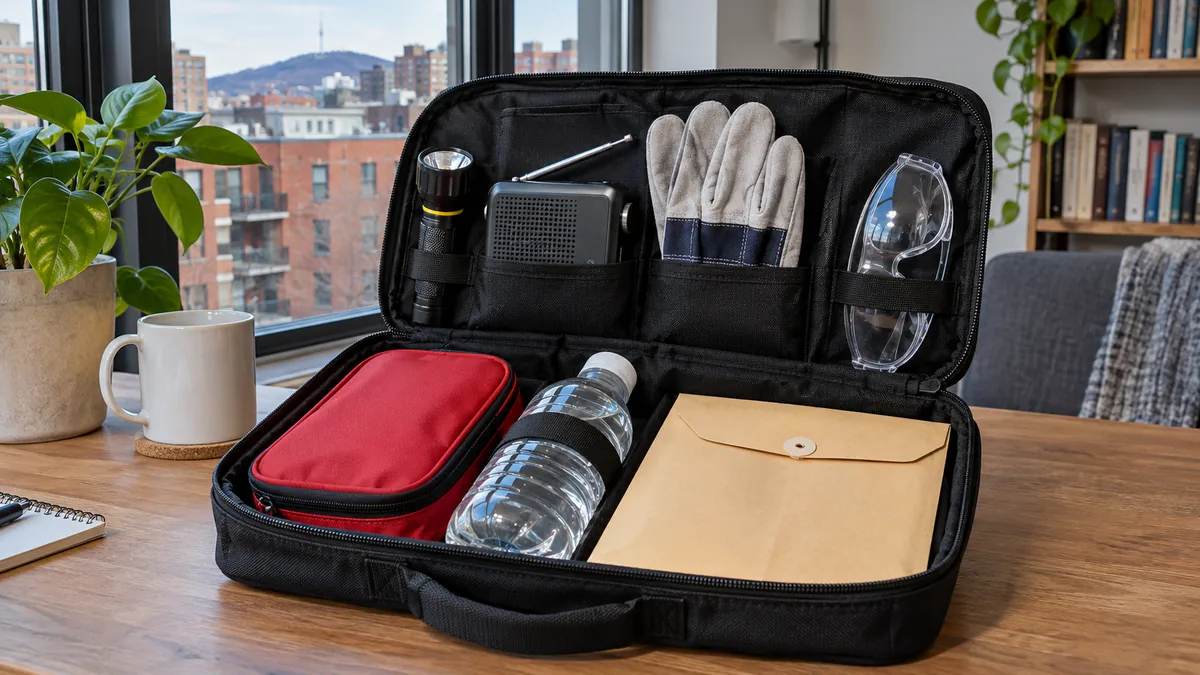
Adapt your kit to city trips: communication, lighting, water, first aid and useful equipment according to the risks encountered.
Read the article →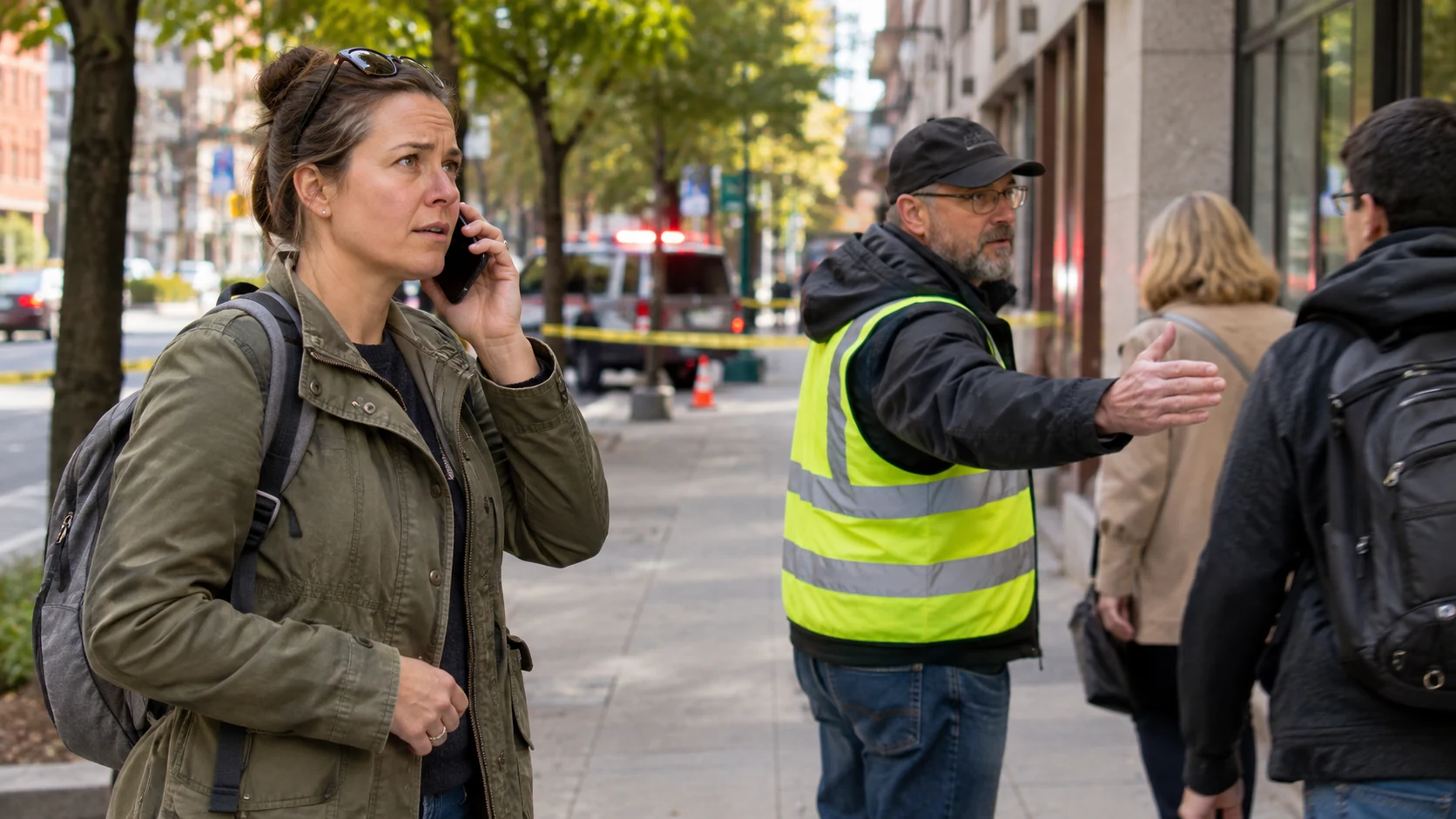
Before any analysis, one thing is required. Our thoughts are with the victims, their loved ones and all those affected by the tragedy in Crans-Montana.
Read the article →
The recent tragic events in Sydney, during a public celebration of Hanukkah, recall an uncomfortable but unavoidable reality: even the places perceived as safe...
Read the article →
This weekend, in the night from Saturday to Sunday, we will move back the time to winter time. A harmless gesture for some, but a key moment for prevention and safety. At each…
Read the article →
Every year in Quebec, October marks Fire Prevention Week. Under the official theme "The first responsible is you! » , This campaign reminds us that security is not…
Read the article →
The organization’s stakeholders need to invest more time and effort to better understand the prevention and survival of active shooter incidents. With a clear understanding…
Read the article →
Safety is not just about institutions and experts: it starts at home, on a daily basis, in the simple actions of families. But the risks are real. :
Read the article →
In today’s ever-changing economic and technological landscape, companies face a multitude of challenges and potential threats. From natural disasters to…
Read the article →