
In this article
- Understanding evacuation
- Understanding shelter-in-place
- A grid to help you decide
- Scenario 1: tornado
- Scenario 2: wildfires
- Scenario 3: civil unrest
- Scenario 4: pandemic
- Scenario 5: airborne infection risk and ventilation
- Scenario 6: nuclear or radiological accident
- Scenario 7: chemical or industrial spill
- Scenario 8: cyberattack on critical infrastructure
- Scenario 9: nuclear detonation
- Summary by scenario
- Frequently asked questions
- Further reading
- Equipment to compare based on your needs
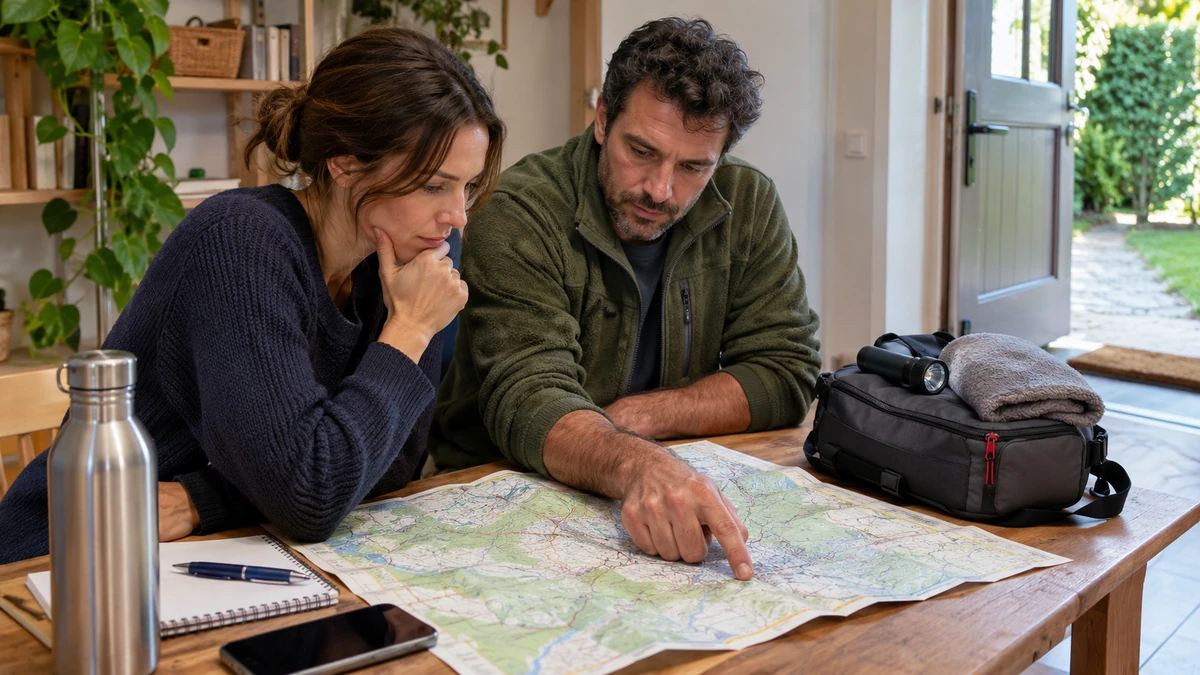
In an emergency, leaving an area, taking shelter in a building and staying home are three different actions. And staying home doesn't always mean sealing up doors and windows. The right response depends on the hazard, how it's developing, where you are, your needs and above all official instructions: temporary sheltering from a chemical plume doesn't apply to preventing a respiratory infection, where fresh air actually lowers the risk. This guide offers a way to think it through, scenario by scenario, so your decision rests on clear criteria rather than emotion alone when the time comes.
In short
- An evacuation order or an immediate danger (fire, rising water) decides for you: leave by the routes indicated.
- A shelter-in-place instruction is followed according to the specific hazard: you don't seal your home for a pandemic, but you do so temporarily for a chemical plume.
- During a tornado warning, don't hit the road: get to a sturdy shelter close by.
- Prepare both options in advance (an evacuation bag and a supply at home), without assuming both will always be possible.
- Report your support needs early: reduced mobility, no vehicle, medical treatment.
Understanding evacuation
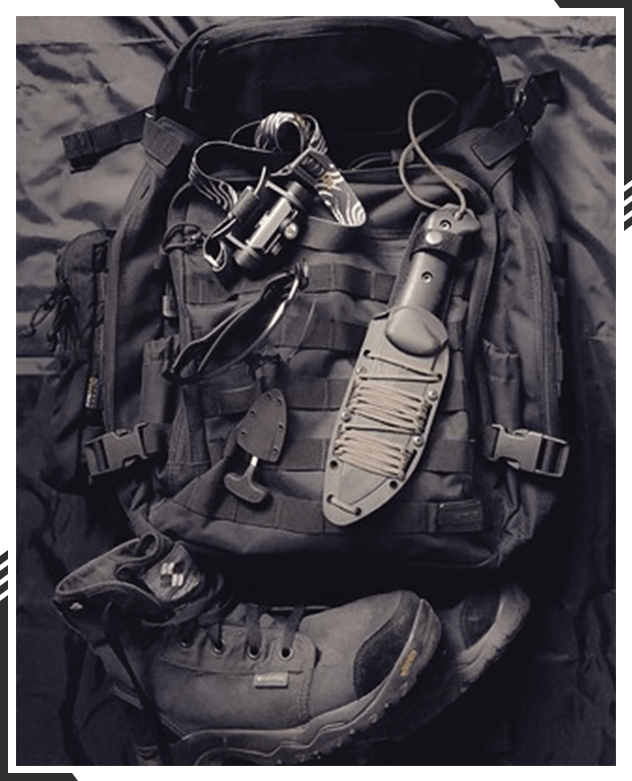
Evacuating means leaving an exposed place for a safer destination, according to instructions and the help available. An evacuation can be precautionary or a response to immediate danger, and how long it lasts varies widely. Don't assume a quick return, and don't wait for an expected time to pass before asking for help: the authorities announce the conditions for returning separately.
A grab-and-go bag makes leaving easier: medications, documents, contacts, lighting and supplies suited to each person. But on its own it isn't evacuation preparedness: the destination, transportation, help needed and instructions matter just as much. A three-day water supply for the whole household is often too heavy to carry: prepare what can be carried, with a plan to resupply or find a place to stay. To prepare the bag, see our guide Choosing your evacuation bag; to organize the departure, see Preparing an evacuation plan.
Watch out: transportation
A disruption can make some roads or services unavailable, without affecting all infrastructure in the same way. Plan several realistic options, including help for people without a vehicle or with reduced mobility (see Evacuation and reduced mobility). An estimated travel time isn't a guarantee: check road conditions, and never go around a safety perimeter to follow the route you had planned.
Leaving a burning building or following an evacuation order may be essential. But a fast-moving threat doesn't always call for travelling outside: when a tornado is imminent, getting to a sturdy shelter close by comes before any trip. During a flood, never cross water when you don't know how deep it is or how strong the current is. The specific hazard, the instructions and whether the destination can be reached guide the decision; there's no single departure rule for every threat.
Understanding shelter-in-place
Sheltering means reaching or staying in a place that protects you from the current hazard. It may be the building you're already in, without necessarily trying to get home. In a chemical or radiological situation, instructions may ask you to close doors and windows and turn off ventilation; that isn't a general rule for every time you wait at home. The authorities reassess the location and duration as the situation evolves.
An outdoor hazard can justify sheltering, but a chemical, a respiratory infection and radioactive fallout don't call for the same measures. The word "contamination" alone doesn't tell you how long to stay or how tightly to seal. If travelling is dangerous, emergency services can tell you what to do and where to go; report any care or support needs that would make waiting difficult.
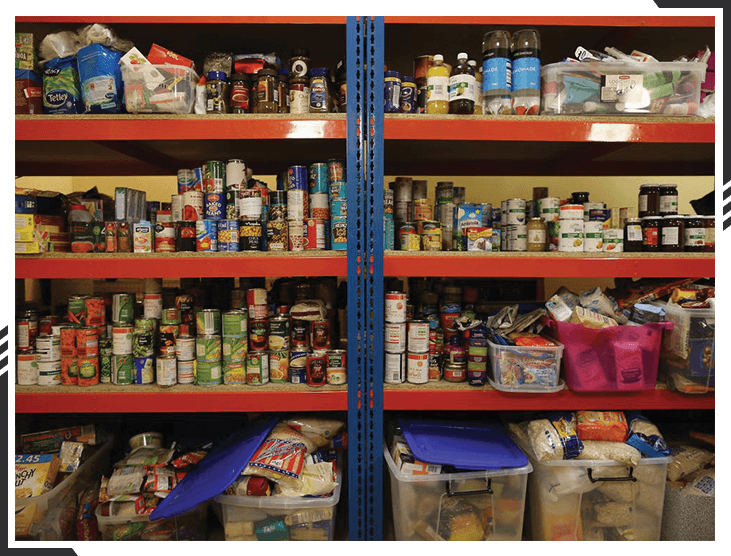
Planning for several needs helps you stay put when that's the instruction. The following five categories should be adapted to your household; having them doesn't make a threatened building safe and never replaces an instruction to leave.
Food and water.
Organize water and food for the first few days, then, if relevant and possible, gradually expand the supply. Two weeks isn't a universal minimum. Canadian authorities recommend at least 2 litres of drinking water per person per day; planning about 4 litres also covers cooking and basic hygiene. Plan meals that don't need cooking: a fuel-burning camp stove must never be used in a home or enclosed space, especially not when doors and windows are shut.
Personal Protective Equipment (PPE)
Choose protection based on an identified hazard and the instructions of a competent authority. A particulate mask doesn't protect against all gases, and a coverall isn't universal protection. Fit, usage limits and the person's abilities matter. Temporary sealing can be part of a specific instruction; don't turn your home into a closed space for a long period, and never block the exhaust of a fuel-burning appliance that's running.
Medications and Medical Supplies
Plan the continuity of your prescriptions with your pharmacist or doctor, how to store medications, care supplies and useful contacts. Don't change medication quantities without discussing it with them. Some medical devices need electricity or specific support. A first aid kit and suitable training complement this plan without replacing professional care; for health advice in Quebec, call Info-Santé 811.
Documents and Financial Resources
Keep paper copies of ID, permits, insurance policies and essential financial information (see Gathering emergency documents and contacts). Keep some cash in small bills: electronic payments may be unavailable during a long outage.
Communication and Emergency Equipment
Plan suitable means: a battery or crank radio, flashlights, a charged phone and a written contact list. A whistle helps you signal, but it isn't a way to talk. Water treatment tablets work on certain microbes, with a specific contact time, and don't treat all contamination. Two-way radios can be used between family members if their use and frequencies are permitted in Canada.
Supplies aren't everything
Your supplies make waiting easier, but staying put also depends on air, temperature, the safety of the building and health needs. A well-stocked home may still have to be left; conversely, a lack of supplies may call for help rather than a dangerous departure. Report your needs before they become critical and follow updated instructions.
A grid to help you decide
Several factors shape the decision, but an immediate danger or an evacuation order is enough on its own to act. The following grid helps you prepare your thinking in advance; it isn't a vote where the number of criteria automatically decides. When there's a specific instruction, a fire or an urgent need, don't delay protecting yourself to finish the analysis.
What points toward evacuating
- A direct threat to the building (fire, flood, collapse).
- A risk that grows if you stay.
- A clear route to a known destination.
- Not enough resources on site to hold out.
- An official evacuation alert for your area.
What points toward sheltering
- A shelter-in-place instruction tied to an identified outdoor hazard (without equating every infection with sealing up).
- Travelling would be riskier than staying.
- Roads or transportation are out of service.
- You can stay in a protective place while following updates, even without knowing how long.
- Enough supplies for the expected period.
Watch out: making the decision
A plan discussed as a family helps you quickly find contacts and know what to do, without guaranteeing you won't hesitate. Prepared criteria never replace a new instruction. Also plan how to ask for help if leaving, getting to a shelter or receiving treatment isn't possible as planned.
Scenario 1: tornado
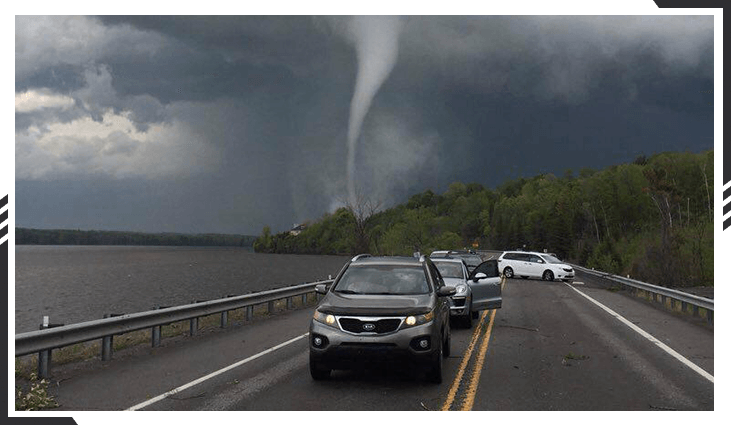
Tornadoes strike Quebec every year and call for fast protection from debris and collapse. Their path can change: believing you're outside the forecast area doesn't justify staying exposed.
As soon as a warning is issued, take shelter immediately in a sturdy building and follow local instructions. Prepare the location and your travel needs before the danger arrives.
Getting to a nearby shelter, if where you are doesn't protect you
- A mobile home or lightweight structure isn't a safe shelter: identify an accessible sturdy building in advance and go there quickly as soon as a warning is issued.
- Flooding at the same time can make a basement dangerous: follow the appropriate instructions, without crossing water to reach another place.
- Tell an immediate shelter instruction apart from an evacuation along a designated route.
Sheltering where you are
- You're in a sturdy building with an accessible basement.
- The weather already makes travel dangerous (hail, violent winds).
- Don't rely on the expected path: get to your protective spot as soon as a warning is issued.
Where to go
In a sturdy building, choose a low, central spot away from windows, and protect your head and neck from debris. A basement works if it isn't threatened by flooding or another hazard. Otherwise, find a small interior room, such as a bathroom or closet. Don't take the elevator, and don't go outside looking for a farther shelter at the last minute. To prepare this spot, read Severe thunderstorms and tornadoes: preparing a household shelter.
Scenario 2: wildfires
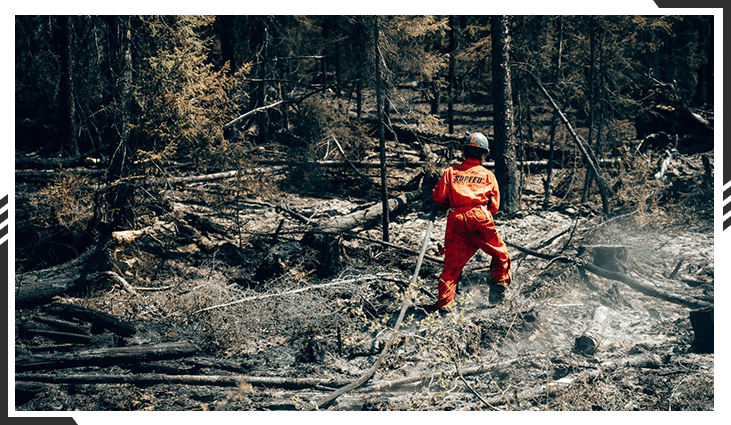
The 2023 wildfires led to evacuations and restrictions in several regions of Quebec. How a fire develops depends on wind, vegetation, terrain and firefighting; a count of active fires only means something with a date and an area. Prepare your contacts, transportation, medications and pets before an alert: you won't have to wait until you see flames. No spread time can be calculated in advance for a specific home.
Follow an evacuation order quickly, using the routes and destinations indicated. Leaving early as a precaution can be considered based on your needs and the information available, but leaving before any instruction isn't always the best decision: a road may be closed or dangerous. Don't wait to see the fire before taking an instruction seriously, and report your support or transportation needs early.
Watch out: timing
Preparing what you can before an alert makes it easier to leave when asked. Timelines vary, and a road that was passable earlier may no longer be when it's time to go.
A well-fitted particulate respirator (such as an N95) can reduce some exposure to fine smoke particles, depending on the model and the person. Filter classes (N95, FFP2, P100) aren't equivalent. These filters don't protect against gases, carbon monoxide or lack of oxygen. No mask makes a smoke-filled road safe: follow the indicated evacuation and avoid the area rather than gearing up to drive through it. To learn more, see Wildfires: preparing to leave and reducing smoke exposure.
Scenario 3: civil unrest
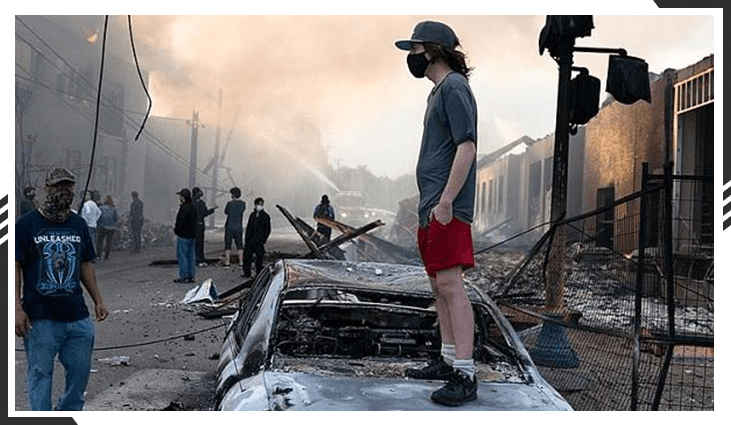
Localized violence carries risks that vary widely by place and time. It isn't necessarily less predictable or more widespread than a natural disaster. Following local information, perimeters and restrictions helps you tell an affected street apart from a general situation, without targeting the residents of a neighbourhood or a community.
Depending on the situation, it may be possible to reach an unaffected place, or better to wait indoors. Proximity alone doesn't decide: consider the danger to your building, the routes, your needs and instructions. Never go to watch a confrontation, and don't cross an active area to reach a planned meeting point. If you're in danger, call 911; the police remain responsible for public safety.
Watch out: the destination
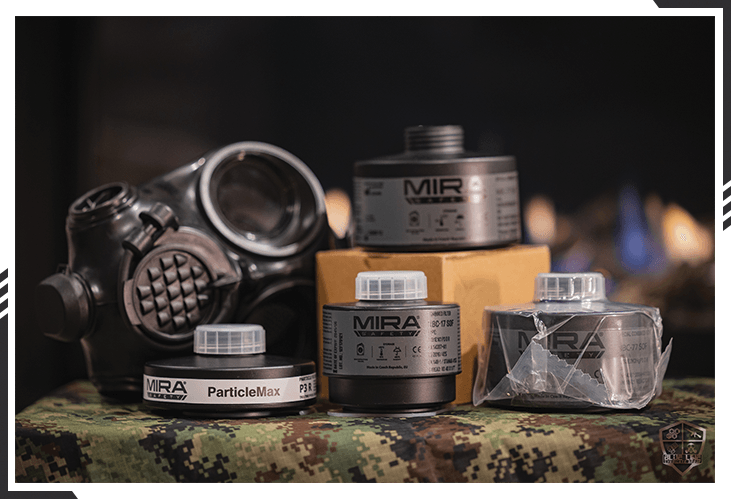
Staying temporarily with family or friends can help if it's agreed, accessible and permitted. A few kilometres don't guarantee you're out of danger. A P100 respirator doesn't make it safe to cross an area where chemical irritants have been used: these products also affect the eyes and skin. Avoid the area and, if exposed, follow the instructions for getting help.
Scenario 4: pandemic

A pandemic raises questions of prevention, care and continuity of needs; it doesn't automatically call for moving to the countryside. The response depends on the infectious agent, public health recommendations, treatments and access to services. Travelling can spread an infection or take you away from care. Home often remains suitable, with support, including when someone has a medical risk. To get organized, see Week 28: preparing for disruptions caused by infectious disease.
Staying home
- Organize supplies, treatments, contacts and help, without waiting until you can stock everything for the length of the crisis.
- Plan suitable follow-up and care for people at risk, who can perfectly well stay home.
- Apply the recommendations specific to the agent: prolonged contact isn't the only way it spreads.
Going elsewhere: an option to assess, not a reflex
- Check that travel is permitted, and check accommodation, health conditions, transportation and access to care before changing location.
- Low population density doesn't make a rural area safe in itself; consider contacts and actual transmission conditions.
- Adapt ventilation, contacts and support to your home.
A crisis that lasts
A health crisis can last far longer than a household supply. Planning to replenish supplies, deliveries, help and medical follow-up is better than aiming for two months of self-sufficiency. Discuss medication availability with your pharmacist. Travel and prevention rules can change: keep dated information and reassess your plan.
Scenario 5: airborne infection risk and ventilation
How an infectious agent spreads and survives depends on its characteristics and the environment. Sorting agents into "persistent" or "conventional" isn't enough to decide where to live or how long to stay indoors. Public health recommendations may combine limiting contacts, ventilation, air filtration and suitable protection, rather than an airtight lockdown.
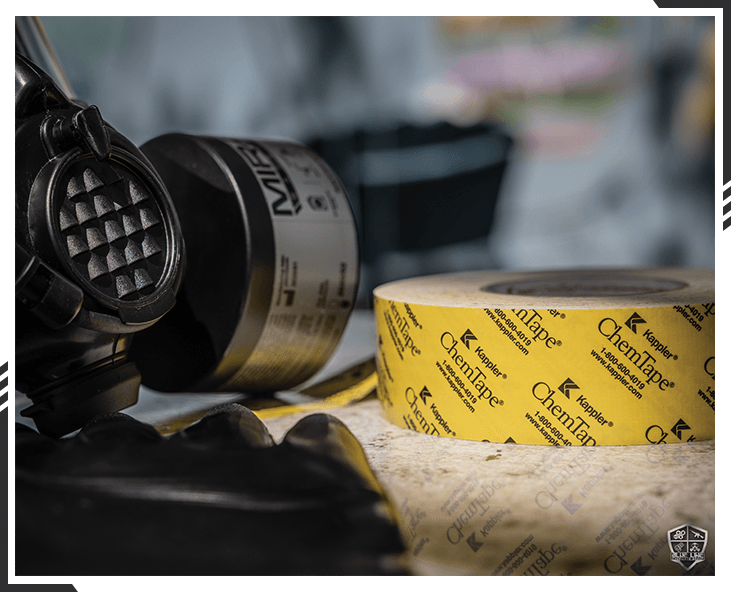
Sealing your home for a long time and turning off ventilation isn't an answer to respiratory infections. Bringing in fresh air and limiting the buildup of infectious particles actually helps reduce the risk, as long as outdoor air isn't dangerous for another reason (wildfire smoke, for example). Temporary sheltering from a chemical plume is a completely different situation. A coverall and a P3 filter don't provide "maximum biological protection" that would make going out safe: choosing, fitting and using them requires a proper framework.
No universal duration
No fixed duration, such as four to six weeks, lets you wait out an infectious wave. Waves, treatments and recommendations change. Organizing a lasting supply and mutual-aid networks, with access to care, is more realistic than counting on a stockpile to avoid all exposure until the end. Never interrupt necessary medical follow-up to respect an isolation period you've set for yourself.
Scenario 6: nuclear or radiological accident
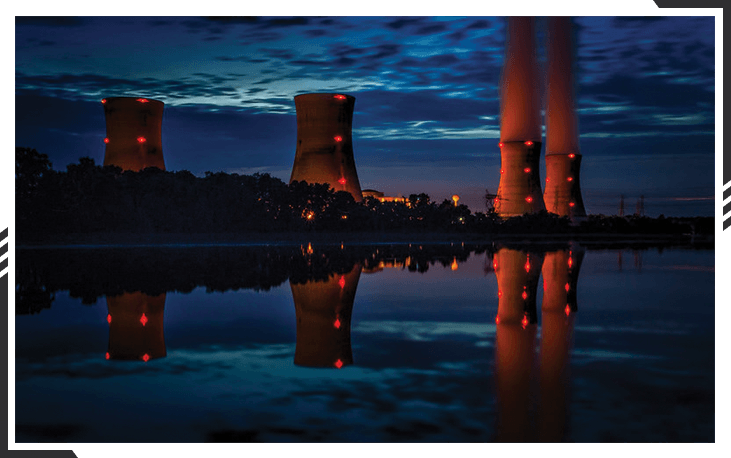
Chernobyl in 1986 and Fukushima in 2011 were two distinct accidents, each with its own releases and response. A radiological emergency can also come from sources other than reactors, such as the transport of radioactive materials or industrial equipment. In Quebec, the Gentilly-2 plant stopped producing electricity in 2012; that doesn't mean there's no radioactive material left on the site. In a real situation, identify the source and follow official instructions rather than copying the perimeter from another accident.
Emergency plans set planning zones with a specific radius around certain facilities, such as about ten kilometres, but that radius doesn't decide what to do in every radiological emergency. Official measures are based on the source, the releases, the weather and other data. Read the categories below as questions to check, not as a universal safety zone.
In an area covered by a protective measure
- Evacuate if the authorities ask, by the routes and at the times indicated; report your support needs.
- Shelter if that's the instruction; don't cross the radioactive plume to reach a home farther away.
- Take potassium iodide (KI) only if public health authorities ask you to.
In an area not directly affected
- Don't infer either safety or a need to leave from a ten-kilometre distance alone; follow official updates.
- Avoid clogging the roads emergency services need.
- Follow official bulletins to know which way the plume is spreading.

Potassium iodide: what it does and doesn't do
Potassium iodide protects the thyroid against radioactive iodine, under certain conditions; it doesn't protect against other radioactive substances or radiation. Take it only if public health authorities ask you to, at the time indicated and according to their instructions. Its shelf life depends on the product and how it's stored: read the label and the recommendations rather than assuming ten years for every tablet. KI doesn't replace other protective measures or an evacuation instruction. To understand these risks, see Week 49: distinguishing radiological hazards.
Scenario 7: chemical or industrial spill
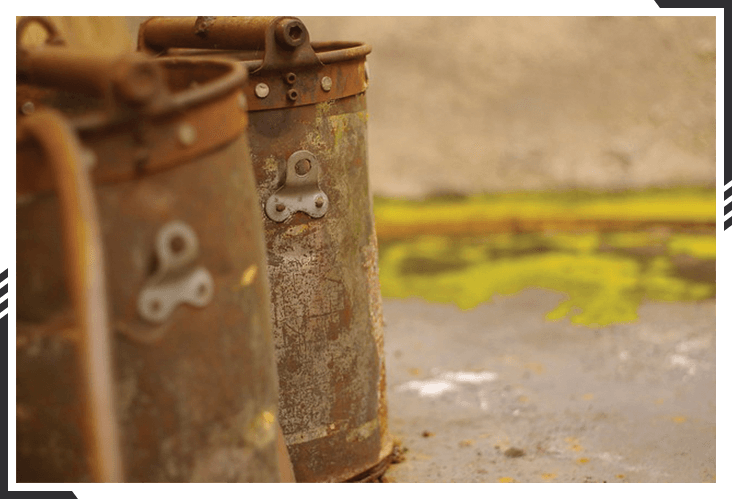
The Lac-Mégantic tragedy in July 2013 showed how brutally an industrial accident can strike: the derailment of a crude oil train caused explosions and major fires in the heart of the town, killing 47 people and making part of the town uninhabitable. Smaller incidents (plant spills, accidents involving the transport of dangerous goods) happen regularly in Canada, with generally more localized consequences. To prepare, read Industrial hazards: preparing for alerts, sheltering and evacuation.
What to do depends on the product, the release, local conditions and the perimeters set, not on proximity alone. A gas can be invisible and odourless: not seeing the danger doesn't prove you're safe. Depending on the instructions issued:
- Inside the evacuation perimeter: leave immediately by the routes indicated.
- If you're asked to shelter: close doors and windows, seal temporarily as instructed, turn off ventilation and forced-air heating if asked, and stay tuned. Don't extend this sheltering on your own.
- At a distance: check whether your area is affected and follow instructions; a source that seems far away doesn't make every activity safe.
Watch out: duration
Response operations and restrictions vary with the product, the terrain, the damage and testing. No generic duration is a guarantee. It's up to the authorities to lift a shelter instruction: don't go out because some time has passed or because the smell is gone.
Scenario 8: cyberattack on critical infrastructure

A cyberattack on a water, energy or transportation system can cause outages and, in some cases, contribute to an immediate physical danger. It would therefore be wrong to rule it out. How to protect yourself depends on the consequences observed (unsafe water, power outage, affected safety system) and the instructions of the service concerned, rather than on the mere suspicion of a computer-related cause.
Staying home may be possible if it's safe and your needs are met, but a failure of heating, a medical device or supplies may call for help or another place to stay. Consider the state of roads and services before travelling. Use your supplies and information sources without assuming things will stay manageable for the whole incident. A generator is only ever used outdoors, in a suitable location.
Staying informed without the Internet
An AM/FM radio picks up local stations without an Internet connection, as long as the transmitter is working. Canada's Weatheradio service ended on March 16, 2026: a weather radio bought before that date no longer guarantees Canadian bulletins. Identify the local stations that are actually available, keep batteries on hand and plan several sources of information. Shortwave doesn't provide instructions for your area. Alert Ready alerts on your cellphone remain an important source as long as the network is up.
Scenario 9: nuclear detonation
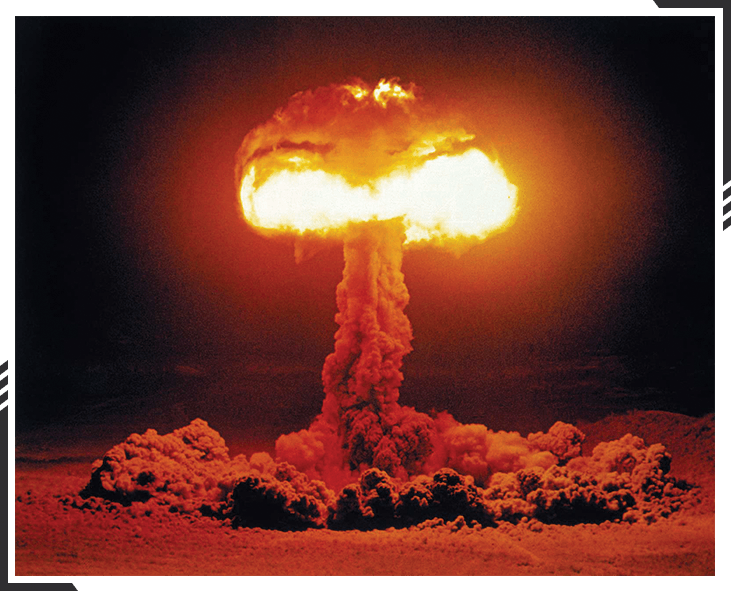
A nuclear explosion involves several distinct hazards: the blast wave and thermal flash (immediate effects, over a radius that depends on the yield), radioactive fallout (which spreads over hours or days depending on the wind), and longer-term effects on infrastructure and supply chains. The right strategy depends on the phase and the distance.
Immediate danger: protect yourself without waiting
Don't look at the flash, protect yourself from the direct effects, then get to a sturdy building nearby as soon as possible. A basement or the centre of a building, away from outside walls, reduces exposure to fallout. Don't count on a fifteen-minute window to cross the city or get home. Follow official messages and report urgent needs.
After sheltering: follow instructions and decontaminate
Stay sheltered and look for official instructions. They may call for waiting at least 24 hours, steps to remove dust deposited on clothing and the body (removing your outer layer of clothing, washing), and then guidance. Neither 24 nor 72 hours is automatic permission to go out. Wall thickness and the position of the shelter matter against radiation; sealing alone doesn't block it.
Nothing is decided in advance
Effects vary with distance, obstacles, yield and exposure. Claiming nothing helps in a "direct zone" is too absolute and can discourage protection or care. Once you're relatively safe, look for instructions, reduce contamination as directed and report injuries. Supplies make waiting easier, without replacing a protective building or help from emergency services.
Summary by scenario
| Scenario | Most likely response | Don't |
|---|---|---|
| Wildfire threatening the area | Leave according to the evacuation order and routes | Wait until you see flames |
| Flood | Leave if asked or if safety requires it | Cross moving water |
| Nuclear emergency | Leave or shelter according to the measures decided | Rely on a fixed distance |
| Chemical or radiological plume | Shelter and seal temporarily as instructed | Apply this sealing to infections |
| Infection risk | Follow health measures, with good ventilation | Seal your home airtight |
| Cyberattack | Act on the actual consequences and instructions | Assume you can manage without help |
| Radioactive fallout | Get to a protective place, follow instructions on waiting and decontamination | Go out after a delay you set yourself |
| Tornado | Shelter immediately in a protective spot | Hit the road or watch |
| Civil unrest | Depending on intensity and location: move away or stay indoors | Go and look, or cross the area |
| Pandemic | Organize needs, prevention and care at home | Automatically leave for the countryside |
Preparing to leave and preparing to wait go hand in hand, but both options won't always be possible. Your bag, your supply at home and the help you've planned should match your abilities and local recommendations. Two weeks of supplies can be a good goal for some households, without becoming an obligation for everyone. Instructions and immediate danger always come before what you've planned or bought.
Frequently asked questions
What does "shelter in place" mean?
It means reaching or staying in a place that protects you from the hazard, not necessarily sealing your home. The measure can be temporary and its conditions vary. For a chemical plume, you may be asked to cut off outside air; for a respiratory infection, ventilation is actually part of prevention. Follow the specific message rather than a single protocol for every threat.
What is an evacuation bag?
It's a ready-to-go bag with the essentials: medications, documents, contacts and supplies suited to each person. It makes leaving easier, without removing every decision or guaranteeing 72 hours of self-sufficiency. Heavy supplies at home and transportation are prepared separately, as are accommodation, the help you need and instructions.
What's the best evacuation bag?
The one suited to your household: family makeup, regular medications, local climate, ability to carry it. Our articles Choosing your evacuation bag and Preparing a household evacuation bag around children's needs describe several setups.
What should go in an evacuation bag?
Portable water, suitable food, prescribed medications, documents, some cash as your means allow, a flashlight and communication tools. Two litres of water in a bag won't cover one person's needs for three days: also plan a way to resupply and a place to stay. Consider each person's weight limits and abilities (see Calculating the weight of your evacuation bag), and check how useful each item really is.
Further reading
- A lighter family evacuation bag: adults, children and pets
- Household evacuation: preparing the departure and destination
- After an evacuation: eight priorities
- Gathering emergency documents and contacts
Reference instructions by hazard
- Government of Quebec: tornado (in French)
- Government of Quebec: accident involving dangerous goods (in French)
- Public Health Agency of Canada: preventing respiratory infections, including ventilation (in French)
- Government of Canada: nuclear or radiological emergency (in French)
- Canadian Nuclear Safety Commission: potassium iodide pills (in French)
- Health Canada: wildfire smoke and the limits of masks (in French)
Equipment to compare based on your needs
Some links below are affiliate links: we may receive a commission at no additional cost to you. Products are examples by function, to choose according to your needs; buying the entire selection is unnecessary.