
Malicious acts and conflict · Risk index 2/9 (Quebec) · 2/9 (France)
Radiological dispersal device (“dirty bomb”)
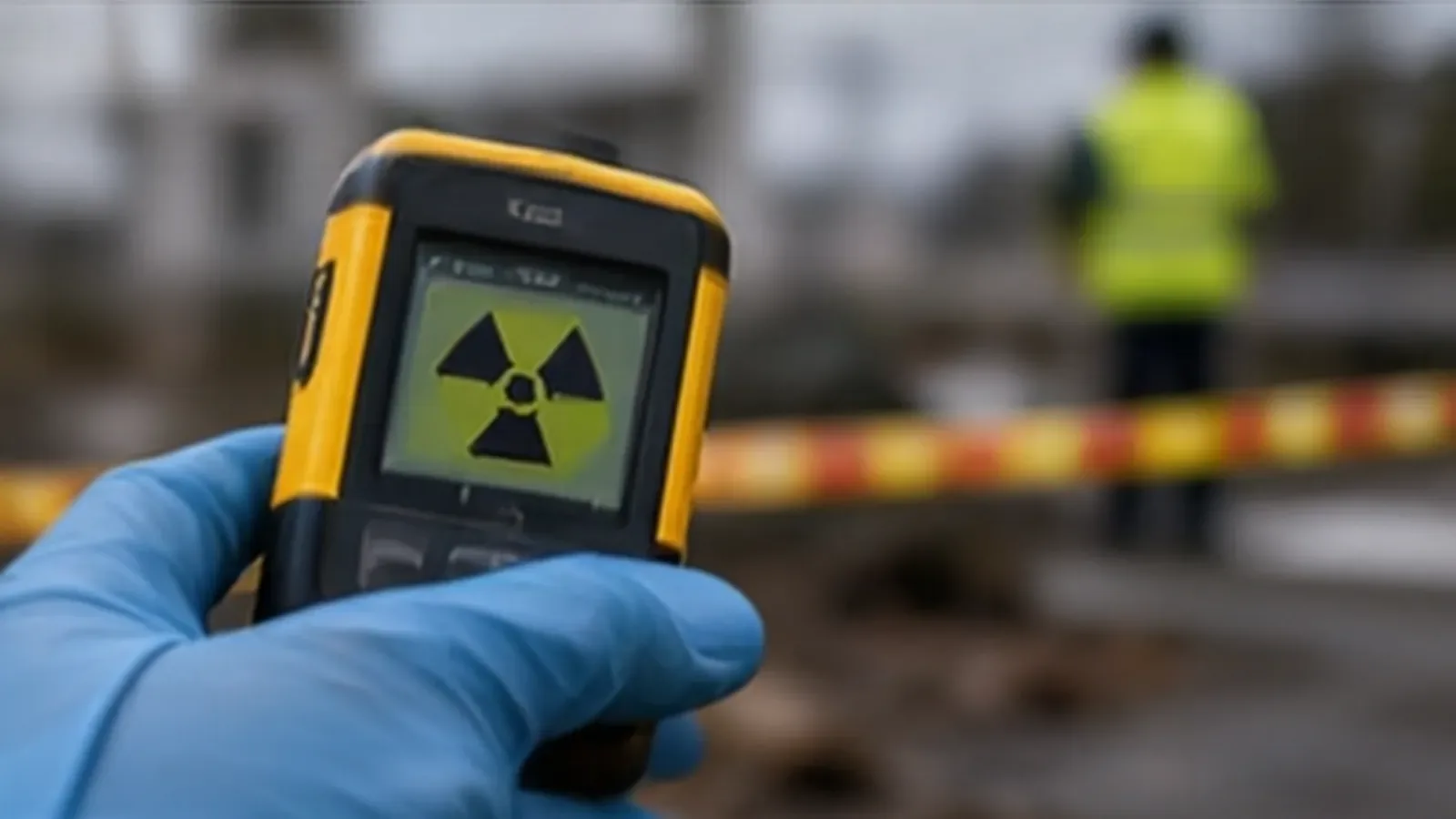
A “dirty bomb” is not a nuclear bomb: it’s a conventional explosive that spreads radioactive material. Its main aim is to cause panic. Protective steps are simple and effective.
Quebec / Canada
France
If you only do three things
- 1Move away from the blast area covering your nose and mouth
- 2Go into a building, close up and shut off ventilation
- 3Remove outer clothing and wash
Lasting collapse?
Key figures
One lost source, one city affected.
Understanding the risk
Conventional blast, radioactive material.
A radiological dispersal device combines an ordinary explosive with a radioactive source, like those used in medicine or industry. The blast spreads particles over a limited area. A source can also be hidden without an explosion, known as an exposure device.
Unlike a nuclear weapon, there’s no nuclear reaction, no giant fireball and no fallout over hundreds of kilometres. The main effects are blast injuries, local contamination, costly clean-up and a great deal of concern.
Severity
The Goiânia accident, which was not an attack, shows what a single poorly controlled source can do: deaths, hundreds of people contaminated and tens of thousands screened.
For most people near a dirty bomb, the dose depends on time spent near the area, distance and shelter. Moving away, sheltering and washing greatly reduce risk.
In detail
Dirty bomb or nuclear bomb: don’t confuse them.
| Dirty bomb | Nuclear bomb | |
|---|---|---|
| Nature | Conventional explosive plus radioactive material | Nuclear reaction |
| Area affected | A few streets to a few neighbourhoods | Kilometres of destruction, widespread fallout |
| Main danger | Blast, local contamination | Blast, heat, radiation, fallout |
| Response | Move away, shelter, wash | Immediate, prolonged shelter |
Assess your exposure
Are you more exposed than average?
Tick what applies to your situation.
Get prepared
Your preparedness checklist
Tick items as you go: your progress is saved on this device.
Suggested kits and plans
Before, during, after
The right actions, before, during and after.
Before
- Ventilation known
- Sealing kit
- Clothing bags
- Battery radio
- Alerts on
During
- Move away covering nose and mouth
- Go into an intact building
- Close, seal, shut off ventilation
- Don’t touch debris
- Listen to official instructions
After
- Remove and bag outer clothing
- Wash with soap and water
- Follow screening and decontamination instructions
- Don’t return to the area
- See a doctor if injured
In Quebec, Canada and France
What changes depending on where you live.
Quebec / Canada
In Canada, instructions for a radiological emergency are the same as for a nuclear one: go in, listen, follow. Authorities may ask you to remove clothing and wash.
- Emergency
- 911
- Instructions
- Get Prepared (Canada.ca)
- Health
- Info-Santé 811
- Alerts
- Alert Ready
France
In France, a radiological attack falls under the government’s NRBC plan. The ASNR controls radioactive sources and supports authorities in emergencies.
- Emergency
- 112 or 18
- Alerts
- FR-Alert
- Expertise
- ASNR
- Information
- Prefecture
Domino effect
This risk often triggers others
Frequently asked questions
Frequently asked questions
Can a dirty bomb kill many people through radiation?
The most serious effects usually come from the blast. Contamination is mostly local, and protective steps greatly reduce doses.
Should I take iodine?
Only if authorities say so: iodine only protects against radioactive iodine, which may not be present.
How do I know if I’m contaminated?
Authorities organize screening. Meanwhile, removing clothing and washing removes most contamination.
What if I find an object with the radiation symbol?
Don’t touch it, move away, keep others back and call 911 or 112.
Sources
Sources
Data checked on November 18, 2026. Figures come from the organizations cited; consult them for updates.
- RT Medical, How the Goiânia accident happened
- Government of Canada, Nuclear and radiological emergencies: get prepared (French)
- ASNR, Emergency situations (French)
This page provides general preparedness information. It does not replace instructions from the authorities: in an emergency, call 911 in Canada or 112 in France.
Start with the basics.
Our free “Be Prepared” guide: 72-hour kit, family plan and your own risk assessment.
Radiological dispersal device (“dirty bomb”)
Index Quebec/Canada 2/9 · France 2/9
If you only do three things
- Move away from the blast area covering your nose and mouth
- Go into a building, close up and shut off ventilation
- Remove outer clothing and wash
During
- Move away covering nose and mouth
- Go into an intact building
- Close, seal, shut off ventilation
- Don’t touch debris
- Listen to official instructions
After
- Remove and bag outer clothing
- Wash with soap and water
- Follow screening and decontamination instructions
- Don’t return to the area
- See a doctor if injured
Emergency numbers: 911 (Canada) · 112 (France)
prepacivile.com/en/risks/radiological-device/