
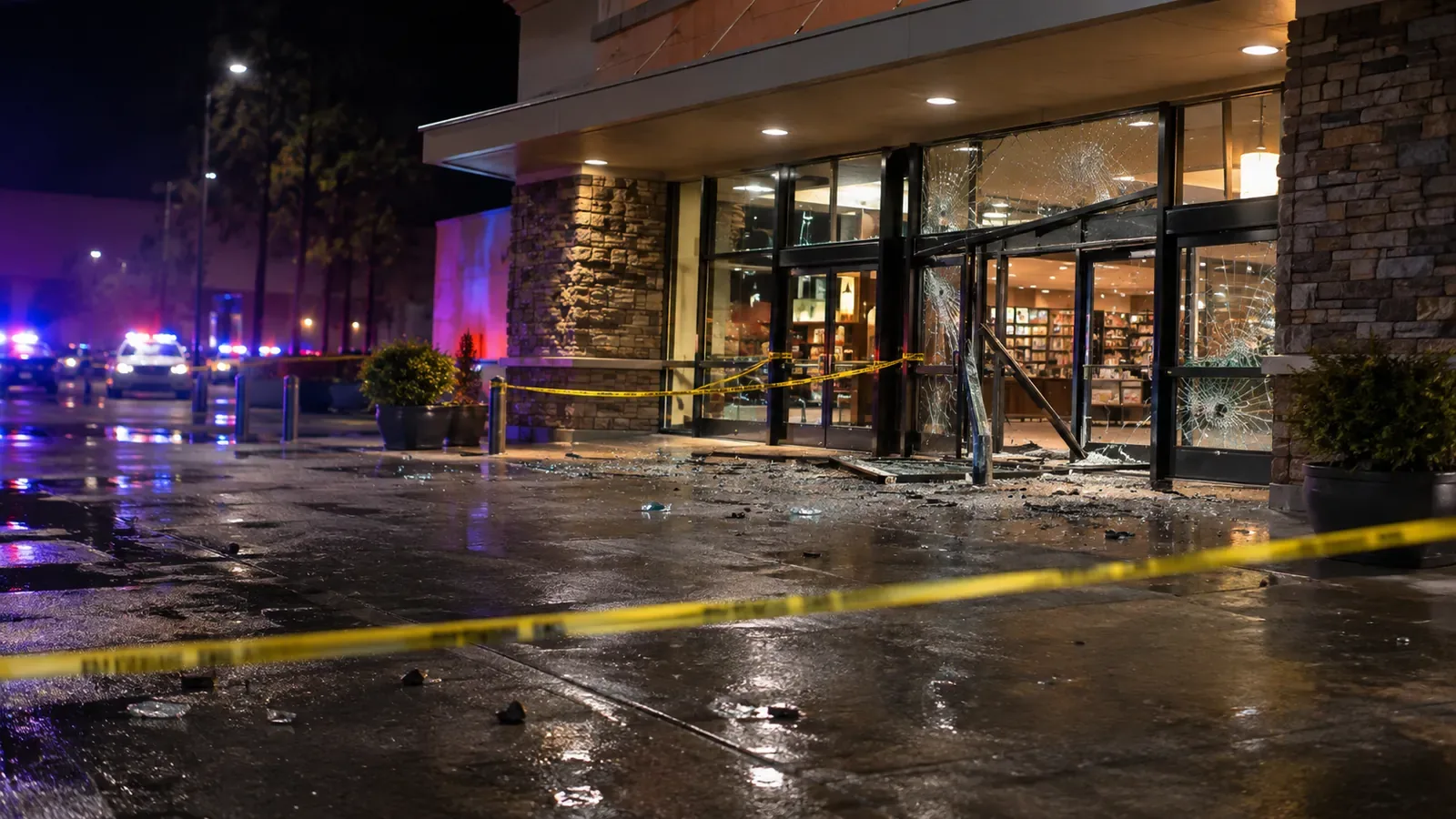
Malicious acts and conflict · Risk index 4/9 (Quebec) · 5/9 (France)
Active shooter and terrorist attack
An armed attack is rare, but it unfolds within minutes, well before police arrive. Knowing three simple reflexes, escape, hide, alert, improves your chances and those of the people around you.
Quebec / Canada
France
If you only do three things
- 1Spot the exits as soon as you enter a place
- 2Escape if you can, otherwise hide and barricade
- 3Alert emergency services once safe, phone on silent
Lasting collapse?
Key figures
Events that left a mark.
Understanding the risk
Minutes that matter.
An active shooter is someone trying to kill or injure as many people as possible in a busy place. Terrorist attacks can also involve knives, vehicle ramming or explosives. In every case, the first minutes, before police arrive, are decisive.
In Canada and France, authorities teach the same logic: first get away from the danger, then hide if you can’t escape, and alert as soon as you’re safe. In France, the Vigipirate plan sets a permanent vigilance level and measures in public places.
Severity
These attacks are statistically rare, but extremely and densely severe. The number of victims often depends on how quickly people react and how fast police intervene.
Gunshot and stab wounds cause severe bleeding. Knowing how to apply direct pressure or a tourniquet can save a life while waiting for help.
In detail
The reflexes in order.
| Reflex | How | Watch out |
|---|---|---|
| 1. Escape | Safest exit, no bags, helping others | Don’t run toward the noise; hands visible |
| 2. Hide | Closed room, door barricaded, lights off | Phone silent, vibration off |
| 3. Alert | 911 in Canada, 17 or 112 in France, once safe | Location, number of attackers, weapons, description |
| 4. Resist (last resort) | Only if your life is in immediate danger | With others, using improvised objects |
| When help arrives | Hands raised and open, slow movements | Don’t run toward officers |
Assess your exposure
Are you more exposed than average?
Tick what applies to your situation.
Get prepared
Your preparedness checklist
Tick items as you go: your progress is saved on this device.
Suggested kits and plans
Before, during, after
The right actions, before, during and after.
Before
- Exits spotted
- Emergency plan known
- First aid learned
- Children prepared
- Meeting point
During
- Escape if you can
- Otherwise hide and barricade
- Phone silent, vibration off
- Alert 911, 17 or 112 once safe
- Resist only as a last resort
After
- Obey police, hands visible
- Don’t share images or rumours
- Stay available as a witness
- Seek psychological support
- Check on loved ones by text
In Quebec, Canada and France
What changes depending on where you live.
Quebec / Canada
In Canada, police services and institutions generally teach run, hide, fight. Police alerts can be broadcast to phones through the Alert Ready system.
- Emergency
- 911
- Support
- Info-Social 811, option 2
- Victims
- CAVAC (Quebec)
- Report
- Local police
France
In France, the official poster “Réagir en cas d’attaque terroriste” sets out escape, hide, alert. The Vigipirate plan sets vigilance levels, and 114 lets you alert by text without speaking.
- Emergency
- 17 or 112
- Silent alert
- 114 by text
- Victims
- France Victimes, 116 006
- Vigilance
- Vigipirate plan
Domino effect
This risk often triggers others
Frequently asked questions
Frequently asked questions
Should I call for help right away?
Only if you can do so without exposing yourself. The priority is getting safe; alert afterwards, quietly if hiding.
What should I do when police arrive?
Keep your hands raised and open, don’t run toward officers, avoid sudden movements and follow orders. Their priority is stopping the threat, not helping the injured.
How do I talk about it with children?
Simply, like a fire drill: we leave if we can, otherwise we hide quietly and listen to the adult. Adapt the words to their age.
Can I alert without speaking?
In France, 114 lets you alert by text. In Canada, some 911 services accept texts from registered deaf or hard-of-hearing people; otherwise, keep the line open silently.
Sources
Sources
Data checked on November 18, 2026. Figures come from the organizations cited; consult them for updates.
- French government, Reacting to a terrorist attack (French)
- The Canadian Encyclopedia, Polytechnique tragedy (French)
- Global News (The Canadian Press), Deadliest mass killings in Canada
- Anadolu Agency, Death toll rises to 130 in Paris attacks
This page provides general preparedness information. It does not replace instructions from the authorities: in an emergency, call 911 in Canada or 112 in France. This fiche gives general guidance. Always follow instructions from police and officials on site.
Start with the basics.
Our free “Be Prepared” guide: 72-hour kit, family plan and your own risk assessment.
Active shooter and terrorist attack
Index Quebec/Canada 4/9 · France 5/9
If you only do three things
- Spot the exits as soon as you enter a place
- Escape if you can, otherwise hide and barricade
- Alert emergency services once safe, phone on silent
During
- Escape if you can
- Otherwise hide and barricade
- Phone silent, vibration off
- Alert 911, 17 or 112 once safe
- Resist only as a last resort
After
- Obey police, hands visible
- Don’t share images or rumours
- Stay available as a witness
- Seek psychological support
- Check on loved ones by text
Emergency numbers: 911 (Canada) · 112 (France)
prepacivile.com/en/risks/active-shooter-terrorism/