
In this article
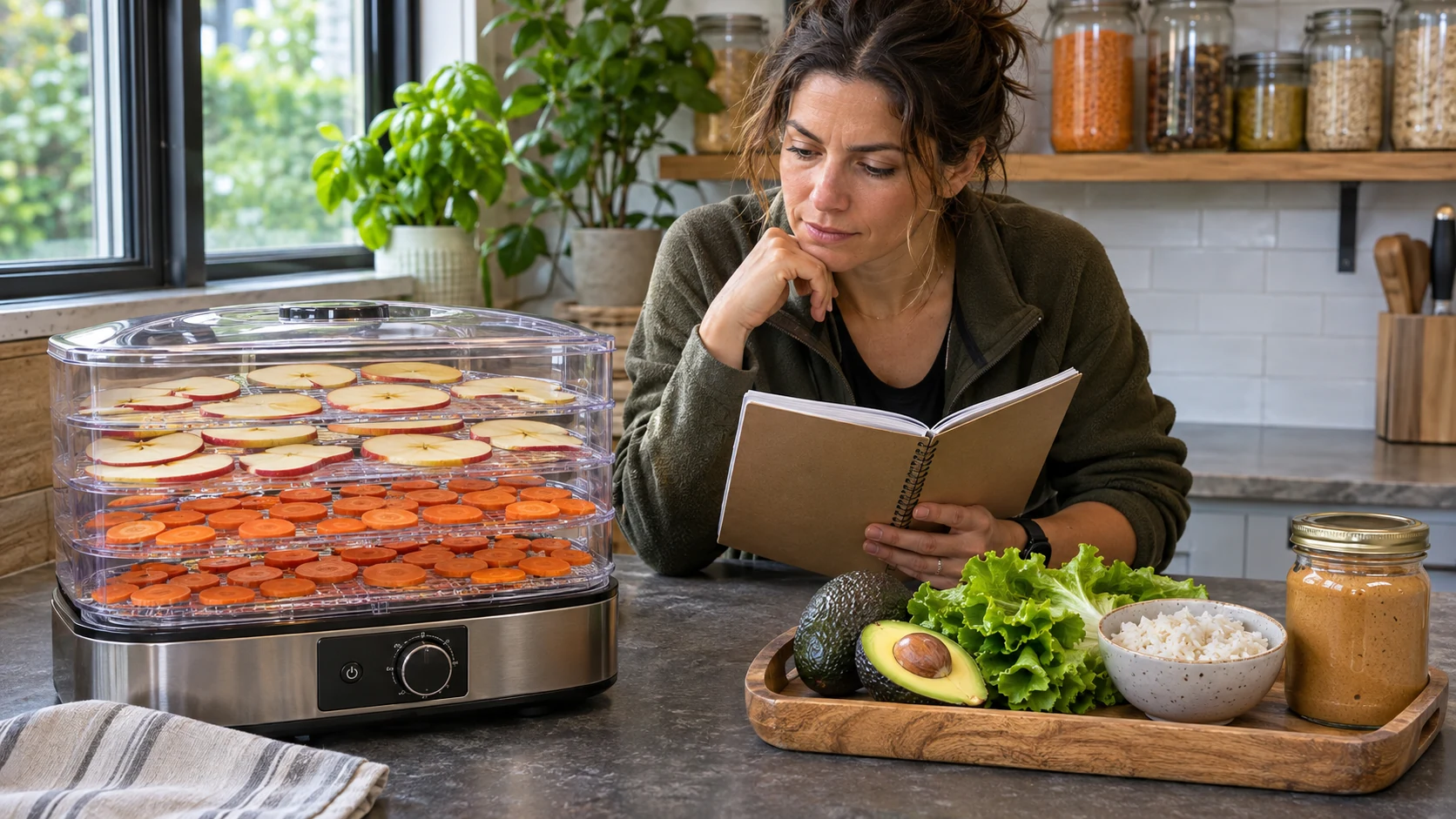
Dehydrating is one of my favourite ways to preserve food: it is inexpensive, healthy, and works with many more foods than you might think, from hummus to dried eggplant to whole meals. But some foods dehydrate poorly, or not at all. Here are thirteen difficult cases, why they are a problem, and the tips that sometimes get around it.
At a glance
- Fat does not dry: peanut butter, avocado, olives, butter, nuts and cheese go rancid instead of keeping.
- Thick skins (berries, grapes) or tough fibres (raw carrots) hinder drying or rehydration: crush, cut or precook.
- Meat, eggs and dairy are first a food safety issue: without a validated method, choose a commercial product.
For the basics, first read our complete dehydration guide.
The thirteen foods at a glance
| Food | The problem | The solution |
|---|---|---|
| Whole berries | Skin traps water | Crush them lightly |
| Peanut butter | About 50% fat | Maltodextrin, or buy powdered |
| Avocado | Too fatty | Freeze |
| Meat | Food safety | Validated method or commercial product |
| Raw carrots | Turn rock hard | Precook |
| Juice | 85 to 90% water | Canning or freezing |
| Eggs | Texture and food safety | Freeze-dried or frozen eggs |
| Olives | Too fatty | Canned or refrigerated |
| Cheese | Fat and food safety | Commercial dehydrated cheese |
| Cooked brown rice | Rehydrating takes as long as cooking | Make crackers |
| Nuts and seeds | Too fatty on their own | In sauces or crackers |
| Butter | At least 80% fat | Commercial butter powder or ghee |
| Grapes | Thick skin and bitter seeds | Seedless grapes, or halved and seeded |
1. Whole berries
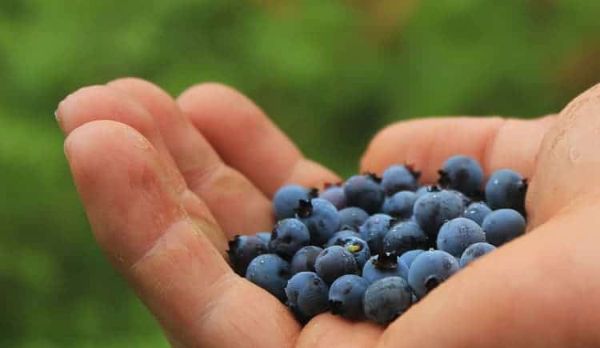
Blueberries, raspberries, blackberries and many other berries have a thick skin that is remarkably good at trapping water. Whole, the moisture cannot escape.
Tip: crush them lightly to break the skin. The moisture can then escape and they will dehydrate easily.
2. Peanut butter

Peanut butter is about 50% fat. Fat does not dry: if you try to dehydrate peanut butter, it oxidizes and goes rancid.
Tip: to make a powder, you need to add a starch such as maltodextrin, which binds the fat. Commercial powdered peanut butter is often simpler.
3. Avocado
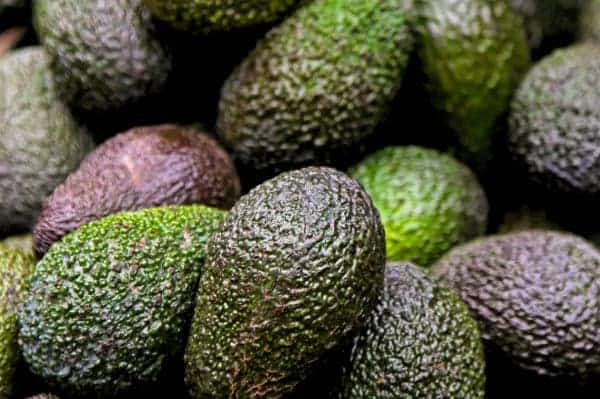
Like peanut butter, avocado is too fatty to dry. In theory, maltodextrin could turn it into a powder, but I do not know anyone who has succeeded. To keep avocados long term, freezing remains the best option.
4. Meat

Sorry to break it to you, but a home dehydrator used on its own cannot dry meat safely: food safety is the main issue. The safe method requires a measured heating step (71 °C or 160 °F internally for meat, 74 °C or 165 °F for poultry) before drying, followed by continuous drying in a reliable appliance. Measuring only the dehydrator's air temperature does not prove the meat has reached that temperature. Curing is not an automatically safe substitute either.
Follow a validated method, such as those of the National Center for Home Food Preservation (NCHFP), described in our dehydration guide. If you cannot follow one, choose a commercial product and follow its label.
5. Raw carrots

Yes, technically you can dehydrate raw carrots. But they turn as hard as pebbles: snacking on them is a recipe for indigestion. Even rehydrating them works poorly: after more than an hour of boiling, they stayed rubbery and hard to digest. The same goes for many other fibrous vegetables: celery, parsnip, broccoli, beet…
Tip: cook tough vegetables first to soften their fibres, then drain and let them cool before dehydrating. They will rehydrate quickly and be perfect in soups and stews.
6. Juice

Most fruit juices are 85 to 90% water. Dehydrating them would take an enormous amount of time, and after that messy process, only a tiny amount of powder would remain. It is not worth it.
Tip: to preserve juice, canning with a recognized method or freezing works much better.
7. Eggs
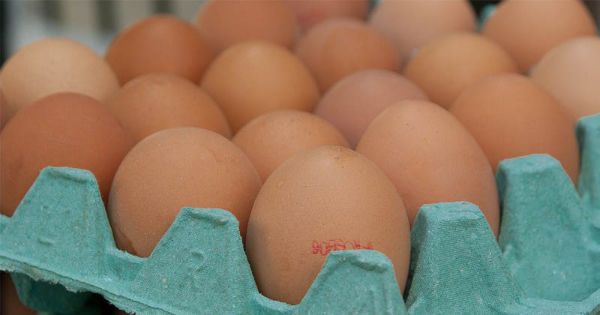
Some people say they successfully use dehydrated eggs in baking. In general, though, it is a bad idea: the proteins harden, and rehydrated eggs stay rubbery and grainy. Above all, a home dehydrator does not pasteurize eggs, which can carry Salmonella.
Tip: buy freeze-dried eggs instead: freeze-drying is a very different process that gives excellent results with eggs. You can also freeze your eggs.
8. Olives
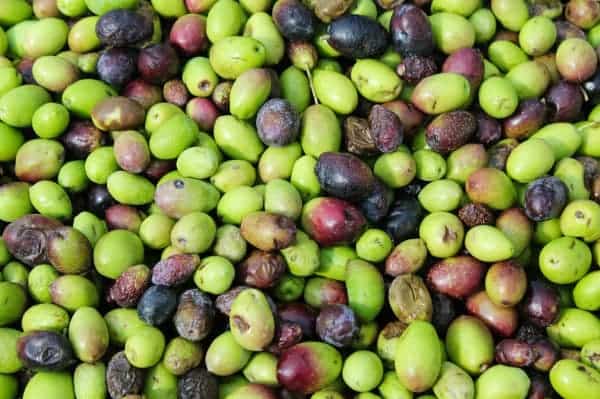
Olives are another example of a food too fatty to dehydrate. Adding them to a sauce does not make the mix shelf-stable: for your supplies, keep them canned or refrigerated.
9. Hard yellow cheeses
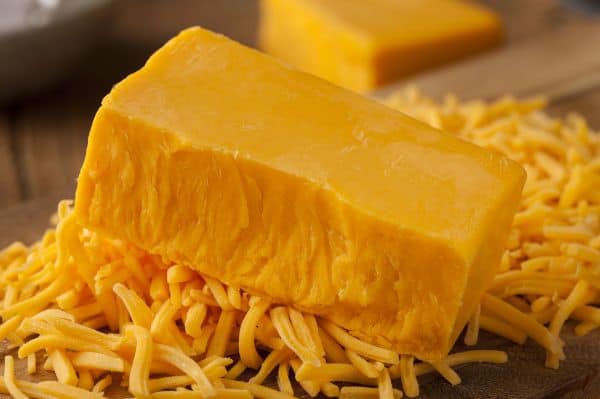
Cheese dried at home can be ground into a powder and look dry without being stable: its residual moisture, fat that goes rancid and the lack of a validated process prevent safe storage. Fresh cheeses, such as feta or cottage cheese, are not safe choices for home drying either. For your supplies, choose a commercial dehydrated or freeze-dried cheese and follow its instructions, including after opening.
10. Cooked brown rice
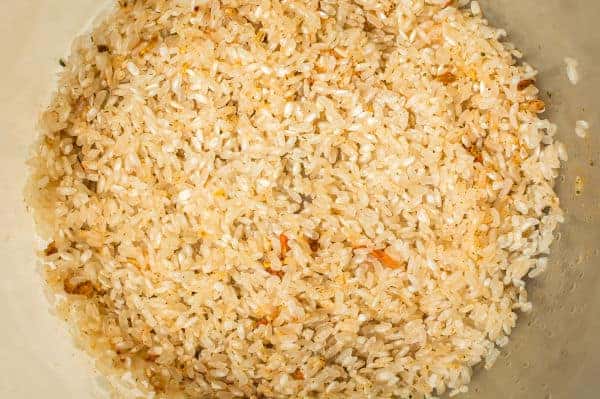
I often dehydrate cooked grains, such as pasta, buckwheat and quinoa, for hiking. The goal is to save fuel: quinoa takes more than 20 minutes to cook in the field, while dehydrated it rehydrates in a few minutes. Unfortunately, the trick does not work with brown rice: it takes about 30 minutes of boiling to rehydrate, almost as long as cooking it.
Tip: mix cooked brown rice, or another grain, with cooked vegetables and plenty of seasoning. Spread the paste on the dehydrator trays to make your own crackers.
11. Nuts and seeds

On their own, nuts and seeds are too fatty to dehydrate for long-term storage.
Tip: I use them very successfully in dehydrated crackers, sauces and spreads. For example, I blend sunflower seeds with tomato sauce and vegetables, then dehydrate the mix. It keeps about four weeks in my pantry and rehydrates in minutes, ideal for hiking or a quick meal. Store it somewhere cool to limit rancidity.
12. Butter
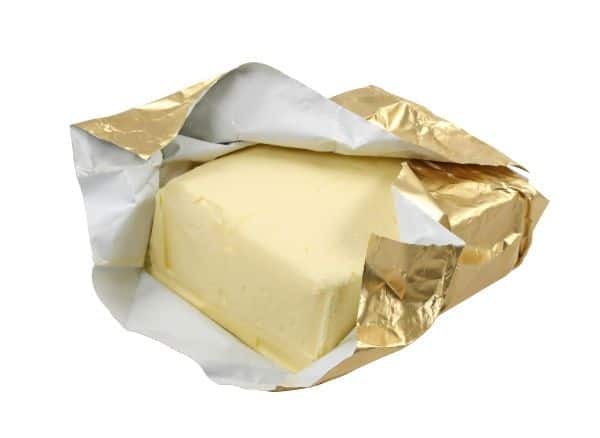
You cannot dehydrate butter. In Canada, butter must contain at least 80% milk fat, and fat does not dry: it goes rancid. What is more, butter is an emulsion of fat and water; once the water evaporates, the emulsion breaks and you are left with an oily puddle on the trays. For your supplies, commercial butter powder or ghee are better options.
13. Grapes
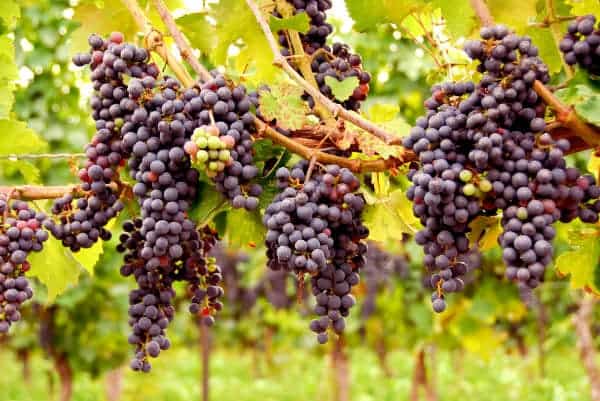
I once made the mistake of dehydrating whole grapes. The result: brittle skin around an unpleasantly bitter seed. Grape seeds are edible and even healthy, but they are not something you want to snack on.
Tip: dehydrate whole seedless grapes, or cut them in half and remove the seeds before drying. You can also make juice from them.
Frequently asked questions
Why does fat prevent dehydration?
Dehydration removes water, not fat. The fat stays in the food, oxidizes on contact with air and goes rancid, which spoils the taste and shortens shelf life. That is why meat is trimmed and very fatty foods are avoided.
Freeze-dried or dehydrated: what is the difference?
Freeze-drying removes water by freezing under vacuum, which better preserves texture and works for foods such as eggs or dairy. See our comparison of freeze-dried and dehydrated foods.
Read next
Equipment to compare for your needs
Some links below are affiliate links: we may receive a commission at no additional cost to you. Products are examples by function, to choose according to your needs; buying the entire selection is unnecessary.