
In this article
Ongoing tracking · Phase: recession and return home
Last updated: Monday, November 23, 2026. Instructions from your town hall and the prefecture always take precedence over this page.
Key facts
- Where: Pas-de-Calais (Hauts-de-France region, northern France), mainly the Canche river basin around Montreuil-sur-Mer.
- Since: Thursday, November 19, 2026, after several days of heavy rain. The department was under an orange rain-flood warning from November 17 to 20.
- Official toll (Sunday evening, November 22, per France’s Interior Minister): 196 municipalities affected, more than 860 homes flooded, more than 730 rescue operations and nearly 800 people evacuated.
- Today: the Canche is receding. Still under an orange flood warning during the day, it was downgraded to yellow in the evening, according to Vigicrues.
- Compensation: a fast-track procedure to recognize a natural disaster (“catastrophe naturelle”) was announced on November 23. The interministerial commission is due to meet on Thursday, November 26.
What to do now
If your area is still flooded or evacuated
- Do not go home until the town hall or prefecture gives the all-clear. A slow recession can still bring local rises.
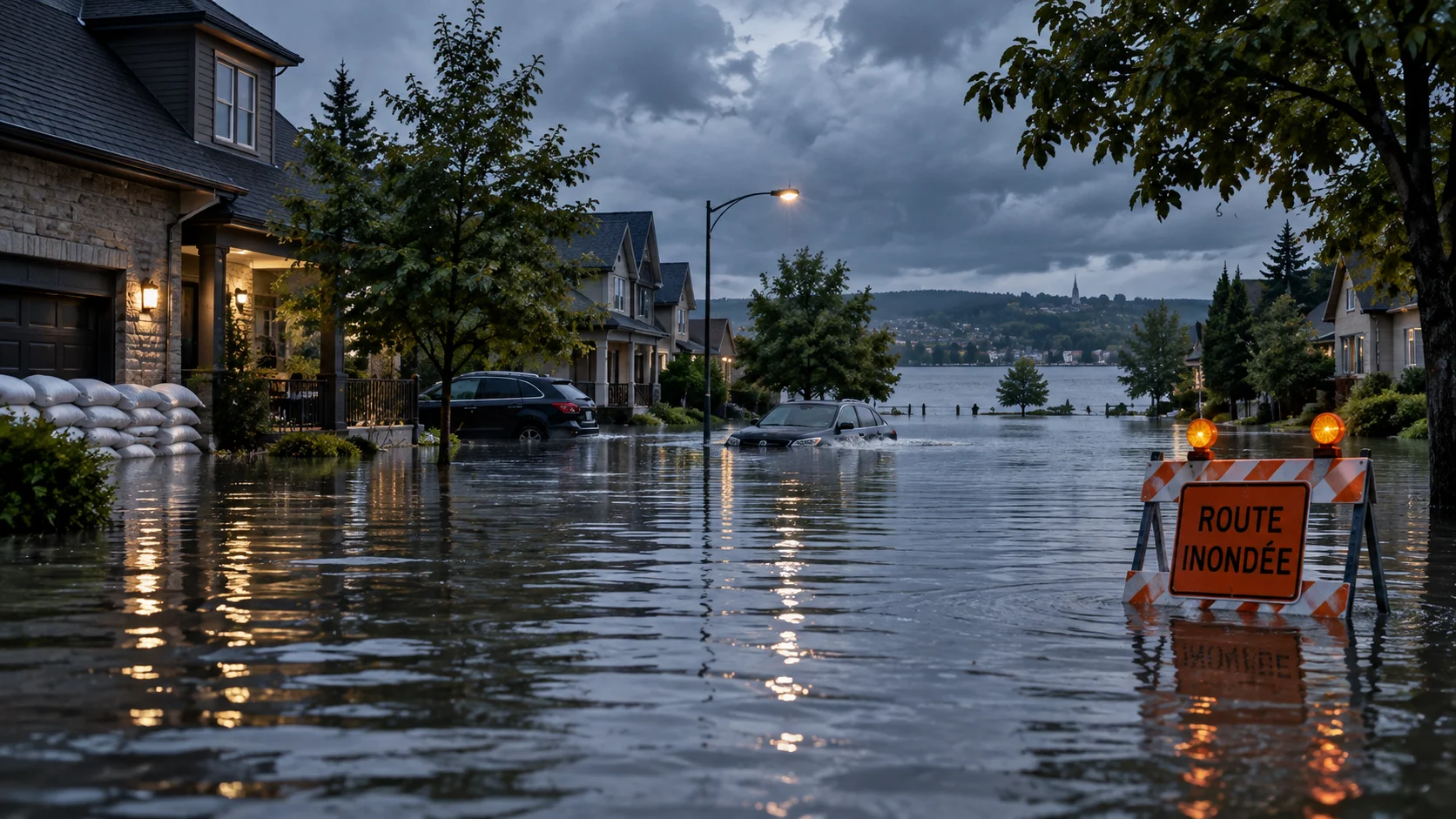
- Never cross a flooded road, on foot or by car. French authorities warn that 30 cm (12 in) of water is enough to sweep a car away.
- Follow river levels on Vigicrues and updates from the Pas-de-Calais prefecture.
When you return home
- Power and gas: if water reached outlets, the electrical panel or the boiler, do not switch anything back on until a professional has checked it.
- Evidence first: photograph and film every room, the water line on the walls and each damaged item before cleaning or throwing anything out. Keep receipts and make a list.
- Insurance: report the claim to your insurer as soon as possible. If your municipality is recognized as a natural disaster area, the deadline is 30 days after the decree is published in the Journal officiel.
- Drying and cleaning: ventilate, remove soaked items, wear gloves and boots. Disinfect surfaces with diluted bleach, and never mix it with another product.
Water and food
- Throw out any food that touched floodwater, and perishables from a fridge or freezer that was without power for a long time.
- For tap water, follow the town hall and regional health agency (ARS) instructions. Water from a flooded private well is not safe to drink without testing. See our guide on drinking water contamination.
Beware of carbon monoxide
To dry or heat your home, never run a generator, a fuel-burning space heater or a barbecue indoors or in a garage, even with the door open. Carbon monoxide is invisible and odourless. See our guide on gas leaks and carbon monoxide.
Around you
- Check on elderly, isolated or mobility-impaired neighbours.
- Be wary of door-to-door offers for urgent repairs paid up front: go through your insurer or known contractors.
What we know, what we don’t
What we know
- The official toll as of the evening of November 22.
- The Canche is receding and was downgraded to a yellow flood warning on the evening of November 23.
- A fast-track natural disaster procedure is under way.
What we don’t know yet
- Which municipalities will be recognized, expected after the November 26 commission and publication in the Journal officiel.
- How long the recession will take.
- The total cost of the damage.
Update log
- : the Canche is downgraded from an orange to a yellow flood warning (Vigicrues). Live official alerts box added.
- : page published. Official toll from the evening of November 22, fast-track procedure announced, Canche receding and under an orange warning.
Prepare for next time
A flood rarely leaves time to get organized. The official minimum is 72 hours of self-sufficiency; then aim for 7 days, and later 30 days.
- Full hazard guide: flood (before, during, after).
- Build your family emergency plan, with a meeting point and documents kept safe.
- PrépaCivile Watch: live official alerts for Québec and France.
Before, during, after: the PrépaCivile app
The free PrépaCivile app (Android, in English and French) brings together what helps in a flood like this one.
Before
- The radar identifies, among 42 hazards, the ones that matter for your home and household.
- 72-hour kit, family plan and guided 5-to-10-minute drills.
- Create your family group and agree on meeting points.
During
- In France, Météo-France and Vigicrues warnings for your department arrive as notifications at the most severe levels; in Québec, Environment Canada warnings.
- Everyone shares their status in one tap: safe, need help, evacuated.
- See who hasn’t answered yet, and your meeting points on the map.
After
- The crisis log keeps dated events, shared with your group.
- Key numbers are built in: 112, 15, 17, 18 and 114 by text in France; 911 and Info-Santé 811 in Québec.
- Redo your assessment to fix what was missing this time.
Discover the PrépaCivile app →
Sources
- franceinfo: fast-track natural disaster procedure and minister’s toll (November 23, 2026, in French)
- franceinfo: Pas-de-Calais remains under orange flood warning (November 23, 2026, in French)
- France 3 Hauts-de-France: fast-track procedure and family aid (in French)
- Brut: orange rain-flood warning from November 17 to 20 (November 19, 2026, in French)
- Service-public.fr: compensation after a natural disaster (in French)
- Vigicrues · Météo-France warnings · Pas-de-Calais prefecture (in French)
Event tracker written by Mathieu Montaroux from the official and media sources listed. It is updated whenever the situation changes significantly, and every change is dated in the log above.