
In this article
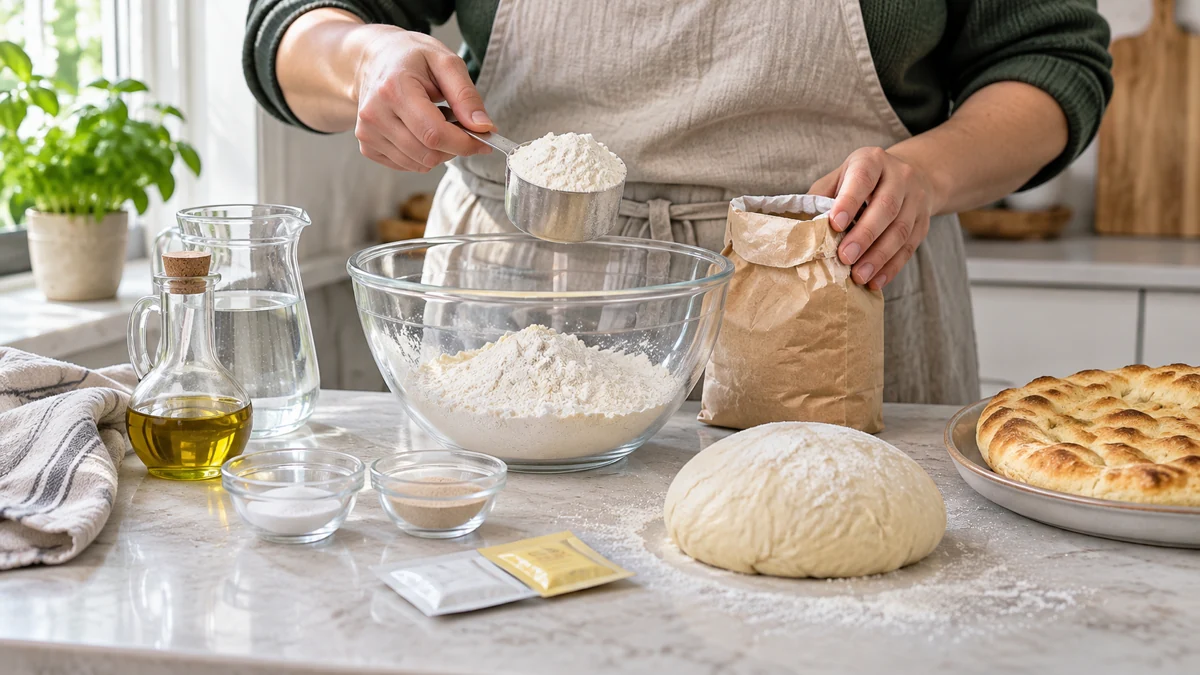
This week, turn pastry ingredients into truly mastered recipes. Flour, yeast, baking powder, salt or starch can complete the reserve, but their functions differ. Buy what you know how to use, in quantities compatible with the rotation.
Choose two simple preparations
Take a recipe for bread, patty, or another popular food. Check the ingredients, quantities, water and cooking method. Keep a readable copy offline. Adapt recipes to allergies and personal needs with the necessary advice.
Preparation must remain feasible during the intended disruption. An unavailable electric oven or an unusable outdoor stove in the place is not a cooking plan. Also plan meals that are ready to eat.
Distinguishing the Ingredients
Baking yeast, baking powder and baking soda are not interchangeable without adapting the recipe. Salt and sugar also have specific culinary functions. Keep records and check storage conditions after opening.
Powdered or evaporated milk should be prepared and stored according to its label. Once reconstituted or opened, it can ask for cold. Do not use the same instructions for an infant formula, which meets specific requirements.
Measure to avoid unnecessary purchases
Make a recipe and write down the result. If you use a small amount of yeast each time, a large package can be difficult to consume in good conditions. Compare the useful price, conservation and possible waste.
Keep products in identified packaging or appropriate containers with allergens, dates and instructions. A marker helps to inscribe the opening on a suitable area of the packaging, without contact with food.
Limiting versatility to appropriate uses
A food ingredient is not a medicine or a universal disinfectant. Do not apply bicarbonate, starch or vinegar to a burn as a remedy. Wound treatments, poisonings and health problems require appropriate actions and advice.
Promises about cancer, blood sugar or immunity should not guide the purchase of yeast or cooking ingredients. Also, never mix vinegar with bleach. For the household, use a product adapted to the surface and the desired function.
Maintaining a daily competence
Repeat the recipe under normal conditions before incorporating it into the plan. Check the workload, cleaning and preservation of leftovers. The family kitchen can contribute to autonomy without requiring a large stock or specialized equipment.
A pancake press, for example, remains an optional accessory for some recipes; it does not cook the dough and does not replace the cooking medium.
Actions of the week
- Choose two recipes adapted to the home.
- Check the functions and storage conditions of the ingredients.
- Prepare a recipe and measure the quantities used.
- Keep a copy offline and organize small stocks.
- Discard improvised medical or household uses.
Your expected result: some well-chosen ingredients and a preparation that you can redo with the means provided.
Put this reading into practice
Perform the action as you wish and then check the result. Your follow-up remains specific to this route.
52 weeks to strengthen your preparation; Week 37
Cooking with Reserves
Your action: Test a simple recipe with your ingredients and check the conservation of the lifting products and the appropriate substitutions.
To check: The recipe is reproducible; substitutions are not extrapolated to canning.
To do