
In this article
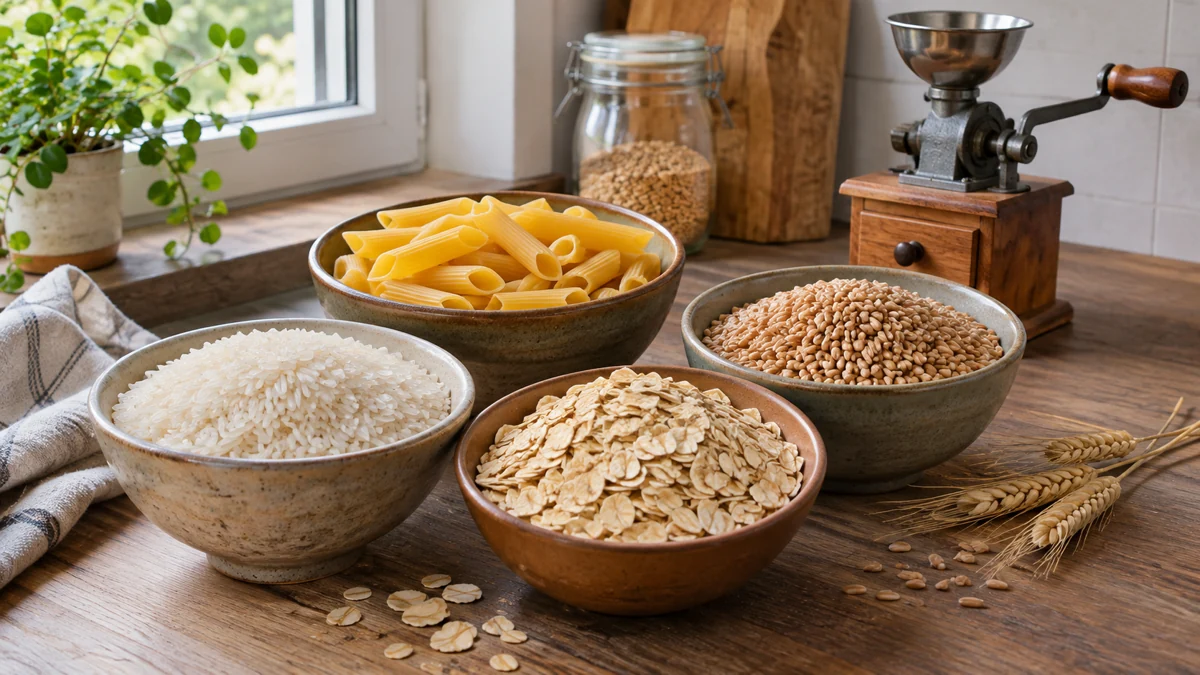
This week, check out the grains and other starchy foods on your reserve. Rice, oats, pasta, potatoes or other products can contribute to various meals. The choice depends on the habits, dietary needs and the means of preparation available.
Connecting stocks to menus
Take the planned recipes and count the portions actually used. Compare formats and storage conditions. An annual list in kilograms does not correspond to all families and does not take into account products already present.
Vary according to tastes and constraints. In case of wheat allergy, celiac disease or other need, check the products and risks of cross-contamination with the professionals concerned. An emergency does not negate these needs.
Measure the water and energy needed
Whole grains, pasta and instant products do not have the same preparation time. Give it a try and write down the needs. Keep a few meals that remain achievable without long cooking, using only an authorized and safe means.
A set of containers can be useful for a move if the volume, grip and compatibility are suitable. It does not make an outdoor stove usable in the housing.
Only buy a mill for real use
Storing whole grain requires knowing how to process it if your recipes require it. Before a purchase, check the products that the mill accepts, the effort required, the maintenance and the result obtained. If possible, try a device or method before investing.
A mill is not essential to a reserve composed of products already adapted to your recipes. Compare its value with flours in consumed and renewed quantities. A simpler reserve may be easier to use during a disturbance.
Maintain traceability and rotation
Protect products from moisture, pests and incompatible temperatures. Keep dates, allergens and instructions. If you change the container, note the lot and the opening without inventing a new shelf life.
Do not assume that all grains or flours are kept for twenty years. The product, the process and the conditions determine the result. A stock used regularly makes it possible to check what is really suitable for the home.
Do not rely on an improvised picking
Wild plants are not a reliable reserve to be discovered during an emergency. Identification, contamination, season, access to the land and regulation count. Do not consume a root, fruit or tuber on the basis of a generic name or likeness. A supervised training can be a separate project.
Actions of the week
- Compare stocks to household receipts and portions.
- Check for special food needs.
- Test a preparation and note water and time.
- Evaluate the real interest of a transformation tool.
- Adjust quantities and storage conditions.
Your expected result: various starches and really usable with your means.
Useful reference
Food Planning and Choices - Canada's Food Guide.
Put this reading into practice
Perform the action as you wish and then check the result. Your follow-up remains specific to this route.
52 weeks to strengthen your preparation; Week 35
Vary the starches
Your action: Compare the foods actually consumed and how they are prepared to avoid a single-ingredient reserve.
To check: Water, cooking and food restrictions are taken into account.
To do