
In this article
This week, choose a skill to develop instead of automatically lengthening the shopping list. Autonomy is built by gestures learned, practiced and maintained. It also includes the ability to recognize one’s limitations and call on a competent person.
Choose according to the needs of the home
Make a short list: first aid, cooking, sewing, simple maintenance, gardening or communication. Connect each skill to a real need. A family in an apartment and a person in charge of a rural plot do not have the same priorities.
Classify choices based on their usefulness, time available and access to training. Start with a specific goal, such as replacing a button, preparing a spare meal, or taking a first aid class, rather than “getting fully self-sufficient.”
Seek appropriate training
Check the content, prerequisites and experience of the trainer. For first aid, choose a recognized organization and supervised practice adapted to the level. A reading or video does not give the qualification of a health professional.
For amateur radio, check the qualification and licensing requirements. For gardening or food preservation, focus on recognized references and methods adapted to the climate and food. Medicinal plants do not replace prescribed treatments and can have interactions.
Preparing limited material
Borrow or use what you own when possible. Buy only the necessary accessories for the first learning, after understanding their functions. The amount of material does not measure competence.
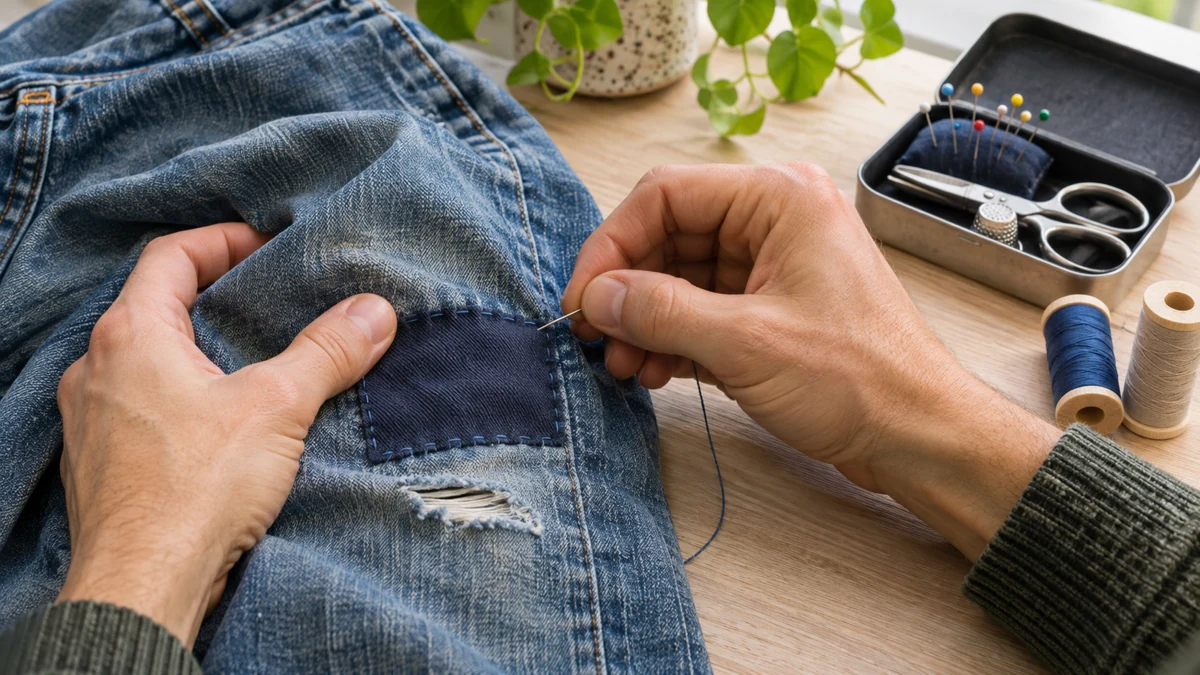
A small sewing set can be suitable for a simple repair. Check its contents and store needles and scissors out of reach of children.
Practice under normal conditions
Do a short exercise, on an authorized task and without pressure. Write down what has asked for help and what remains to be learned. Do not cause a breakdown and do not put a person in trouble to “test” his resistance.
The manufacture of soap, the use of machinery, electrical work or the preservation of certain foods may present specific risks. Learn with the proper guidance. Not all errors are acceptable when they expose to intoxication, fall, or injury.
Maintain and share the gains
Schedule a repetition and keep the useful instructions. A notebook can be used to note the steps, settings and questions to ask the trainer. An ordinary notebook is enough; buying a particular model is optional.
Share the simple gestures with the volunteers and distribute the skills. Keep a plan if the person usually responsible is absent. Maintain certifications when the field requires it.
Actions of the week
- Choose a skill related to a specific need.
- Identify a recognized training or resource.
- Check the prerequisites and the necessary equipment.
- Carry out a safe first exercise.
- Schedule a repetition and note the intervention limits.
Your expected result: started learning and a realistic way to pursue it.
Useful references
Put this reading into practice
Perform the action as you wish and then check the result. Your follow-up remains specific to this route.
52 weeks to strengthen your preparation; Week 41
Practice and pass on a skill
Your action: Choose a safe skill to practice with another person, and then identify what requires recognized training.
To check: The person can explain the gesture and its limits; the exercise remains adapted to his abilities.
To do