
In this article
This week, prepare a form of assistance compatible with your means. Helping can take several forms: transmitting reliable information, giving time, offering authorized transport or contributing to an organized collection. A person who asks for help should not be considered a threat from the outset.
Determine what you can offer
Start with the essential needs of the home and your health, time and budget limits. Choose a realistic contribution. You can help without distributing an essential part of your treatments or commit to hosting more people than your home can accommodate.
Note one or two capabilities available: cooking, translation, follow-up calls, accompaniment or really additional material. A reliable and limited contribution is better than a promise impossible to keep during an emergency.
Ask the organizations their needs
Contact a recognized organization or local initiative before purchasing products. Needs change depending on the event. Some material donations clutter the collection sites or cannot be distributed. A financial donation to an audited organization can sometimes be more useful, depending on the situation.
Check the official channel, the identity of the recipient and the terms of the donation. Beware of pressing demands that prevent you from confirming these elements. Do not leave a package in front of a closed room without agreement: it can damage or create a management load.
Preparing appropriate donations
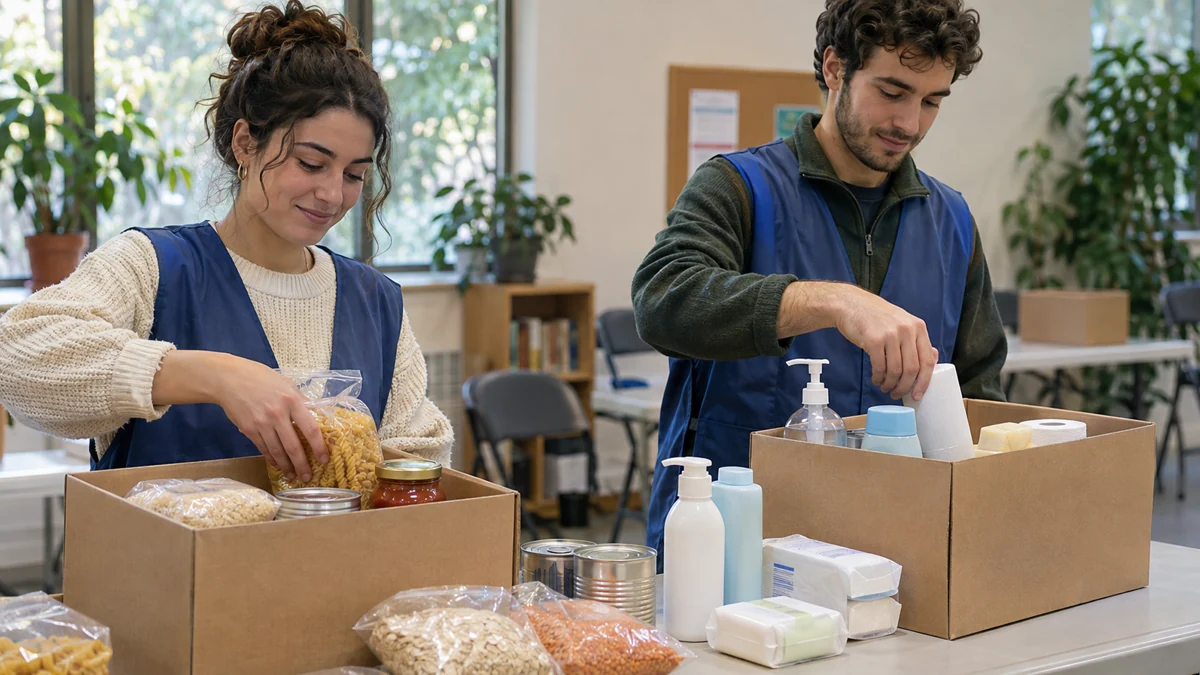
If food or hygiene items are requested, respect the formats, integrity of the packaging, dates and rules of the organization. Do not give foods whose preservation is uncertain. Medicines, medical products and infant formula may be subject to specific restrictions.
Do not purchase a stock for donation without a confirmed need. Household purchases and those planned for collection can be identified separately to avoid inventory errors.
Preserving dignity and privacy
Ask for the agreement before sharing a personal situation, name or photo. Aid must not impose a belief or make a difficulty public. You can choose a discrete gift without presenting discretion as evidence of widespread danger.
To help directly, agree on what is offered, the location and the limits. Do not go to a prohibited area or dangerous building to donate. Focus on services when demand exceeds what you can do.
Building a network before an emergency
Get to know the neighbourhood’s resources, community centres and aid agencies. The links created in the normal period facilitate requests and avoid organizing everything at the last moment. A network also includes the ability to receive help when you need it.
Actions of the week
- Choose a contribution compatible with your means.
- Verify an organization and its current needs.
- Confirm terms and conditions before any purchase or travel.
- Preserve the personal information of the people assisted.
- Add local resources to the family plan.
Your expected result: a concrete and respectful way to help, with an interlocutor and clear limits.
Put this reading into practice
Perform the action as you wish and then check the result. Your follow-up remains specific to this route.
52 weeks to strengthen your preparation; Week 29
Organise a realistic mutual aid
Your action: Ask a few relatives what they can offer or ask, with their agreement, and then agree to a first contact.
To check: Commitments remain voluntary; personal information is not disseminated without agreement.
To do