
In this article
This week, consider what can make daily gestures and possible travel more accessible. Physical preparation must respect the health, abilities and constraints of each person. It does not measure the value of a member of the household or their right to receive assistance.
Take advantage of present capabilities
Identify relevant tasks: walk to a nearby location, carry a small bag, use stairs, or transfer with technical assistance. Discuss support needs and barriers. An evacuation plan can be improved by reducing the load or arranging transportation, without requiring everyone to perform the same.
In the presence of an illness, injury, pregnancy or uncertainty, seek professional advice to choose the appropriate activity. Start gradually and adapt the effort. Do not continue an exercise despite a worrying symptom.
Integrate a sustainable activity
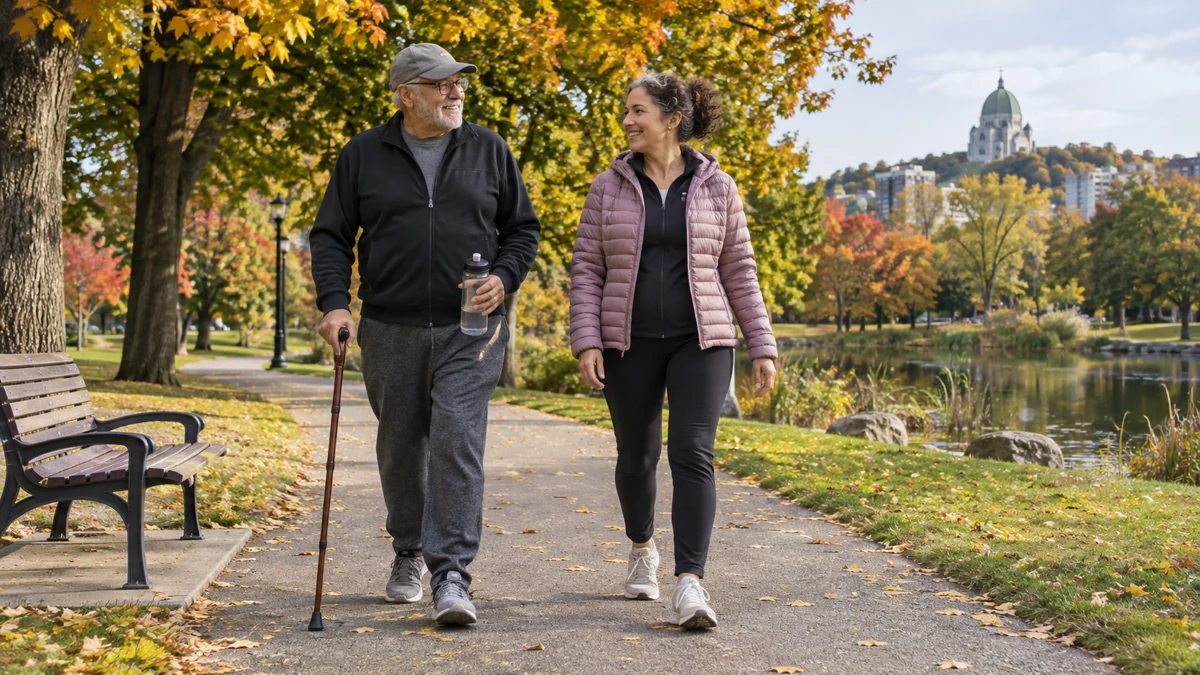
Choose an activity that is appreciated and compatible with your situation: walking, adapted activity, light gardening or recommended exercises. Regularity is easier to maintain if the activity enters into daily life. Avoid carrying a very heavy bag or simulating an exhausting evacuation.
General recommendations for movement provide benchmarks for public health. It is not a substitute for individual adaptation. Stretching does not guarantee the absence of injury and does not make dangerous work on a damaged roof or structure safe.
Test the travel equipment
Try shoes, technical aids and the bag under normal conditions. Check friction, access to objects and really transportable load. Distribute resources if necessary; a comfort accessory does not correct excessive weight.
An accessible bottle can facilitate hydration during an activity. Adapt intakes to personal needs and recommendations; the container does not treat water.
Preparing adapted meals
Plan various foods that you like and can prepare. Check for allergies, texture, storage and special needs. Regular snacks can be more useful than an expensive sports product. Protein powder and vitamins are not mandatory purchases to prepare.
If a supplement is necessary, its choice is based on an identified need and appropriate advice. The reserve should support the usual diet rather than promise immunity or superior performance.
Provide rest and accompaniment
Fatigue, sleep and stress influence tasks. Organize breaks and relays. To change a consumption of alcohol, tobacco or another substance, ask for a suitable accompaniment; some withdrawals require medical follow-up and should not be improvised in the approach of a disaster.
Actions of the week
- Identify a task to make more accessible.
- Choose a progressive and adapted activity.
- Test shoes, bags or technical aids without overloading.
- Prepare meals and snacks that meet your needs.
- Organize breaks, assistance and professional advice when necessary.
Your expected result: a plan more compatible with real abilities and a sustainable habit.
Useful references
Put this reading into practice
Perform the action as you wish and then check the result. Your follow-up remains specific to this route.
52 weeks to strengthen your preparation; Week 30
Adapting power and effort
Your action: Review a journey or task based on actual mobility and endurance, while maintaining proper nutrition.
To check: No deprivation or risky tests are imposed; professional advice is requested if necessary.
To do