
In this article
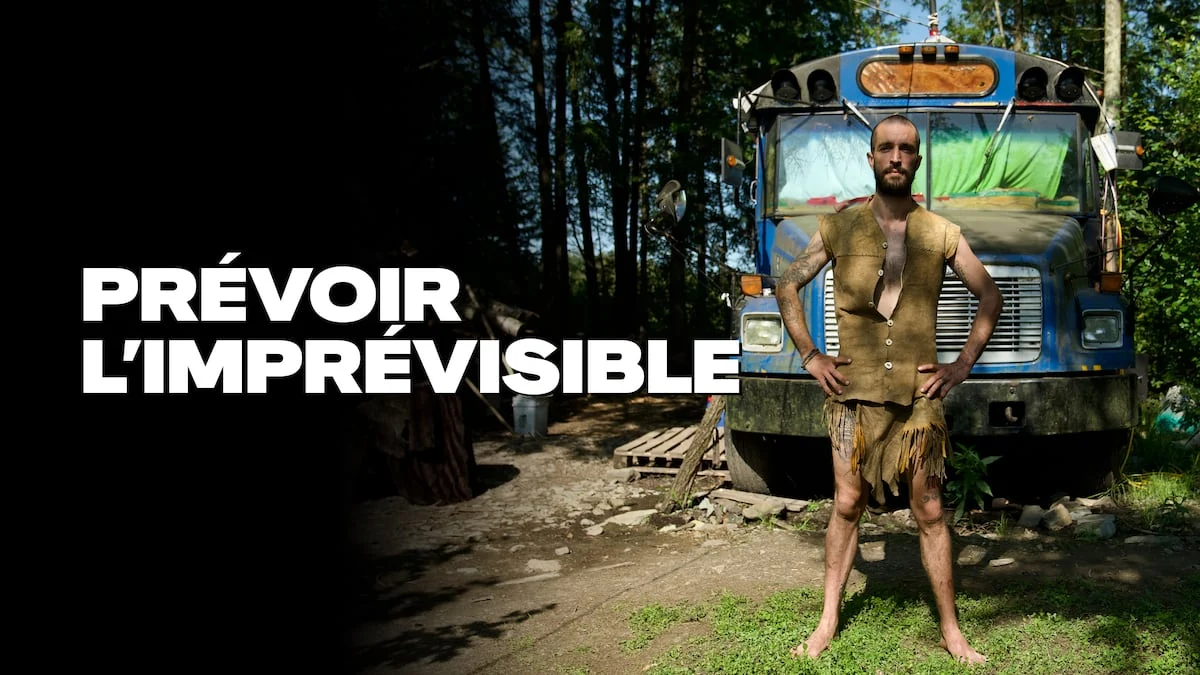
The documentary Prévoir l’imprévisible, directed by Aurélien Offner, provides a starting point for discussing preparedness and our relationship with uncertainty. You can follow it with practical questions: which risks affect us, which needs do we want to protect, and what can we start doing with the resources available?
Locate the film before watching it
The fact sheet published on the website of Alain Deneault, one of the participants, presents a 48-minute documentary directed by Aurélien Offner, with The Offners Productions and a collaboration with Radio-Canada. It refers to a broadcast on ICI TOU.TV in 2024. These marks make it possible to identify the work without confusing its release date with that of a new alert.
A documentary brings together choices of subjects, people and editing. It can stimulate reflection without constituting, in itself, a safety manual or an assessment of all risks. Testimonies must be distinguished from the instructions to be applied in your territory.
Consult the documentary file and broadcast information.
Preparing for an open discussion
Before viewing, choose a simple question: “What would we like to be able to do if a regular service became unavailable? ». This formulation leaves room for everyone’s experiences. It avoids asking relatives to subscribe to an extreme scenario from the outset.
After the film, give everyone the opportunity to say what they have withheld, what asked them, or what they want to check. One can be sensitive to experience and have reservations about the proposed conclusions. A useful discussion does not require everyone to adopt the same vocabulary.
With children, adapt the content and exchanges to their age. If they are worried, return to the adults who accompany them and the reassuring gestures already known. It is not necessary to present them with an accumulation of scenarios to prepare a meeting point or find a lamp.
Distinguish three types of messages
During the exchange, separate what is personal testimony, interpretation and practical recommendation. A life choice can be consistent for one person and difficult to transpose to another home or with another health.
When a board touches water, food, care or facility, look for a competent source before trying it. A filmed scene does not necessarily explain the skills, authorizations and precautions necessary for its realization.
Municipal resources and emergency preparedness organizations provide a useful point of comparison for local needs. They also help to distinguish a family action from a public service responsibility.
Moving from debate to limited improvement
Choose a single action to perform after the discussion. This may include gathering home contact information, checking a kit, understanding the building’s evacuation plan, or confirming an opportunity to meet with a loved one.
Define a responsible person, a date and an observable result. « Better preparation” is an intention; “finding contacts and prescriptions in a pouch known to adults” is a result that can be checked.
If a purchase is considered, start with usage and constraints. Look at what you already have and what can be borrowed. Viewing should not turn the worry of the moment into a list of equipment to be ordered without testing.
Connecting individual preparation and proximity
Also ask what resources exist around you: volunteer neighbors, community organization, library, host location or training. The capabilities of the home are articulated with those of the environment. An ordinary exchange with a trusted person can be a first step.
The PrépaCivile We propose a step forward to continue this process. The 31-day program is suitable to start with; the 52-week program allows you to space the actions and review the results.
Your next action: Write down a question to check and an action to try within the week. Then go back to the outcome with the people who participated in the discussion.