

In this article
- How to read this list
- 1. Energy
- 2. Lighting
- 3. Cooking and food preparation
- 4. Heating and thermal comfort
- 5. Drinking water
- 6. Information and Communications
- 7. Security and Vigilance
- 8. Sanitation and hygiene
- Where should you actually begin?
- Conclusion
- Frequently Asked Questions
- Additional Resources
- Sources and References
- Related resources
- Equipment to compare for your needs
Prolonged power outages—whether caused by winter storms, infrastructure failures, or grid incidents—are recurring events in Quebec and throughout the French-speaking world. Like any modern electrical grid, Hydro-Québec’s system is not immune to major disruptions.
The question is not so much whether an outage will occur, but rather how well you will be able to maintain your comfort and safety until power is restored. This checklist offers a structured framework for reflection—not a set of mandatory requirements—to help you assess your current level of preparedness and identify the most useful adjustments for your specific situation.
What scenario is this list based on? A 10-day service disruption requiring you to stay at home, with no evacuation necessary. This scenario, documented by various emergency management agencies, represents a realistic duration for significant infrastructure incidents. Your geographical location and the season will influence some of your choices.
How to read this list
Each section is organized into three progressive levels:
- Basic level — the functional minimum to cover essential needs for 10 days.
- Intermediate level — an additional margin of safety, offering more flexibility in the face of the unexpected.
- Advanced level — a more comprehensive setup, suited for prolonged scenarios or for families seeking greater self-sufficiency.
These levels are not mandatory targets; rather, they help you assess your current situation and guide your future decisions based on your specific context, priorities, and resources.
1. Energy
The loss of electricity triggers a cascade of effects on many other systems, including electronic payments, gas pumps, communication devices, and heating systems. Having an alternative energy source—even a modest one—can make a significant difference.

Basic Level
- Rechargeable batteries (× 2) for essential devices (radio, lights)
- Battery charger (solar-compatible or with a vehicle adapter)
- USB power bank — capable of charging a smartphone multiple times on a single charge
Intermediate Level
- 1,000 W power inverter (connects to a vehicle battery to power small appliances)
- Fuel reserve for a vehicle (approximately 100 liters)
- Approved 20-liter fuel containers
- PRI-G fuel stabilizer treatment for long-term fuel storage
- 2,000 W portable generator
Advanced Level
- Dual- or tri-fuel generator (gasoline, propane, natural gas) for greater flexibility
- Fuel reserve for a generator (approximately 350 liters)
- 30- to 55-liter fuel containers
- PRI-G treatment for long-term storage
- 100 W solar panel kit
- 1,000 W power inverter
- Deep-cycle batteries for solar energy storage
- Siphon pump for fuel transfer
Integrating a backup power source into a residential electrical system requires specialized skills. When in doubt, hiring a licensed electrician is the safest and, in the long run, most cost-effective approach.
2. Lighting
Lighting is one of the most immediately noticeable aspects of a power outage, especially in winter when days are short. Combining several different light sources helps distribute energy consumption and avoids over-reliance on a single technology.
Basic Level
- LED flashlight with spare batteries — one for each person
- Candles, including long-burning emergency candles (15-hour duration)
- Battery-powered lantern for common areas
- Chemical light sticks — convenient for children or as a hands-free supplement
Intermediate Level

- Headlamp for every member of the household — keeps hands free for various tasks
- Propane lantern for outdoor use or for use in a well-ventilated space
- Multi-format charger for various battery sizes
Advanced Level
- Oil lamps — offer long run times and good light intensity
- A supply of lamp oil
- A sufficient number of rechargeable batteries to allow for continuous use by rotating between charging and operation
For more on this topic, see our comprehensive guide to lighting options during a power outage. Candles and oil lamps must always be monitored and should never be left burning unattended, especially at night.
3. Cooking and food preparation
The ability to cook without electricity is often overlooked during emergency planning. A power outage quickly reveals just how much our culinary habits depend entirely on the electrical grid. However, simple solutions can help ensure you can still prepare warm and varied meals.
Basic Level
- Propane barbecue or camping stove
- Spare propane canisters for the stove
Intermediate Level
- Biomass-fueled stove — runs on twigs or wood chips
- Outdoor fire pit with equipment suitable for open-fire cooking
- Cast-iron skillet
- Cast-iron Dutch oven
Advanced Level
- Wood-burning stove with an integrated cooktop — a versatile option that combines heating and cooking
- Large-capacity propane tank (100 lb or more) or a connection to the building’s natural gas supply
- Solar oven — effective in fair weather; can also be homemade
4. Heating and thermal comfort
In Quebec, managing the cold is an absolute priority during a winter power outage. Most residential heating systems—even those running on gas or heating oil—rely on electricity for startup or regulation. Having an independent heating solution is therefore particularly relevant given our climate.
Basic Level
- Season-appropriate layered clothing, including spare hats and gloves for the coldest nights
- Extra blankets; Covering windows to reduce heat loss
Intermediate Level
- Inner tent — helps concentrate body heat within a smaller, enclosed space
- Sleeping bags suitable for the expected indoor temperatures
- Auxiliary kerosene or propane heater, with an adequate fuel supply
- PRI-D treatment for the long-term storage of kerosene
Advanced Level
- A secondary, equipped shelter (such as a cabin or a trailer with a solar power system) — provides a fallback option if the primary residence becomes uninhabitable
Any combustion-based auxiliary heater (kerosene, propane) must be used in a properly ventilated space equipped with a functional carbon monoxide detector. This precaution is non-negotiable.
5. Drinking water
Depending on local supply systems, a prolonged outage may affect water pressure or potability. Maintaining a reserve—even a modest one—provides an important margin of safety.
Basic Level
- Approximately 4 liters of water per person per day for 10 days—storing it in 20-liter containers is practical and versatile
Intermediate Level
- A full month’s supply of water (approximately 4 liters per person per day)
- A filtration system, such as a Big Berkey filter
- Rainwater harvesting system
- Preemptive filling of a bathtub using a watertight reservoir bag (e.g., WaterBOB)—to be done within the first few hours, before any loss of water pressure
Advanced Level
- Private well equipped with a manual or solar-powered pump
- A natural water source (stream, river) accessible on the property, with appropriate treatment equipment
6. Information and Communications
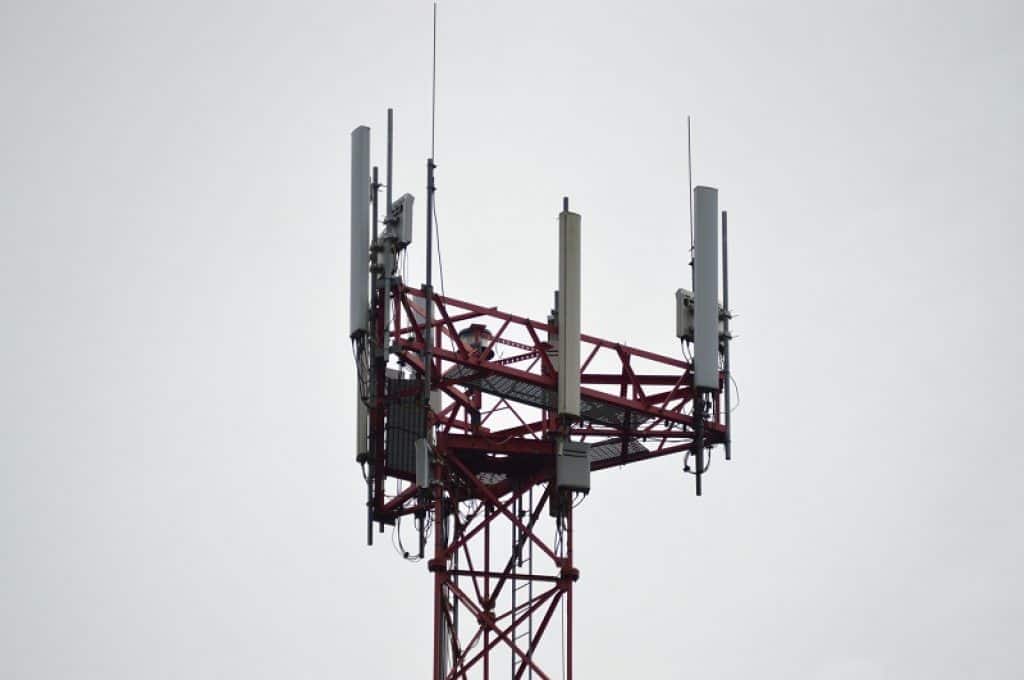
Maintaining access to information during an outage is essential for assessing the evolving situation, coordinating with loved ones, and making informed decisions. Cellular networks may become overloaded or partially non-functional during major incidents.
Basic Level
- Shortwave or multiband radio — allows you to pick up stations outside your immediate area, as well as emergency broadcasts (such as those from *Urgence Québec*).
Intermediate Level
- Portable UHF/VHF transceivers — the Baofeng UV-5R is an accessible and reliable option for local communication.
- 2-meter antenna
- Backup batteries for portable devices
Advanced Level
- Amateur radio (requires a license) covering HF, UHF, and VHF bands — enables long-distance communication, including interprovincial and international connections.
- Quad-band antenna
- Dedicated backup power supply for communication equipment
7. Security and Vigilance
During a prolonged outage, opportunistic behavior may arise, particularly in densely populated urban areas. Home security should be approached with nuance: deterrence, community visibility, and proactive preparation are generally more effective—and certainly less risky—than relying solely on physical security hardware. Our section on personal security explores this topic in greater depth.
Basic Level
- Cash reserve ($150 to $300) — electronic payment terminals may be out of service
- Standalone (solar-powered) outdoor lighting to deter intrusions and signal presence
- Knowing your immediate neighbors — a local social network is often the primary security factor during a crisis
Intermediate Level
- Larger cash reserve ($300 to $500)
- Standalone alarm or detection system (battery or solar-powered)
- Established communication protocol with household members and loved ones for use in the event of a prolonged outage
Advanced Level
- Organized neighborhood network with a communication and collective monitoring plan
- Cash reserve equivalent to one month of routine expenses
- Planning for an alternative meeting point in case the primary residence becomes inaccessible
In Quebec, the possession and use of firearms are governed by federal and provincial legislation. Any decision in this area must be based on recognized training and a precise understanding of the applicable legal framework.
8. Sanitation and hygiene
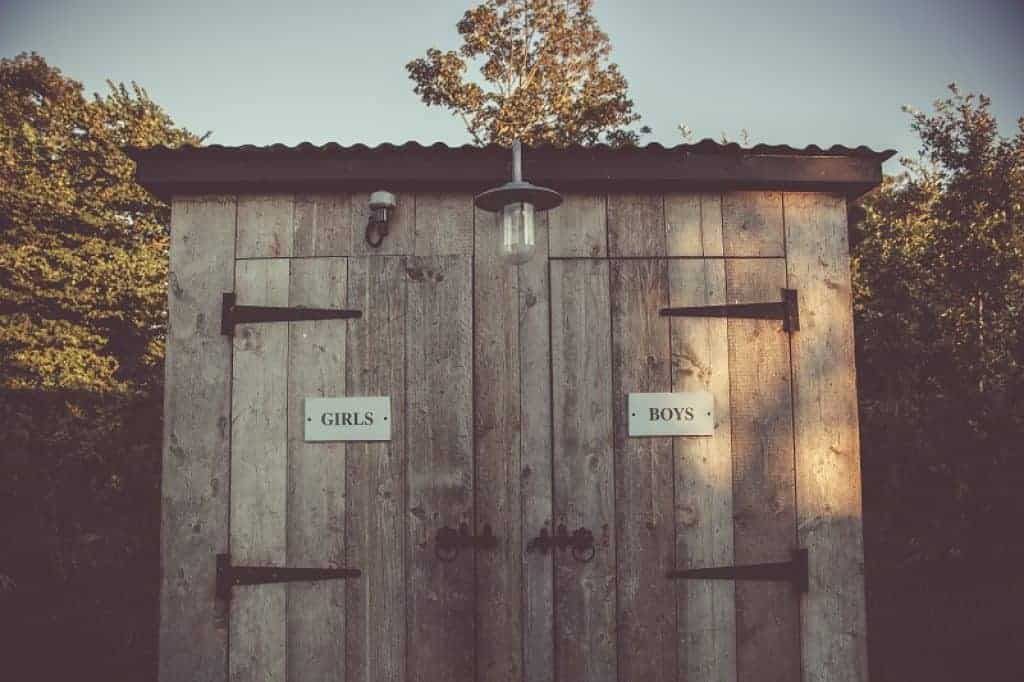
In certain scenarios, a prolonged outage may affect municipal sewer systems or water pressure. Having alternative solutions for basic hygiene prevents a rapid deterioration of living conditions.
Basic Level
- Pre-emptive filling of the bathtub using a sealed liner (WaterBOB) — to be done within the first few hours, before any drop in water pressure
Intermediate Level
- 20-liter bucket kept in reserve
- Toilet seat attachment for a 20-liter bucket — turns any standard bucket into an improvised toilet
- Trash bags (small ones for sanitary waste, large ones for general waste)
- Cat litter — an effective absorbent for organic waste
Advanced Level
- Pre-installed outdoor dry toilet — a sustainable solution for properties with available land
For a more comprehensive overview of sanitation challenges during a crisis, see our article on the importance of sanitation.
Where should you actually begin?
Faced with such an extensive list, it is natural to wonder where to start. In practice, the most useful preparations are not necessarily the most expensive: a battery-operated radio, a few headlamps, a basic water supply, and a camping stove cover the essentials for most short- to medium-term outages.
Immediate priorities
- Independent lighting (headlamps, candles)
- Water supply (minimum 3 days)
- Alternative heat source
- Battery-operated or multi-band radio
- Cash on hand
Next steps
- Ability to cook without electricity
- Fuel supply
- External battery and solar charger
- Local communication (transceivers/two-way radios)
- Family communication plan
Conclusion
A 10-day power outage is an unlikely event in most contexts—but not an impossible one, as demonstrated by several incidents in Quebec and elsewhere. This list is not intended to cause anxiety, but rather to provide a structured framework for reflecting on your current situation and moving forward at your own pace.
The most effective preparation is often that which integrates naturally into your daily routine—gradual purchasing, regular maintenance habits, and conversations with loved ones about emergency plans. It is not a race to acquire the "perfect" gear, but rather an ongoing process of building informed self-reliance.
A question to guide your thinking: if a power outage were to occur tonight, what is the first limitation you would encounter in your home?
Frequently Asked Questions
How long will my freezer stay cold without electricity?
A full, closed freezer will generally maintain a safe temperature for 48 hours. A half-full freezer will do so for about 24 hours. Filling empty space with frozen water bottles helps the freezer retain its cold for longer.
Will my gas heating system work without electricity?
Most modern gas or oil heating systems rely on electricity to power their thermostats, fans, and ignition systems. Without a backup power source, they will typically stop working during an outage. This is precisely why it is useful to plan for an independent, auxiliary heating source.
Is a generator absolutely necessary?
Not necessarily. For most power outages lasting a few days, simpler solutions—such as external battery packs, camping stoves, and independent lighting—are sufficient. While a generator offers significant convenience, it also requires an investment and entails certain drawbacks (fuel, noise, maintenance) that should be weighed based on your specific situation.
Is this list applicable to those living in an apartment?
For the most part, yes. The sections on water, lighting, communication, and sanitation apply directly. Cooking and heating, however, require some adjustments—open-flame stoves should be avoided in enclosed spaces that lack adequate ventilation. In a shared residential setting, coordinating with neighbors and the building management (or homeowners' association) becomes even more important.
Additional Resources
- Lighting options for power outages
- How to store fuel for the long term
- Drinking water self-sufficiency: basics and solutions
- How to stay in touch with loved ones during a crisis
- The importance of sanitation during a prolonged emergency
- Survival gear for cold weather
- Personal and home security
Sources and References
Local guidelines and product manuals take precedence for your specific situation. References consulted for this update include:
- CDC — Using a generator outdoors, away from openings
Related resources
Equipment to compare for your needs
Some links below are affiliate links: we may receive a commission at no additional cost to you. Products are examples by function, to choose according to your needs; buying the entire selection is unnecessary.