
In this article
- What are the 6 main categories of natural disasters?
- What are the most common natural disasters in Canada?
- Which natural disaster causes the most damage in Canada?
- What are the deadliest natural disasters?
- List of natural disasters by type
- References for contextualizing various phenomena
- Related resources
- Equipment to compare for your needs
A natural phenomenon becomes a disaster when it encounters exposed people, property, or systems, and its consequences exceed the available response capacity. Not all such phenomena result in significant losses, and their effects are not entirely inevitable—prevention, land-use planning, protection, and preparedness can all play a role. Distinguishing between a "hazard" and a "disaster" helps in understanding what can be anticipated.
Natural hazards have always existed, whereas exposure, vulnerabilities, the climate, and the methods used to record these events are constantly evolving. An increase in the number of recorded disasters cannot be interpreted without considering the specific time period, definitions, and data sources involved. This overview does not imply a uniform increase in every type of phenomenon across all regions.
These figures should not be treated as current or directly comparable metrics. Understanding local risks, the date of a given map, and relevant safety guidelines allows you to prepare effectively—without misinterpreting vague percentages as specific, personal probabilities.
Below, you will find the main categories of natural disasters, a list of specific events, and information on how you can prepare.
What are the 6 main categories of natural disasters?
The EM-DAT classification system identifies six primary groups of natural hazards, further broken down into various types and sub-types. Other frameworks may organize these phenomena differently; the following categories are intended to provide a structure for interpretation, rather than to impose absolute boundaries between the underlying mechanisms:
- Geological
- Meteorological
- Hydrological
- Climatic
- Biological
- Extraterrestrial
There is significant overlap between these types of disasters, and some may fall into multiple categories. For example, a thunderstorm (a meteorological disaster) can trigger a landslide (a geological disaster).
1. Geological natural disasters
Geophysical phenomena primarily involve the Earth’s internal activity or various forms of mass movement. The scope for anticipation varies: an earthquake may provide very little warning, whereas a volcano or an unstable slope can be monitored. It should not be assumed that there is never time to take protective measures. Specific instructions tailored to the particular phenomenon and location remain essential.
Examples:
- Earthquakes
- Landslides
- Volcanic eruptions
- Mass movements: the classification of an avalanche depends on factors such as its composition and the specific framework being used; not all snow avalanches can be equated to the movement of dry rock.
2. Meteorological Natural Disasters
Meteorological phenomena are linked to the state of the atmosphere and can evolve rapidly. Forecasts and alerts exist depending on the type of phenomenon, though they do not always provide sufficient warning time. It is important to prepare appropriate protective measures before an alert is issued and to follow local guidance; the actions required in the face of an imminent tornado differ from those needed for a preventive evacuation.
Global warming is altering certain extremes, with variations depending on the specific phenomenon and region. One should not assume that the frequency and intensity of all categories are increasing to the same degree. Climate data and local risks must be considered together; it cannot be concluded that any single, specific event is caused exclusively by climate change. The report on the impacts of climate change in Canada provides further insight into this context.
Examples:
- Heat waves
- Cold waves
- Hurricanes
- Tornadoes
3. Hydrological Natural Disasters
Hydrological phenomena relate to water and its movement. They vary in terms of speed and the time available for anticipation: a gradual flood, a flash flood, and a coastal surge each present different possibilities. While climate can influence certain risks, it does not account for every occurrence. Prepare instructions and access routes in advance of an event, without assuming that evacuation will always be impossible—or, conversely, always an available option.
Examples:
- Flooding
- Tsunamis
- Rogue wave
4. Climatic natural disasters
Climatic natural disasters result from long-term changes in atmospheric conditions. Because these disasters are prolonged, they can trigger mass displacement of people.
It is essential to understand that such climatic shifts can also increase the frequency or intensity of other types of natural disasters—for instance, climate change contributing to the formation of hurricanes.
Examples:
- Drought
- Forest fires (wildfires)
5. Biological natural disasters
Biological natural disasters involve exposure to living organisms or the toxic substances they produce. They can cause illness and death in humans or animals, or the large-scale destruction of crops.
Examples:
- Epidemics
- Infestations
6. Extraterrestrial natural disasters
Extraterrestrial hazards include, in particular, impacts from objects and space weather. Not all of these involve an object entering the atmosphere; a geomagnetic disturbance, for instance, is a different mechanism than a meteorite striking the ground.
While these phenomena are real, they do not pose a constant, imminent threat to every household. The level of monitoring and the amount of warning time available depend on the specific phenomenon, the size of the object, and the observations made. For day-to-day preparedness, it is best to follow guidance from relevant authorities regarding potential impacts, rather than assuming a disaster is likely simply because it is physically possible.
Examples:
- Asteroid and meteor impacts
- Solar flare
What are the most common natural disasters in Canada?
Flooding is an important hazard in many parts of Canada, with varied causes and impacts. For a home, consult local information, map limitations and official instructions. A national statistic does not determine a specific address’s exposure or what to do during an event.
Which natural disaster causes the most damage in Canada?
The cost depends on what is being measured—such as insured losses, total damages, public expenditures, or indirect economic effects—over a given period. Without a consistent framework, it is not possible to uniformly rank events like floods, fires, droughts, and health crises. Financial data from a single year or sector cannot predict the consequences that a future event might have on your own home.
COVID-19 resulted in major human and economic consequences. Therefore, this text does not treat such an equivalence as an established fact. Practical health and continuity needs must still be prepared for, regardless of any such ranking.
What are the deadliest natural disasters?
Death tolls vary depending on the time period, the geographic area, the categories used, and whether indirect deaths are included. Earthquakes, storms, and extreme temperatures can cause severe loss of life; therefore, any unreferenced ranking covering the years 2000 to 2020 should not be treated as definitive or universal. Estimates may also evolve after an event has occurred; always include the date for any figure and specify its source.
A pandemic cannot be automatically compared to all modern-day "natural" disasters; the outcome depends on the definition, time period, and methodology applied. The severity of COVID-19 does not require the use of such a superlative. For an individual household, issues such as vaccination and following preventive recommendations, accessing medical care, and providing support to those affected are far more immediately relevant.
See also: Types of human-made disasters
List of natural disasters by type
1. Earthquakes
The Earth is composed of numerous tectonic plates that are in constant motion. Pressure builds up along the boundaries of these plates. An earthquake occurs when this pressure is suddenly released in the form of seismic energy. Earthquakes cause intense shaking and vibrations.
Earthquakes can result in many casualties, primarily due to structural damage to buildings and secondary effects. The article does not demonstrate that they account for the majority of deaths globally over any given period. The outcome is influenced by the vulnerability of the built environment, the level of exposure, and the protective measures in place. Learning local safety procedures and assessing the risks associated with one’s own home is more useful than focusing on a general mortality ranking.
Read: How to prepare for an earthquake
2. Landslides, mudflows, and rockfalls
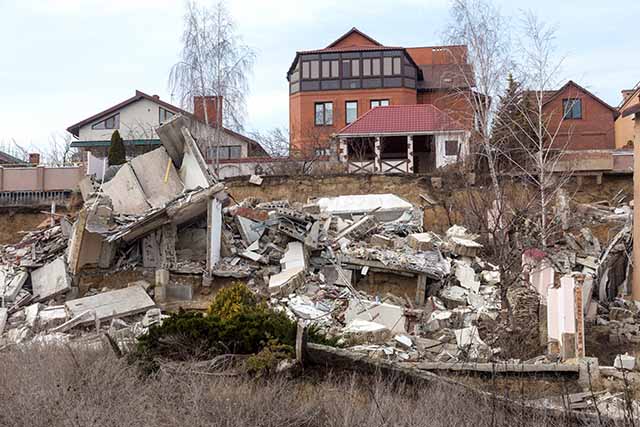
A landslide involves the movement of material down a slope. A "flow" may consist of highly saturated material in motion, while a rockfall involves the detachment of individual rock blocks. These phenomena are not synonymous; they differ in terms of speed, trajectory, and the warning signs they may exhibit. Do not approach an active slope, and do not attempt to assess its stability based on a brief description.
Rainstorms often trigger landslides and mudflows. Due to climate change, heavy rainfall is becoming more frequent in certain regions, thereby increasing the risk of landslides and mudflows. Rockfalls can also be triggered by severe storms. Furthermore, it is common for erosion or earthquakes to trigger rockfalls.
3. Volcanoes
Mount St. Helens, in Washington State, is a well-known example, having experienced a major eruption in 1980 and an eruptive period from 2004 to 2008, as documented by the USGS. Volcanic alerts must come from the relevant observatory.
Volcanoes can cause damage in several ways. Not only can they spew massive amounts of lava and rock across the surrounding area, but they can also trigger landslides or tsunamis.
Gases and ash pose distinct risks to breathing, visibility, and equipment. A particulate respirator does not protect against gases or oxygen deprivation, and a cartridge-type respirator does not make an eruption zone safe. Evacuation orders, established perimeters, and instructions from the observatory take precedence over the choice of any protective gear. Any protective equipment must be appropriate for the situation and used within its specified limits; no product should be purchased under the assumption that it guarantees safety.
4. Avalanches
Avalanches occur when a large mass of snow, ice, and debris slides down a slope. An avalanche can destroy everything in its path and bury people under the debris. The destruction of utility infrastructure can lead to oil and gas leaks, as well as widespread power and communication outages.
5. Extreme Temperatures
Both heat and cold can pose a direct threat to health, in addition to disrupting essential services. The scope and timing of updates explain why any figure must be associated with a specific date.
The region does not typically experience high temperatures; consequently, many people do not have air conditioning or fans.
The winter crisis in Texas in February 2021 demonstrated how extreme cold and power outages can coincide. The causes and impacts should be referenced according to the relevant official reports; one should avoid oversimplifying the situation by attributing it to a single cause or mistaking a preliminary death toll for a final figure. In terms of preparedness, maintaining a safe indoor temperature, ensuring access to care, and using combustion-based appliances safely remain essential.
Read: How to prepare for a heatwave
6. Blizzards
A blizzard involves a combination of wind and snow—or blowing snow—that significantly reduces visibility. The specific criteria and duration for a blizzard warning vary by region and the issuing agency. Do not conflate American terminology with Canadian thresholds; always consult the local alert currently in effect, rather than treating specific numerical values as universal definitions.
- In Canada, visibility of 400 meters or less is a benchmark used in weather advisories, alongside other conditions specified in the applicable alert. Do not wait until visibility reaches this threshold before stopping travel that has become dangerous.
The figure of approximately two hundred deaths per year in Canada attributed to blizzards does not originate from a single, identifiable source. Nevertheless, risks include vehicle collisions, exposure to cold, physical strain from snow removal, and carbon monoxide (CO) poisoning resulting from the improper use of equipment. Safety measures vary based on specific needs and guidelines; for instance, a portable generator must never be operated inside a home, garage, or any partially enclosed space.
Read:
- Emergency Winter Vehicle Kit
- Best Options for Emergency Heating
7. Hurricanes
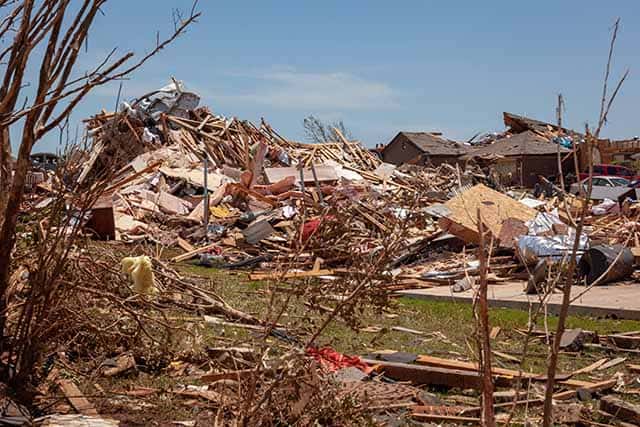
Hurricanes, typhoons, and tropical cyclones are all part of the same family of weather systems, with the terminology varying by geographic region. Classification systems differ depending on the agency; a wind-based category alone does not account for rainfall, storm surges, or the full scope of potential damage.
Hurricanes are categorized based on their wind speed. A Category 5 hurricane features sustained winds of at least 252 km/h—strong enough to tear the roofs off buildings.
Tropical cyclones can cause flooding and storm surges, even far from the area of maximum wind intensity. Any ranking of damage—such as data covering a thirty-year period in the United States—is specific to a certain timeframe and set of criteria; it should not be viewed as an absolute, timeless fact. When preparing, focus on gathering information and identifying evacuation routes specific to your area, rather than concentrating solely on structural resistance to wind.
Read:
- How to prepare for a hurricane
8. Tornadoes
Tornadoes occur in many regions, though their frequency and detection rates vary. Comparing data across continents or countries requires consistent timeframes and methodologies. For Quebec or any other specific region, consult local alerts and regional knowledge rather than inferring frequency from broad, generalized rankings.
The figures of eighty tornadoes in Canada and six in Quebec are not fixed annual totals. Observation techniques and confirmation methods evolve over time; any statistic must be considered in the context of the period it covers. Debris and structural damage to buildings pose significant risks. Identifying a suitable shelter in advance allows you to take action immediately, without needing to track the storm’s path.
An alert may provide some time to seek shelter, though there are no guarantees. Take cover immediately, following established guidelines; do not go outside to secure items or look for pets if doing so puts you in danger. Preparation prior to an alert is intended specifically to avoid such last-minute tasks.
Read:
- Best emergency radios with alert functions
9. Thunderstorms
A thunderstorm can produce lightning, wind gusts, hail, and heavy precipitation. A "derecho" is a system of destructive winds associated with an extensive, organized thunderstorm complex; it is not simply a tornado moving in a straight line. The danger may necessitate immediate shelter, even if the storm is not classified as extreme. Check for alerts and move to a safe location rather than remaining outside to observe the storm.
Thunderstorms can also be particularly devastating to crops. Heavy rain and hail can destroy crops, leading to an increase in food prices.
10. Sandstorms and dust storms
Sandstorms and dust storms occur when strong winds pick up debris and blow it into the atmosphere. The difference between a sandstorm and a dust storm lies in the size of the particles: sandstorms involve larger particles than dust storms.
Airborne dust and sand can severely reduce visibility and affect breathing in arid regions. The claim that these are the third leading cause of weather-related deaths in Arizona is not supported here by a verifiable source or timeframe; therefore, it should not be treated as a definitive reference. It is essential to be aware of local guidance regarding travel and seeking shelter before entering an area prone to such conditions.
Without conducting a full analysis of a specific event, one should not use a single instance to quantify the overall risk. Visibility can drop rapidly; follow local traffic instructions and do not attempt to drive through a dust-filled area just to stay on your original route.
11. Floods
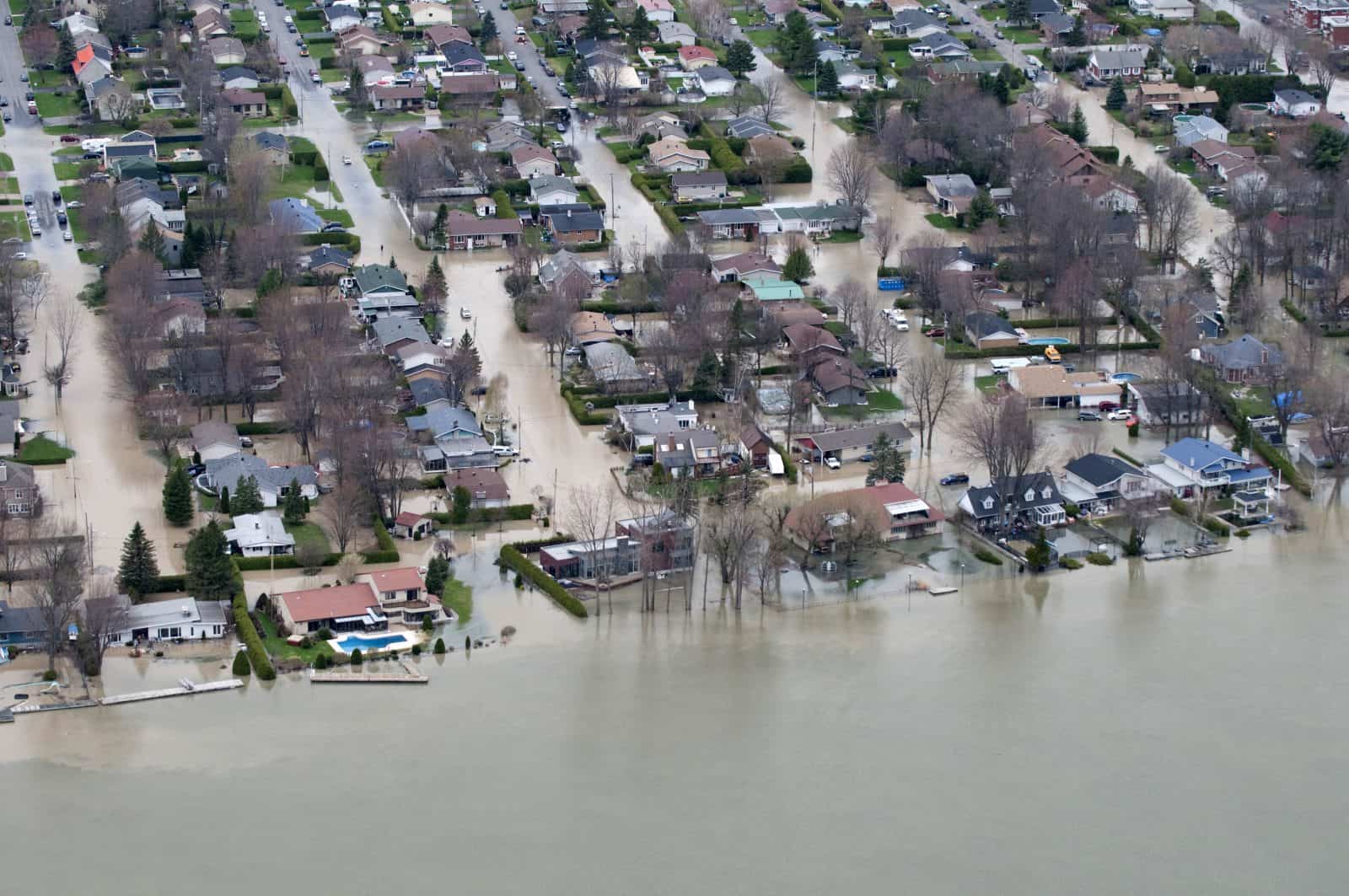
Floods are among the costliest and deadliest natural disasters in Canada and around the world. They are also among the most frequent natural disasters.
Do not cross a flooded road on foot, by bicycle, or by car. It is difficult to assess water depth, current, the condition of the road surface, and potential obstacles. Turn around, find an alternative route, and follow official instructions—do not attempt to test your vehicle’s capabilities in the water.
Floodwater may contain sewage, chemicals, and debris; while this does not automatically lead to an epidemic, caution is required. Once the water has receded, the building’s structure, electrical systems, and the presence of mold must be assessed. Do not begin clearing or cleaning a building without first verifying that it is safe and checking official guidelines; depending on the extent of the damage, specialized equipment or professional assistance may be necessary.
See also:
- How to prepare for floods
- Personal hygiene following a disaster
12. Tsunami
A tsunami is caused by a large-scale displacement of water and may manifest as a series of waves, accompanied by rising water levels or dangerous currents. The first wave is not necessarily the most powerful. Follow official alerts and recognized natural warning signs; do not wait to see a large wave before heading toward designated local evacuation or safety routes.
Most tsunamis are triggered by underwater earthquakes, though they can also be caused by landslides, volcanic eruptions, and other geological events. For this reason, tsunamis are often classified as geological natural disasters rather than hydrological disasters.
In 1958, at Lituya Bay, a landslide triggered a wave that reached a maximum run-up height of approximately 524 meters (1,700 feet) on a slope, as documented by the USGS. This run-up height does not represent a uniform 1,700-foot wave traveling across an ocean. This exceptional case is not representative of all tsunamis; the specific topography and the nature of the source strongly influence the resulting effects.
13. Rogue Waves
Rogue waves are exceptionally large waves capable of causing massive destruction. They are distinct from tsunamis because they are not triggered by earthquakes or other geological events.
Instead, rogue waves appear to emerge out of nowhere. They are particularly dangerous to boats and ships, though they can also cause destruction along coastlines.
14. Drought
A drought entails a sustained water deficit, as defined by specific indicators. It can impact soil, agriculture, drinking water supplies, and ecosystems. Its social and nutritional consequences depend on factors such as resource management, trade, and external support; a drought does not automatically lead to famine, mass migration, or war. Preparing for water restrictions and ensuring the continuity of supply requires localized data, rather than assuming an inevitable cascade toward collapse.
Because droughts alter the state of the soil, they can also lead to sandstorms and landslides.
Read: How to collect rainwater
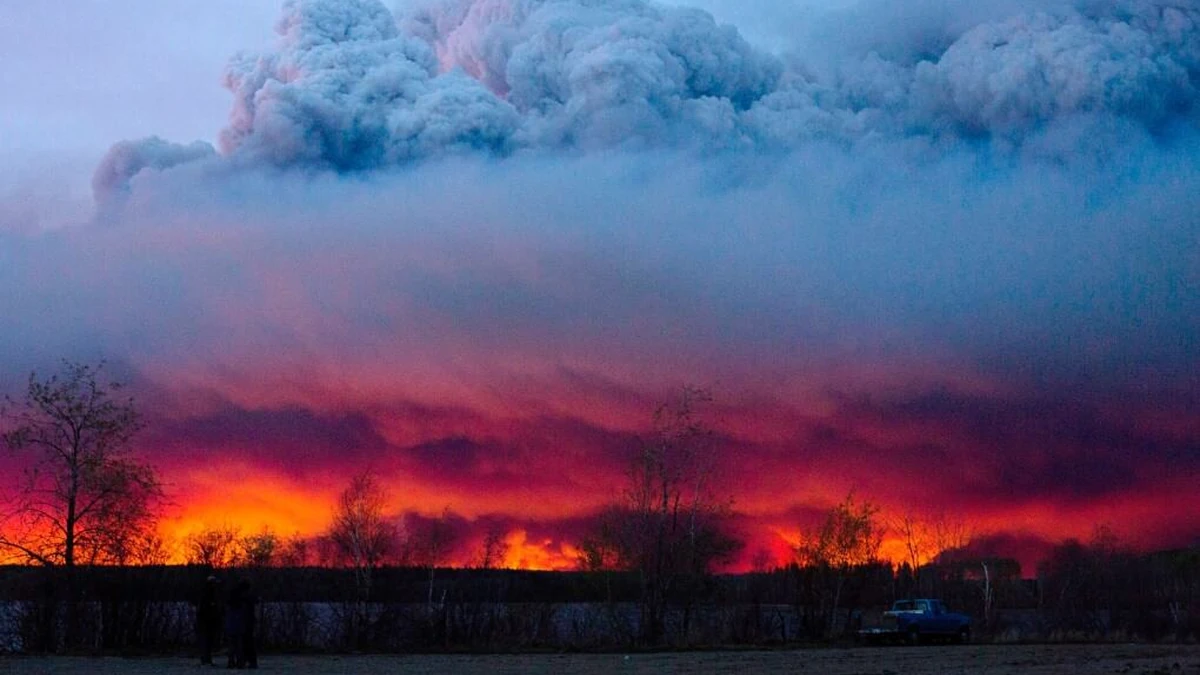
15. Wildfires
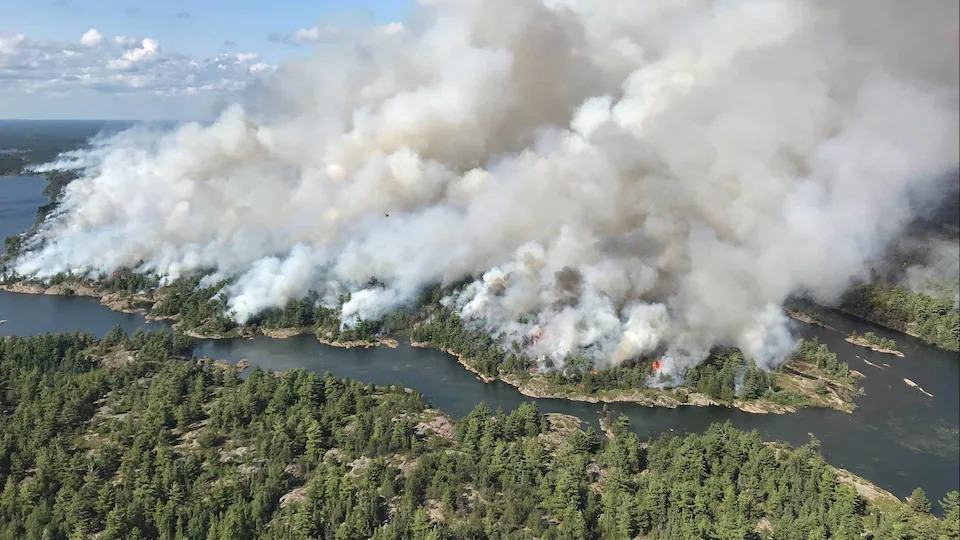
Wildfires can be caused by human activity or natural factors, such as lightning. Climate and vegetation conditions—along with other factors—influence the risk and spread of fires. A specific event cannot be explained by temperature alone. Adhere to all prohibitions, respect closures of access routes, and follow evacuation orders; do not wait until you see flames, and do not attempt to intervene as a firefighter if you lack the proper qualifications.
A 2022 report by UNEP and GRID-Arendal projected a global increase in extreme wildfires of up to 14% by 2030 and 30% by the end of 2050. These are global projections based on specific assumptions, not an observed, uniform increase in all types of fires across every region. Do not assume that each year will necessarily be worse than the last, and do not interpret these percentages as a direct measure of risk to your own home.
Read:
- How to prepare for wildfires
16. Epidemics
An epidemic refers to an occurrence of a disease that exceeds what is expected in a given context; a pandemic describes a significant international spread. COVID-19 is the disease associated with SARS-CoV-2—it is not the name of the virus itself. Always follow the definitions and health guidelines provided by the relevant authorities; do not infer the severity of a disease for an individual based solely on its geographical reach.
However, epidemics do not arise solely from viruses. They can also stem from bacteria, parasites, fungi, or prions (infectious agents). Epidemics can also be transmitted via vectors, as seen in the Zika virus outbreak in Brazil in 2015.
17. Infestations
Infestations, such as swarms of locusts, might seem like phenomena confined to biblical times, but they remain very real threats today.
Climate change alters the life cycles and behavior of pests, enabling them to survive and reproduce. Pests can consume entire crops, which may, in turn, lead to famine and a rise in food prices.
Certain organisms act as transmitters for infectious agents—for example, mosquitoes for malaria, ticks for various infections, or fleas in the transmission cycles of the plague. The presence of a vector does not always constitute an "infestation," and a historical death toll of twenty-five million does not encompass every instance of plague. Prevention, exposure, and treatment vary depending on the specific agent, location, and time period; one should avoid making broad, generalized assumptions.
18. Extraterrestrial Events
Impact events occur when asteroids, meteors, or other space objects strike the Earth. While many such events have taken place throughout Earth's history, the most devastating ones occurred millions—or even billions—of years ago.
The small object 2022 EB5 was spotted approximately two hours before it entered the atmosphere, north of Iceland near Jan Mayen, according to the ESA. This did not constitute a confirmed impact on Icelandic soil. The short notice for this specific object does not mean that the vastness of space precludes any warning; factors such as size, orbit, and monitoring capabilities all play a role. It is better to follow updates from specialized organizations than to predict an impact based on an image found online.
Space debris can cause destruction even without striking the Earth’s surface. For instance, a comet exploding within the Earth’s atmosphere could trigger an airburst.
19. Space Weather
Energy released by space storms can travel to Earth and cause damage. A solar flare is arguably the most concerning of these space weather events.
Solar flares, coronal mass ejections, and geomagnetic storms are distinct phenomena that may nonetheless be related. The radiation from a flare and a cloud of plasma do not propagate in the same way. Certain interactions with the Earth’s magnetic field can affect technology; these effects are not necessarily equivalent to the electromagnetic pulse (EMP) scenarios often described in disaster preparedness materials.
Depending on its intensity and the specific circumstances, space weather can disrupt certain networks, communication systems, or satellites. This does not imply that all electrical equipment would be destroyed, nor that an outage would last for decades. Relevant information is provided by system operators and monitoring agencies. For a household, preparing for a power outage or service disruption—and having appropriate means of accessing information—is a sensible precaution, without necessarily assuming that such an event would lead to the collapse of civilization.
Read: Practical guide to preparing for an EMP (Electromagnetic Pulse)
References for contextualizing various phenomena
- EM-DAT: Hazard classification
- British Columbia: 2021 heat-related death toll
- USGS: Lituya Bay, 1958 water surge
- UNEP: 2022 report on extreme wildfire projections
- NOAA: Distinguishing between different space weather phenomena
Related resources
Equipment to compare for your needs
Some links below are affiliate links: we may receive a commission at no additional cost to you. Products are examples by function, to choose according to your needs; buying the entire selection is unnecessary.