
In this article
Week 10 laid the foundation for dental hygiene. This week, prepare their continuity if the usual services are less accessible. Prevention and access to a professional remain the priorities; a domestic reserve does not replace dental treatment.
Plan the usual products
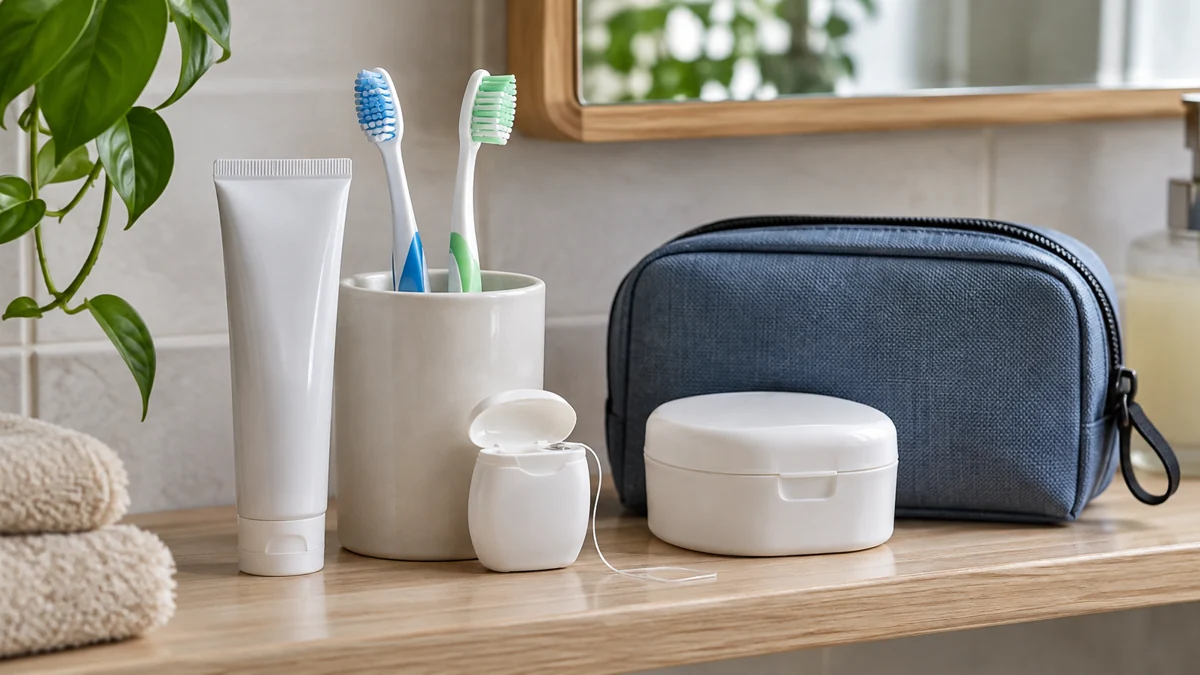
Check the correct brushes, age-appropriate fluoride toothpaste and recommended interdental cleaning equipment. Include the needs related to dentures or appliances, with the dentist’s instructions. Plan an amount that the home will actually use and renew.
Keep items clean and identified. If water is restricted, use water that is authorized for mouth care and follow directions. Food or household products do not automatically replace dental hygiene products.
Taking stock with the dentist
Schedule recommended follow-up and report any pain or problems present. A known difficulty should be assessed before a transportation or service interruption complicates the consultation. Write down the number of the office and its procedure outside the opening hours.
Ask what situations require a quick consultation and what to do in the meantime. The instructions depend on the problem and the person. Significant pain, swelling, bleeding or trauma are not all treated the same way.
Avoid improvised substitutions
Do not prepare a list of essential oils, peroxide, alcohol or abrasive mixtures to replace dental care. Their use can irritate or injure and does not fix an infection. Antibiotics and other prescribed medications require personal evaluation and guidance.
Extraction clamps, surgical instruments, sutures and specialized hemostatic products are not general household dental equipment. Do not attempt to extract, repair or suture a tooth or gum from a manual.
Maintaining realistic habits
The food reserve must remain compatible with oral health and personal recommendations. Avoid multiplying sugary intake throughout the day. A varied diet and daily care have their place; vitamins do not replace monitoring or hygiene.
For children, check the supervision of brushing and the amounts of toothpaste recommended by professionals. For people with limited mobility or dexterity, plan the right help and accessories with them.
Preparing access to care during an interruption
Keep useful information, current treatments and contact information for the dentist. If a situation affects breathing or presents another immediate danger, call for help. For other urgent problems, contact a dental service in order to receive adapted instructions rather than multiply home tests.
Actions of the week
- Check the hygiene equipment of each person.
- Update the contact information and emergency procedure of the firm.
- Organize the follow-up of a problem already present.
- Predict the needs of prostheses and devices.
- Remove improvised products and gestures from the shopping list.
Your expected result: Continuity of hygiene and a clear path to necessary care.
Useful references
- Toothache and the use of care - Santé Québec.
- Symptoms of caries and consultation - Gouvernement du Québec.
Put this reading into practice
Perform the action as you wish and then check the result. Your follow-up remains specific to this route.
52 weeks to strengthen your preparation; Week 25
Review access to dental care
Your action: Complete the contact details and check the needs of children, prostheses or devices with the professional concerned.
To check: Prevention is organized; pain or injury does not trigger DIY treatment.
To do