
In this article
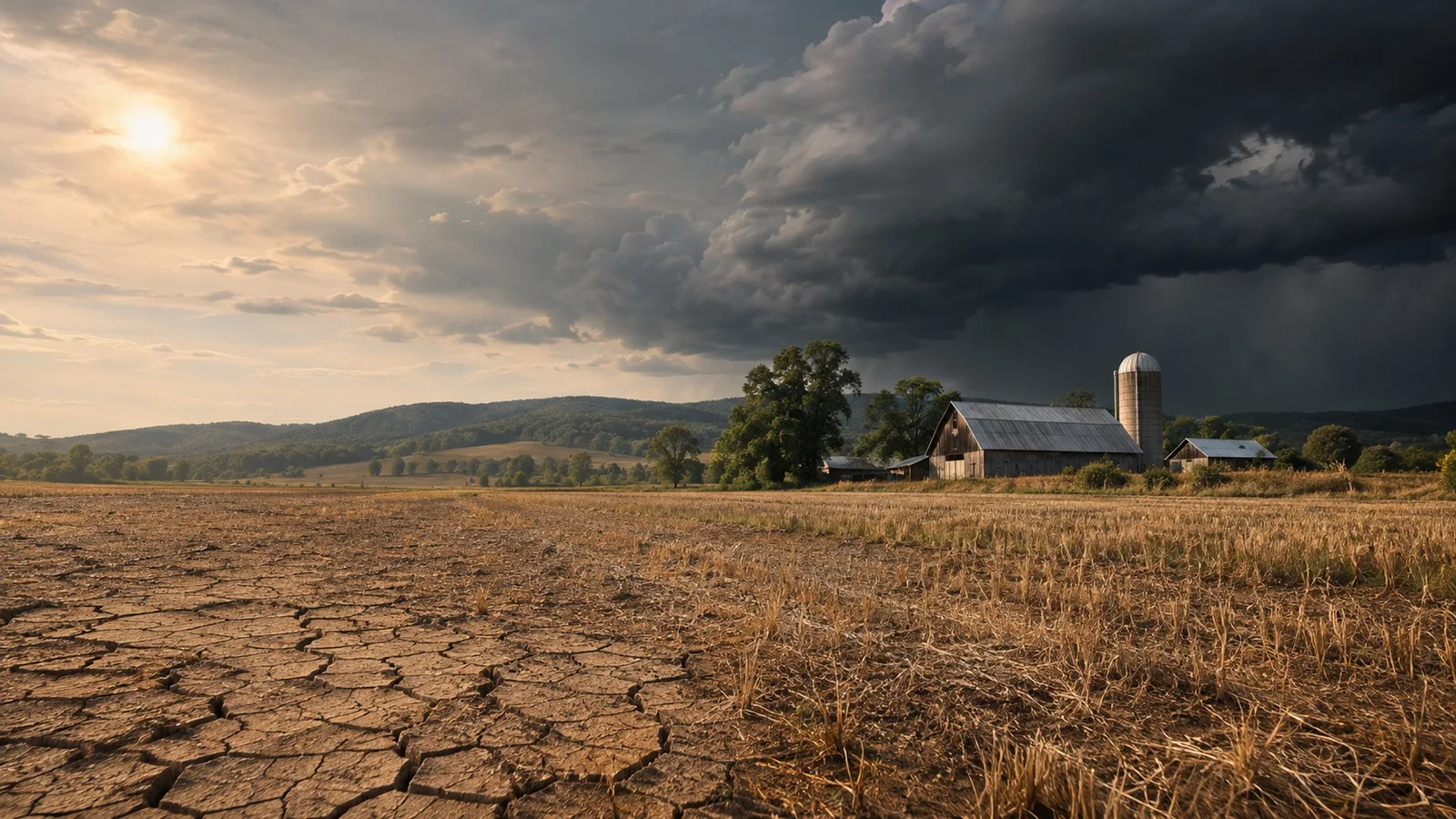
We often picture a disaster as a sudden event: an earthquake, a tornado, a fire. But many crises build slowly: a drought, a rapid rise in prices, a medication shortage, a spreading epidemic, a flood that rises day after day. The two types call for different preparation, and slow crises are often the ones we notice too late.
In short
In short. Sudden disasters require reflexes and a ready kit: you only have minutes. Slow-onset crises require monitoring, rotating supplies and timely decisions: you have weeks, but tend to wait. Good preparedness covers both.
Comparing the two
| Sudden disaster | Slow-onset crisis | |
|---|---|---|
| Examples | Earthquake, tornado, fire, industrial accident, ice storm | Drought, inflation, shortage, epidemic, spring flooding |
| Warning time | Minutes or hours | Days, weeks, months |
| What matters | Reflexes, ready kit, evacuation plan | Monitoring, supplies, budget, adaptation |
| Main trap | Being caught off guard | Getting used to it and reacting too late |
Preparing for sudden disasters
- Go-bag and 72-hour kit ready.
- Family plan: meeting points, contacts, roles.
- Alerts turned on and an emergency radio.
- Drills: night-time evacuation, shutting off gas and water.
Preparing for slow-onset crises
- Watch the signals: water levels, public health notices, stock-outs, rising prices.
- Build rotating supplies: food, medication, hygiene products, bought gradually.
- Strengthen the budget: savings cushion, adjustable spending.
- Set thresholds: “if the water reaches this mark, we move things out of the basement”, “if a shortage is announced, we refill the prescription”.
- Maintain your network: neighbours, family, mutual aid group.
The trap of slow crises is normalcy bias: we get used to a worsening situation. Thresholds decided in advance help you act in time.
When a slow crisis triggers a sudden one
The two types often combine: a long drought raises wildfire risk; lasting heat strains the power grid; a slow flood ends up forcing a rapid evacuation. Planning for both also means planning for these chains.
Key points
- SuddenReflexes, ready kit, evacuation plan.
- SlowMonitoring, rotating supplies, pre-set thresholds.
- BothPlan for one crisis leading to another.
Sources
- Government of Quebec, hazards and disasters: knowing your region’s risks.
- Public Safety Canada, Get Prepared.
Go further: the 4 phases of emergency management and our risk management method.