
In this article
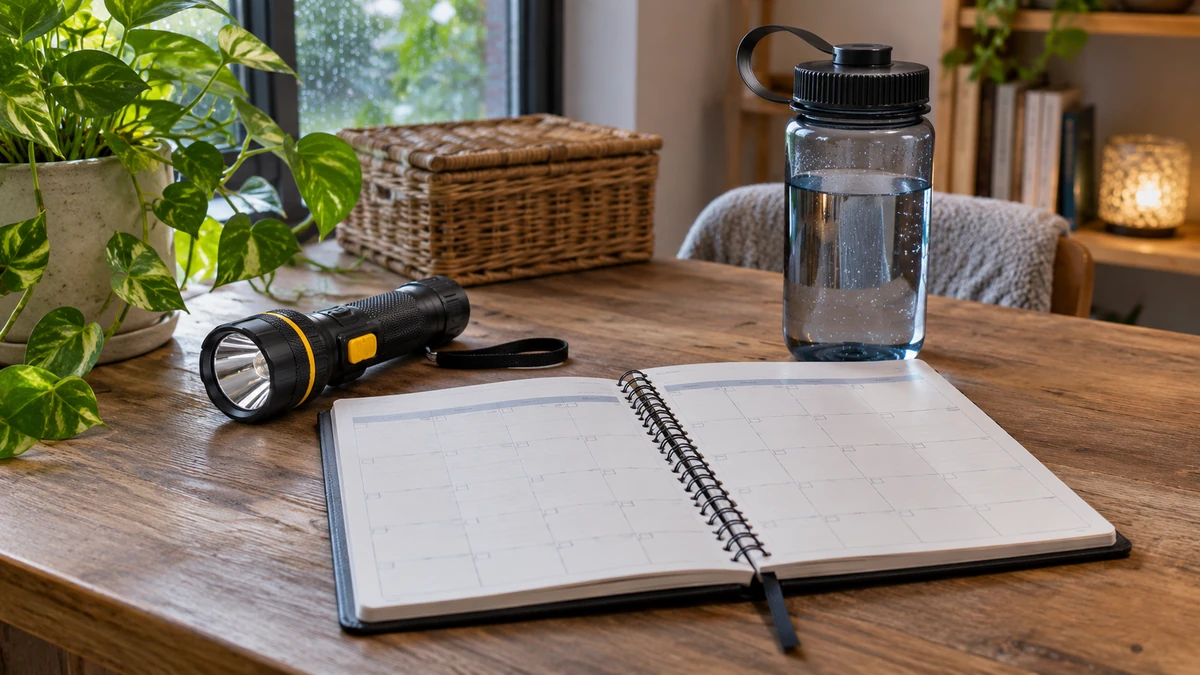
A preparedness planner is more than a diary: it tracks tasks, inventories and goals throughout the year. It does not eliminate unexpected events, but makes checks, decisions and unresolved needs visible. An ordinary notebook, binder or digital tool can serve this purpose if the people involved know where to find it and how to update it.
Personal and community preparedness relies on regular, gradual actions. Without an organizational system, essential checks—replacing batteries, rotating supplies and updating inventories—are easily forgotten. This article presents practical methods for structuring preparations with a digital, printable or paper planner.
Planning recurring tasks
At the start of the year, list important tasks not to miss. Entering them in the planner with a date or target period turns them into active reminders rather than vague intentions.
Examples of tasks to schedule:
- Check batteries in preparedness equipment.
- Test smoke and carbon monoxide alarms, check power supplies and replace batteries or devices according to the instructions and applicable requirements. Sealed-battery models are not managed like models with replaceable batteries.
- Rotate pantry food.
- Order consumables that need replacement, such as air and water filters.
- Organize seasonal inventories in spring and autumn.
Spreading three or four preparedness or maintenance tasks per month throughout the year makes them easier to accommodate than an occasional intensive session.
Clock changes can provide an additional reminder to review alarms and household contact details. They do not replace the testing frequency in the instructions. In the calendar, distinguish “test,” “replace a battery if necessary” and “replace an end-of-life device”: these are different actions.
Keeping monthly notes
Monthly planner notes record successes, necessary adjustments and completed tasks. They provide a reference for assessing decisions and refining priorities for the following months.
Two types of notes are particularly useful:
Gardening and production
Planting dates, results for each crop and processes to improve next season. These notes help refine practices from year to year.
Promotions and purchases
Identify seasonal price patterns to plan reserve purchases at advantageous times and make the most of the available budget.
Master lists
Master lists gather tasks and purchases to complete later, postponed because of time or budget constraints. Kept at the back of the planner or in a dedicated section, they prevent useful ideas from being lost.
Three main categories provide a useful structure:
- Food: items to add to reserves, products to try and recipes using stored supplies.
- Equipment: items to acquire, inspect or replace.
- Other tasks: training, reading and changes to the home to plan.
These lists act as an organizational safety net: nothing is lost, and everything can be consulted when prioritizing the next actions.
Seasonal inventories
Inventorying food reserves is an important part of preparedness. Two annual opportunities are particularly useful:
Spring inventory
Check home-canned foods, dehydrated foods and root vegetables stored over winter. Plan meals to use products approaching their storage limits before replacing them.
Autumn inventory
Organize summer preserves and check dates on commercial dry and canned foods. Plan meals to reduce waste before winter.
These inventories keep supplies usable and matched to actual household needs, while identifying gaps promptly.
Long-term organization
Keeping planners from year to year creates a valuable documentary resource. After several years, you can retrieve precise information about past events, compare seasonal results, identify repeated mistakes and assess progress.
A preparedness planner becomes more valuable over time: every documented year expands the reference available for future decisions.
For a paper planner, items such as gel pens or index stickers may make sections easier to identify visually, without being essential to the system.
PRODUCT REFERENCES TO CHECK
Pens for annotating a planner
Pack sizes and colours differ. Choose according to your needs; no purchase is required.
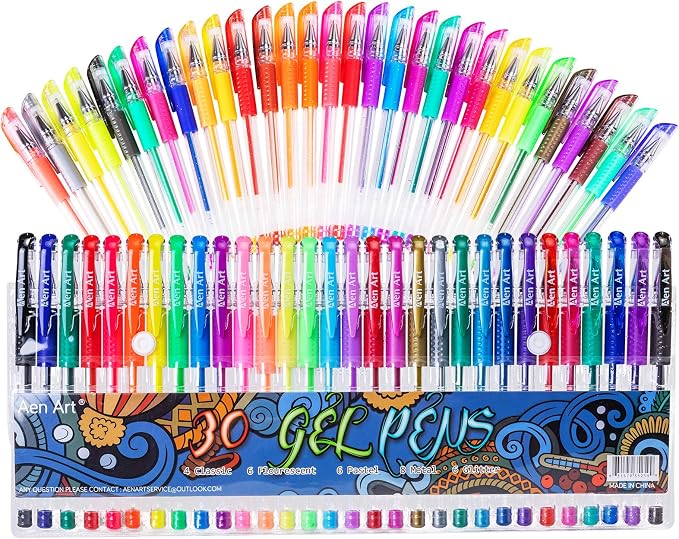
Stylos gel 30 couleurs, ensemble de marqueurs gel, stylos colorés avec 40 % d'encre en plus pour livres de coloriage pour adultes, dessin, gribouillage, artisanat, albums de découpures, bullet journal
View on Amazon.ca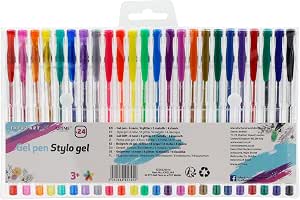
EXERZ Lot De 24 Stylos Gel Couleur Arc-En-Ciel Arts Et Artisanat - Stylos À Bille À Encre Fine, Couleurs Vives, Fluides, Paillettes, Néon, Métalliques Et Classiques.
View on Amazon.frPRODUCT REFERENCES TO CHECK
Planner stickers
Different brands and pack sizes for the same organizational task.
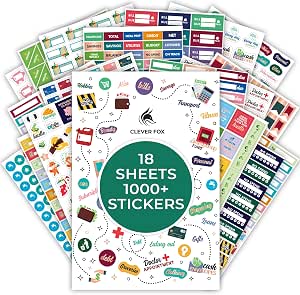
Autocollants budgétaires de Clever Fox - Ensemble de 18 feuilles de plus de 1030 autocollants de planificateur budgétaire uniques pour votre planificateur mensuel, hebdomadaire et quotidien
View on Amazon.ca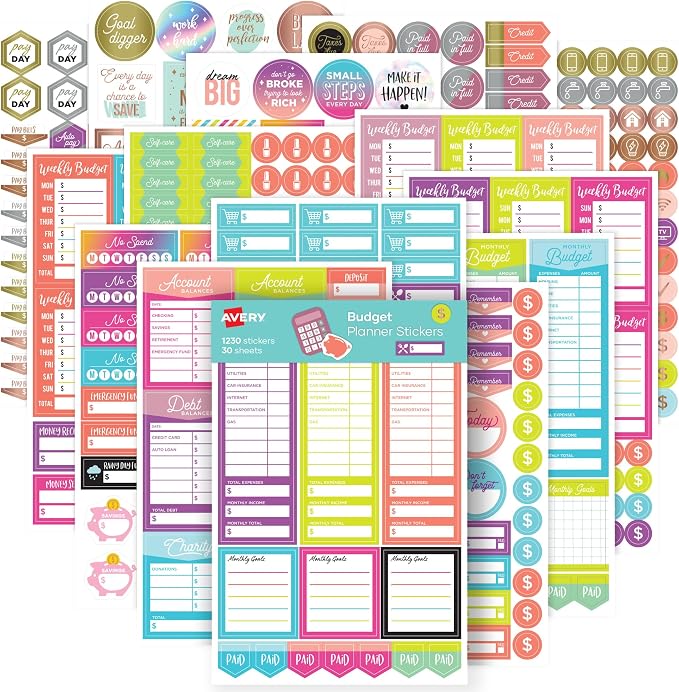
Avery Lot de 30 feuilles d'autocollants pour planificateur budgétaire, 30 feuilles d'autocollants pour planificateur financier, journal ou calendrier (6788)
View on Amazon.frA dedicated preparedness planner
Although any general diary can serve this purpose, a dedicated preparedness planner includes useful sections from the outset: supply tracking, maintenance tasks, master lists and seasonal notes.
The historical article presented a printable quarterly planner and announced future bound versions. This offer cannot be presented as an available PrépaCivile download until the original file, access and terms have been verified. No PDF has been recreated to fill a missing link. Begin with the same sections in an existing diary: dates, recurring tasks, master lists, stock movements and seasonal notes.
Preparedness planner — printable version
Quarterly structure described in the source: tracking tasks, inventories and preparedness goals. If an original edition is offered again, check its year, included pages and usage rights. An old version may illustrate organization without becoming an updated edition or a new publication.
Availability, any price and terms remain to be confirmed for the original edition concerned. No price or future launch is guaranteed here. A paid tool is not essential to apply the methods in this article.
Frequently asked questions
What type of planner is best for preparedness?
An annual or quarterly paper planner remains the most accessible option. It allows quick access to notes without depending on a battery or electronic device, consistent with prolonged disruption scenarios. Digital applications such as Notion or Google Keep can complement data backups, provided they are not the only option.
How much time should planner management take each week?
Weekly tracking for 10–15 minutes and a monthly review of about 30 minutes can provide a starting point, not a duration demonstrated to be sufficient for every household. Adapt the routine to occupants, supplies and assistance needs. What matters is recording changes, checking upcoming dates and choosing a realistic number of tasks; a shorter but regular session may be preferable to a major update with no follow-through.
How can I include a food inventory without making it tedious?
One approach is to reserve two full inventories for spring and autumn, then record incoming and outgoing items throughout the weeks. An “in/out” chart reduces repeated data entry. However, opened products, approaching dates, storage conditions and changes in circumstances require earlier checks. A six-month reminder does not justify waiting six months to inspect a damaged product or supplies already consumed.
Do gardening notes really belong in a preparedness planner?
Yes, particularly in Quebec, where growing seasons are short and variable. Recording the last frost dates, successful varieties, pests encountered and yields by garden area can substantially improve practices from one season to the next. This local information is difficult to find elsewhere.
Does a digital planner have advantages over paper?
Digital formats make archive searches, duplicating templates between years and household sharing easier. However, they are vulnerable to device failure or a prolonged outage. Combining digital everyday management with printed critical information provides a balanced approach.
Food supplies
Rotating food supplies
A practical method to reduce waste and maintain usable reserves.
Inventory
Preparedness inventory
How to inventory supplies and equipment to identify gaps.
Food
Building an emergency pantry
The basics of building food reserves suited to common emergencies in Quebec.