
In this article
Body armour is specialised equipment, rather than a universal household preparedness priority. Before considering a purchase, define the actual risk, understand the exact model’s testing and assess the constraints of wearing it. Neither a commercial claim nor a tactical appearance establishes ballistic protection.
Distinguish different products
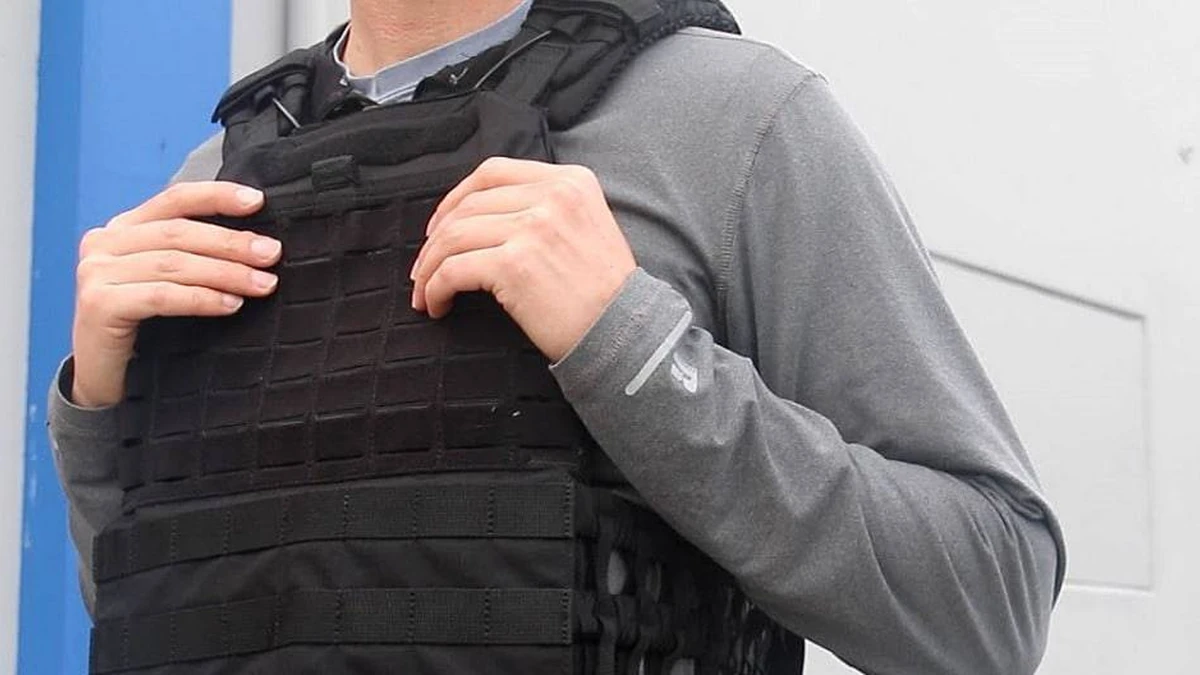
An airsoft vest, a plate carrier and ballistic protection tested do not designate the same object. The first may not protect from any ammunition; the second is only a support if it does not include the necessary elements. The previous article included airsoft products: they are not used as ballistic protection solutions in this adaptation.
Understand what testing covers
The National Institute of Justice distinguishes ballistic resistance tests from those concerning bladed weapons. A tested protection against a given threat does not stop all threats. Check the manufacturer, exact reference, size, associated items and the relevant official compliance list. The name of a standard in an advertisement is not sufficient to establish that a model is on that list.
Understand the limits of wearing armour
Coverage is partial. Weight, heat and restricted movement can affect mobility and the ability to help someone. Poor fit or damage means the equipment may no longer match its tested conditions. Follow storage, maintenance and replacement instructions. Never test a product by firing at or striking it while someone is wearing it.
Check applicable requirements
The conditions of possession, acquisition, transport and wearing differ according to the territories. An old statement about all of Canada does not resolve your present situation. Consult the appropriate authorities for your location and travel before ordering. This article does not provide an individual legal conclusion and does not recommend any ballistic protection vendor.
Return to civilian priorities
Avoiding a dangerous area, following instructions, keeping an exit available and calling for help are the first options. A vest does not make a civilian intervention safe and does not replace an evacuation. For an identified professional need, be accompanied by the prevention manager and a competent specialist. For the home, first check the communication plan, the departure arrangements and the first aid kit: these functions serve in many more ordinary disruptions.
Technical source: NIJ , Standards and Conformity Testing.