
In this article
A disagreement in a car park, an argument in a queue or an agitated neighbour calls for a different approach from a military confrontation. The aim is to regain safety with as little exposure as possible. Carrying equipment does not make the situation predictable or create an obligation to intervene.
Identify ways to leave
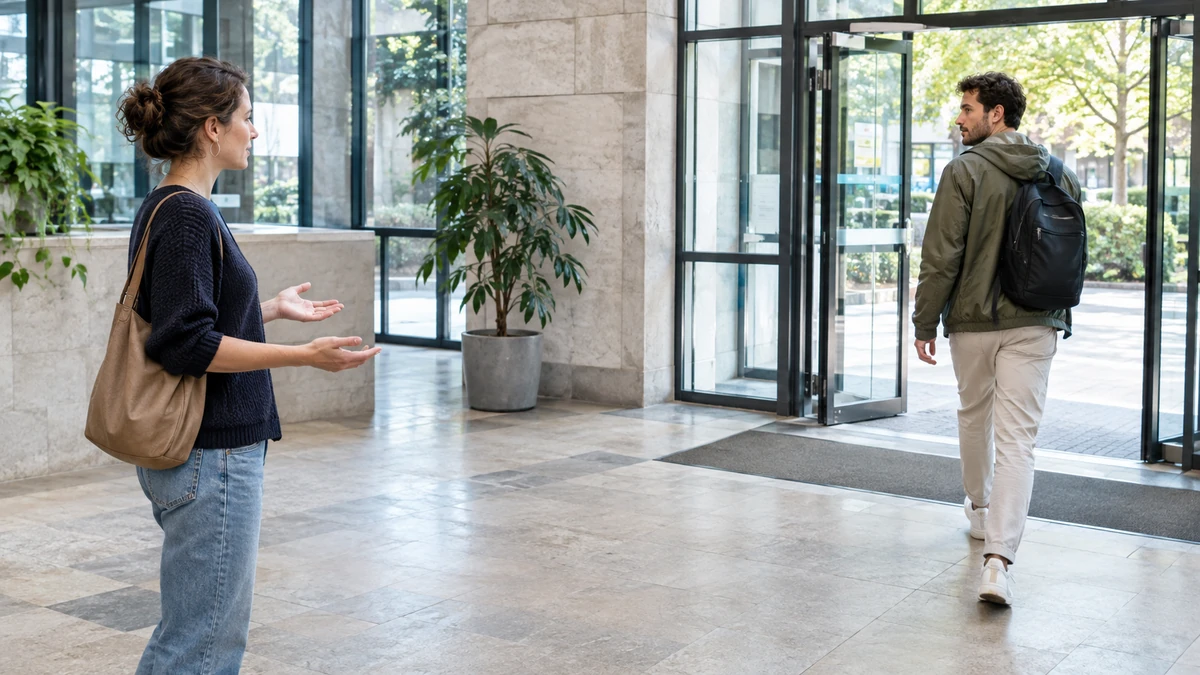
Before answering, identify where you can move away without trapping yourself: accessible exit, open business, present staff. Keep a distance and avoid blocking the other person’s passage. Giving up the need to have the last word can protect more than a well-worded argument. If you are accompanied, give a simple instruction to go together and reach a known place.
Speak without escalating tension
A calm voice, short sentences and a concrete request are easier to understand than long reasoning. You can recognize frustration without accepting a threat: “I hear you. I am going to step away.” Do not promise a result you don’t control. Avoid insults, challenges and sudden gestures. These means do not guarantee de-escalation; if the threat increases, seek a way out rather than continuing the discussion.
Plan how to get help
Ask clearly for the help of an identified person or employee. In immediate danger, contact emergency services as soon as it can be done safely. First, give your location and the observable facts. Distinguish what you see from what you assume. Filming or staying to observe can keep you unnecessarily close to danger.
Do not treat equipment as a universal solution
The rules on the carrying, possession and use of defense items vary depending on location and circumstances. This article does not determine what would be legal in a particular intervention. Check the applicable rules with an official source and choose qualified training. An item presented as “non-lethal” can cause serious injury; no purchase replaces an opportunity to leave.
Practise a realistic departure
With your family, identify an exit in a place you often visit, agree on a phrase that means it is time to leave, and decide how to meet if separated. Practise communication without physical confrontation or involving strangers. After an incident, record useful facts, seek support if needed and review your route or arrangements. Preparation should reduce exposure, rather than create opportunities to test your abilities.