
In this article
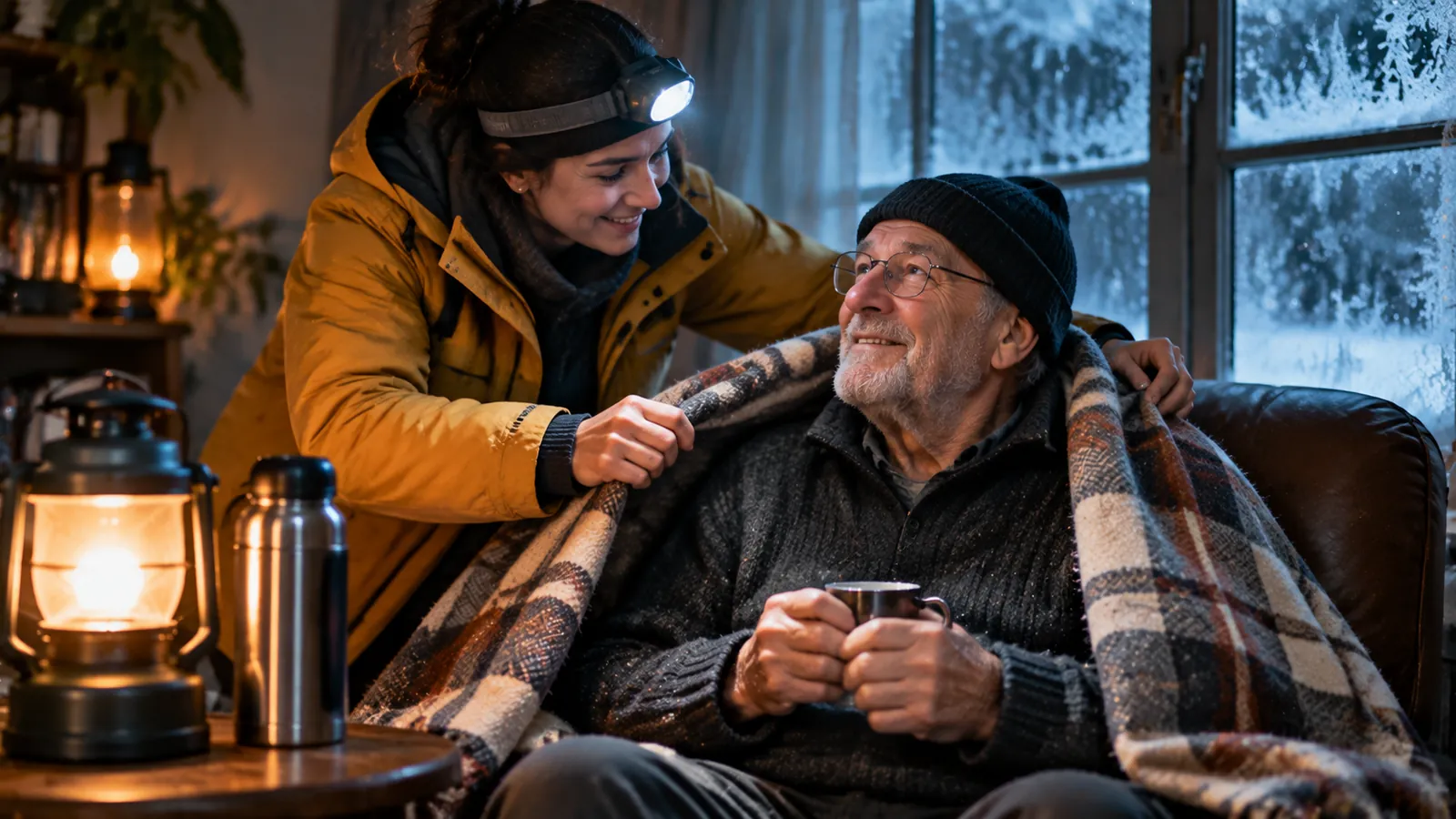
- Hypothermia means the body’s core temperature has dropped below 35 °C (95 °F). No need for the Far North: an unheated house or wet clothes are enough.
- The first and most useful sign is shivering at rest. As long as someone is shivering, their body can still rewarm, with a little help.
- When shivering weakens or stops without the person having warmed up, it is a bad sign: call for help.
- Rewarming means first insulating (dry, covered, off the ground), then feeding if the person is fully alert, then adding outside heat to the trunk.
- Alcohol speeds up hypothermia. It never has a place in rewarming.
01What is hypothermia?
“Hypo” means low, “thermia” refers to heat: hypothermia is a body that is too cold. It is not to be confused with hyperthermia, which is overheating. We speak of hypothermia when the temperature of the body’s core (heart, lungs, brain) falls below 35 °C (95 °F).
The body knows how to cope with cold. Its strategy is simple: keep the centre warm, even if the extremities get cold. It narrows the blood vessels in the hands and feet, then gradually slows down non-vital functions. It is an effective way to buy time, but if nothing changes, this slowdown eventually reaches the heart. Hypothermia rarely kills directly: death usually comes from cardiac arrest or drowning. The key is to spot it early, because in the field, options are limited once it is advanced.
02Slow or sudden: two ways to get there
| Slow hypothermia | Sudden hypothermia | |
|---|---|---|
| Speed | Hours, days, sometimes weeks | A few minutes to an hour |
| Typical situations | Older person in a poorly heated home, winter power outage, homeless person, wet and tired hiker | Fall into cold water, going through the ice, capsizing |
| What happens | The body wears out and its chemical balance gradually breaks down | The cold wins too fast for the chemical balance to break down much |
| The trap | It sets in quietly, and confusion keeps the person from noticing | People underestimate how much time they have to act in the water, then overestimate their strength |
The two often combine. An ice fisher or a boater cools slowly for hours; their coordination drops, they fall into the water, and sudden hypothermia takes over.
03Stages and signs
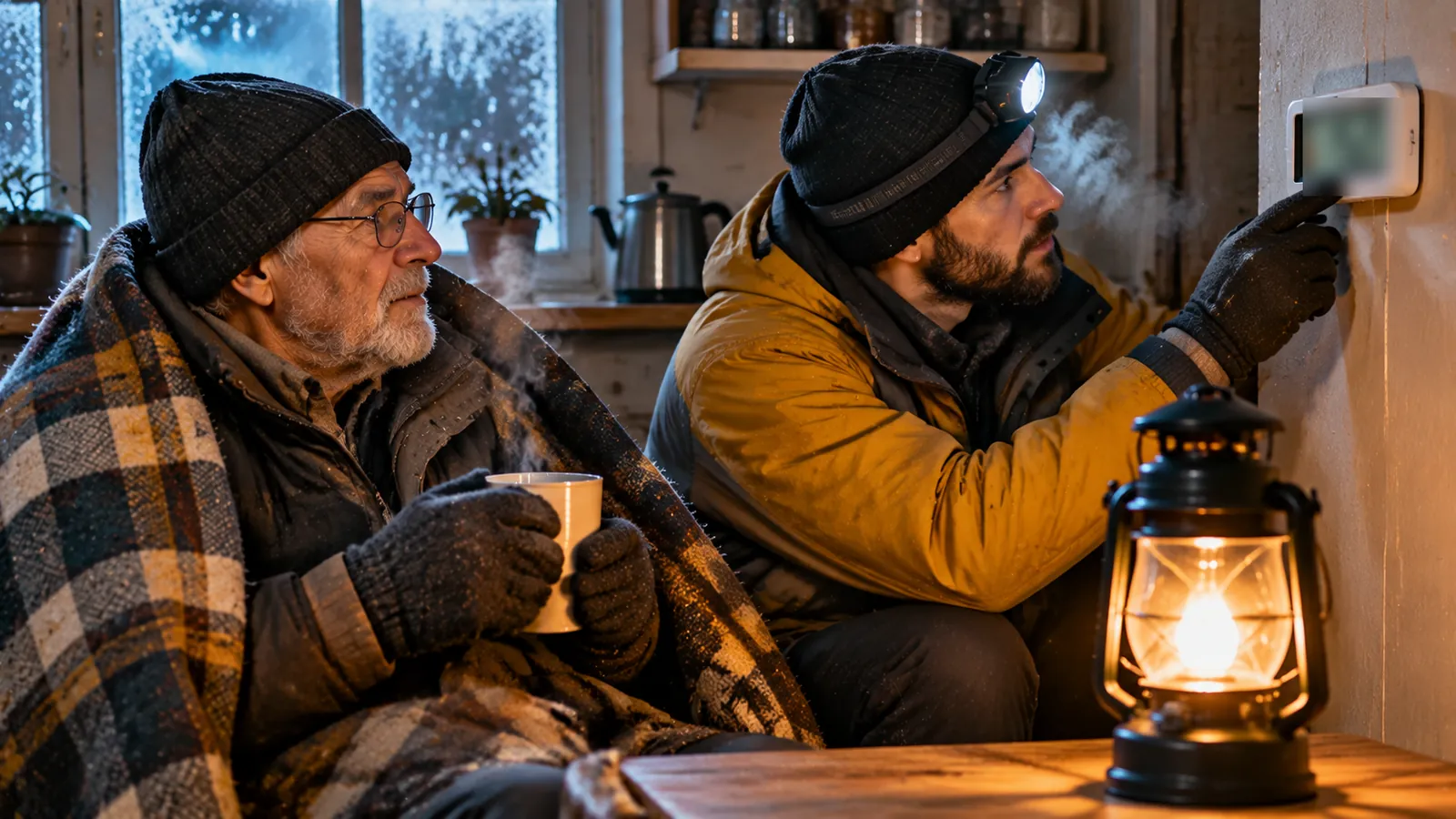
Core temperature is hard to measure in the field: a thermometer under the tongue or in the ear often underestimates a very cold body. First aiders therefore rely mostly on what they see: is the person shivering? Are they alert? Are they speaking normally?
One misleading sign is worth knowing: a person with hypothermia often insists they are fine. The cold first affects the brain’s finest functions, judgment and reasoning. They then make poor decisions, stumble, get hurt. Do not rely on what they say, but on what you see.
04Shivering at rest, the signal to watch for
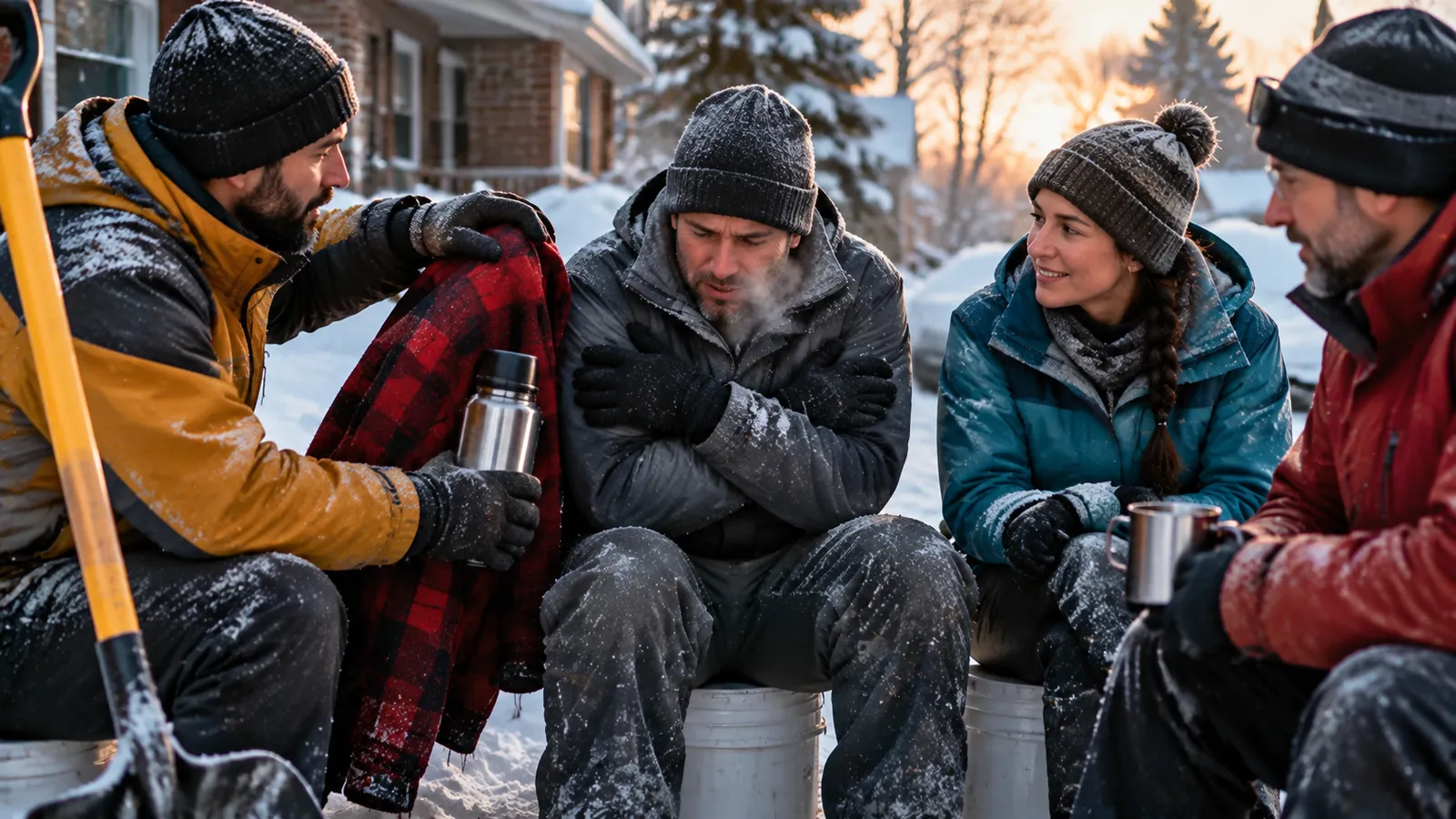
Shivering is the muscles contracting on their own to produce heat. It is like running a marathon on the spot. It is the body’s first line of defence, and it is actually good news: a person who is shivering can still rewarm.
But shivering costs a lot of energy. If it goes on, the body eventually runs out of fuel and the shivering stops, not because the person has warmed up, but because they have nothing left to power it. That is the moment hypothermia tips over.
05Rewarming someone, step by step
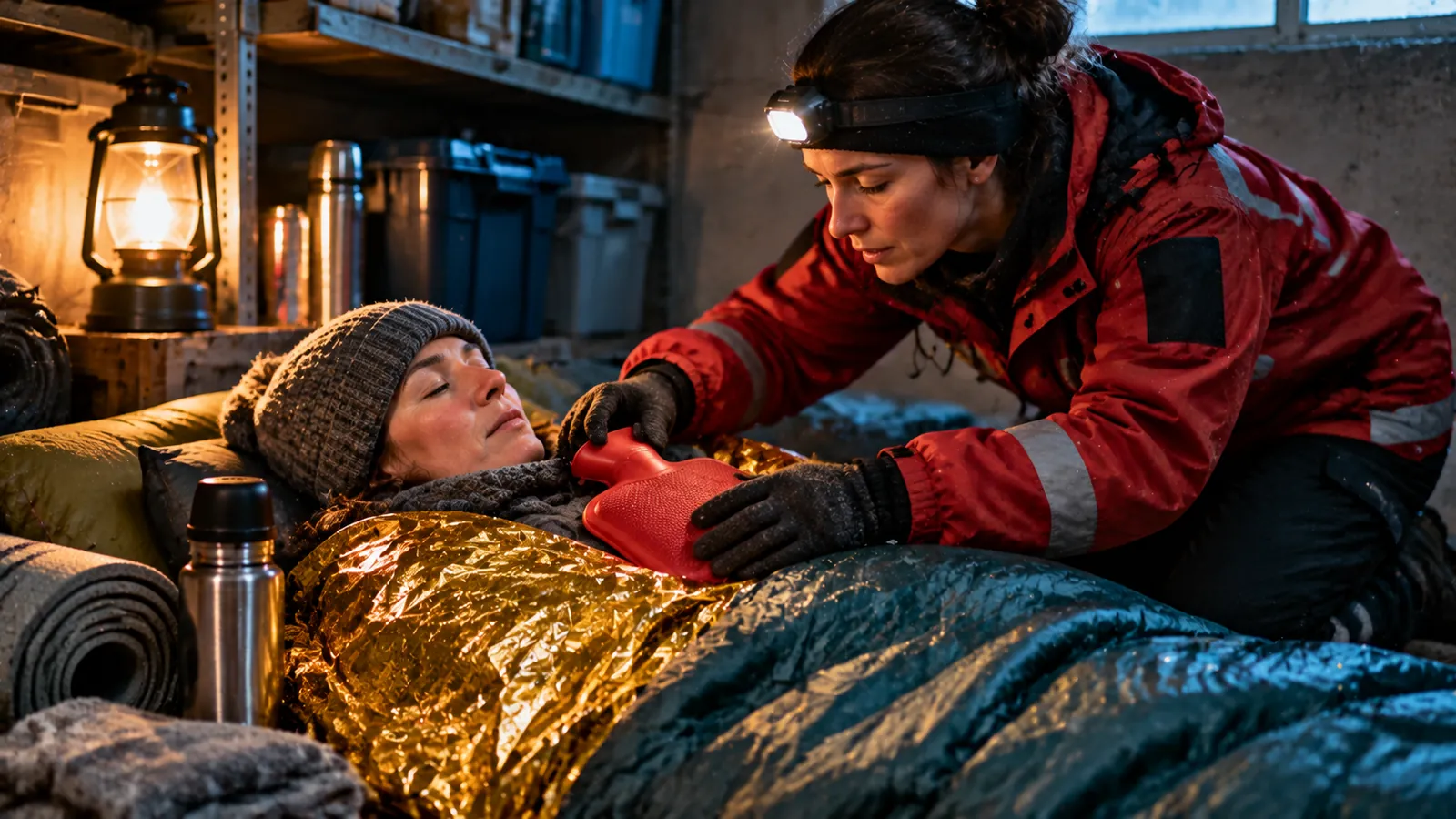
The principle is the same as keeping your own temperature (guide 3): you pull the three levers, insulating, producing and receiving heat, in that order. What changes is the care needed as hypothermia gets worse.
| Do | Avoid |
|---|---|
| Handle gently, keep the person flat if drowsy | Making them walk or move about if they are confused |
| Warm the trunk first (chest, armpits, back) | Rubbing or massaging the arms and legs |
| Wrap hot-water bottles and hand warmers in cloth | Putting a heat source directly on the skin: risk of burns on numb skin |
| A warm, sweet drink if fully alert | Giving drinks to a drowsy person, or giving alcohol |
| Sharing body heat under one blanket if nothing else is available | A very hot bath or scalding shower for moderate or severe hypothermia |
06The rewarming after-effect
To protect the heart, the body let the blood in the arms and legs cool down. When the person is rewarmed or moved roughly, that cold blood returns to the centre. Core temperature can then drop a little further before rising. First aiders call this the “afterdrop”.
In mild hypothermia, this is usually not a problem. In severe hypothermia, the afterdrop can disturb the heart’s rhythm. That is why you handle the person gently, warm the trunk before the limbs, and why severe hypothermia is rewarmed in hospital, with techniques that act directly on the body’s core.
07Falling into cold water: the 1-10-1 rule
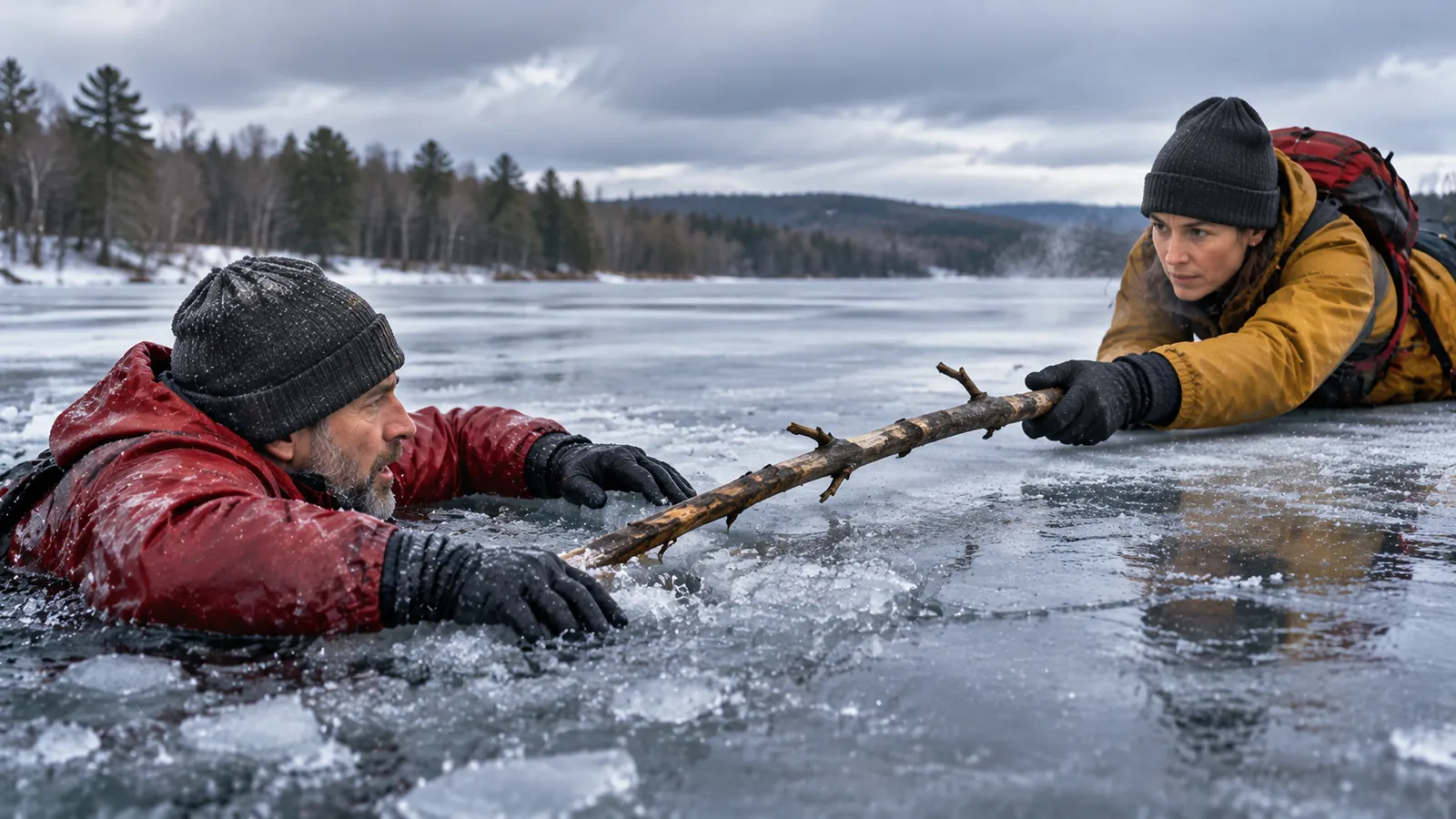
When you fall into cold water, through spring ice or from a kayak in the fall, hypothermia is not the first threat. Canadian cold-water experts sum up the first stages with the 1-10-1 rule.
08Alcohol and other traps
Alcohol widens the small blood vessels in the skin. You feel warm, but warm blood flows to the extremities and the body cools faster. It also dulls judgment and shivering. For rewarming someone, it is always ruled out.
| Trap | Why it is dangerous |
|---|---|
| Alcohol, drugs, sleeping pills | They mask the cold, stop shivering and lead people to stay outside or fall asleep anywhere |
| Damp clothing | Water conducts heat about 25 times better than air: sweat or melted snow is enough to chill you |
| Fatigue and hunger | The body has no fuel left to shiver |
| Wind | It carries away the warm air around the body and multiplies losses |
| Age and health | Older people feel the cold less; babies lose heat very fast; some illnesses and medications weaken defences |
09Your tools
Someone is cold: what should I do?
Answer a few questions about the person. The tool shows the likely stage and the steps to take, in order.
Educational tool, it does not replace first aid training. If in doubt, call for help.
Checking on someone during a winter outage
A list to keep handy when you drop in on an older person, a neighbour living alone or a family with a baby.
10Useful equipment
Something to insulate a person from the cold and the ground, keep them dry and give them a little warmth, at home, in the car or in a bag.
11Key takeaways
- Hypothermia starts below 35 °C (95 °F) and also sets in inside a cold house, not just outdoors.
- Shivering at rest is the signal to watch for; shivering that stops without rewarming is an emergency signal.
- Insulate, feed if the person is fully alert, warm the trunk: in that order, gently.
- In cold water: 1 minute to get your breath back, 10 minutes of useful movement, about 1 hour before unconsciousness.
- No alcohol, neither to protect yourself from the cold nor to rewarm.
Sources and inspiration. This guide is inspired by the “Hypothermia” section by Robert B. Kauffman (Frostburg State University, 2015), which draws in particular on the scale of signs by G. Fear and J. Mitchell, Fundamentals of Outdoor Enjoyment (National Search and Rescue, 1977). First aid steps follow current recommendations from first aid organizations (Red Cross, St. John Ambulance); the 1-10-1 rule comes from the work of Canadian physiologist Gordon Giesbrecht. The text, examples, figures and tools are original and adapted to Quebec and France by PrépaCivile. This guide does not replace first aid training.