
In this article
- What types of damage and risk should be distinguished between species?
- Wolves: behaviour and diet
- Bears: behaviour and diet
- Cougars: behaviour and diet
- Deer: behaviour and diet
- Moose: behaviour and diet
- Raccoons: behaviour and diet
- Skunks: behaviour and diet
- Rats and mice: behaviour and diet
- Snakes: distinguishing Quebec from other regions
- Observe from a distance
- Local and health references
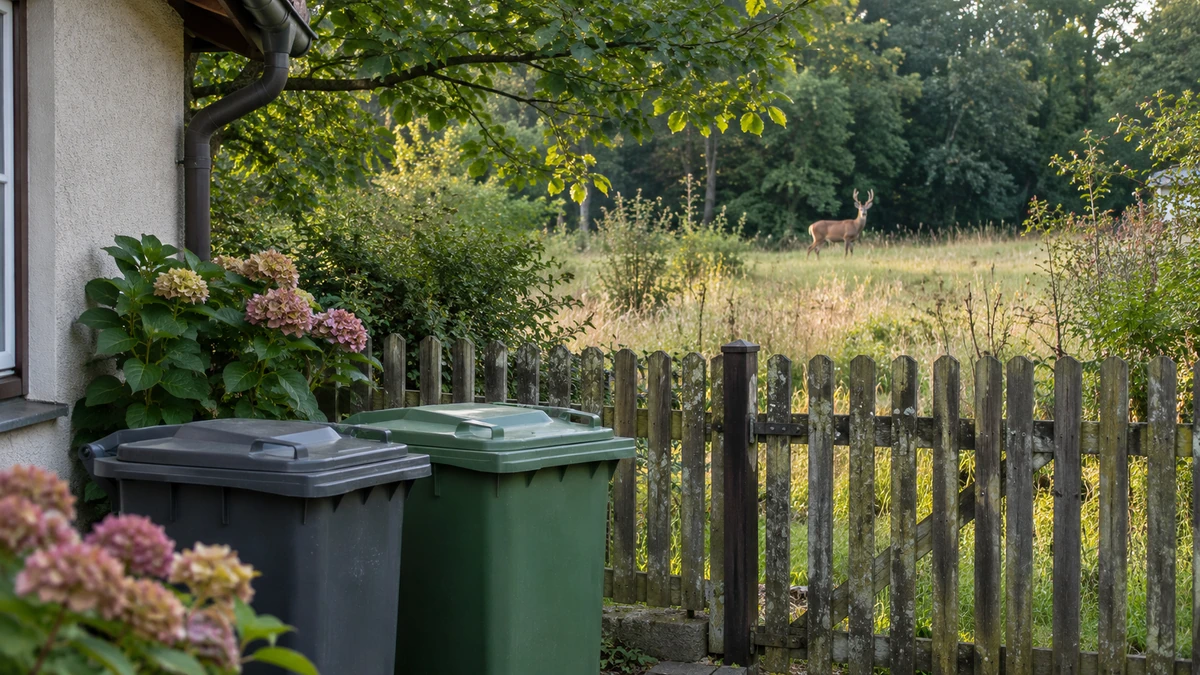
Wild animals may visit properties in cities or the countryside without constituting a constant invasion. Gardens, garbage, feeders or the space beneath a deck can provide food and shelter. Understanding what attracts them helps prevent conflict and protect domestic animals while respecting wildlife and applicable rules.
Coexistence does not mean “marking your territory” like an animal. It mainly involves keeping a distance, reducing accessible food, appropriately protecting crops and livestock, and closing access points at the right time. Before sealing an opening, make sure no animal or young will be trapped inside.
The nine groups covered in the source are retained: wolves, bears, cougars, deer, moose, raccoons, skunks, small rodents and snakes. Their presence and significance vary considerably by location. This overview is neither a personal account of encounters nor a list of animals common in every Quebec backyard. Local identification remains necessary.
Before reading the species profiles, distinguish three issues: damage to crops or buildings, risks to domestic animals, and direct danger to people. A species that can cause damage is not necessarily aggressive towards humans.
Wild animals often avoid people, but behaviour varies. Saying they never attack unless threatened or hungry would offer a misleading guarantee. Keeping a distance, not feeding them and not trying to touch them or make them pose for a photograph reduces unnecessary close contact.
Food, shelter or a route through an area may explain an animal's presence. Hunger is not the only reason, and species have different needs. Proximity to people or pets may create risk without every sighting being an emergency. Removing attractants and seeking advice about concerning behaviour allows action without confrontation.
The safest approach for you and the animals is to keep your distance and observe them from afar.
What types of damage and risk should be distinguished between species?
The table gives examples of possible situations, without quantifying their frequency or predicting an attack. The species' actual presence, livestock practices and local conditions must be checked.
| Species | Possible hazards |
| Wolves | Killing and eating livestock, with possible injury to people. |
| Bears | Eating crops, killing and eating livestock, with possible injury to people. |
| Cougars / pumas | Killing and eating livestock, with possible injury to people. |
| Deer | Eating crops and some flowers. |
| Moose | Trampling crops, with possible injury to people. |
| Raccoons | Eating crops and potentially harming people, including through rabies and other diseases. |
| Skunks | Irritating defensive spray, possible bites and disease-transmission risks depending on circumstances. Skunks do not sting. |
| Snakes: identify the species present locally | Risks depend on the species and location. Quebec's native snakes should not be portrayed as snakes with venomous fangs. |
The table does not cover all wildlife or rank the species most common in each region. References to brown bears or venomous snakes concern, among other places, areas outside most Quebec settings discussed here. Consult local official species information and identify the damage before choosing a response.
Wolves: behaviour and diet
Wolves may be attracted to accessible livestock, but an uncertain track does not establish that wolves are present near a home. Livestock losses can have several causes. Appropriate protection, carcass and feed management, and specialist advice help reduce conflict. The idea that a pack will necessarily keep returning until it migrates is not a reliable rule.
Wolves generally avoid humans, but their behaviour cannot be guaranteed. Do not approach, feed or follow an animal to establish its intentions. Habituation or abnormal behaviour should be reported to the relevant authorities. Recommendations may vary by location. Focus on prevention rather than trying to defend territory against the animal.
A close encounter with a large carnivore must be taken seriously, even if the animal is alone. Hunger cannot reliably be assessed at a distance and does not by itself predict an attack. Keep children and pets close, follow local instructions and report threatening behaviour without putting yourself at risk to observe it.
Firing warning shots or opening fire to frighten an animal is not prevention advice to give readers. It endangers people and property and is subject to specific rules. If there is immediate danger, get to safety and contact the appropriate services. For repeated visits, have attractants and livestock protection assessed by a suitable professional or service.
An animal that regularly finds food may return. The response is to correct access conditions, not to risk your life to make it give up. Avoid improvised pursuit or confrontation, which may worsen the situation without addressing accessible food.
Fencing suited to the species and livestock may help prevent problems; height alone is not sufficient. Design, maintenance, access at ground level and local requirements also matter. Seek specialist advice about predation or persistent visits rather than choosing a barrier on the basis of a universal promise.
Bears: behaviour and diet
Bear diets vary by species, season and available resources. Fruit, compost, garbage, pet food and sometimes livestock may attract them. The presence of livestock does not establish that a bear is likely to kill it. In Quebec, local guidance particularly concerns black bears. Do not generalize a percentage of plant food or brown-bear behaviour to every encounter.
A bear may be attracted by easily available food or react defensively; its intentions cannot be reduced to hunger. Do not approach to frighten it, or assume it will be easier to drive away than a wolf. If bears visit, remove attractants when no bear is present and follow local response instructions.
A female with young calls for especially cautious distancing. Do not get between them or approach to take photographs. A reaction cannot be predicted from a supposed “slightest suspicion.” If you see young bears, first look for a safe way out of the situation instead of assuming their mother is absent. Encounter advice depends on the circumstances and species.
Cougars: behaviour and diet
A cougar is a predator that may target domestic animals, but should not be portrayed as common in every Quebec backyard. The government species profile states that scientific evidence has not established a viable breeding population in the province. Elsewhere in North America, recommendations must reflect the species' local presence and confirmed reports.
If you encounter a cougar, do not run or approach it. Parks Canada guidance includes facing the animal, backing away slowly and keeping small children close. Do not crouch or play dead. Further action may be required if the animal approaches. Warning shots are not proposed here as a deterrent method. Consult guidance for the area and report the encounter.
Do not approach an adult with young or try to inspect a hiding place. There is no need to describe this as a guaranteed worst-case scenario: behaviour cannot be predicted from that detail alone. Move people and pets away safely and contact the appropriate service to report a concerning situation.
Deer: behaviour and diet
Deer often avoid people, but an animal that is cornered, accustomed to being fed or in its breeding season may present a risk. Do not assume that running away will always be its first response. Observe from a distance, leave an escape route and do not touch young deer. Road collisions are a separate hazard to consider.
Deer may eat shoots, flowers, shrubs and crops. Choose fencing or plant protection according to the site and rules, rather than relying on a universal height. Repellents also have limitations and must be authorized for their intended use. Feeding animals to divert them from a garden may attract them instead and is not a solution to improvise.
Moose: behaviour and diet
Moose may browse vegetation and damage plantings as they move. Their size and strength justify keeping a distance, without a blanket comparison with every bear species or a judgement about intelligence. Do not try to push a moose away on foot, block its path or touch it, even if it seems calm.
Breeding season, young nearby, stress or excessive proximity may change a moose's response. Calm behaviour does not guarantee safety. Leave space and a clear route, keep dogs under control and get to shelter if the situation becomes threatening. Seek advice about a problematic visit rather than chasing the animal away.
Raccoons: behaviour and diet
Raccoons may find resources in garbage, fruit, animal feed and buildings. An animal accustomed to people may approach, but a sighting alone does not prove fearlessness or disease. Never hand-feed them. Secure containers, remove accessible food and protect chicken coops when the animal is absent.
Some raccoons carry rabies, making them potentially dangerous to people. They can also endanger chickens.
Skunks: behaviour and diet
Skunks may be more interested in small food sources in the garden than in crops. Their diet includes earthworms, larvae, small snakes and lizards, rodents, birds and eggs.
They also seek shelter. Skunks are burrowing animals, but may settle into a suitable existing space, such as the crawl space beneath a porch.
Keeping a distance and managing access help limit encounters with skunks. Do not corner one or use a dog to drive it away. Before closing a space beneath a deck, make sure no animal or young will be trapped inside. Capture and relocation are regulated, including local disease-control restrictions. Consult current instructions rather than transporting the animal elsewhere.
Rats and mice: behaviour and diet
These small rodents are attracted by abundant farm food and warm, comfortable shelter. Rats may endanger small livestock such as chicks and also eat eggs. Livestock feed is a particular attraction for both rats and mice.
Keeping food and garbage in sturdy, closed containers, repairing openings and reducing spilled feed helps control rodents. Metal may be useful, but galvanized steel is neither the only possible material nor an absolute guarantee. Cats do not replace a prevention plan and should not deliberately be exposed to animals that may transmit disease.
Rodents may also damage buildings by chewing wiring and making openings while seeking food or shelter.
Rodents and their droppings may transmit infectious agents, including some hantaviruses. Rabies is not the usual risk associated with small rodents, although an exposure or bite still requires medical assessment according to the circumstances. When cleaning, do not dry-sweep or vacuum. Avoid putting particles back into the air, follow official disinfection guidance and use appropriate protective equipment. A mask and gloves alone do not describe the full procedure. A severe infestation may require a specialist company.
Snakes: distinguishing Quebec from other regions
Like skunks, snakes may find shelter around a home and suitable food nearby.
According to government wildlife profiles, Quebec's native species do not have venomous fangs. Other North American regions have venomous snakes and location-specific guidance. Do not apply a continent-wide species count to a Quebec backyard. Snakes also have ecological roles. Observation from a distance and identification by a knowledgeable service are preferable to killing them.
Do not grab, chase or try to crush a snake. A bite can occur without an intentional threat, for example when someone walks close to an unseen animal. Readers must not be promised that no snake will bite unless provoked. In areas with venomous species, prepare local contacts and guidance before outdoor activities or exposed work.
A suspected snakebite requires assessment and, depending on location and symptoms, urgent assistance. Do not capture the animal for identification or improvise suction, an incision or a tourniquet. Around buildings, appropriately reduce shelter and access without unauthorized products. Predatory abilities differ by species and do not justify treating all snakes as a threat to livestock.
Observe from a distance
The opening advice bears repeating: admire wildlife from a distance.
Appreciating wildlife can go hand in hand with practical boundaries: secure garbage, protected food, adequate distance and pets under control. There is no need to invent a personal encounter or preference for one species to explain these measures. Prevention supports safety and coexistence, rather than confrontation between a property owner and an animal.
This overview retains the source's species without declaring them the most common animals in every backyard. Measures differ according to damage and location; a fence cannot address every problem. Official profiles and a wildlife-management service can help select a suitable response without promising another article as though it were already published.
Plant damage, predation and contact risks are distinct issues that may overlap. A species cannot be reduced to a single threat, and behaviour depends on circumstances. Identifying attractants, keeping a distance and seeking advice when needed provides a more useful starting point than ranking dangerous animals.
Understanding these differences is a first step towards peaceful coexistence.
What experiences have you had with these animals? Have you encountered any of them, or any of the hazards discussed here?
You can ask a question or report an outdated link through “Contribute to this article.” Submissions are reviewed before being incorporated. A bite or immediate danger must be directed to the appropriate services without waiting for an editorial response. Also avoid publishing the precise location of a young animal or an improvised capture method.