
In this article
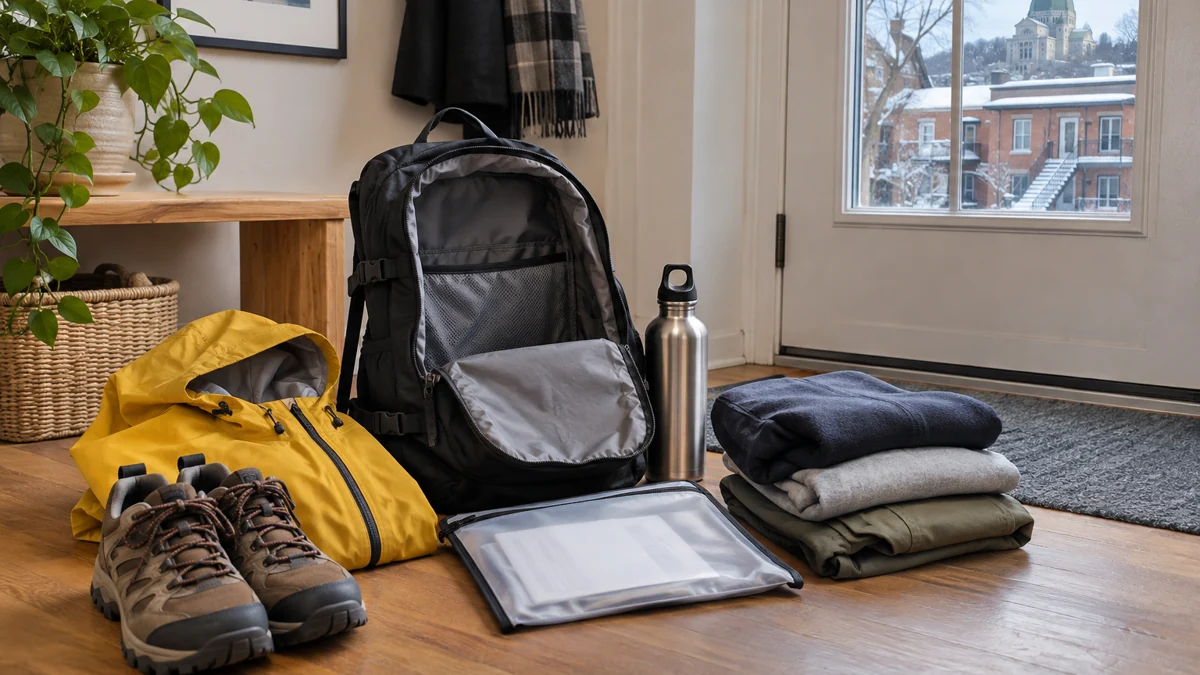
This week, turn your supplies into a package that you can actually take with you. An evacuation bag completes a departure plan: it gathers essential needs and reduces search time when authorities ask to leave the premises.
Preparing for a safe trip
Evacuation does not necessarily mean living outside. Your destination can be the home of a loved one, a hotel or a reception center. Locate one near and one outside the industry, and then check for transportation, access, and special needs. Plan several routes, but adapt the route to the instructions and closures of the moment.
An industrial risk can lead to an evacuation or shelter: do not improvise a single rule. In case of immediate danger, leave without waiting to complete a bag. There is no reason for delay or return to a dangerous building.
Choose a container that you can move
Use a bag, suitcase or bin according to your abilities and the means of transport provided. Do a loaded test. A bag that is too heavy for the wearer should be lightened or distributed. For children, adults remain responsible for essential resources and treatment.
Keep the material accessible without cluttering an exit. Tell the other members of the household where he is and what still needs to be taken at the time of departure: medication, technical aids, glasses or medical equipment.
Organize needs by function
Prepare portable drinking water and familiar foods that are easy to consume. The water weighs heavily: distinguish what can go on foot from what can be transported by vehicle, and then plan for resupply at destination. A filter is a supplement chosen for a specific context; it does not make all water consumable.
Add seasonal clothing, rain protection, hygiene items, a small first aid kit, and treatments arranged with the professional. A reflective cover can complete the equipment; it does not replace the necessary insulation or accommodation suitable for the cold.
Provide autonomous lighting, the phone, its cable and a compatible power supply. A headlamp leaves hands free during a move or a search in the bag.
Protect documents and special needs
Gather useful copies of identity documents, contacts, insurance information and the family plan. Limit the data taken to what is necessary and protect it. Also keep suitable means of payment and keys. Prepare items for babies, animals and people in need of assistance.
Utensils or an outdoor shelter can be useful depending on your journey. On the other hand, a departure to a reception does not automatically require bushcraft equipment, a stove or a fire lighter. Choose based on a verified need and authorized conditions of use.
Actions of the week
- Confirm destinations, transportation and people who can help.
- Gather the material and test its weight and accessibility.
- Write the short list of items to take at the last moment.
- Repeat the meeting point and departure, without blocking the exits.
- Schedule a check after a change of season or family need.
Your expected result: Each person knows where to go, what to take and how to leave with a realistic load.
Useful references
- Preparing to evacuate - Gouvernement du Québec.
- Preparing your emergency plan - Public Safety Canada.
Put this reading into practice
Perform the action as you wish and then check the result. Your follow-up remains specific to this route.
52 weeks to strengthen your preparation; Week 6
Organizing a departure
Your action: Confirm two possible destinations and means of transport, with the needs of all concerned.
To check: Hosts or venues are checked; a solution exists if the first ride is closed.
To do