
In this article
- Misconception #1: Water has an expiration date
- Common misconception #2: A single water barrel is sufficient for every situation.
- Common misconception #3: A "purifier" is all you need; a filter is unnecessary.
- Common misconception #4: Any plastic container will do.
- Common misconception #5: You can stack barrels to save space.
- What these five points have in common
- Sources and References
- Related resources
- Equipment to compare for your needs
Water storage is a cornerstone of individual preparedness—yet several misconceptions persist on the subject. Some lead to a false sense of security, while others result in practices that compromise the very quality of the stored water.
This article examines five of these misconceptions, providing factual insights and practical advice for better organizing your water supply.
Misconception #1: Water has an expiration date
A common claim: "My water, which has been stored for two years, is no longer good."
Water itself does not expire. As a molecule, it does not degrade over time. What changes is its environment: an unsuitable container, exposure to light or heat, or external contamination can affect its quality—but not its fundamental chemical nature.
Water stored under proper conditions can technically be kept for a very long time, provided that:
- it was clean to begin with;
- it is kept in an opaque, UV-resistant, food-grade container;
- it is protected from direct light and excessive heat;
- it does not come into contact with bare concrete, chemical vapors, or solvents.
A "stale" taste may develop over time—primarily due to the loss of gases dissolved in the water. This phenomenon is harmless, and the taste can often be corrected by pouring the water back and forth between two containers to re-aerate it, or by treating it with a suitable purifier.
Best practice: If water has been stored for a long time, or if you have any doubts about its container, rotate the stock and treat the water before consumption. Regularly rotating your supply is a good habit to maintain, even if it is not always strictly necessary.
Common misconception #2: A single water barrel is sufficient for every situation.
A common refrain: "I have a 200-liter barrel, so I’m all set."
A large water barrel is a useful foundation—but it only addresses a fraction of the scenarios that serious preparedness should account for. In practice, three distinct types of situations require different solutions.
Rapid evacuation
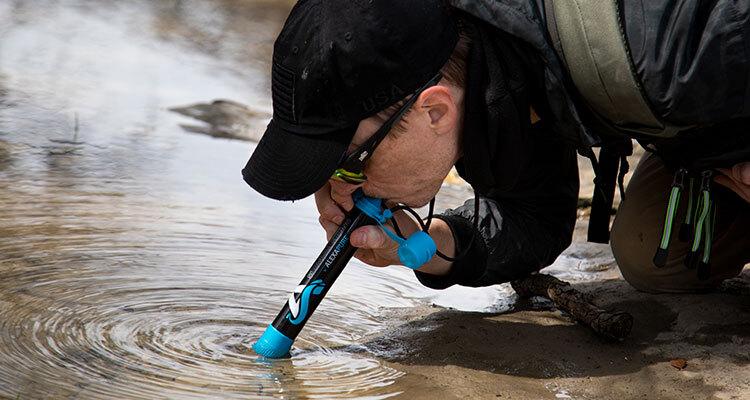
You cannot take a 200-liter barrel with you. In the event of a hasty departure, you need a portable solution—such as a personal water filter, pre-treated water bottles, or purification tablets. Mobility takes precedence over volume.
Short-term sheltering in place
This is the scenario for which barrels are best suited. Depending on the volume stored and the size of your household, one or more barrels can provide enough water for a period ranging from a few days to a few weeks.
Prolonged disruption
Certain situations—such as contamination of the public water supply or a large-scale natural disaster—can last for weeks or even months. A single barrel, no matter how large, can be depleted quickly, depending on the number of people in your household.
As a general guideline, recommendations found in citizen preparedness guides suggest planning for approximately four liters of water per person, per day—covering both drinking and basic hygiene—a volume that adds up quickly over the course of several weeks.
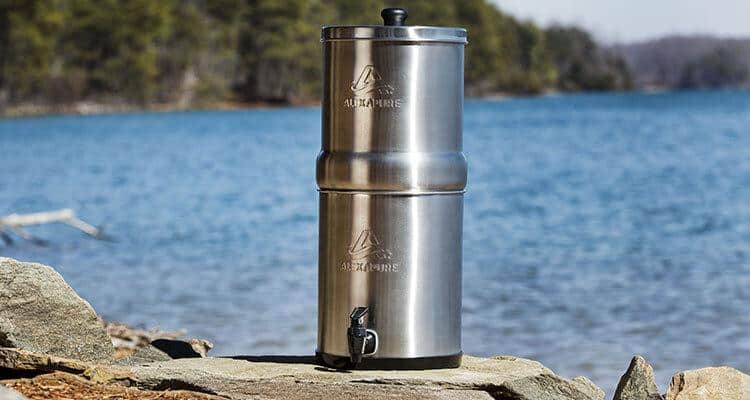
Best practice: Diversify your storage solutions. Use portable containers for scenarios requiring evacuation, one or more barrels for situations where you must shelter in place, and a gravity-fed filtration system (which requires no electricity) for extended periods once your barrel supply has been exhausted. Having a variety of container sizes provides greater flexibility.
Common misconception #3: A "purifier" is all you need; a filter is unnecessary.
A frequent claim: "My purification tablets take care of everything."
Disinfectants are effective against certain microbes, provided that the correct dosage, temperature, and contact time are maintained. However, they do not eliminate all parasites or chemical contaminants. Select your treatment method based on the specific hazard present, rather than relying on a product’s commercial label of "purifier."
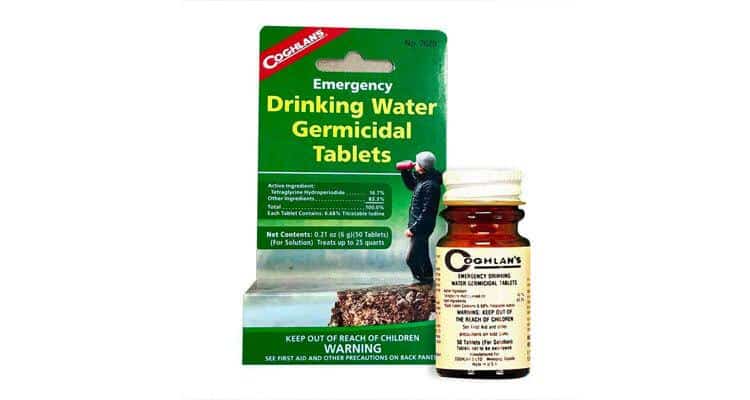
Furthermore, chemical purification does not remove water turbidity—that is, suspended particles such as mud, silt, organic debris, or certain chemical contaminants. If the water is cloudy or sourced from an uncertain environment, a physical filter must be used prior to chemical treatment.
The most robust approach is a two-step process: first, physical filtration (to remove particles), followed by chemical or UV treatment (to neutralize biological agents). These two methods are complementary, not interchangeable.
For first-time barrel buyers: Consider rounding out your equipment with a bung wrench, a spare bung (the cap on top of the barrel), a siphon hose, and treatment products suitable for maintaining your water reserves.
Common misconception #4: Any plastic container will do.
A frequent claim: "I just reuse my old milk jugs or juice bottles."
The choice of container directly affects the quality of the stored water. Not all plastics are the same; some are entirely unsuitable for long-term food-grade storage.
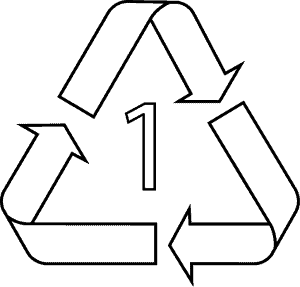
The best containers for water storage are made from high-density polyethylene (HDPE), which can be identified by the #2 code on the bottom of the container. This plastic is generally BPA-free, durable, and suitable for long-term food-grade storage. Plastics marked #1 or #4 are also considered safe for water. You can find this code within the recycling symbol present on almost all plastic containers:
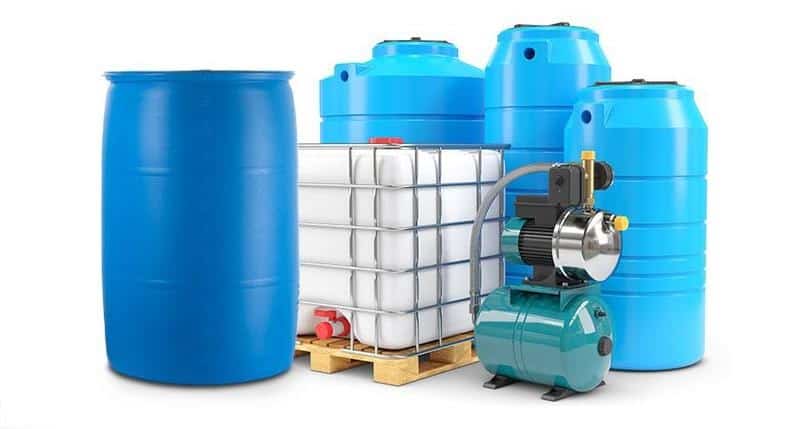
Water storage barrels are traditionally blue—a practical convention that limits light exposure, inhibits biological growth (such as bacteria or algae), and serves as a visual indicator that the container is intended for food-grade use.
Containers to avoid or use with caution
- Milk jugs: Residues are difficult to remove completely and can promote contamination. They are not a good choice for storing a supply of drinking water; the issue is not some general, inherent biodegradability of the plastic itself.
- Disposable water bottles: Designed for short-term use, they are not ideal for long-term storage. The thin plastic can degrade more quickly, especially when exposed to heat.
- Bottles that held sugary drinks (soda, sports drinks): These can be used, provided they have been thoroughly rinsed; however, the plastic tends to absorb flavors. Stored water may retain a lingering taste, making it unpleasant to drink or use for cooking.
Best practice: Opt for containers specifically designed for water storage—ideally opaque and made of HDPE (#2)—and keep them away from direct light and heat sources.
Common misconception #5: You can stack barrels to save space.
A frequent claim: "I stack my barrels to optimize my storage space."
Most standard water barrels are not designed to be stacked. When placed on top of one another, they become unstable—and a fall could cause a crack or a leak, compromising the entire supply.
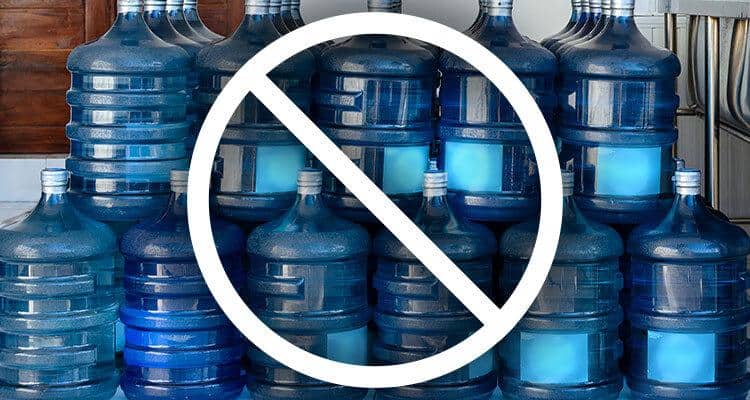
If space is limited, solutions exist: some containers are specifically designed for stacking, featuring grooves or a geometry that allows them to be piled securely. Flexible tanks or modular containers may also be considered, depending on the layout of the available space.
Best practice: Store your barrels upright, preferably on a wooden surface or a piece of cardboard—never directly on concrete. Plastic can absorb chemical vapors present in cement and garage floors (such as gasoline, degreasers, or solvents), which can significantly alter the taste of the water and render it unfit for consumption.
What these five points have in common
These common misconceptions share one thing: they provide the impression of being prepared without offering any real benefits. Believing that water expires can lead you to discard a supply that is still perfectly safe. Believing that a single barrel is sufficient can create a false sense of security. Neglecting the choice of container can compromise weeks of carefully assembled storage.
An effective water supply relies on three pillars: the quality of the container, a variety of solutions (fixed storage, portable options, and filtration), and a basic understanding of storage conditions. These three elements complement one another—none can replace the others.
To learn more about specific, practical storage options, please consult our comprehensive article on water storage solutions.
Sources and References
Local guidelines and product manuals take precedence for your specific situation. References consulted for this update include:
- Health Canada — Water and Food in Emergencies
Related resources
Equipment to compare for your needs
Some links below are affiliate links: we may receive a commission at no additional cost to you. Products are examples by function, to choose according to your needs; buying the entire selection is unnecessary.