
In this article
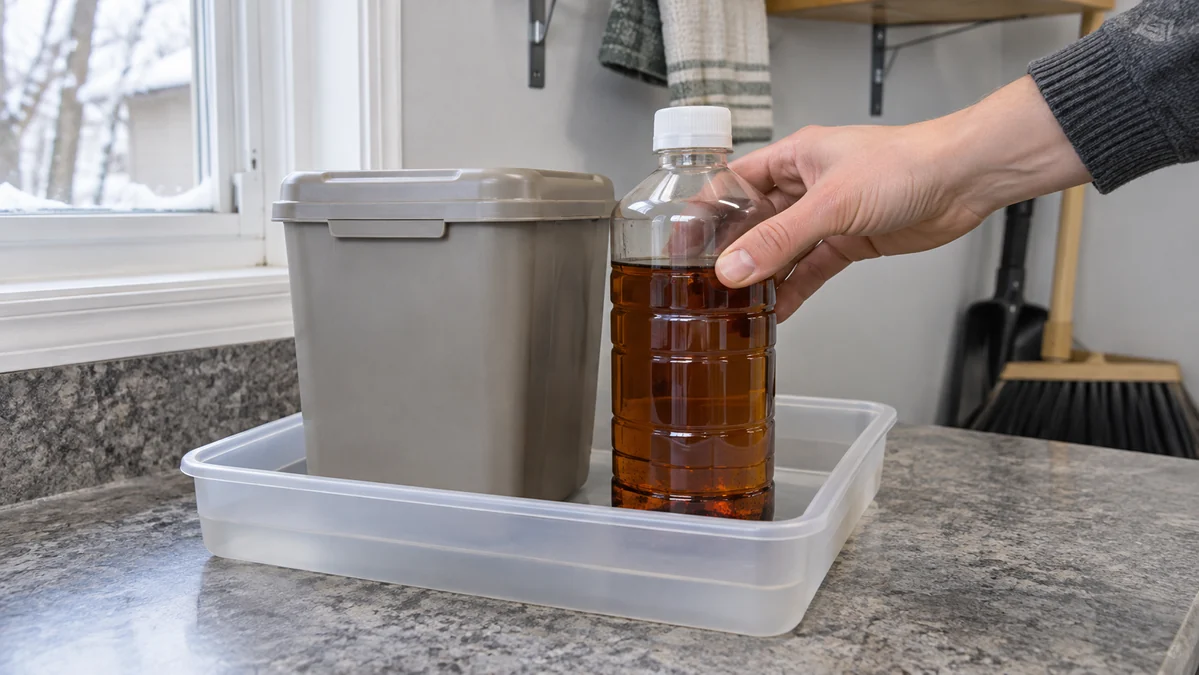
Household oils can deteriorate, particularly when purchases exceed consumption or storage conditions are unsuitable. Oil with an unusual smell or condition should not be returned to the food supply simply to avoid waste. Before looking for a second use, check whether that use is appropriate and whether a local collection service exists. Reuse is not always the safest or most useful solution.
Lists of uses circulating online mix possible practices with real limitations and unproven promises. This guide retains the eleven original uses and cautions, identifying those that should no longer be recommended. It does not claim to have tested every application or to hold authenticated field reports for all of them. Manufacturer instructions, animal welfare resources and local rules provide a better basis for decisions than an isolated anecdote.
What is rancid oil, and why does it change the possible uses?
Rancidity can result from oxidation or other forms of fat degradation, changing smell and taste among other properties. Heat, air and light influence the process. Oil may still coat a surface or burn without being a suitable lubricant, fuel or food. These general properties do not justify reuse on skin, in animal feed or in a device. Composition, possible contamination and instructions for the final use remain decisive.
Distinguish rancid oil, oil that is simply old and used frying oil. Used frying oil may contain water and cooking residues; its behaviour and collection options are not identical. Do not mix oils with solvents or other waste to create a reusable product.
Eleven uses to be examined, with their limits
1. Oiling cast iron cookware
Cast iron can be maintained and seasoned with food-grade oil suited to the manufacturer's instructions. Lodge mentions neutral oils such as canola or an appropriate vegetable oil. That does not validate using oil that is already rancid. Do not use food-contact cookware to dispose of a deteriorated product; use a small amount of sound oil and follow heating, ventilation and cooling instructions. Smoke point alone does not establish superior polymerization for every use.
2. Production of artisanal biodiesel
Some recovery systems can turn used oils into fuel. That does not make home production a simple task or an appropriate part of an emergency kit. Processes involve reagents, controls, chemical hazards and quality requirements. Raw oil must not be poured into a diesel engine based on this list. Check collection through an authorized service and the engine manufacturer's requirements. Do not take oil from a business without permission or store it indefinitely for a project you do not know how to manage.
3. Fire starters
Dryer lint or oil-soaked cotton with waxed paper is not a validated fire starter for every appliance and location. Synthetic fibres and contaminants in used oil may produce smoke and spattering. Choose a method permitted by the manufacturer and local rules. Never store oil-soaked material near heat or use it indoors as an improvised solution.
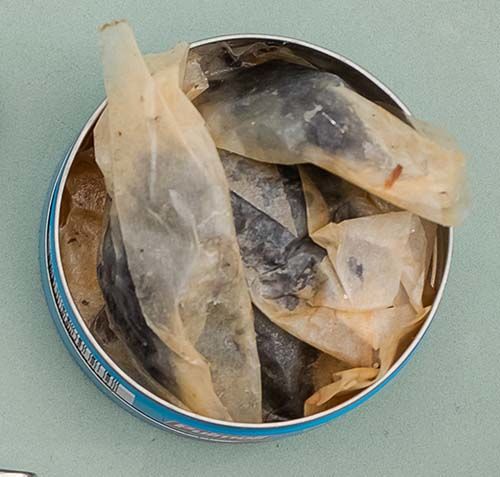
This setup is not a validated indoor-use method; choose solutions designed for the appliance and location.
4. Starting charcoal
Do not pour rancid oil onto charcoal or embers to help light them. Use the methods specified in the barbecue instructions, outdoors and away from combustibles. Describing the quantity as “a few drops” does not validate adding it to a fire. The old example is retained to explain its limitations, without recommending a practice that can cause flames or spattering.
5. Backup oil lanterns
A lamp must receive only the fuel specified for its model. Neither rancid nor fresh cooking oil becomes compatible simply because ventilation is good. An improvised wick and reservoir add risks of tipping, burns, fire and fumes. For a power outage, plan battery-powered lighting first. If an approved lamp is used, follow all its instructions and keep fuel away from children and animals; outdoor use does not remove the hazards.

An improvised flame creates fire and smoke risks. Prefer suitable LED lighting for household backup use.
6. Removing glue and adhesives
A small amount of oil can sometimes soften adhesive residue on a compatible surface. That does not prove every rancid oil is suitable: odour, an oily film or stains may remain. Test an inconspicuous area, avoid porous surfaces or doubtful food contact, then clean with an appropriate product. Do not replace manufacturer instructions with this tip. On a jar, also remove oily residue before reuse; no cleaning step makes this a food-preservation method.
7. Tallow cakes for birds
Do not substitute rancid oil for suet when feeding birds. Bird welfare organizations recommend avoiding spoiled fats and mixtures that have become soft or oily. Adding seeds does not make the oil wholesome or appropriate. Choose food suited to the species and conditions, keep feeders clean and follow local restrictions. A feeder is not a disposal route for pantry surpluses.
8. Feed supplement for farm animals
Do not add rancid oil to chickens', dogs' or other animals' feed to increase calories or dispose of leftovers. “In moderation” defines neither a dose nor safety. The diet, contaminant risks and individual needs must be assessed with a competent professional. A controlled recovery process is not comparable to directly feeding oil to animals at home or on a farm.
9. Localized weeding
Pouring oil, especially hot oil, onto plants or soil is not a recommended weed-control method. The anecdotes mentioned do not prove safe, selective or authorized use. It can damage wanted vegetation, contaminate soil and cause burns. Prefer mechanical removal or an authorized method suited to the problem, following municipal rules and appropriate recommendations.
10. Natural insecticide for plants
The historical mixture of oil, garlic, hot sauce, dishwashing liquid, lemon and water has no concentration or effectiveness validated here. It is therefore not offered as a recipe to spray two or three times a week. Health Canada highlights risks from homemade pesticides, whose effects on health, plants and the environment are not assessed like those of a registered product. Identify the problem, prioritize physical methods and, if a product is needed, follow its label and applicable restrictions. The word “natural” does not establish safety.
11. Maintenance of stainless steel
A cleaning product can contain an oily component without being interchangeable with rancid cooking oil. On stainless steel, the latter can leave odour and residue, attract dust or interfere with food use. Start with the appliance's cleaning instructions and an appropriate product. Do not assume an oily layer protects stainless steel or replaces maintenance. An inconspicuous test remains necessary for any cleaning tip outside the instructions.
Uses to avoid: what does not work as intended
The remaining uses explain why reuse may be unsuitable. The general observations below are not presented as a testing programme conducted by PrépaCivile. Compatibility depends on materials and instructions. When a method is undocumented, appropriate disposal may be preferable to experimenting on a useful object.
Cutting boards and wooden tool handles
A food-contact board and a tool handle do not necessarily need the same maintenance. Choose a product designed for the material and use, including food contact, rather than automatically substituting linseed, walnut or coconut oil. Some wood-treatment formulations are unsuitable for food contact. Rancid oil can impart an unwanted smell and film; do not use it to salvage a board or improvise a treatment.
Polishing of furniture
Cooking oil can leave sticky residue, attract dust or develop an odour on a furniture finish. The reaction varies by wood and coating. Without advice applicable to the furniture, do not turn it into a polish; follow the manufacturer or a furniture restoration professional's recommendations.
Leather maintenance
Leather: an oil not intended for the purpose can stain, change the colour or leave an odour. Sensitivity depends on the treatment and finish. Use an appropriate care product and test an inconspicuous area as instructed. Rancid oil is not a justified substitute for an item you want to preserve.
Wicker and rattan
Wicker and rattan: fibres and finishes can absorb products and retain residue. Odour and cleaning can then become difficult to manage. Do not generalize oxidation rates across all materials, but avoid rancid oil as a treatment. Maintenance suited to the furniture is preferable to adding an uncontrolled greasy layer.
Lubrication of hinges
Hinges and moving parts: cooking oil may have a temporary effect while later leaving deposits or attracting dirt. It is not interchangeable with the specified lubricant. Clean and maintain the mechanism according to the manufacturer, without claiming every oil immediately jams the part or risking damage to important equipment.
Home composting
Home composting is not an automatic disposal route for oils. Accepted materials differ between garden composting and municipal collections; liquids or a large quantity of fat may not be accepted. A gardener's experience is not enough to authorize disposal. Consult local instructions for the type and amount of oil involved, and do not spread it to try to speed its breakdown.
Fertilizers for plants or lawns
Oil forms a water-repellent barrier at the soil surface that can deprive roots of water. It can also attract pests. Its fertilizer value is negligible. This use is not recommended.
Cosmetics and skin care
Oil degradation does not simply mean all its fatty acids have disappeared. Its composition and qualities change, and it is not a recommended ingredient for homemade skin care. Sensitive skin or a medical use requires an appropriate product; do not try to mask the smell with fragrance to make it acceptable.
Essential oils and medicinal preparations
Rancid oil is oxidized and partially degraded. It is not a suitable base for preparations intended for therapeutic use. Using it in infused or medicinal oils is not recommended.
How should rancid oil fit into supply planning?
The priority is to prevent deterioration, then choose appropriate management of leftovers. There is no need to keep rancid oil as a strategic resource. The following references help you decide without creating an unidentified stockpile or additional risk:
- Stock rotation: record the date oils are opened and plan to use them as food before they become rancid. Preventing waste remains the priority.
- If oil must wait for collection, keep it in a compatible, closed and labelled container, away from food. Do not use a bottle that could be mistaken for a drink, and follow the selected collection service's instructions.
- Priority: check local oil collection or treatment options rather than favour fire starters, seasoning cookware or lanterns. These uses are not automatically safe and may require a different product. Reuse makes sense only when the intended use is documented and compatible.
Limits to be kept in mind
Oils differ in composition, packaging and history. Sunflower, canola, corn, coconut and frying blends do not all behave alike. Temperature and exposure to air also matter. These differences prevent promises of a uniform storage life for non-food use or equal performance on every surface.
A label reduces confusion without eliminating every risk. Store containers out of reach of children and animals, explain the contents to the people concerned and avoid accumulating unnecessary containers. Oil mixed with other products may require a different waste stream; do not pour it into a sink or street drain.
In summary
Making good use of resources does not require reusing every leftover. Deteriorated oil is not a miracle resource, and some lists of tips transfer the problem to fire safety, animal feed or the environment. Keeping the eleven options visible explains why several are rejected. Rotation and buying suitable quantities remain the simplest ways to limit this waste.
Removing adhesive from a compatible surface may sometimes be considered with precautions. In contrast, seasoning food-contact cookware, improvised combustion, animal feeding and homemade pesticides are not recommended ways to use up rancid oil. For mechanisms, furniture, leather, wood and personal care, follow appropriate instructions and use suitable products.
Do you know a local recovery service or a documented method? You can submit a proposal through “Contribute to this article”, subject to moderation. Specify the context and source; an isolated experience is not enough to certify the safety of a food, animal-feed or fuel use.
Frequently Asked Questions
Can rancid oil be used to lubricate tools?
For a cast iron pan, use appropriate food-grade oil according to the instructions, rather than rancid oil. For a hinge or pivoting part, use the specified lubricant. The two tasks involve different processes and must not be combined into a general rule about lubrication.
Can rancid oil be used in an emergency oil lamp?
Do not assume so. The lamp must use the fuel intended for its model; good ventilation does not authorize any oil. Battery-powered lighting avoids a flame and fuel storage for this purpose. Do not improvise a lamp or use it near combustible materials.
Can rancid oil go in compost?
Follow the accepted materials for the local waste stream. Food-waste collection may have different rules from a garden composter; do not add a quantity of oil based solely on a promise that bacteria will break it down. Ask where to take the oil before adding it to a bin.
How long is oil stored for non-food use?
No universal storage period is established for rancid oil intended for burning or surface treatment. Storage must meet a limited, compatible need rather than a promise of unchanged performance. Check the collection option and do not keep a poorly labelled container indefinitely in the hope of finding a use later.
Sources: Seasoning cast iron — Lodge ; Risks of Home Pesticides—Health Canada ; Fatty foods and birds — Cornell Lab of Ornithology. Check local collection instructions for your address and the type of oil involved.