
In this article
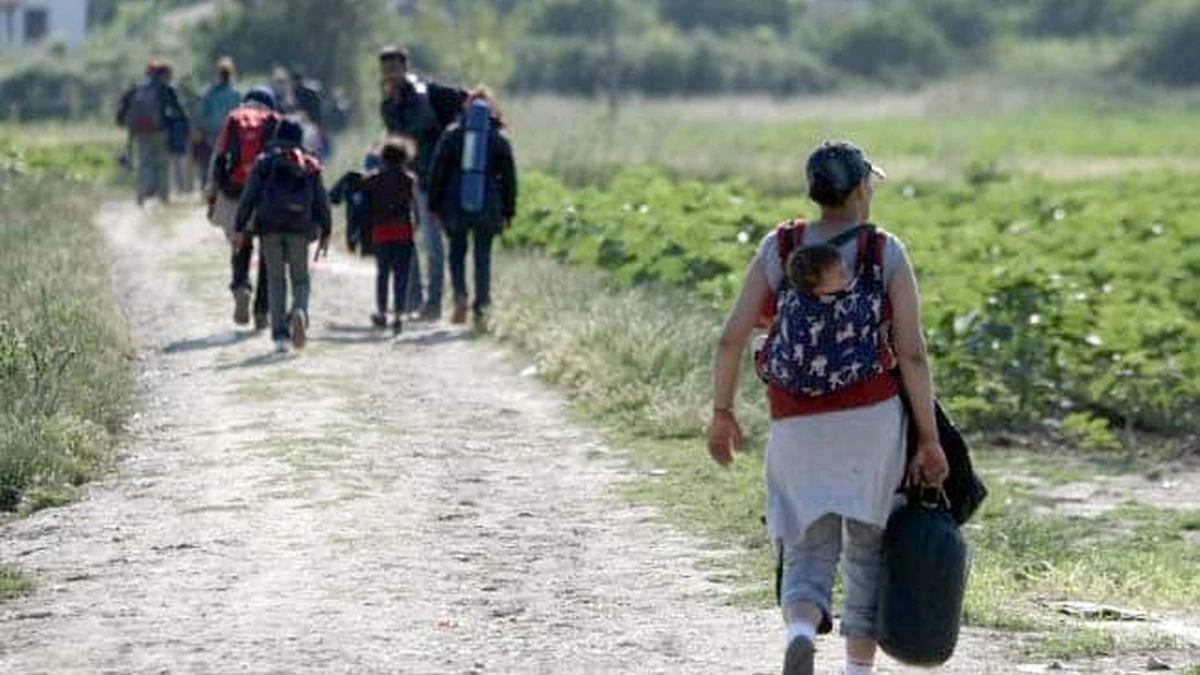
A realistic evacuation distance cannot be inferred from a hiking record. It depends on the hazard, terrain, weather, load and the pace of everyone travelling together. The first goal is to reach somewhere safe and accessible, rather than cover the greatest possible distance.
Choose a useful destination
First identify where you are going: the meeting point, the accommodation agreed upon or the place indicated by the authorities. Make sure that this destination can receive you and is not exposed to the same event. A line drawn on a map does not guarantee the opening of a passage or the availability of a refuge.
Prepare several possibilities and offline contact information. Bridges, tunnels, underground passages and main roads can be closed. In case of evacuation order, follow the routes and means of transport announced. Do not choose a shortcut that crosses a prohibited area or a flood stream.
Measure the group’s actual pace
Try on a known and safe route, with the shoes and a representative load. Measure travel time, as well as breaks, orientation and adjustments. An estimate built on a single person and rested does not represent a group with children, animals or mobility aids.
To plan, use the group’s most cautious observed pace and add a margin. For example, a journey of six kilometers to two kilometers per hour represents three hours of effective walking, to which are added breaks and detours. This calculation illustrates a method; it does not recommend this speed or distance to everyone.
Reduce the load before extending the distance
Weigh the bag and examine each object. Water, clothing, personal medicines, communication and useful documents require priority. Full camping equipment may be unnecessary if accommodation is arranged; conversely, waiting outside may require additional protection.
Divide the loads according to the actual abilities and predict what happens if an adult can no longer carry. Keep the necessary items accessible during the journey. Don’t rely on a child to carry an indispensable resource for everyone. Test closures, straps and containers before departure.
Adapt the route to conditions
Cold, heat, precipitation, smoke, and soil conditions can make a typical route unsuitable. Prepare clothing and protections according to conditions, and monitor their evolution. A road close to a fire or a flooded street is not a sporting difficulty to overcome.
The darkness reduces visibility and complicates orientation. Provide stand-alone lighting and a way to be spotted when appropriate. Stay on authorized routes; don’t enter buildings, railways or infrastructure to save time.
Plan for individual needs
A cane, an armchair, a stroller, a medical device or an animal changes the options. Talk early about accessible transportation and who can help. A walking-only plan is insufficient when someone cannot make the trip. Asking for appropriate assistance is part of the preparation.
Set a grouping rhythm and conduct in case of separation. Children need to know which adult to follow and how to seek help. Keep a contact form accessible without making the personal information of the entire household public.
Know when to reconsider
An unavailable destination, a person who can no longer move forward or a new instruction require to review the plan. Don’t wait for exhaustion to acknowledge that an estimate was too ambitious. Look for a safe place and appropriate assistance; the alternative route also needs to be checked.
After a test, record the actual duration, weight transported, breakpoints and accessibility difficulties. Repeat when group composition or abilities change. A modest and verified distance provides a more useful basis than a promise of long walk without a test.
Equipment to assess for your needs
Canadian and French listings may differ in model, capacity or package. Check the exact item, instructions and suitability for your use. No price or stock availability is guaranteed.

BLACK DIAMOND Spot 400 Lampe frontale | Luminosité de 400 lumens | Intensité variable | Étanche et durable | Fonctionne avec 3 piles AAA (incluses) | Graphite
View on Amazon.ca
Nalgene Bouteille d'eau à large goulot de 946,2 ml, sans BPA, durable et anti-fuite, légère pour randonnée et salle de sport, travail et voyage, bleu céruléen
View on Amazon.ca
Affiliate links: PrépaCivile may earn a commission on qualifying purchases. Product names and images come from the Amazon listings reviewed. No prices or customer reviews are reproduced.