
In this article
A food reserve can include a few comfort foods: olive spread for crackers, canned artichokes with rice or marshmallows for a special occasion. These historical examples illustrate household preferences, not a new PrépaCivile test. The old stove described as “indoor” must not be treated as a generic solution: never use a combustion appliance inside the home unless designed and permitted for that purpose. Food enjoyment matters, but does not justify fire or poisoning risks.
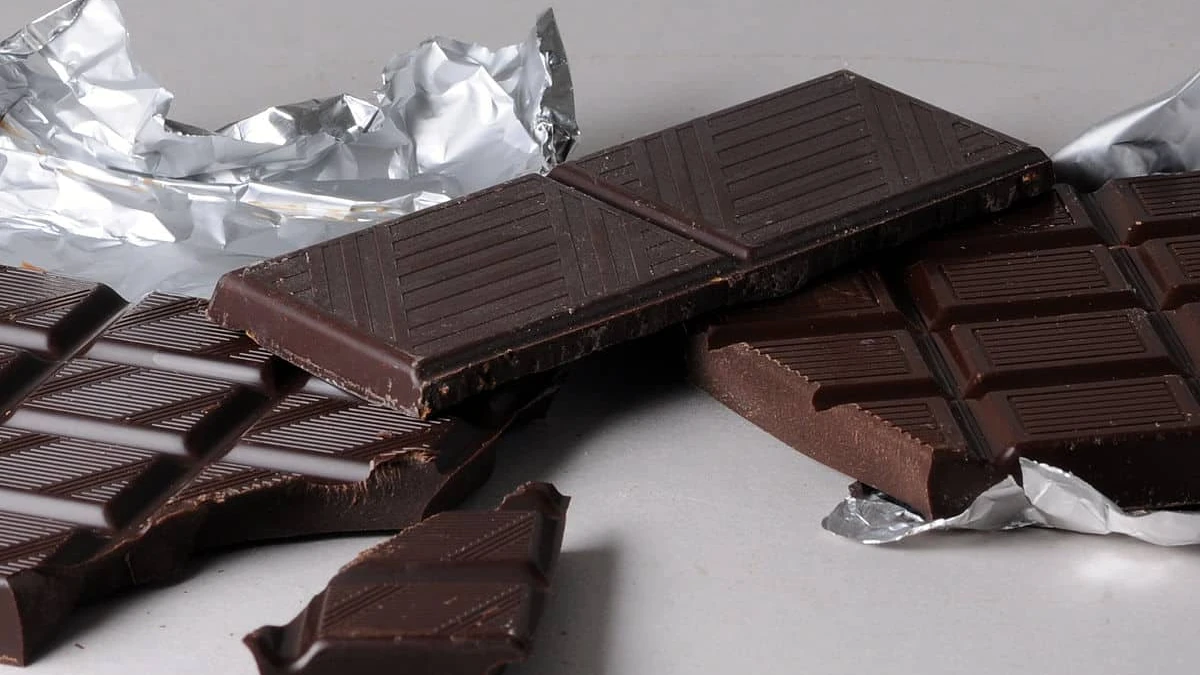
Chocolate can be one of those pleasures if people enjoy it and can eat it. It is neither essential nor objectively “the best” comfort food. Allergies, habits, budget and storage conditions guide the choice.
If you are considering long-term chocolate storage, here is what to know about shelf life, the types to choose and packaging.
Does chocolate go bad?
Plain chocolate has low moisture, limiting the growth of many microorganisms under appropriate conditions. That does not make it sterile or automatically safe: contamination or a recall can concern normal-looking chocolate. Filled products also have different characteristics. Follow manufacturer instructions and do not infer safety from the word “chocolate” alone.
Over time and depending on storage, fats may oxidize and flavours deteriorate. Composition, heat exposure and packaging influence these changes. Antioxidant compounds in cocoa do not establish that chocolate keeps better than every oil or powdered milk. Check the exact product rather than comparing food families without common conditions.
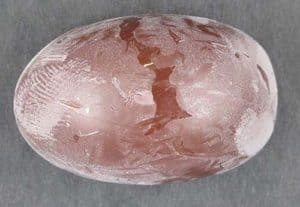
A whitish coating may be fat or sugar bloom. The Canadian Food Inspection Agency explains that this is generally an appearance and texture defect, distinct from mould. However, it is not a complete safety test: a photograph or white coating cannot exclude every other problem. Examine packaging, storage history and recalls.
Chocolate shelf life
Stated shelf life varies with chocolate, filling, packaging and intended conditions. The historical range of 9–24 months is not a rule for all products. Plain dark chocolate may be practical to store, but first read the chosen bar’s date and instructions. Fresh ganache and industrially filled chocolate are not equivalent products.
A best-before date describes expected quality in the unopened product under specified conditions; it does not certify freedom from hazards. The table retains the old version’s five categories but replaces unsupported universal durations with necessary checks. Manufacturers may impose product-specific conditions or durations.
Do not treat the old range of −3 to 18°C as a general recommendation, or every temperature above 18°C as a “tropical climate.” Lindt Canada recommends a dry, dark, cool place around 14–20°C for its products; Callebaut presents other ranges depending on use. These examples do not override purchased-product instructions. Avoid abrupt changes and condensation.
Is chocolate safe after its date?
In Canada, passing a “best before” date does not automatically make food dangerous, but neither establishes that chocolate is safe. Check instructions, condition, history and recalls. Do not promise that a rancid taste is necessarily harmless, and do not taste suspect food to assess it. Contamination such as Salmonella cannot be excluded by appearance; no reliable individual probability follows from a passed date.
Unusual deterioration, suspected mould, infestation or compromised packaging justify discarding the product. White bloom may be harmless, but visual inspection does not detect every pathogen. A green, fuzzy coating is not proof of “bacterial growth” identifiable by eye. If safety is doubtful, do not eat it.
The photographs retained below illustrate appearances attributed to fat or sugar bloom in the historical text. They help explain the defect without remotely diagnosing your bar or certifying a particular product. Unusual odour or texture, a recall or improper storage requires another assessment.
Which chocolate is best for long-term storage?
For a small comfort reserve, choosing plain dark chocolate the household enjoys may simplify management. Respect allergens and product dates, then rotate it through normal habits. Large purchases are unnecessary to enjoy this occasional treat.
Milk chocolate may also be suitable if its storage conditions can be met. Lecithin is an emulsifier among other functions: its presence does not demonstrate longer shelf life or alone determine which bar to choose. Nuts, fruit, creams and wafers alter composition and sometimes requirements; read instructions rather than prohibiting all filled products or assigning them one shared duration.
How to store chocolate for the long term
1. Keep it cool
Choose a cool, dry, dark location according to the label. Keep chocolate away from radiators, sunny windows and strong odours. Abrupt changes between cold and warm environments may cause condensation and affect quality. Storage must remain compatible with other foods and household use.
2. Use airtight packaging
Suitable packaging protects against moisture, odours and some deterioration. Prefer intact original packaging with the date and lot number. Protect an opened bar cleanly according to instructions and note opening if helpful for rotation. Packaging does not correct prior contamination.
Metallized bags such as Mylar or vacuum sealing may provide an outer package for some uses, but no general comparison establishes Mylar as the “best option” for every chocolate. Bag composition, seal, storage and product influence results. An oxygen absorber is not safety validation or a way to arbitrarily extend the date.
When adding an outer package, keep original information and avoid unnecessary handling of bars. Do not apply a general rule requiring all other foods’ packaging to be removed. A small air gap around a bar does not alone establish the effectiveness of an absorber outside it; follow packaging and product instructions without claiming unvalidated extended storage.
Read:
- Packing food in Mylar bags
- Using oxygen absorbers
- Vacuum sealing versus Mylar bags
3. Keeping the original packaging
Keeping chocolate in its original packaging, protected from heat, moisture and odours, is simple when the stated conditions are met. Mylar and oxygen absorbers do not need to be routinely added for a small rotating reserve. After opening, follow the product-specific instructions.
Organize rotation according to dates and actual household habits rather than imposing replacement every two years. Buying quantities you can consume under good conditions avoids forgotten products. Comfort supplies complement food and water; they must not absorb the budget for essential needs.
Which comfort foods have you included in supplies you actually rotate? Share experience through “Contribute to this article,” subject to moderation. Explain conditions and observed limits without turning a personal storage period into a guarantee for other products.
Guidance: chocolate bloom — CFIA; storage — Lindt Canada; storage conditions — Callebaut. Manufacturer guidance concerns their own products and does not certify all chocolate.