
In this article
Cooking oils, fats and dairy products such as butter feature in many everyday recipes. Distinguish making butter, freezing it, clarifying it and buying commercial powder. Putting butter in a home dehydrator is not a validated method for years of room-temperature storage: choose according to the product and its storage requirements.
This guide answers four practical questions: how to make butter, what drying and freeze-drying do, which options suit each cooking use and how to organize storage. Five years for home-dried butter or twenty-five to thirty years for any commercial powder is not a general rule: shelf life must be tied to a specific product and validated process.
Make homemade butter
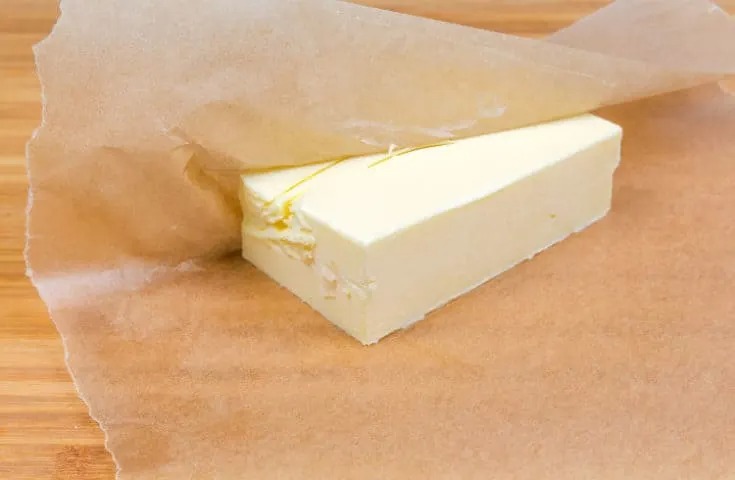
Making butter consists of beating cream until the fat grains are separated from the liquid. Use pasteurized cream for this use, clean equipment and a reliable recipe. The temperature influences churning, but "as cold as possible" is not a universal rule: the cream must not be frozen. Cream churned into butter remains a product to be kept cold, without becoming a dry reserve.
You can make butter for the kitchen, with a whisk or mixer, without then trying to dehydrate it. The following two methods describe the same principle of separation. They require time, proper hygiene and refrigeration; the presence of an electrical apparatus changes the effort required, not the conservation requirements of the product obtained.
Hand method: whisk
- Prepare a large clean bowl and clean utensils. If the recipe is to cool them down, place them in the refrigerator.
- Pour approximately 240 ml of pasteurized whipping cream into the bowl. This volume is an example of a small preparation, not a quantity that gives a guaranteed yield in butter.
- Whisk vigorously — cream thickens quickly.
- Continue to whisk until firm peaks are obtained (the cream holds its shape when the whisk is lifted). It's whipped cream.
- Continue whipping until visible separation into butter grains and liquid. The time depends on the cream, its temperature and movement: two more minutes are not guaranteed.
- Drain with clean food-safe cheesecloth or a suitable sieve, then work the butter according to the recipe chosen to remove the liquid. Rinsing, if planned, is done with cold drinking water; clean hands and utensils limit contamination.
- Shape the butter and place it in a clean food-safe container, cover and refrigerate quickly. Note the date of manufacture and provide for a small quantity to be consumed; do not assign it the duration of a closed commercial package. The separate liquid also does not automatically become stable at room temperature.
Stand-mixer method: KitchenAid or equivalent
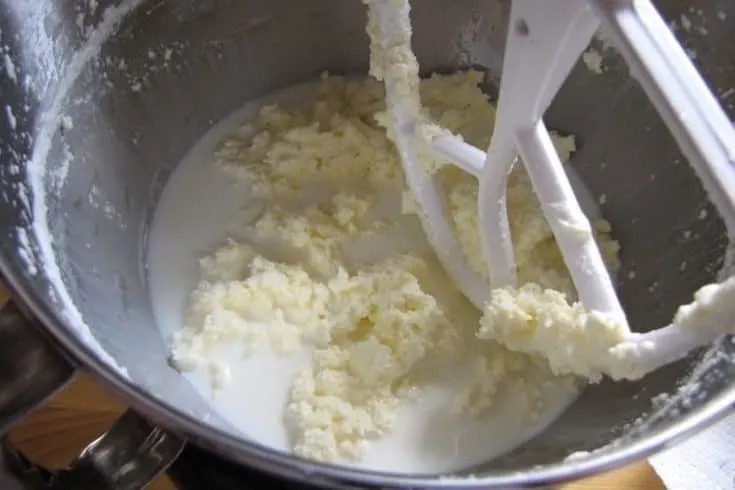
- Use the chilled mixer bowl. It is possible to work with larger quantities than by hand.
- Start the mixer at medium speed, then gradually increase.
- Follow the same process as by hand — firm peaks, then separation.
- Once the separation is visible, drain with clean equipment, work the butter according to the recipe and cover and refrigerate. Making butter with a mixer does not replace any storage treatment and does not allow storage on a shelf for months.
Dehydrate butter: understand why the proposed method is not validated
Butter contains a lot of fat, but also water and dairy constituents. Centrifugation alone does not necessarily transform butter into stable powder: commercial food powders may use separate industrial formulations and processes. Their composition and shelf life should be read on the specific product. A powder containing a carrier or other ingredients is not the equivalent of a slice of butter passed into the dryer.
Fat does not evaporate like water in a dehydrator. Obtaining a less moist paste or seeing fat separate does not prove that the product is safe to keep out of the refrigerator. The appearance, texture and dry impression do not measure water activity or other parameters necessary to validate storage. This butter should therefore not be presented as a multi-year home supply.
Domestic dehydrator: steps not to be confused with validated storage
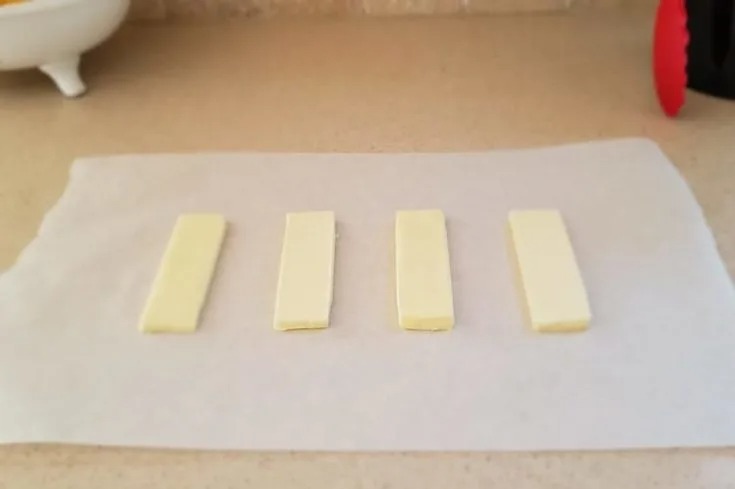
Slicing butter and placing it on a tray does not validate drying or room-temperature preservation.
- Cutting butter into 1.2 cm slices increases exposed surface area without establishing safe drying or preservation. Slice thickness is not a food-safety measure. This step does not make butter suitable for dry storage at room temperature.
- Placing the slices on parchment paper does not solve the safety problem: both paper and tray must be compatible with the appliance instructions and melted fats. A food-contact liner does not turn a dehydrator into equipment validated to produce shelf-stable butter.
- Twenty-four hours in a freezer freezes butter; it does not validate a preliminary drying stage. A home freezer does not reproduce the controlled vacuum of a freeze-dryer. Freezing therefore does not establish that the product can subsequently be stored at room temperature.
- Operating the dehydrator for one night does not provide a validated time–temperature combination for this food. Butter can melt, and a visible separation does not make it possible to decide whether the product is sufficiently dry or safe. We do not replace this lack of validation with a new improvised temperature.
- Returning the product to the freezer and restarting drying does not automatically correct an inadequate preparation. Repeated cycles do not verify the safety of the batch. For a food reserve, choosing a suitable product from the start and following its storage conditions avoids betting on this attempt.
A week in the freezer does not become a “low-tech freeze-drying”. Lyophilization includes freezing and a controlled vacuum; freezer burn or apparent drying are not an equivalent process. Keep freezing as a cold method, with its dependence on electricity, without assigning it a five-year shelf-stable storage life.
Lyophilization
A freeze-dryer removes water but does not remove fat. Pure butter is one of the products that is poorly suited to freeze-drying, as the manufacturer Harvest Right points out. The success of other dairy products therefore does not validate an identical procedure for butter slices. Follow the limitations of the apparatus and food; neither the presence of a completed cycle nor an unusual texture can promise five years of storage.
Long-term conservation

A jar or Mylar bag does not make butter shelf-stable; follow suitable storage requirements.
The oxidation and rancidity of fats are important for quality, but they are not the only health issues. The process, formulation, packaging, water activity and temperatures also matter. To plan a reserve, compare identified products with their written instructions, rather than apply a single duration to anything called butter, ghee or powder.
Commercial Ghee and Canned Butter: read the label
Some commercial products are designed to be kept unopened at room temperature. This does not mean that any ghee or butter placed in a home jar has the same stability. Check the manufacturer's instructions before and after opening. The National Center for Home Food Preservation does not recommend domestic canning recipes for butter on the Internet: a sealed lid does not prove a safe treatment. No home-canning recipes are offered here.
Mylar bags and oxygen absorbers: not a validated solution for home-made butter
A Mylar bag and an oxygen absorber do not make butter safe when its preservation process has not been validated. Apparent dryness, pre-freezing or an unmeasured moisture claim is insufficient. Do not repackage a commercial product assuming its original shelf life remains guaranteed: packaging and instructions are part of its storage conditions.
Regular rotation helps manage purchases and their quality. It does not make a poorly prepared food safe. Keeping dates and instructions, using small formats and renewing the quantities consumed provides a more verifiable organization than an estimated time for dried butter at home.
Shelf life: tie each figure to the right product
Commercial butter powder: manufacturer's specific duration
Plan for 25 to 30 years only if the manufacturer of the specific product indicates it for its storage conditions and its closed packaging. This figure should not be extended to all powders or to the product after opening. See also the list of ingredients, allergens and preparation instructions.
Home butter: no five-year period validated by this guide
Do not plan five years of storage for home-dehydrated butter without a validated process. Appropriate cold storage is different from dry storage. A normal smell does not establish that food kept in unsuitable conditions is safe; do not taste it to test safety.
Discard rancid butter or a product whose preservation is uncertain, without tasting to declare it safe. Do not assume rancidity is always harmless or that a two- to three-year home rotation is automatically safe. A rotation date does not replace a proven process; in case of doubt about a batch, heating or processing it into a pastry is not a universal correction.
Substitutes of butter for storage
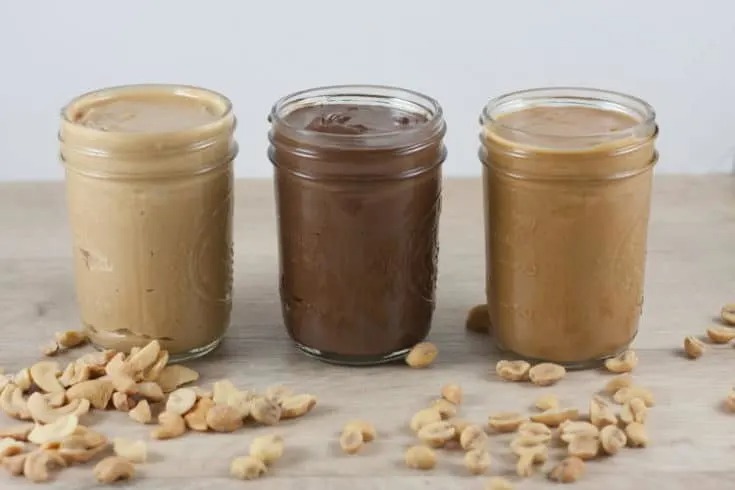
Suitable substitutes for storage are directly dependent on intended use. A spread, an ingredient to add body to a sauce and cooking fat do not have the same requirements. Intolerances to dairy products must also be taken into account in the planning of reserves.
Spreads
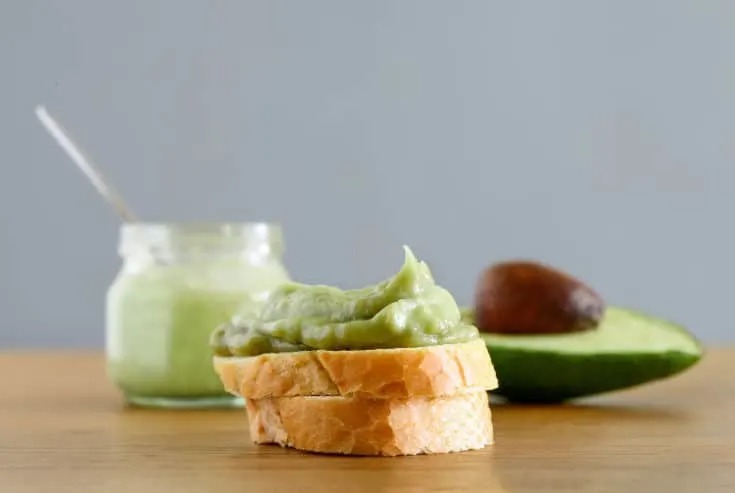
- Avocado: crushed or purée, it can replace a spread according to taste and recipe, but its composition is different. It is a perishable food, to be consumed within appropriate refrigerated-storage limits; its culinary value does not transform it into a long-term reserve.
- Nut butter — almond, cashew or peanut: choose a texture and format usually consumed, check allergens and follow the label. Their stability varies according to formulation and whether the container has been opened; the possibility of cultivating an almond tree in certain regions is not an immediate reserve solution in Quebec.
- Peanut butter: a versatile option for people who can consume it, with attention to allergies, age and appropriate texture. Provide a format that will be renewed; read the conditions after opening instead of assuming that any jar can stay out of the refrigerator for a long time.
Ingredients to add body (sauces, soups, pastries)
- Greek yogurt: it can enrich some sauces and preparations, but normally remains refrigerated. Fermentation and the possible presence of cultures do not give it room-temperature stability. For cooking, the texture and flavour properties also differ from those of butter.
- Cocoa butter: exclusively use a food grade product intended for cooking. A cosmetic ingredient is not automatically edible. Its texture, taste and storage conditions make it a special ingredient, to try in an adapted recipe rather than a universal butter replacement.
- Apple compote: it can replace part of the fat in some pastries, with a different result. A homemade compote requires its own validated storage method; an open container does not remain stable simply because the fruit has been cooked. Test the recipe before making a reserve menu.
- Cashew butter: can be incorporated into soups and sauces to add texture and richness without melting.
Cooking fats
- Coconut oil: excellent for medium heat cooking, soft flavour, good shelf life in a sealed container.
- Ghee: clarified butter and heated according to the chosen process, it can be suitable for several cooking uses. Its heat tolerance and flavour depend on the product; this does not make it free of dairy allergens. For an ambient reserve, choose a commercial reference that explicitly provides for such storage and follow the instructions after opening.
- Olive oil: usable in seasoning and in many cooking applications according to its quality and use. Buy a quantity that will be consumed, protect it from heat and light, and then close the container. Putting it in a jar or heating it at home does not constitute a validated canning that would automatically extend its duration.
- Homemade clarified butter: heating allows to separate part of water and dairy constituents, but this gesture alone does not establish a conservation equivalence with a commercial ghee. Use a reliable recipe, clean equipment and storage instructions specific to this preparation; do not assign a room-temperature shelf life to the simple golden appearance of the liquid.
- Shea butter: consider for the kitchen only an explicit food product, in accordance with intended use and available in a suitable food-supply channel. Cosmetic or perfumed products are not suitable. This uncommon option is not necessary to build up a reserve when usual food oils already meet the need.
Frequently asked questions
Does homemade dehydrated butter become a dry powder like commercial butter powder?
Can a stable powder be obtained by dehydrating butter at home? This guide does not provide a validated method for this. A commercial powder may have a different formulation and treatment; the term "centrifugation" is not sufficient to explain or reproduce its process. A butter that remains spreadable after drying is not proof of successful conservation. Choosing an identified powder, if it is actually used, allows at least a specified composition and conditions to be followed rather than an unmeasured domestic result.
What is the difference between ghee and clarified butter for conservation?
Are Ghee and clarified butter identical? They are based on the separation of constituents of butter, including further cooking for the taste of ghee. This culinary similarity does not allow the same duration to be given to all products. Removing part of the dairy constituents is not a sterilization or guarantee of absence of allergens. For a home-made product, follow a recipe and reliable conservation advice; for a commercial product, follow its label, especially after opening.
Can oxygen absorbers be used with homemade dehydrated butter?
Can an oxygen absorber be added to the home butter? Not to transform this preparation into a safely stored room-temperature reserve. A 10% moisture threshold announced without validation is not enough to decide safety; water activity and the whole process are important. The combination freezer, dehydrator and Mylar is therefore not proposed as the "most conservative" method. Do not improvise low oxygen storage for a wet product whose storage has not been validated.
Which cooking oil is best kept in a food reserve in the long term?
Which fat to choose for a reserve? First, the one that the household can use and renew, taking account of allergies, budget, recipes and storage conditions. Compare the labels of olive oil, canola, sunflower, coconut and ghee products available; there is no universal duration to classify a whole family as good or bad. A large container is beneficial only if its contents are consumed under the conditions provided. The cooking oil guide completes this issue, without turning a quality date into a safety guarantee.
How to dehydrate food in an emergency
Drying methods to be chosen according to the food, with proven preparation and preservation instructions; the durations do not automatically translate from fruit to meat or dairy product.
Long-term food conservation: a comprehensive guide
Compare conservation methods and their limitations: dehydration, lyophilization, validated canned foods and packaging. Equipment alone does not validate a process for any food.
Keep cooking oils in the long term
Choose fat consumed on a daily basis, keep the instructions of the product and arrange their rotation according to the real conditions of the home.