
In this article
- 1. Respect cooling and storage
- 2. Know the origin of the ashes
- 3. Have the soil analyzed before adding any
- 4. Check compatibility with compost
- 5. Avoid the promise of risk-free repellent
- 6. Prefer an abrasive provided for access
- 7. Follow the instructions of the device for cleaning
- Appreciate only when use is justified
Wood-burning ash can sometimes be reclaimed, but its management begins with fire prevention. Their grey appearance and the absence of flame do not prove that they are cold. In the garden as in the house, they are not a universal and harmless product.
1. Respect cooling and storage
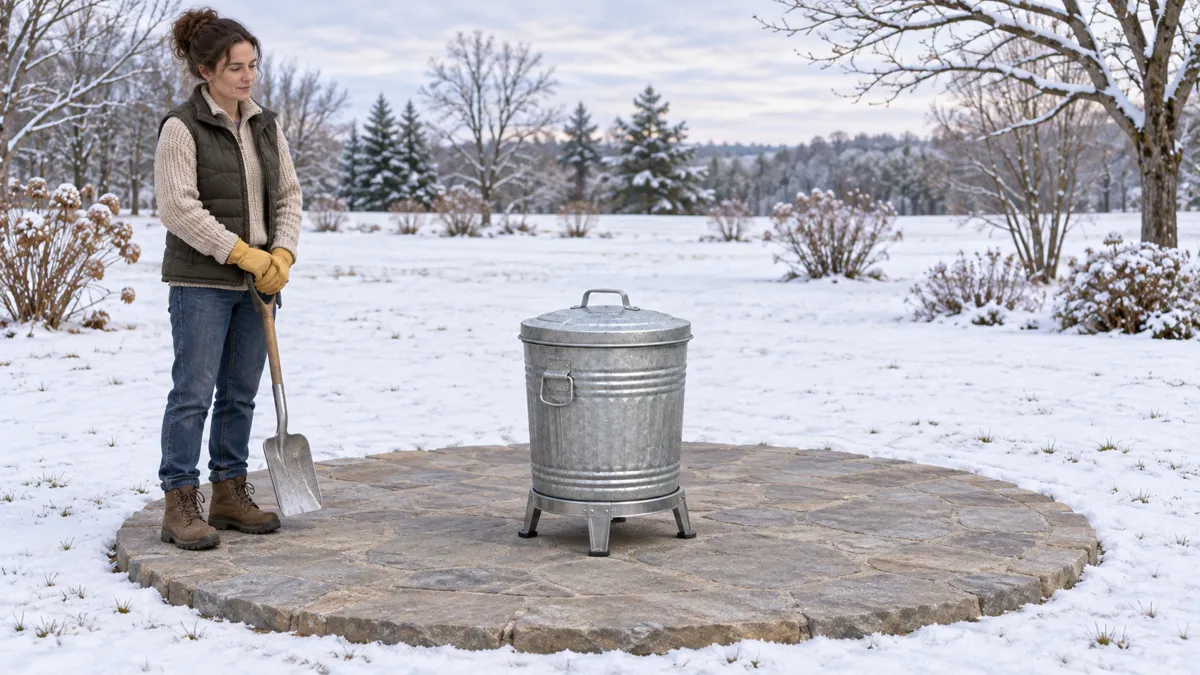
The the Government of Quebec recommends a metal shovel and a metal container with a raised bottom with a metal lid, installed outside on a non-combustible surface, at least one meter from any object. Hot ash can also release carbon monoxide.
Wait at least seven days before a transfer and make sure they are fully cooled. This delay is a minimum of precaution, not a guarantee that a particular lot is cold. Do not use a vacuum cleaner, bag or plastic boiler to remove them.
2. Know the origin of the ashes
Do not use ash from treated, painted, waste or composite wood in the garden. If their origin is uncertain, ask your municipality how to eliminate them. Do not mix unknown ash with a lot intended for the soil.
3. Have the soil analyzed before adding any
Ash can change the acidity of a soil and provide certain minerals. Its composition varies and it is not a complete fertilizer. A soil analysis and a horticultural board make it possible to decide if a contribution is relevant. The University of Saskatchewan Councils stress that the context of the soil matters: a useful contribution to one place may be undesirable elsewhere.
Avoid automatic applications around blueberries or other plants looking for acidic soil. No single dose is suitable for all vegetable gardens, soils or fruit trees.
4. Check compatibility with compost
A supply of ash does not correct all the problems of a compost. An excess can disturb the environment. Find out about the composting method used and the materials accepted, especially in a municipal collection. Never mix ash with fertilizers without competent advice.
5. Avoid the promise of risk-free repellent
A “natural” powder can irritate and change the soil. Do not spread it around animals or young plants assuming it will be harmless. For slugs and other pests, start by identifying the problem and asking for a suitable horticultural method, rather than systematically renewing layers of ash after each rain.
6. Prefer an abrasive provided for access
On the steps and passages, choose a product adapted to the support and conditions. Wet ash can soil surfaces and be dragged into the housing. Do not make it a non-slip guarantee or a product deemed safe for animals and vegetation.
7. Follow the instructions of the device for cleaning
Ash can be caustic and abrasive. Consult the manufacturer’s instructions before cleaning a stove window or surface. Do not use it as a care product, in food or in a homemade soap recipe.
The Iowa State University Horticultural Councils recall the protections against dust and contact as well as the risk of ammonia release with certain nitrogen fertilizers. Keep ashes out of the reach of children and animals.
Appreciate only when use is justified
If you do not have a suitable use, disposal according to local instructions is a good decision. The first gain of preparation remains a suitable container, a safe outdoor location and a routine that all people using heating know.