
In this article
Improving the security of a home aims to reduce the chances of intrusion, detect a problem and save time to be safe. These measures must preserve exits and remain compatible with fire safety, accessibility and building rules. A home does not become invulnerable because a door has been reinforced.
Examine entrances you are responsible for
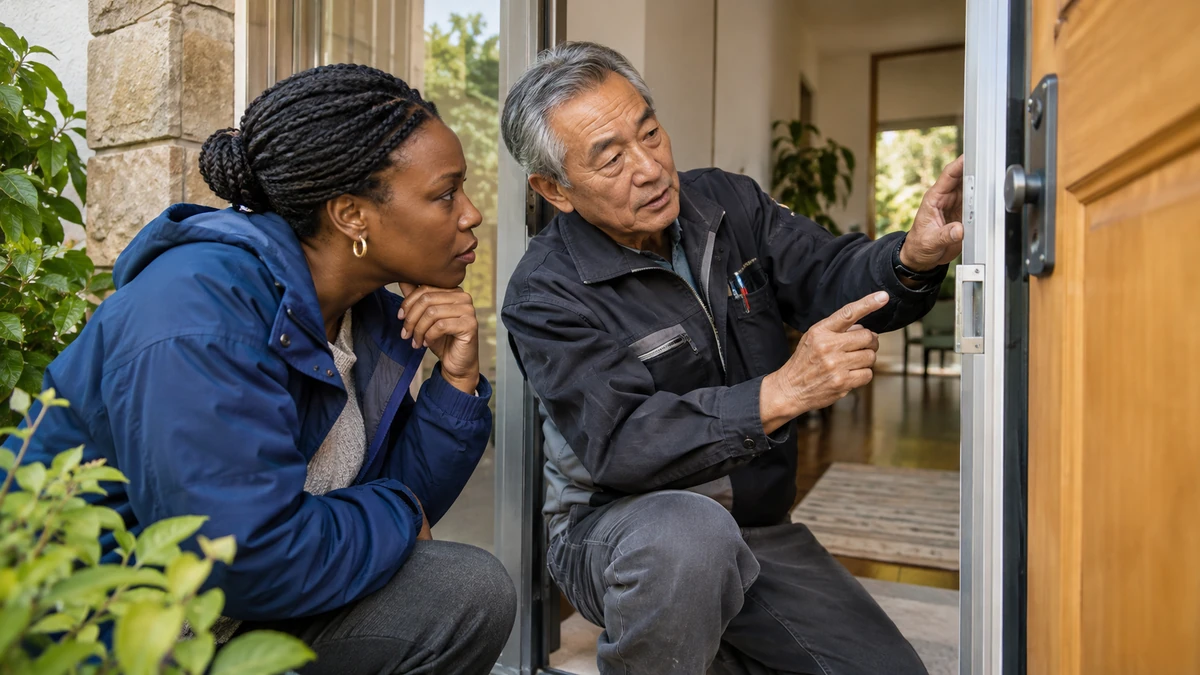
Walk around the doors, windows and common areas allowed. Note faulty closures, insufficient lighting and obstacles to visibility. For a rented unit or condominium, identify what belongs to the owner or manager before modifying the equipment.
An observation should not become a break-in attempt on an access that is not yours. Document defects and involve a qualified person when necessary. A high-performance lock does not correct a degraded frame or a poorly placed door.
Reduce easy opportunities for approach
Store tools and objects that can facilitate entry or fall. Keep the approaches according to the possibilities of the place and keep the exit paths clear. Proper lighting can improve visibility without blinding neighbors or creating more troublesome shadows.
Avoid traps, dangerous objects and facilities that may harm a visitor, child or caregiver. The protection of a property does not justify creating a hidden danger. Fences and facilities must comply with the rules and allow necessary access to rescue.
Strengthen security without blocking escape
Have the frame, hardware and weak points evaluated before buying an accessory. An additional bar or lock can interfere with evacuation if it requires a key, difficult handling, or significant force. Check that everyone involved can open the planned exits.
Do not turn a window necessary for evacuation into a closed opening. Temporary protection related to a storm also requires a removal plan and a verification of the uses of the building. Fire safety and local requirements take precedence over a general barricade recipe.
Prepare a simple household response
Agree on what everyone does in case of disturbing noise, alarm or entry report. The plan may include regrouping in a safe place, leaving by an available exit and joining the rescue. It should not ask a child to go inspect a room or an adult to look for an intruder.
Keep an appropriate phone or alert accessible. Cameras and detectors can complement the information, but depend on the energy, the network and their setting. Do not assign them permanent monitoring without checking for alerts and driving when the system is unavailable.
Keep an exit option
Identify several really feasible outings and a grouping destination. Not all exterior stairs, balconies and windows are usable exits. Do not prepare an improvised descent or a passage through a neighboring property without an authorized and adapted solution.
The historical source evoked distractions and improvised passages. This adaptation retains the objective of preserving an exit, without proposing a strategy of confrontation or destruction of the building. If an exit is compromised, the information given to the emergency service must specify it.
Test and maintain
Perform an advertised starting exercise with the household members. Check the shoes, the technical aids, the necessary keys and the assembly point. A device that seems simple to a rested person can become difficult in the dark or with reduced abilities.
Schedule maintenance and overhaul after a move, new lock, or family change. Useful measures are those that work together: prevention, detection, communication and exit. Saving time should be used to protect people, not to prolong a confrontation to conserve property.