
In this article
Homesteading brings together everyday production and maintenance practices: growing, cooking, repairing and sometimes raising animals. It can be used in an apartment or in a small garden. The project benefits from being evaluated as a concrete activity, with work and costs, rather than as a promise of complete self-sufficiency.
Start with a small project
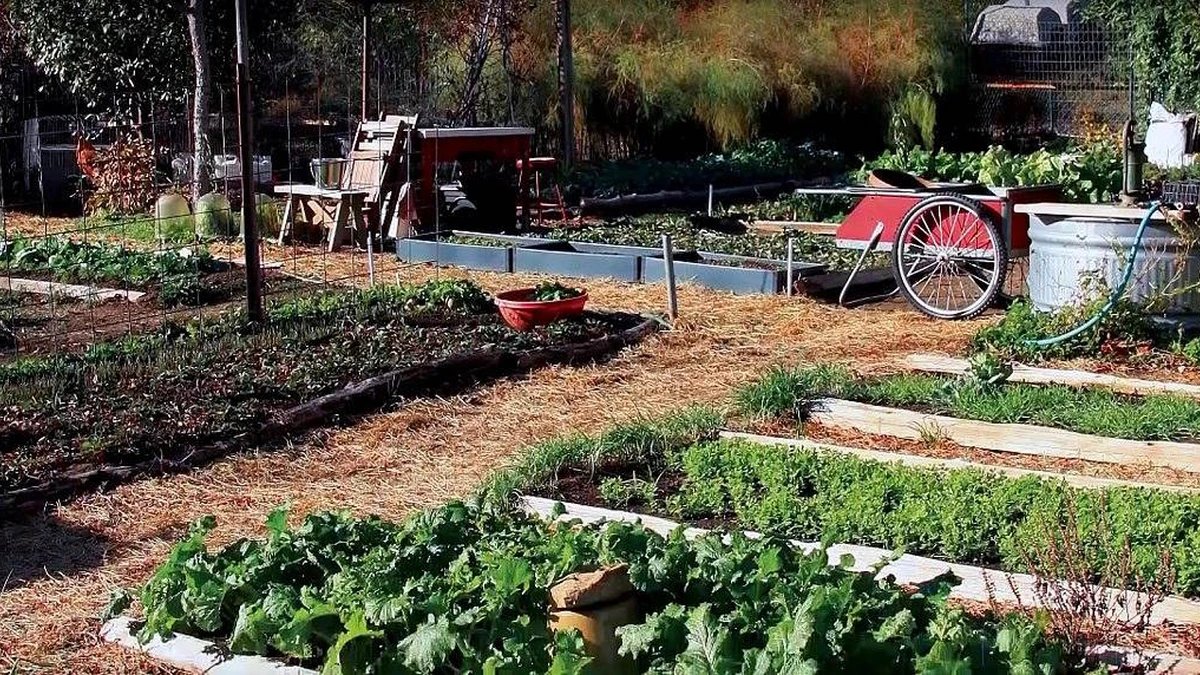
Choose an activity that is compatible with available space, light and time. A few herbs, a small vegetable garden or a recipe from common products allow you to learn without committing all the budget. Keep a log of tests, purchases and usable results. A successful harvest one season does not guarantee the same conditions the following year.
Account for resources and absences
Evaluate water, tools, storage and absences. Your garden may need care while you are away. Livestock farming involves ongoing care, local requirements and animal welfare obligations; it should not be added to the project as a mere food reserve. Check the owner's permissions and applicable rules before installing.
Learn food preservation separately
Producing a food is not enough to preserve it. Use proven methods adapted to the product and material. Canning, fermentation and dehydration are distinct processes. Do not replace a health instruction with a habit observed in a video. Start with small quantities and storage that allows for clear rotation.
Maintain useful services and connections
Pharmacy, shops, water from the network and neighbors do not become useless because you grow a few vegetables. Find out what your production is really improving and what still depends on a external service. Exchange skills in accordance with the food-safety rules and commitments of each. A shared activity can reduce the load without creating a one-person dependency.
Evaluate a complete growing cycle
Compare time spent, costs, usable output and enjoyment. Learning can be valuable even without financial savings. Expensive equipment is not automatically profitable or suitable for an emergency. Start with a small trial and a review date. Expand what works and drop what makes daily life harder. Independence grows through skills and additional options, not an imposed break with society.