
In this article
The floods of 29 October 2024 in eastern Spain, particularly Valencia province, caused a major human and material disaster. This article revisits that historical event to examine flash-flood preparedness. The original figure of 51 deaths was an early count, not a final toll. A kit and plan may facilitate departure, but do not make a flooded road passable or justify judging victims’ decisions.
This article examines those preventive measures and offers practical guidance for prepared residents seeking to protect their families and contribute to collective safety.
I. Spain’s floods: a tragic reminder
A. What happened
On 29 October 2024, torrential rainfall caused flash floods in several parts of eastern Spain. L’Alcúdia is in Valencia province, while Letur is in Albacete province in Castile-La Mancha. They must not both be described as Valencian localities. Floodwater affected homes, roads and vehicles with deadly consequences.
Spain’s weather agency AEMET linked the episode to a DANA, an isolated upper-level low, and conditions favouring intense, persistent precipitation. Weather warnings, including red warnings for affected areas, were issued. A weather warning describes a hazard: also follow local authorities’ operational instructions, whose timing and areas do not automatically coincide with forecasts.
B. Human and material consequences
The historical version cited a provisional 51 deaths early on 30 October 2024. It is not a final total: AEMET’s preliminary post-event report already referred to more than two hundred lives lost. We retain the distinction between early information and subsequent findings without presenting live coverage. Damage also involved:
- Destroyed homes: many houses flooded or were swept away, leaving families without homes.
- Damaged infrastructure: closed roads and collapsed bridges complicated responders’ access to affected areas.
- Overwhelmed emergency services: rescue teams worked to find missing people and help those affected despite dangerous conditions.
II. The importance of evacuation bags
A. What is an evacuation bag?
An evacuation bag, sometimes called a go bag, gathers essentials that can be taken quickly. It complements home supplies rather than copying them: three days of water for a whole family may be too heavy to carry on foot. The 72-hour reference organizes initial preparation; it is neither a guaranteed response time nor a point beyond which help is useless. Adapt the bag to mobility, health needs and transport.
B. Why is it important?
- Saving time: preparing in advance may avoid searching during an alert. If danger is immediate, do not delay reaching safety to gather objects or retrieve an inaccessible bag.
- Initial self-reliance: the first hours may be chaotic. Basic supplies and equipment help meet needs without awaiting outside assistance.
- Familiar arrangements: knowing the bag and plan may make some tasks easier. A prepared person may still be very worried; no kit guarantees reduced anxiety during a disaster.
C. Preparing an evacuation bag
1. Essential items
- Important documents: copies of identification, insurance policies, property deeds and health records.
- Water: for home supplies, PrépaCivile’s scenario starts with two litres per person daily for drinking plus two for food and minimal hygiene. Adapt to needs and instructions; this is not a medical prescription. Carry a manageable amount and identify safe replenishment. Do not load the bag so heavily that it compromises movement.
- Non-perishable food: energy bars, canned foods and dried fruit.
- First aid kit: bandages, antiseptics and personal medication.
- Lighting: a torch with compatible batteries or a checked rechargeable battery. A tested dynamo function may supplement it; it is not automatically preferable to an accessible working battery light.
- Battery or hand-crank radio: test local stations and controls. In Canada, distinguish AM/FM stations from the former Weatheradio service, which closed in March 2026. Verify what your device actually receives.
- Spare clothing: warm and waterproof items.
- Hygiene: soap, toilet paper and wipes.
- Cash: small denominations.
- Phone and charger: ideally with a power bank.
- Whistle: signalling location to responders.
2. Adapting contents
- Children: diapers, familiar age-appropriate food and a comfort item. For an infant, distinguish infant formula from ordinary powdered milk and plan hygienic preparation. Ready-to-feed formula may meet some needs if suitable for the child and stored correctly.
- Older people: specific medication and spare glasses.
- Pets: food, leash and veterinary documents.
3. Keeping the bag current
- Twice-yearly review: check dates and equipment condition.
- Accessible location: store the bag where it is easy to reach.
- Inform the family: everyone should know its location and contents.
III. Preparedness: an individual and collective approach
A. Learning about natural hazards
- Understand local risks: floods, earthquakes, wildfires and others.
- Take training: first aid workshops and municipal information sessions.
- Inform children: explain actions in suitable words and practise calmly. Adults remain responsible; do not assign children rescue missions or dangerous journeys.
B. A family emergency plan
- Meeting points: choose a safe place to reunite if separated.
- Emergency contacts: list numbers to call when needed.
- Announced exercises: follow a safe route, check accessibility and discuss an alternative. Avoid threatening simulations and do not actually call emergency services for practice.
C. Community participation
- Local engagement: join neighbourhood committees or volunteer groups.
- Municipal plans: identify where to find authorized routes and reception-centre opening announcements. A listed building is not necessarily open in every event, and a usual road may be closed.
- Neighbourhood awareness: encourage others to prepare, particularly vulnerable people.
IV. Early information: an important protective factor
A. Monitoring weather warnings
- Official apps and alerts: check geographic coverage, notification permissions and phone settings. No channel alone guarantees a warning if the network, battery or device is unavailable.
- Official websites: regularly check forecasts and safety advisories.
- Understand warnings: know alert levels and recommended actions.
B. Communication methods
- Battery radio: a way to stay informed during a power outage.
- Local alerts: register for municipal SMS or email notifications where offered.
- Social media: follow official emergency-service accounts.
C. Responding to alerts
- Take warnings seriously: do not ignore official instructions.
- Prepare in advance: agree on contacts and a safe place. During the event, do not cross floodwater to collect someone or enter a threatened basement or garage for equipment. Protecting belongings must not delay sheltering.
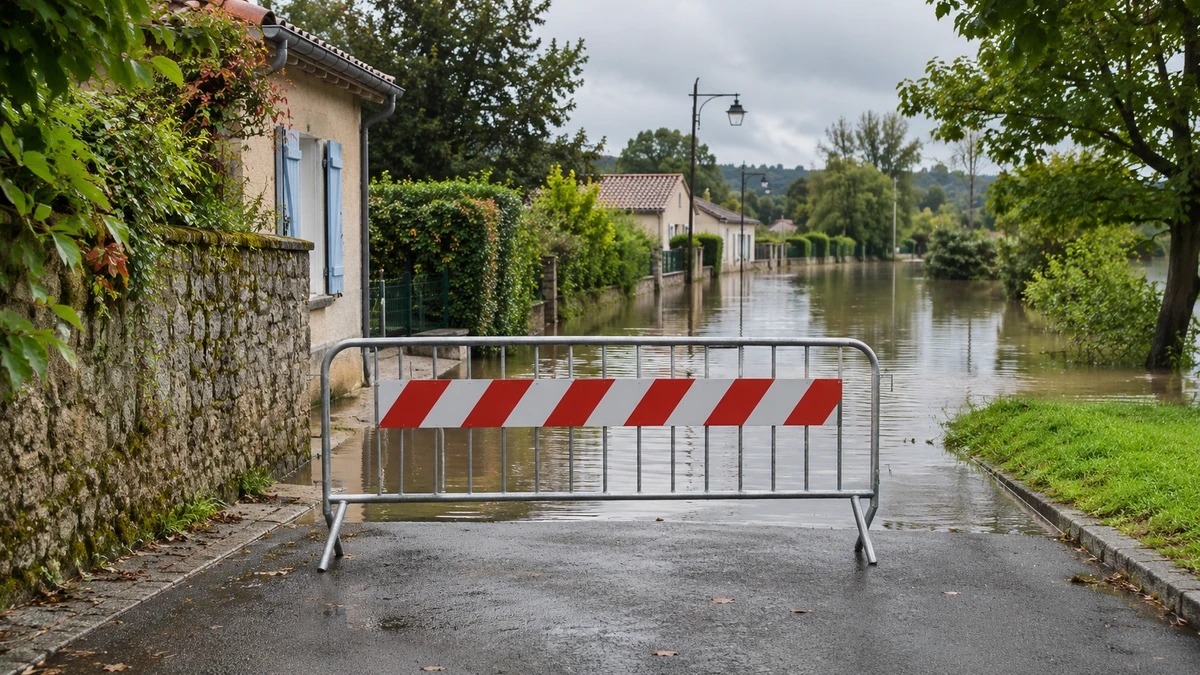
- Leave according to instructions: anticipate transport needs and respect evacuation orders. If water already blocks access, do not cross on foot or by car to execute a now-dangerous plan. Tell emergency services your location and assistance needs; do not assume a high-clearance vehicle can cross a flood.
V. Other useful preparedness actions
A. Solidarity and community help
- Helping neighbours: without exposing yourself, offer to check whether someone wants information or to report a need. Respect consent and choices; do not disclose contacts or health conditions in a public group.
- Share resources: pool information and equipment.
- Teamwork: cooperate to strengthen collective safety.
B. Prevention and environmental maintenance
- Preventive maintenance: in safe conditions, maintain accessible private gutters and drains according to building rules. Report blocked public drains to the municipality. Do not open manholes, enter pipes or attempt work in flowing water; these tasks require competent teams.
- Waste management: do not discard litter in streets or watercourses.
- Environmental awareness: promote practices reducing flood risk.
C. Supporting local initiatives
- Prevention programs: attend public meetings and risk-management workshops.
- Communicate with authorities: provide feedback to improve emergency plans.
- Volunteering: contact an organization or local arrangement before offering a mission. Rescue operations require suitable training, organization and authorization. Do not spontaneously enter a disaster area, risking obstruction or exposure.
Conclusion
Spain’s October 2024 floods recall the potential severity of flash floods. Practical lessons concern warnings, travel and assistance as much as bag contents. Preparation may reduce difficulties without eliminating danger or making victims responsible for their losses. Realistic resources and location-specific instructions provide more options as conditions deteriorate.
Act now:
- Prepare an evacuation bag and make sure the family knows where it is.
- Develop a family emergency plan and discuss it together.
- Stay informed about local risks and participate in prevention initiatives.
Together, we can reduce disaster impacts and protect what matters most: human life.
Appendices
Useful resources
- Red Cross: seek preparedness guides for your country and check their date rather than automatically transferring a list designed elsewhere.
- National weather services: AEMET’s study of the October–November 2024 episode documents historical context. For current conditions, consult forecasts and warnings for your location.
- Civil protection: in Quebec, consult instructions during flooding and municipal information. In Spain, consult Protección Civil and territorial authorities. Confirm reception locations and routes for the ongoing event.
Evacuation bag checklist
- Important documents: copies
- Water: suitable home reserves, a genuinely carryable amount in the bag and safe replenishment planned at the destination.
- Non-perishable food
- First aid kit
- Torch and batteries
- Battery or hand-crank radio
- Spare clothes
- Hygiene supplies
- Cash
- Phone and charger
- Whistle
Reminder: preparedness is an investment in your safety and that of people close to you. Give it attention.