
In this article
An interruption of access to the pharmacy or doctor is prepared with the professionals who know your treatments. The goal is not to rebuild a hospital pharmacy or learn to prescribe. It is to keep the information, the authorized products and the contacts allowing to continue appropriate care.
Keep an up-to-date medication list
Write down the medications taken, their strength, the prescribed instructions, allergies and pharmacy contact information. Date the list and update it after a change. Keep a copy accessible during a departure, protecting health information. A trusted person authorised to help must know where to find it; an illegible photograph of an old prescription may be insufficient.
Ask for a continuity plan
Talk to the pharmacist about reasonable quantities, renewals and possible steps in case of evacuation. The possibilities depend on the drug and local rules. Do not modify a dose to make a reserve last and do not share a prescribed treatment. For a refrigerated product or electrical device, ask for a specific plan of temperature, supply and remedy if conditions are no longer assured.
Prepare a separate bag
Keep the products in their packaging identified with the necessary accessories: appropriate measuring device, prescribed care equipment and useful contact details. The bag must be able to be carried quickly without staying in the heat in a vehicle. Check the dates and storage conditions with the manufacturer’s instructions. A product whose integrity is uncertain deserves professional advice, even if its packaging seems normal.
Avoid unsafe substitutes
Antibiotics do not treat all infections and are not a reserve to choose alone. Veterinary products, purchases of uncertain origin and colloidal silver do not replace medical treatment. The old suggestion of storing them is not repeated. Plant preparations can also have adverse effects and interactions; their natural origin does not demonstrate their effectiveness or safety.
Know when and how to seek help
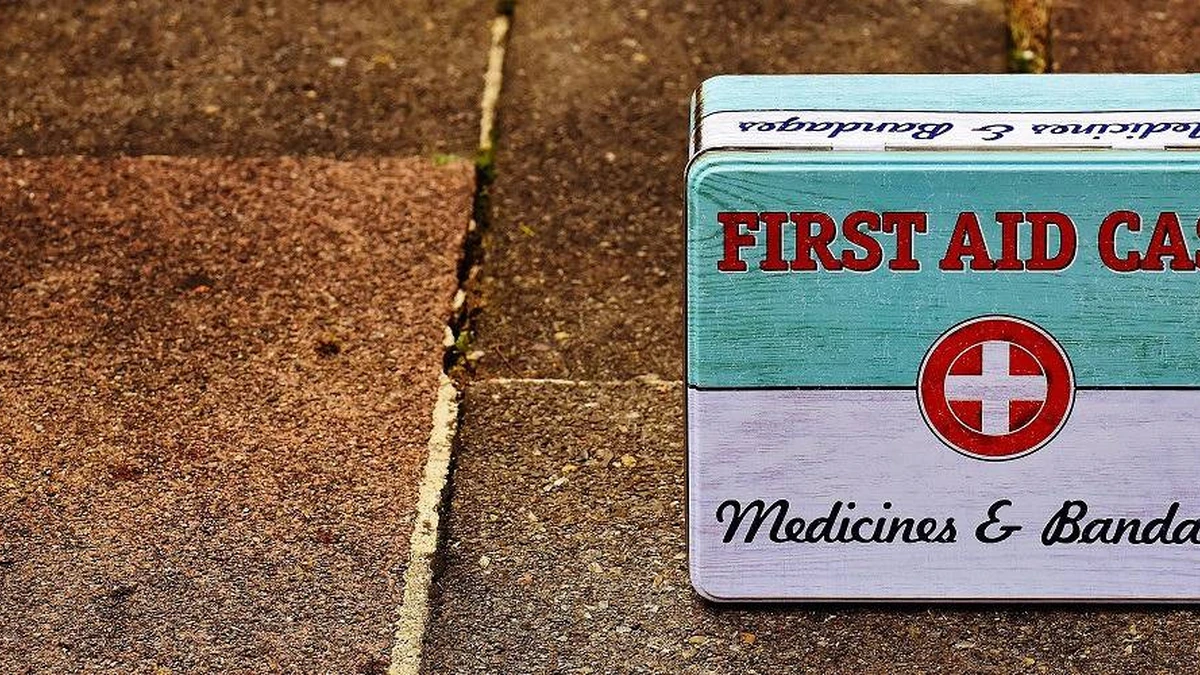
The kit and first aid training complete the care, without replacing it. In case of severe breathing difficulty, impaired consciousness or other immediate threat, call for help. For a non-urgent question, use the local health services and your pharmacy. The next step is to check your list with the pharmacist and then make a departure drill with the really necessary equipment.
Points: Canada , emergency kit ; Health Canada, opinions on unauthorized colloidal products.