
In this article
- Trotlines: do not transfer the method without authorization
- Funnel traps: one design, different possible rules
- Fishing weirs: do not alter a watercourse
- Nets: specific gear, not universally easy catches
- Hand fishing: a risky practice not to improvise
- Survival fishing requires more forethought and resourcefulness than an afternoon on the lake.
- Check rules before the outing
Fishing may interest people learning outdoor activities, but it is not a guaranteed food source during isolation. Permits, territory, season, species and authorized gear matter as much as technique. Planning food and a way to raise the alarm before an outing is preferable to relying on a catch. The methods remain here as a critical overview, not an exemption from rules in an emergency.
Knowing how to use a rod does not mean mastering every environment or catching a meal when needed. Conversely, a simple attended line is not necessarily less effective than a trap: the article has no yield comparison. Conditions, species and experience change results. Assess time, energy expenditure, cold and fall risks before any attempt near water.
So-called passive fishing uses devices left in place, but their use is regulated and often incompatible with ordinary rules for an attended line. In Quebec, conditions vary by method, species and zone; do not leave an installation for the day on the basis of this article. Some active methods also require specific skills and protection. The source promised dinner on return: no catch is guaranteed, and lost gear may continue trapping wildlife.
Five method families to distinguish before any use
Trotlines: do not transfer the method without authorization
A trotline is a main line bearing several hook leaders. Its principle occurs in certain fishing contexts but is not automatically an authorized recreational method where you are. Check permitted hooks, line numbers and attendance requirements against local rules, without assuming an exception because equipment is limited.
The source proposed stretching a rope above a narrow river passage. This can obstruct other users, create entanglement hazards and affect the environment; it is not offered as a setup to reproduce. Do not enter a current or cross water to secure a device. Apparently shallow water does not guarantee a safe crossing.
Suspending many baited hooks at regular intervals guarantees no harvest and raises compliance, injury and unintended-catch concerns. An abandoned line is not a food reserve. Choose an expressly authorized practice, know quotas and size limits, and remove all equipment. Do not consume a catch without identifying it and knowing waterbody-specific advisories.
Funnel traps: one design, different possible rules
A funnel trap guides an animal into a space from which escape is difficult. That principle does not make an improvised container authorized, selective or species-appropriate. Baitfish gear, for example, has particular conditions. Before considering a minnow trap or another trap, check the zone, period, permit and attendance or identification obligations.
The inverted bottle cited in the source illustrates the funnel shape, but sharp edges, loss in water and unintended catches are concerns. Do not put unsuitable plastic or containers into a watercourse to test a method. Shrimp, small fish and invertebrates are neither universally present nor all authorized for capture or bait in the same place.
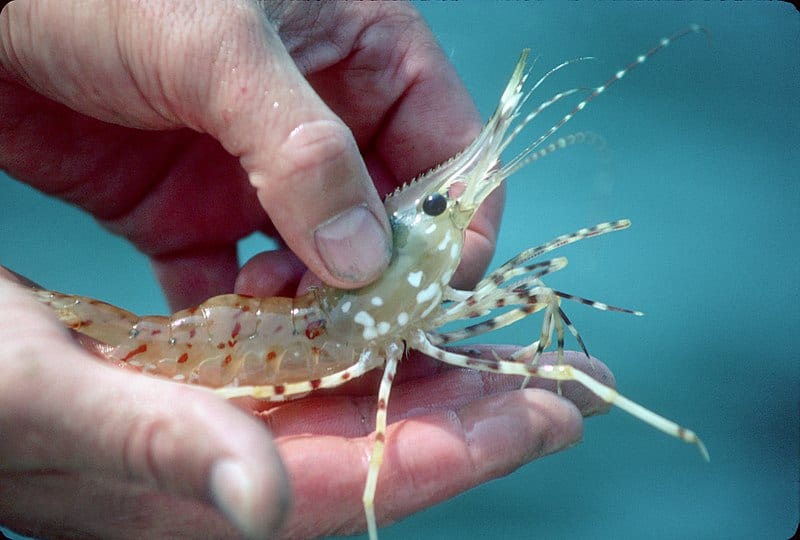
Opening size influences catches without guaranteeing selectivity or survival. Anchoring, retrieval and removal must be planned within an authorized framework, without hazardous attachments or risky access between rocks. Equipment must not become litter or a permanent trap. A technically functional setup is not proof of legal or ecological suitability.
Fishing weirs: do not alter a watercourse
A fish weir directs fish towards a passage or trap. These devices have specific historical uses, but reproducing them requires rights, permissions and environmental knowledge. They are not a long-term survival recommendation for an isolated reader. Work may be substantial, catches uncertain and effects on fish movement serious. A pool of live fish is not a pantry free of health and regulatory constraints.
The source described stones, reeds or sticks forming a barrier. The principle is retained without recommending construction in a watercourse. Moving materials and altering flow can degrade habitat, obstruct uses and increase risks. An ordinary fishing permit does not automatically authorize work on a bed or banks.
Allowing some water through does not alone make a weir safe or compliant. Flow changes, materials may be washed away and animals outside the target may be trapped. Do not undertake this installation or promise an easy catch as though in a closed container. For historical or technical learning, choose an authorized setting with competent people rather than improvising in a natural environment.
Nets: specific gear, not universally easy catches
A net can be made from various materials, but the possibility of making one guarantees neither effectiveness nor permission. The source treated fabric, branches and vegetation as a simple solution; strength, mesh and wildlife effects need assessment. Nets and dip nets are not authorized for every species. Check expressly permitted methods without cutting vegetation or using clothing in the water to improvise gear.
Fish used as bait are particularly regulated. In Quebec, possessing and using live baitfish is prohibited; other conditions apply to dead baitfish and their capture. Do not collect small fish to transport to another waterbody or assume all “minnows” are interchangeable. Invasive-species and disease risks make following precise rules important.
The instruction to start in deep water and walk shoreward with a net is not retained. Current, holes, obstacles and entanglement can be dangerous even near shore. An authorized method does not justify entering water without skills and protection. Prefer an accessible, safe fishing position within permitted conditions, and stop if the ground or water presents a risk.
Hand fishing: a risky practice not to improvise
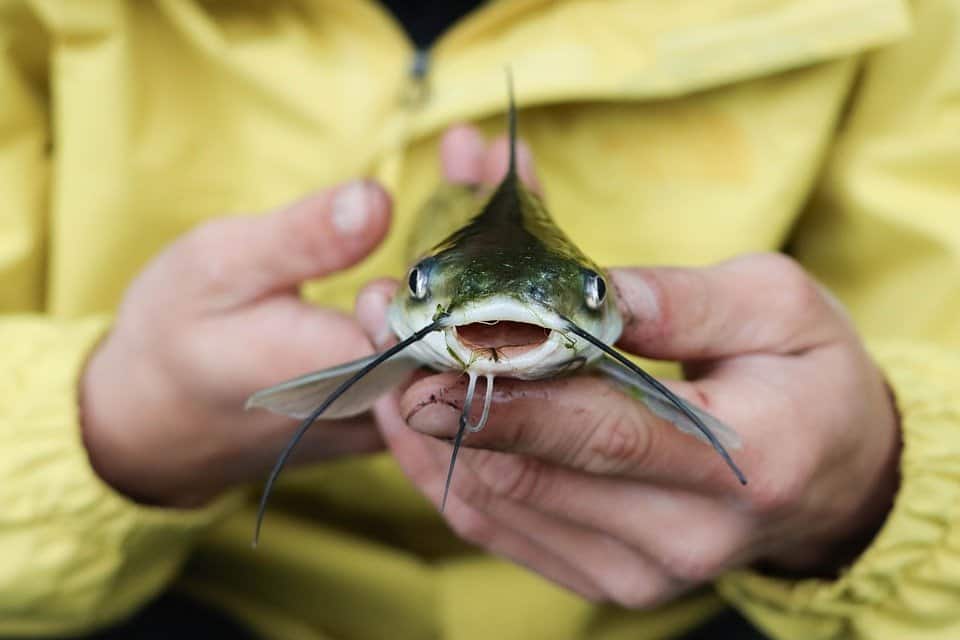
Some practices involve catching fish by hand inside a cavity. Their existence in a cultural or local context does not make them simple, safe or appropriate during an emergency. This article does not associate them with a social group or poverty. A cavity may contain an obstacle or an unexpected animal, and an injury while isolated can worsen the situation.
Do not blindly put a hand beneath a rock, inside a stump or into an underwater cavity. The source description does not identify what is there or guarantee you can withdraw your arm or maintain balance. An uncertain food gain must not obscure immersion, entrapment or injury risks.
Blocking an exit and grabbing a fish by the gills requires a technique that may injure both animal and person; it is not a capture recipe offered here. An unintended species or a fish requiring release would make the action especially problematic. Choose an authorized, familiar fishing method with suitable handling and release equipment.
Barbels must not be confused with spines on certain fins. A fish wound or embedded object needs a response suited to the species, depth and symptoms. Do not pull out a deeply embedded spine or routinely immerse every wound in uncontrolled hot water. Clean according to first aid advice and seek medical assessment—urgently for serious signs—rather than following a universal prescription from the source.
Survival fishing requires more forethought and resourcefulness than an afternoon on the lake.
Fishing with limited equipment can provide outdoor learning within a safe, authorized framework, but is not necessarily undemanding or energy-efficient. Season, site knowledge, equipment and rules limit options. Prepared food supplies and a planned route remain more reliable than waiting for a caught meal. If in difficulty, protection, raising the alarm and official instructions take precedence over a trapping project.
Submit a question or a contextualized experience through “Contribute to this article.” Contributions are reviewed before incorporation. Identify the location and regulatory framework without presenting catches as guaranteed or sharing advice to enter deep water or modify a watercourse.
Check rules before the outing
Quebec: fishing techniques and using bait. Also check the applicable zone and open periods. Elsewhere, use that territory’s rules: Canadian permission does not automatically transfer to France.