
In this article
When you feel like you’re being followed, the immediate goal is to reach a safe place and get help. Trying to check a spinning machine yourself by maneuvers, isolated detours or confrontation can increase exposure. A concern deserves to be taken seriously without turning every coincidence into evidence.
Distinguishing the Facts of Interpretation
The repeated presence of a person or a vehicle can have several explanations. Mentally note what is observable: place, time, movement, precise speech or gesture. Avoid simplistic “three appearances prove surveillance” rules.
You don’t need to identify the other person’s intention with certainty to take a cautious step. Entering an open place, contacting a loved one or asking for the support of a receptionist are possible steps when you do not feel safe.
On foot: favouring an open and busy place
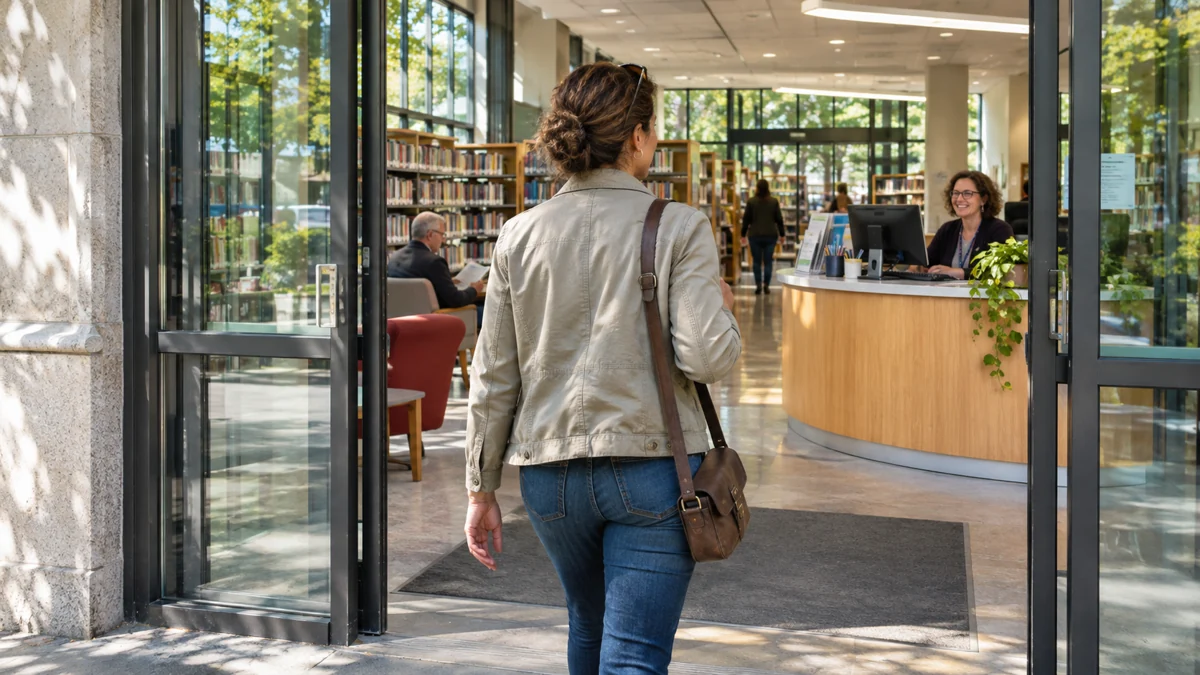
Head to a business, library or other open facility where staff are present. Ask for concrete help: stay close to the counter, use a phone or contact the relevant services. A busy place offers an opportunity for assistance, without guaranteeing security on its own.
Avoid joining an alley, isolated parking lot or service access to test a hypothesis. Do not enter stairs, tunnels or passages whose exit you do not know. If danger is immediate, call for help and describe your location.
A personal sound alarm can be a way to signal a difficulty nearby. Check the trigger and practical reach before wearing it. It does not replace a call or a suitable protection plan.
In-vehicle: Keep driving predictable
Continue to follow traffic rules. Avoid check brakes, hasty half-turns, and abrupt lane changes. These maneuvers can cause an accident without solving the problem.
If you think a vehicle is following you, look for an open place where help is available rather than isolating yourself. Do not handle the phone while driving; use authorized means or stop in safe conditions. Share the facts and let the competent services guide you.
Do not deliberately lead the other to a confrontation and do not go out to ask for explanations. The priority is to limit contact and maintain the possibility of assistance.
When incidents are repeated
After you have taken shelter, record the useful elements: dates, places, messages and possible witnesses. Keep communications without changing them. Do not take risks to photograph a person or raise a plaque.
Repeated follow-up, threats, and imposed communications can identify situations that require reporting. A police service or victim support organization can examine the context and possible approaches. A legal qualification is not inferred from a single index presented in an article.
If the worrisome person is a loved one, a former partner or someone who knows your habits, a personalized approach is especially important. Changes to accounts, places or access should be considered with competent people, taking into account your security.
Prepare a few benchmarks before you need them
On your usual journeys, find the open spaces, the reception desks and the means to call. Agree with a relative about a simple message to ask for help. Keep the phone charged and important contacts accessible.
This preparation does not require monitoring others or constantly changing all your habits. It is about knowing your possibilities. If the worry becomes constant or strongly disrupts ordinary activities, also seek appropriate health support.
Your next action: Identify two assistance locations on a frequent trip and keep contact information for a loved one. Discuss how to ask for help without having to immediately tell all the details.