
In this article
- Camping prepared and evacuation are two different situations
- Check the destination before considering it as a refuge
- Do not replace the instructions with a personal itinerary
- What Natural Exposure Changes
- Understanding the services offered to disaster victims
- Prepare several options without classifying them once and for all
- When the home remains usable
- An exercise that checks the plan without creating an emergency
- The return also requires authorization.
- Official sources
Leaving a threatened home does not mean having to live in a forest. An evacuation destination must be out of danger, accessible and able to meet the needs of people. A wooded area known for hiking does not automatically offer these conditions.
The decision isn’t about choosing between “staying at all costs” and “going out into nature.” Follow evacuation or shelter instructions and prepare several realistic options. Home storage does not make a building safe in the face of a threat that requires you to leave it.
Camping prepared and evacuation are two different situations
An outdoor outing is normally prepared with consulted weather, adapted equipment, an itinerary and return possibilities. Evacuation can occur without these conditions, with tired people, treatment to continue and access interrupted.
The camping experience remains useful, but it does not guarantee access to the site or safety during a disaster. An equipped chalet can itself be in the evacuated area, be threatened by a fire or depend on the same electrical grid.
Check the destination before considering it as a refuge
Ask specific questions: Is the place allowed and accessible? Does it have clean water, sanitation facilities, means of communication and adequate shelter? Who confirmed the reception and with what limits?
Examine the needs of children, seniors, people with disabilities and animals. A destination suitable for a mobile person may not be suitable for a home in need of care or accessible transportation. The proximity of a point on a map does not prove its accessibility.
Do not replace the instructions with a personal itinerary
A known road can be closed, flooded or exposed to smoke. Follow the routes and restrictions communicated by the authorities. Do not cross a dam or engage in water to reach a camp or second home.
A family plan prepares solutions; it does not prioritize a private road over a safety deposit. If you do not have a means of transport or need assistance, report it early to local services. Avoid waiting for the usual option to become unusable.
What Natural Exposure Changes
Wind, humidity, cold, heat, darkness and travel difficulties can quickly complicate the situation. An injured or exhausted person may need help that an isolated location cannot easily get.
Don’t rely on hunting, gathering or building a shelter to replace prepared food and accommodation. These activities require skills, resources and authorizations. A video demonstration does not know what will be achievable under the conditions of departure.
A fire can be prohibited or dangerous, especially in times of drought or near a shelter. A survival blanket and a bag are not a guarantee of protection against the cold. The equipment must be adapted to the environment and people, with possibilities of rescue.
Understanding the services offered to disaster victims
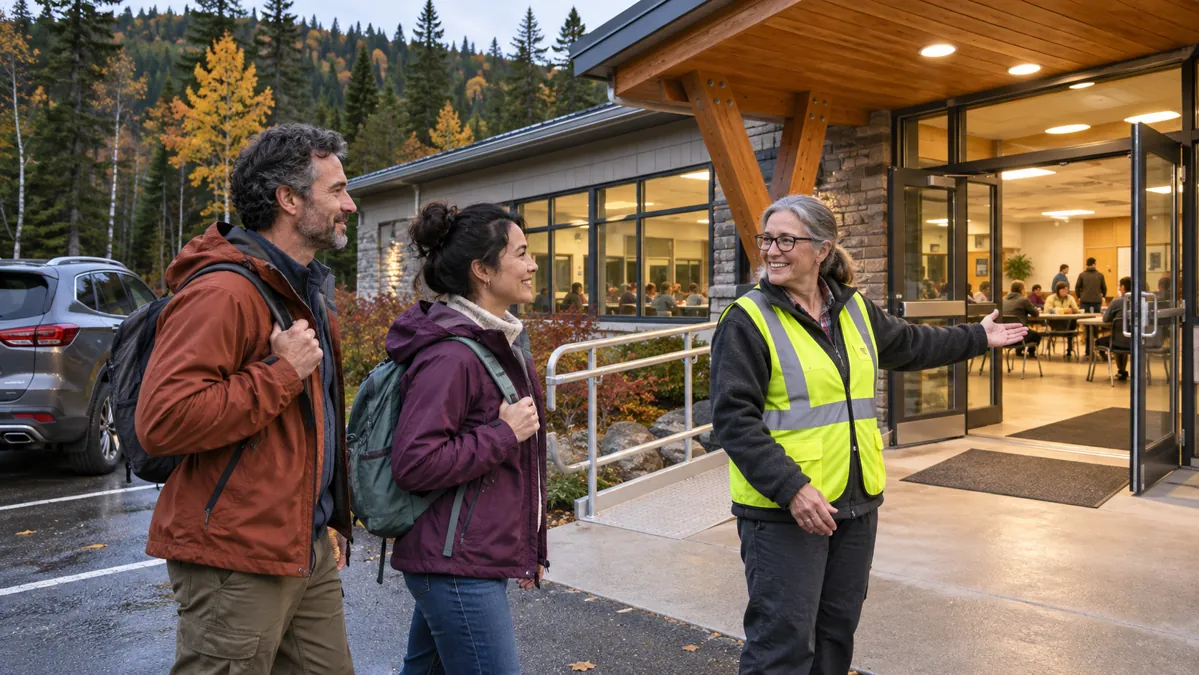
In Quebec, the municipality can set up a disaster services centre and indicate temporary accommodation options. Check local information and register at the reception desk when you go there.
These devices should not be confused with homeless shelters. Occupancy statistics do not describe the capabilities of an open evacuation centre. The services available vary depending on the event; ask what is actually offered.
Report mobility, communication, care and feeding needs. If an animal accompanies you, check the applicable terms rather than assuming that it will be admitted or refused anywhere. Seek a solution with those responsible without delaying a necessary departure.
Prepare several options without classifying them once and for all
An out-of-area relative, an accessible place of accommodation or an official centre may be appropriate depending on the circumstances. The most comfortable option in normal times may be less safe during the event. Compare the destination, the route and the needs of the home.
Confirm agreements with loved ones and keep contacts on paper. Plan what to follow: treatments according to the plan of care, mobility aids, necessary documents, telephone, clothing and comfort items. Carry what you can actually wear.
When the home remains usable
A home preparation can help during certain disturbances, as long as the place remains safe and the instructions allow to stay there. Examine water, power, lighting, communications, and continuity of care.
Never use a barbecue, camping stove or generator inside. If the health needs or housing conditions can no longer be insured, look for a suitable solution early. A reservation announced for several days does not replace the assessment of the real situation.
An exercise that checks the plan without creating an emergency
Normally, re-read the route, confirm a welcome and check the contacts. You can examine the weight of luggage and transportation needs. It is not necessary to voluntarily expose the family to the cold or isolate themselves without means of rescue.
Note the common dependencies: two destinations served by the same bridge, a single vehicle, a medical device without charging. Seek realistic improvement and seek advice from relevant services for specific needs.
The return also requires authorization.
Wait for instructions from the authorities before entering an evacuated area. A reopened itinerary does not prove that every building is safe. Find out about the return instructions and the required checks.
The preparation is used to have options and to ask for the appropriate help. It does not make the home a universal solution or the forest an automatic refuge.