
In this article
Preserve usable information during the crisis and transform the observed difficulties into concrete improvements after the event.
Distinguish what is known from what is supposed
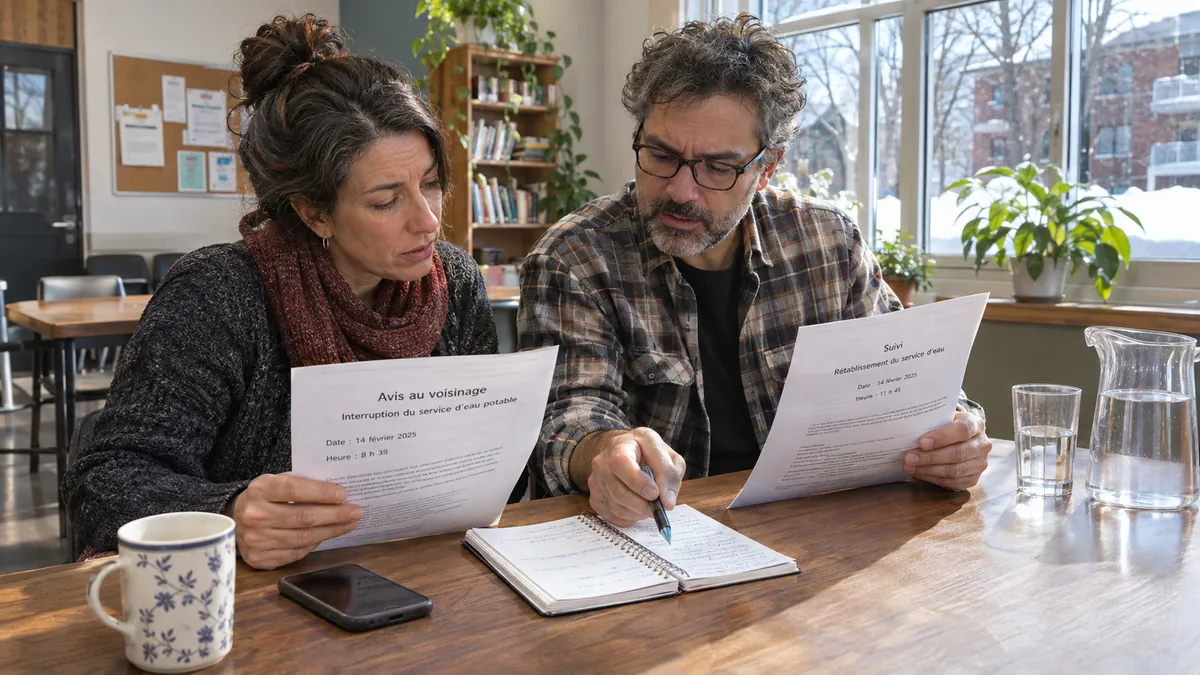
Initial information can guide all subsequent decisions. Write down its source, time, and territory, then separate confirmed facts, assumptions, and pending issues. A subsequent correction must lead to a reconsideration of the decision, not to defend the first impression.
The verification must not delay immediate protection or the application of an official instruction. When the situation allows, a second person can re-read information or report a forgotten item. This support does not constitute an obligatory veto before every urgent gesture.
Recognising the limits of the group
Forgetfulness, unattended tasks, contradictions or significant fatigue can signal a difficulty in continuing the planned organization. These observations are not a medical diagnosis and do not alone measure the actual capacity of the group.
Reduce non-essential tasks, clarify priorities, take over and ask for help. A person should not indefinitely carry the coordination and needs of others. In case of danger or medical need, use the appropriate services without waiting for an internal assessment.
Prepare for recovery as well
The end of an alert does not mean that housing, water or facilities are safe. The return depends on the necessary authorizations and verifications. Protect documents and useful evidence, and ask for instructions before cleaning or recommissioning.
Recovery is also about health, income and social connections. Relatives may need support while technical services have resumed. Don’t set a uniform date that everyone should have recovered to.
A simple feedback experience
- What happened, according to observations and known times?
- What has been useful and deserves to be maintained?
- What has missed or created a difficulty?
- What correction will be made, by whom and when realistically?
Organize this exchange when people can participate, without imposing a traumatic narrative. An early exchange may note the facts; a later revision may deepen. Follow-up is more important than a rigid calendar or the search for a culprit.
Sources and Updates
Documentary verification: November 3, 2026.
Put this reading into practice
Perform the action as you wish and then check the result. Your follow-up remains specific to this route.
Understanding Resilience: Step 8
Check, learn and recover
Your action: After an actual exercise or difficulty, distinguish facts, effects, and improvements, and then choose a feasible follow-up.
To check: A useful lesson and a leader are noted; people are not indicted.
To do