
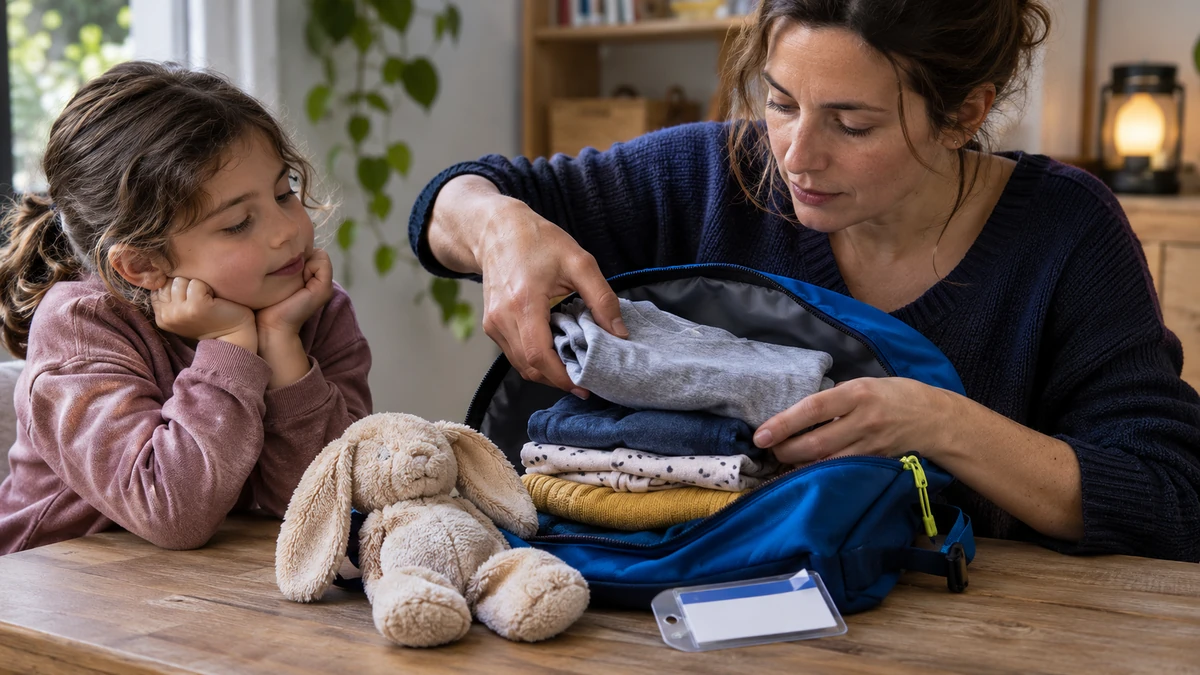
Preparedness for children contributes to developing resilience and safety awareness. This article examines why these practices belong in everyday family life.
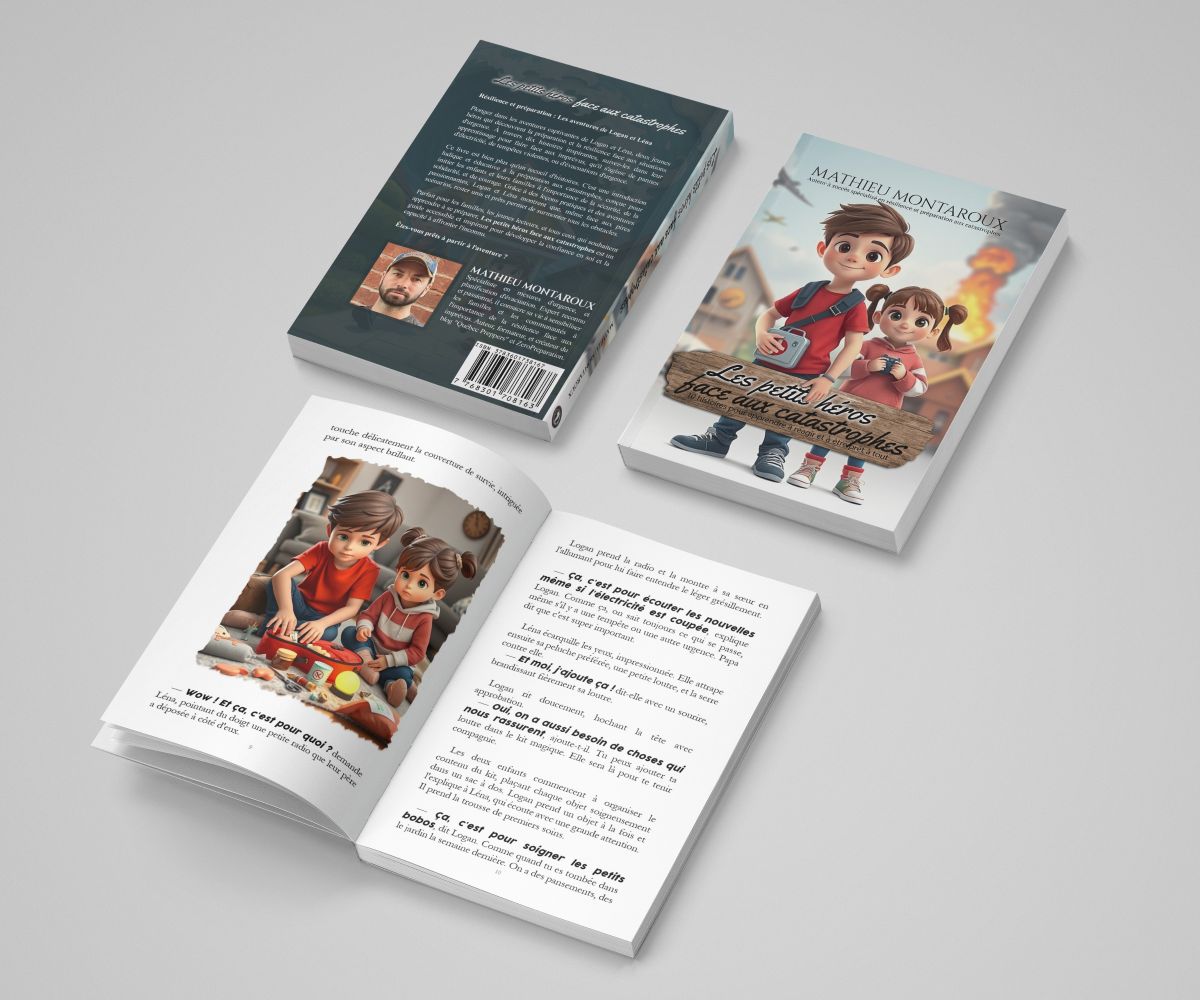
How can we discuss the unexpected with children without turning daily life into waiting for a catastrophe? An outage, storm or evacuation raises practical questions: where to find an adult, what a torch is for and which comfort item to take. The historical publication presented Mathieu Montaroux’s book, “Les petits héros face aux catastrophes,” as a discussion aid. This version retains its characters and themes without announcing a new release, price or delivery availability that has not been verified.
The original presentation describes a story intended to start conversations about resilience, mutual help and preparedness. Logan and Léna are the central characters, inspired by the author’s children. A story may help name a question and discuss it with an adult; it guarantees neither behaviour during an emergency nor psychological protection. Parents can choose what to read, explain differences from their own home and stop if a child feels uncomfortable.
Why preparedness matters for children
Why a preparedness book for children?
Start with an instruction the child understands and an action suited to their abilities. There is no need to explain every scenario or make the child independently responsible during an emergency. The adult retains responsibility for protection. A story, drawing or game can provide a starting point; checking what the child understood allows adjustment rather than assuming a message reassures every reader.
Les petits héros face aux catastrophes offers stories in which Logan and Léna, two curious and courageous children, learn about emergencies including storms, fires and power outages. By turning these situations into engaging adventures, the book presents preparedness in a reassuring, playful way.
Introducing children to preparedness today can support their confidence and abilities for the future.
The book’s heroes: Logan and Léna, inspired by the author’s family
In the book’s presentation, Mathieu Montaroux explained that his children, Logan and Léna, inspired him. This family origin is retained without adding private episodes or presenting every adventure as something that actually happened. A character inspired by someone remains a story character; readers may relate to it without confusing the story with testimony documenting every situation. No additional family experience is created for this adaptation.
Their situations draw on real preparedness scenarios adapted for young readers. Logan, the older child, enjoys discovering how emergency-kit items work, while younger, more dreamy Léna finds comfort in the favourite soft toy included in her evacuation bag. Together, they discover preparedness and family cooperation.
How to teach preparedness to children
An educational, playful book for learning through enjoyment
Each adventure is designed to be educational and enjoyable. Children discover how to use a torch, prepare an evacuation bag, listen to the radio during a power outage and cooperate with neighbours on preparedness.
The themes described in the presentation can lead to small family activities. Outcomes depend on age, abilities and adult support; a book does not certify skills. Some possibilities:
- Prepare a kit with an adult: identify water, a light and a comfort item. The child does not need to carry a heavy reserve or handle medication, tools or hazardous equipment alone.
- Understand an instruction: demonstrate the planned action at home and discuss it without demanding calm in every circumstance. Actions differ between a fire, storm and sheltering; avoid one identical rule for every alert.
- Discover mutual help: explain how an adult verifies information, contacts a neighbour or organizes assistance. Do not assign the child a mission to visit someone alone or enter an uncertain area.
Presented enjoyably, these basic ideas help children understand the value of safety and resilience in their lives.
Reading as a family: sharing time around preparedness
Les petits héros face aux catastrophes is not only a children’s book; it also invites parents to share learning and discussion as a family. Reading together opens a conversation and raises an important question: “What would we do in that situation?”
After reading, ask “What would be different in our home?” and choose a simple action: locate a light or recognize the agreed meeting point. An evacuation exercise must follow the actual plan and remain supervised; a book scene is not a universal protocol. Do not call real emergency services as part of a game. Preserving enjoyment and allowing the child to ask their own questions matter as much as completing an activity.
The presentation therefore describes stories where children can reflect, express an emotion and ask for help. No passage is added here as though verified against the book. For an actual reading, refer to the work itself and distinguish fiction from instructions agreed with the adult.
Finding the book reference
The historical text announced an Amazon offer. Price, formats, availability and delivery times must be checked against the current reference before any commercial offer; fast delivery everywhere cannot be promised here. The book belongs in the presentation of the author’s resources and must not automatically appear as advertising below other articles. This guide’s activities remain accessible without a purchase: discussing, drawing a plan and locating a light do not require the book.
If a family wishes to review the book on a platform where they read or bought it, the review must remain voluntary and sincere, without a benefit or expectation of a positive rating. An educational question can also be submitted through “Contribute to this article,” subject to moderation. Do not publish children’s personal information or routines there.
Preparing younger generations to become responsible citizens
Offering a story can create a reading moment and questions about safety. It guarantees neither lasting skills nor a particular reaction to a disaster. The resource’s value also depends on adult support and the child’s needs. Listening, demonstrating and practising a suitable instruction makes the exchange practical without asking children to take responsibility for the family plan.
Start with a resource of your choice: a book already available, a drawing or a story told together. Keep an enjoyable pace, ask what the child remembers and check the link with household instructions. Adults can then note a question for further exploration or plan a short exercise; preparedness adapts to the family without requiring a purchase.
The historical text contained an unqualified purchase-link placeholder. The listings below now match the French-language title discussed here; check format, language and edition on each market before buying. The book remains an optional learning support and does not guarantee readiness for every situation. Affiliate links: Amazon.ca — Canada · Amazon.fr — France
Reading themes: personal and community preparedness, family cooperation, childhood and learning. These can be explored through various age-appropriate resources without associating safety with a brand or purchase.
Additional public guidance: preparing children for emergencies — Public Safety Canada. Chosen instructions must match the home and the people’s abilities.