

In this article
This article continues a hypothetical exercise involving major disruption to Montréal’s connections; it does not describe the actual or announced destruction of bridges. A prolonged disruption can have psychological effects alongside practical difficulties: stress, worry, fatigue or worsening of existing problems. Reactions differ according to people, their experiences and available support. Preserving familiar routines and access to appropriate help is part of preparedness.
This article explores ways to manage stress, strengthen psychological resilience and maintain strong social connections despite adversity. Caring for mental well-being can help you face everyday challenges and support people around you.
I. Managing stress and anxiety
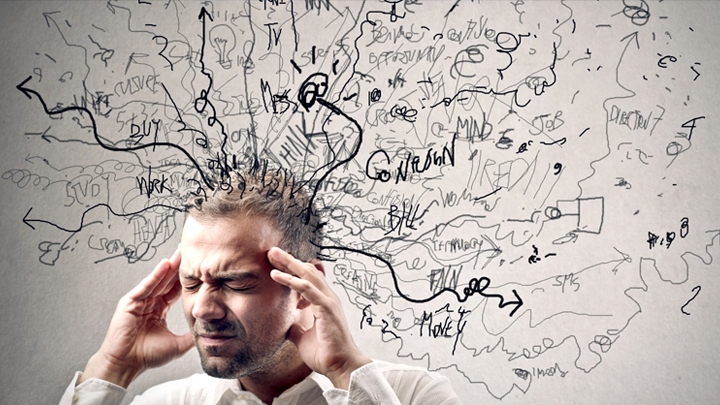
Noticing changes in sleep, mood or habits can help you ask for support and try ways to feel calmer. The signs below are not a diagnosis: they may also have other causes. A new, intense or concerning physical symptom should be assessed rather than automatically attributed to stress.
A. Recognizing symptoms
1. Physical signs
- Excessive fatigue
- Muscle tension
- Sleep difficulties
- Heart palpitations
2. Emotional signs
- Irritability
- Feeling overwhelmed
- Difficulty concentrating
- Sadness or apathy
B. Relaxation techniques
1. Breathing exercises
- Breathing: if comfortable for you, gently slow your breathing without forcing inhalation or holding your breath for a long time. The historical pattern of breathing in for four seconds, pausing for four and breathing out for six is an example, not a universal prescription. Stop if the exercise causes dizziness or discomfort; choose another way to settle and seek advice if needed.
2. Meditation
- Guided meditation: apps or recordings can help you focus and calm your mind.
- Mindfulness: pay attention to the present moment and bodily sensations without judgement.
3. Physical activity
- Moderate exercise: walking, yoga or stretching may reduce stress and improve mood.
- Effects on well-being: suitable activity may support mood, sleep and routines. Its effect varies; there is no need to invoke a single endorphin mechanism or turn exercise into an obligation. A break or a seated activity may also be appropriate.
C. Limiting exposure to distressing media
1. Selecting information sources
- Reliable information: prioritize official communications and established media.
- Avoid overload: limit time spent consuming news to reduce anxiety.
2. Avoiding rumours
- Fact-checking: verify information before sharing it to avoid spreading false reports.
- Caution on social media: remember that information posted there is not always verified.
II. Maintaining social connections
Physical isolation need not become social isolation. Maintaining relationships is crucial for mutual support and morale.
A. Communication with people close to you
1. Using available technology
- Phone calls: a voice conversation can provide comfort.
- Video calls: seeing one another can help maintain a social connection.
2. Keeping in regular contact
- Schedule time: arrange regular opportunities to talk with people close to you.
- Group conversations: create groups with family or friends to share news and support.
B. Taking part in community activities
1. Local initiatives
- Support groups: join or create neighbourhood groups to share resources and information.
- Outdoor activities: consider a walk or time together only if the area is accessible and conditions and instructions allow it. Adapt exertion and travel to the people involved; do not create an additional risk to maintain an activity.
2. Volunteering
- Helping vulnerable people: offer older people or those with reduced mobility assistance with shopping or other needs.
- Contributing to the community: active participation strengthens belonging and gives purpose to your actions.

III. Using time productively
Chosen activities can provide structure and some respite without, on their own, preventing difficult thoughts. Rest matters too. A person without the energy to learn or produce is not failing to recover; offer small options and respect their pace.
A. Learning new skills
1. Creative activities
- Visual arts: painting, drawing and sculpture can offer outlets for emotions.
- Music: learn an instrument or listen to calming music.
2. Personal development
- Reading: spend time with books that interest or inspire you.
- Learning: use familiar courses or resources if the network and power supply permit. Plan paper materials and screen-free activities too; do not assume online services remain accessible during a prolonged outage.
B. Regular physical activity
1. Exercises at home
- Exercise programs: follow videos or apps to stay active at home.
- Stretching: maintain flexibility and reduce muscle tension.
2. Spending time outdoors
- Gardening: if space, season and safety conditions allow, caring for plants can be an enjoyable activity. It is neither a treatment for everyone nor an obligation to enjoy the outdoors.
- Outdoor activities: walk, run or cycle while following safety instructions.
IV. Seeking professional help when needed
It is important to recognize when you need additional support.
A. Contacting mental-health professionals
1. Available services
- Remote support: consult public psychosocial support resources and check current contact details and availability. Whether a service is free and how confidentiality works depend on that service; do not infer these conditions from an old list.
- Remote consultations: some professionals offer them when connectivity, privacy and their practice framework allow. Plan another contact method if the network is unavailable; a remote consultation is not necessarily available immediately.
2. Do not hesitate to ask for help
- Stigma: remember that seeking help is nothing to be ashamed of.
- Seeking support: consult when reactions worry you, persist, worsen or prevent essential activities. Early assistance may help, without guaranteeing rapid recovery. You can ask for help even when you cannot name what you are experiencing.
B. Supporting others
1. Listening
- Offer an attentive ear: sometimes listening can make a substantial difference.
- Encourage seeking help: if someone close to you is suffering, encourage them to consult a professional.
Conclusion
Maintaining mental health during isolation is challenging, but it is also an essential part of individual and collective resilience. Caring for yourself, staying connected and spending time in positive ways may help you navigate a difficult period with greater ease.
The next article in the series addresses cooperation with authorities and emergency services, with guidance on following official instructions and participating in collective efforts.
Keep in contact and allow yourself breaks: people move through the situation at their own pace. You do not need to appear strong all the time to support those close to you or ask for support.
Note: this series raises awareness of the importance of preparedness and well-being during a crisis. The strategies presented may be useful in different circumstances involving isolation or intense stress.
Next: cooperating with authorities and emergency services
The next article discusses the importance of following official instructions and contributing effectively to relief efforts.
To share an experience or ask a general question, use “Contribute to this article,” subject to moderation. Do not submit identifiable health information or expect an urgent clinical response; this editorial form does not replace a care service.
Further reading: Recovering after a disaster — Government of Quebec. This resource distinguishes possible reactions, supportive actions and ways to request help.
Two items for putting these ideas into practice
Record roles, contacts and decisions, then plan charging for the phone used to communicate.
Affiliate links: as an Amazon Associate, PrépaCivile earns from qualifying purchases. These examples are optional. Check the model, package contents and terms. Use equipment you already own first.
Notebook for household information
Canada: three-pack; France: individual notebook. Compare size and quantity.
Canada — Amazon.ca
 Rite in the Rain Lot de 3 cahiers à spirale résistants aux intempéries, 7,6 x 12,7 cm, couverture noire, motif universel (n° 735-3)View on Amazon.ca
France — Amazon.fr
 Rite in the Rain toutes saisons carnet a spiral , 7,6 x 12,7 cm Étanche NoirView on Amazon.fr
Power bank for a compatible phone
Check connectors and cable. This is not backup power for a medical device.
 Anker Chargeur portable USB-C 10 000 mAh 30 W
 Anker Zolo Batterie externe 10000 mAh 30 W avec câble USB-C