
In this article
Self-reliance and homesteading need not mean cutting ties with the outside world. They aim to regain some control over food, energy and the immediate environment, while building a more sustainable and resilient way of life consistent with personal values.
This Guide covers the practical dimensions of a more autonomous lifestyle: property selection, Competences essential, food production, livestock, water and energy management, Conservation food, and building a community network. The principles presented apply in rural Quebec as well as in peri-urban areas or urban agriculture.
Understanding self-sufficiency and autonomy
The way of life of the family farm
Homesteading combines traditional farming practices with contemporary sustainable approaches. It aims for a more independent domestic operation of commercial services and supply chains, without necessarily seeking a total shutdown of the network.
Associated practices include organic farming, small-scale livestock farming, the use of renewable energy and the development of manual know-how. The goal is not absolute perfection or autarky, but a gradual expansion of the household’s ability to provide for itself.
The concept of self-sufficiency
Self-sufficiency refers to the ability to cover basic needs without permanent dependence on external sources: Food, WaterShelter, energy. In practice, it is declined in degrees rather than in absolute, a focus can be very autonomous on the power supply and still dependent on the electrical network, or vice versa.
The Path to Self-Sufficiency
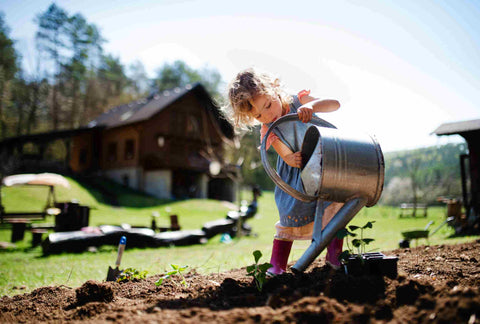
The transition to a more autonomous lifestyle is a gradual process that requires the acquisition of new skills, an adjustment of the daily rhythm and a constancy in effort. The documented benefits include greater food security, a reduction in everyday consumption expenses, a direct relationship with natural cycles and a stronger alignment between values and daily practices.
Main areas of intervention
- Food production, gardening, orchards, cereals, conservation and Storage
- Livestock, meat, eggs, milk, co-products (garden manure)
- Energy independence, reduced dependence on the grid (solar, wind, wood)
- Water management, rainwater collection, wells, economical irrigation
- manual know-how, Construction, repair, maintenance of structures and equipment
- Community network, exchanges, mutual assistance, continuing education
Steps of implementation
- Property selection and evaluation (soil, water, climate, regulations)
- Verification of legal compliance (zoning, permits, codes)
- Development planning (gardens, livestock, buildings, seasons)
- Progressive development of production skills
- Implementation of conservation and storage systems
- Integration of autonomous water and energy management
- Establishment and maintenance of the local community network
Starting a family farm
1. Choosing the property wisely
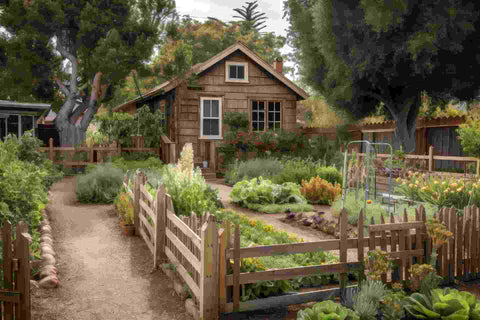
Topography and local conditions
Climate, orientation and location influence crops and water needs. Consult local horticultural benchmarks and risks of flooding, forest fire or winter access before investing; a generic hardiness range does not replace the assessment of the parcel.
Area of land
A small area requires less maintenance but limits certain activities, including goat or cattle breeding. Municipal and provincial regulations in Quebec regulate the presence of livestock, poultry, beekeeping, rainwater collection and direct sale on the farm, these rules vary significantly from one RCM to another and deserve to be checked before any investment.
Accessibility to resources
Reliable access to water is the most critical resource, well, source, stream or rainwater collection system. The quality and structure of the soil conditions the possibilities of food production. The availability of local materials (timber, fuel) and the proximity of essential services influence the cost and feasibility of the project in the long term.
2. Evaluate the existing property
Any property has advantages and constraints. Even in a transitional phase, rental or urban environment, it is possible to start on a small scale, vegetable garden in lasagna on compact land, poultry farming if the regulations allow it, rainwater collection, solar energy production.
3. Local laws and regulations
The Knowledge The regulatory framework before investing avoids costly mistakes. The rules vary widely among municipalities, RCMs and provinces. The agricultural zoning in Quebec is supervised by the Commission de protection du territoire agricole (CPTAQ) for green zone land, any agricultural zone exploitation project should integrate this reality from the planning phase.
Zoning frames the use of the land and the types of development allowed. Professionals in surveying, rural brokerage or municipal law can provide useful insight for complex projects. General principles of zoning.
4. Planning the development
Observing the terrain for a full season before setting up, sunshine, shade, prevailing winds, wetlands, makes it possible to make better implantation decisions. Permaculture provides a useful design framework for organizing the elements of a farm based on their interactions and frequency of use.
Proximity
Short distance elements
Aromatic herbs near an entrance (frequent passages), main vegetable garden accessible from the kitchen, gardening tools within reach of work areas.
Intermediate distance
Medium distance elements
Compost accessible but far from the openings of the house, orchard and berries, greenhouse or growing tunnels.
Periphery
Elements in the periphery
Poultry and livestock space within reasonable distance of the house, fuel storage, heavy equipment, extensive crops.
Essential skills for a sustainable lifestyle
1. Gardening and food production
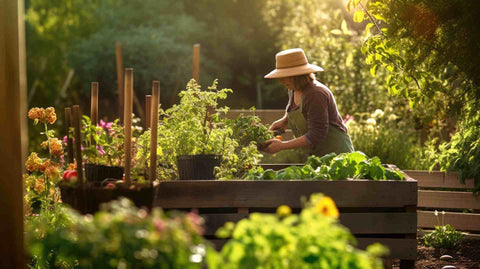
Food gardening is the central pillar of any self-sufficiency approach. It covers the choice of crops adapted to the climate and local soil, rotation and amendment practices, integrated biological management, and methods of crop processing and conservation.
Livestock care
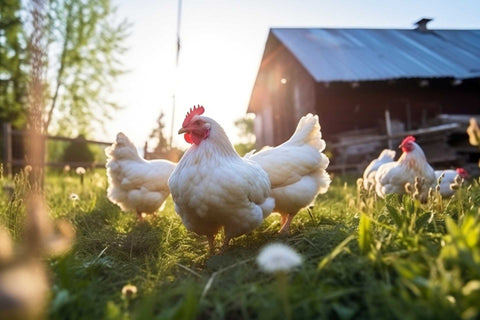
Small-scale farming provides animal protein (eggs, meat, milk) and garden-useful co-products (manure). Control of animal welfare, food, shelters adapted to Quebec winters and veterinary care Base is indispensable.
Livestock resources
Quebec Context for Livestock
Breeding requires shelter, water, food, care and replacement when the person in charge is absent. Have the needs of the species and local rules checked prior to purchase. Do not assume that an authorization valid in another municipality applies to you.
2. Conservation and storage of food
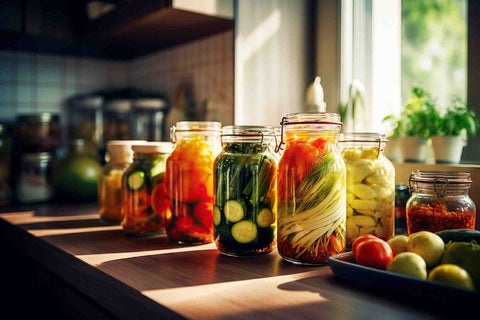
Mastery of conservation methods is what transforms an abundant production season into real food autonomy throughout the year. Canning under pressure, bain-marie, dehydration, fermentation and cold storeroom are all the main techniques.
The Cold Cellar in Quebec
The storage needs differ according to the harvest: humidity, temperature, ventilation and vicinity of the products must be adapted. A single setting is not suitable for all squash, onions, apples and root vegetables. A cool cellar does not guarantee storage until a fixed date; check each category with an appropriate reference.
3. Resource management
Water management
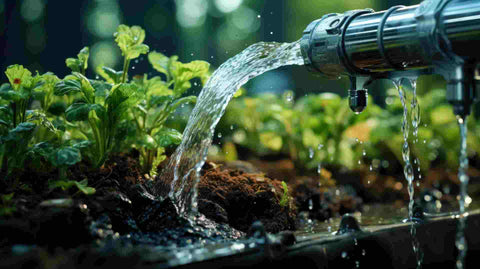
Autonomous water management combines reducing consumption and diversifying sources of supply: artesian wells, rainwater harvesting, use of greywater for irrigation, and drip irrigation systems to reduce losses.
Energy management
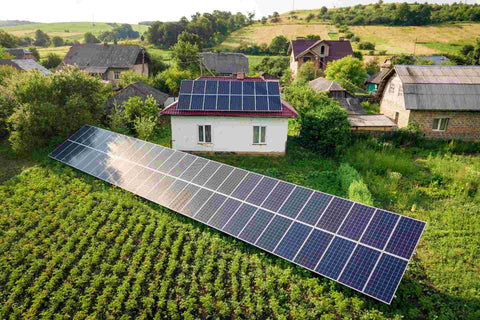
Energy independence in a Quebec family farm is generally based on a combination of sources: firewood (accessible and renewable locally), solar photovoltaic and / or thermal, and in some wind contexts. The energy performance of the building, insulation, air tightness, triple glazing, is generally the most profitable lever before any investment in energy production.
Waste management and composting
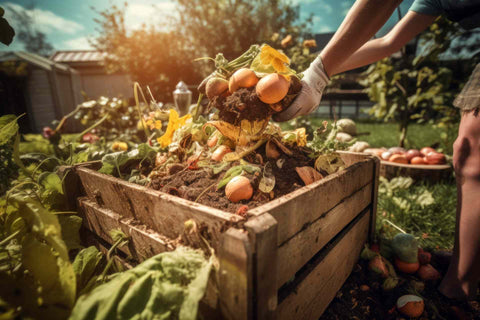
In a family farm, biowaste is a resource rather than a waste: compost for the garden, animal litter, peels, crop residues. A well-sized composting system closes the loop between food production and soil amendment.
- Responsible disposal of waste
- Composting, principles and benefits
- Return and manage compost
- Compost toilets, DIY guide
4. Basic skills in construction and maintenance

Developing maintenance skills is helpful, but electrical, structural, plumbing, or heating work may require a qualification, authorization, or professional. Define the tasks you can perform and those that must be assigned before disassembling equipment.
Key factors and challenges
Unforeseen expenses
Find out from the relevant bodies about any available programmes and their criteria. A home autonomy project does not automatically benefit from agricultural or energy aid. Don’t build the budget on an unconfirmed grant.
Time and energy
The routine maintenance of a family farm, animals, gardens, wood supply, harvesting and conservation, represents a regular and non-negotiable workload. An honest assessment of the available time, combined with a gradual implementation of the different systems rather than a simultaneous full start, reduces the risk of overload and premature abandonment.
Adapting to a new way of life
The remoteness of urban services, the least immediate availability of certain products, seasonal constraints, and particularly Quebec winters, constitute a reality to be integrated. An adaptation period of one to two seasons is normal before finding its operational balance. Prior knowledge of local seasons and their specific requirements accelerates this transition.
Personal life balance and exploitation
Maintaining family cohesion and Health Physical and mental needs to plan rest periods, non-exploitation activities, and non-productive quality time. Family farming is a life project, not a permanent constraint, the sustainability of the project depends as much on human balance as on the systems in place.
Management of emergency situations
A rural property can offer resources while creating dependencies: road access, pumping, feeding animals and distance from care. Prepare reserves, contacts, insurance and evacuation options according to these needs, without assuming that an independent lifestyle protects from all emergencies.
Regulatory challenges
Breeding restrictions, building permit requirements, water use rules and energy codes vary by jurisdiction. In Quebec, the CPTAQ’s agricultural zoning, farm animal by-laws and septic installation standards are the most frequently encountered frameworks. Knowing these rules before committing avoids non-compliant investments.
Role of the Community Network
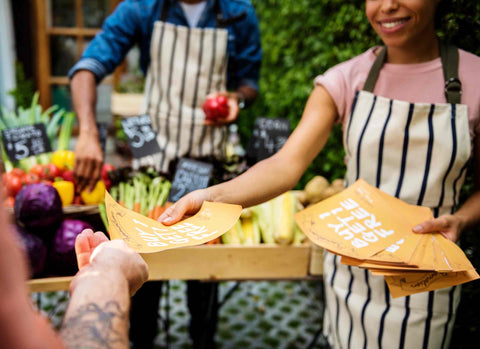
Individual and family autonomy is not opposed to the Community It strengthens it. Family farms that are part of a local network of exchanges and mutual aid are generally more resilient than those that attempt complete self-sufficiency. No household has mastered all the necessary skills, and partial specialization combined with bartering or exchange of services produces better collective results.
Local exchange and barter
The exchange of products and services between neighboring farms makes it possible to cover needs without depending on the traditional market: vegetables for eggs, preserves for working hours, firewood for cheese, carpentry skills for crop support. These exchanges simultaneously strengthen economic autonomy and community ties.
Sharing of expertise
Neighbourhood meetings, practical workshops (canning, construction, mowing of animals), local forums and participatory projects accelerate the acquisition of skills. The transmission of know-how specific to a terroir or a local climate, such as the management of the garden in zones 3 or 4 of Quebec, is difficult to replace by general resources online.
Mutual support
Difficult times, crop loss, animal disease, injury or illness of a member of the household, Emergency The climate is much more manageable in a self-help network than it is alone. Building a network before you need it, starting with knowing neighbors and participating in local initiatives, is as concrete a preparation as any food storage.
Community gardens and urban agriculture
In Quebec urban and peri-urban areas, community gardens, green alleys, local farming initiatives and local buying groups offer entry points to a more autonomous lifestyle without requiring rural property. These spaces bring food production closer to the inhabitants, diversify food and strengthen the resilience of neighbourhoods.
Gardening organizations, community farming and local groups can help learn and meet people. Check their existence, their sector and the services offered rather than retaining a list of acronyms as a guarantee of accompaniment.
PRODUITS AMAZON
LECTURES COMPLÉMENTAIRES