
In this article
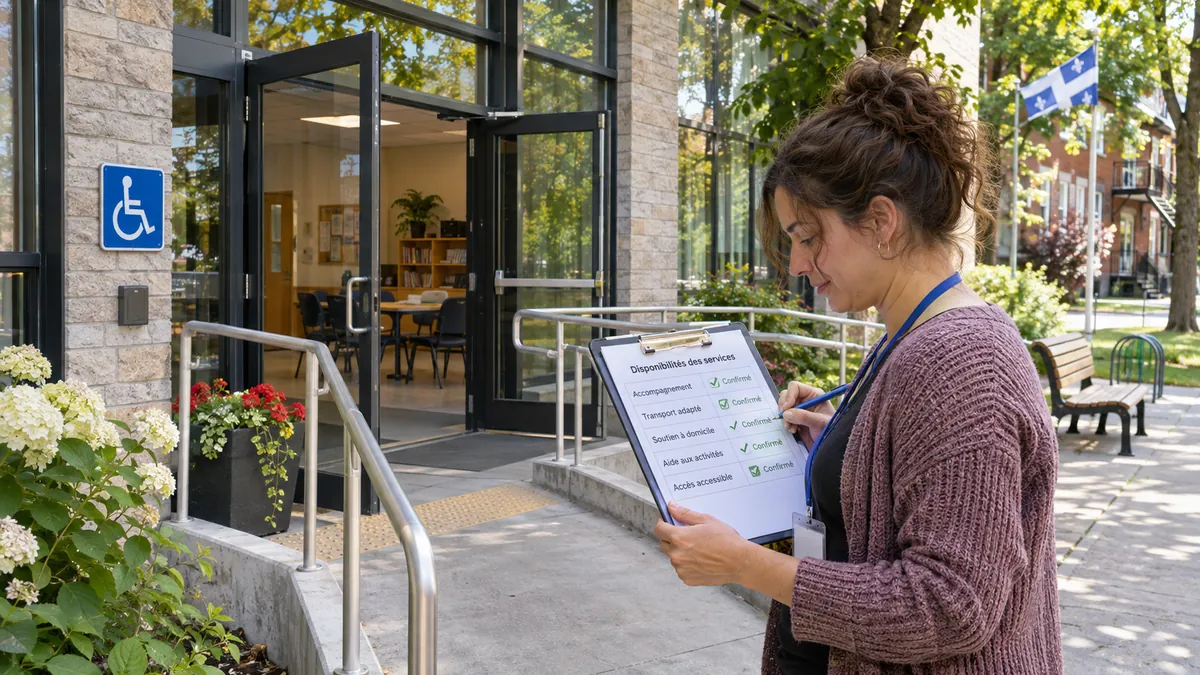
Identify confirmed places of reception and participate in local resilience without assuming that a public building automatically becomes a refuge.
Understand the risk and its consequences
Identify confirmed places of reception and participate in local resilience without assuming that a public building automatically becomes a refuge.
Built heritage can be part of the reflection on the adaptation of neighborhoods. There is a need to distinguish between long-term conversion possibilities and immediate operational means. The preparation of the home is based on confirmed resources and alternatives.
Key lessons for households and communities
Lesson 1: Infrastructure exists, but it is frozen
Existing buildings may offer opportunities for adaptation, but their use depends on their condition, accessibility and applicable permissions. Heritage protection alone is not an explanation for the unavailability of an emergency service.
Lesson 2: Community preparation must integrate the urban context
Community preparation includes services, access and places that can be mobilized. Check confirmed resources and their limitations rather than considering any public building as a safe haven.
Lesson 3: Citizen engagement can accelerate change
Citizen participation can make known the needs of the neighborhood: access, transport, reception and mutual aid. Make concrete requests to elected officials and organizations without immediately opposing heritage and security.
Remember: check the service actually available rather than relying solely on the presence of a building. Citizens’ initiatives can support the adaptation of the neighbourhood without improvising a reception centre.
Reflexes to adopt
- Identify real local resources : Instead of assuming that all public buildings will be accessible in an emergency, contact your borough (Montreal has 19 boroughs) or your municipality to know the pre-identified and functional emergency reception spaces.
- Build relationships with community organizations and check their services and limitations. An association, church or financial institution must not be presented as better equipped than a public service without evaluation.
- Consult the public notices and the modalities of participation in the consultations. Ask about services, usage and accessibility rather than assuming that decisions are made behind closed doors.
- Documenting local gaps : If a school, gymnasium or historic site could serve as an emergency shelter but is not because of regulatory flexibility, document this observation and report it to local elected officials.
- Join or create neighbourhood resilience groups : These groups can collectively advocate for better adaptation of the rules and create realistic community emergency plans based on the neighborhood’s real resources.
Prepare now
Concrete actions:
- Mapping Local Resources : Make a list of public buildings, community spaces, and aid organizations in your neighborhood. Note which are formally designated as emergency reception places according to your district.
- Ask the municipality for public information on alerts, disaster relief and special needs. Not all operational details of a plan are necessarily available to the public.
- Engage in dialogue with elected officials : Write to your borough counselor to express your concern about regulatory flexibility in dealing with emergencies. Informed and active citizens influence political priorities.
- Strengthen your personal and collective preparation : Storing water and food for 72 hours remains essential. But also: identify where you would go if you had to leave your home, with whom you would regroup and how you would communicate in case of loss of electricity.
Frequently asked questions
Why do heritage protection rules make emergency preparedness difficult?
Transformation projects must meet the requirements for the building and its new use. Heritage, technical, financial and security constraints must be considered together. An emergency does not authorize a citizen to modify a building without supervision.
What are the real emergency reception places in Montreal?
During a disaster, follow the municipal directions on the open service and accommodation centers. Sign up with staff when requested. A venue used at a previous event is not guaranteed to be available at the next one.
How can I get involved to improve local resilience?
Join local preparedness organizations (volunteer groups, borough committees, Canada Red Cross). Participate in public hearings on urban planning. Write to your elected officials to request a revision of the rules limiting the flexible conversion of assets in an emergency context. Every citizen voice counts.
Local resilience combines home preparation, mutual aid and public services. Identify what is confirmed, what remains to be checked, and what alternatives are available; then identify the observed needs.
Sources and Updates
Document verification: November 3, 2026. The official instructions in force in your area take precedence in real situations.
Two items for putting these ideas into practice
Turn reading into a written action: record a decision, a short list or the next exercise to try.
Affiliate links: as an Amazon Associate, PrépaCivile earns from qualifying purchases. These examples are optional. Check the model, package contents and terms. Use equipment you already own first.
Notebook for household information
Canada: three-pack; France: individual notebook. Compare size and quantity.
Canada — Amazon.ca
 Rite in the Rain Lot de 3 cahiers à spirale résistants aux intempéries, 7,6 x 12,7 cm, couverture noire, motif universel (n° 735-3)View on Amazon.ca
France — Amazon.fr
 Rite in the Rain toutes saisons carnet a spiral , 7,6 x 12,7 cm Étanche NoirView on Amazon.fr
Pen for notes and lists
Check compatibility with your paper and test the pen before relying on it.
Canada — Amazon.ca
 Rite in the Rain Lot de 2 stylos EDC toutes saisons, orange POKKA, encre noire de 0,9 mm, pointe fine (n° OR92), 1 pièce (lot de 2)View on Amazon.ca
France — Amazon.fr
 Rite in the Rain Lot de 2 stylos EDC toutes saisons, orange POKKA, encre noire de 0,8 mm, pointe fine (n° OR92)View on Amazon.fr